Introduction to Indigenous Agricultural Models
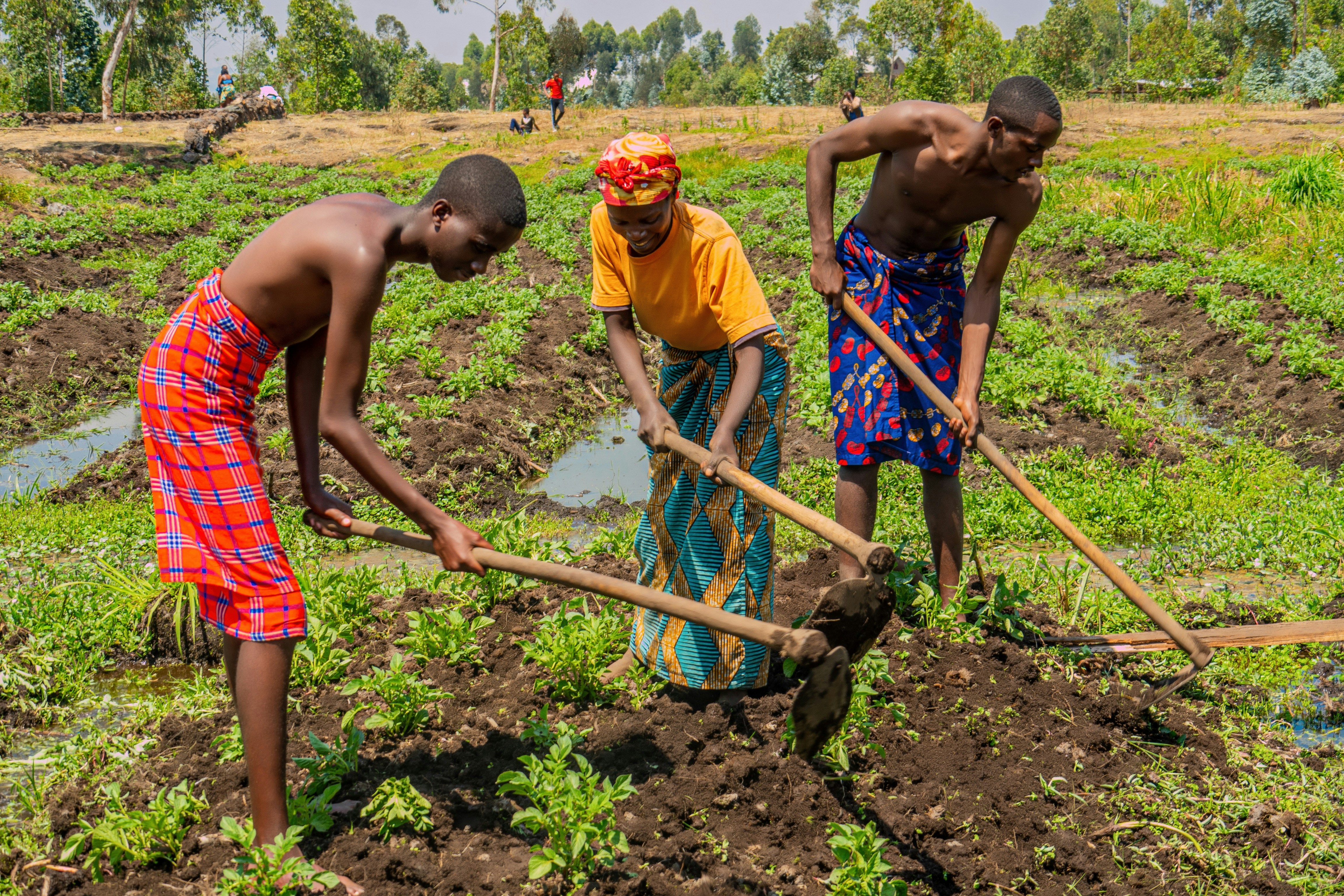
Indigenous agricultural models are farming systems rooted in the traditional knowledge, practices, and cultures of local communities. These models play a significant role in achieving sustainable agricultural practices, particularly in regions like Maharashtra, where agriculture is a key component of the economy and livelihood. The significance of indigenous models lies in their unique integration of centuries-old wisdom with contemporary agricultural techniques, creating a harmonious balance between tradition and modernity.
One prominent aspect of these indigenous models is their emphasis on biodiversity. Farmers often cultivate a mix of crops, which not only enhances soil health but also contributes to greater resilience against pests and diseases. This diversification contrasts with conventional farming practices that tend to rely heavily on monoculture and synthetic inputs, leading to various environmental challenges. By leveraging the diversity of local flora and fauna, indigenous models promote ecological stability.
Additionally, indigenous agricultural methods embody community engagement and collaboration. The shared knowledge within local communities facilitates collective decision-making to address agricultural challenges and share resources. This communal approach not only strengthens social ties but also fosters an environment of mutual support, which is crucial for improving agricultural productivity and ensuring food security.
Furthermore, the resilience of indigenous agricultural systems is notable, especially in the face of climate change. These models are often designed to be adaptable, utilizing region-specific practices that respond to local climatic conditions. For instance, traditional water conservation methods, often practiced by indigenous farmers, demonstrate a deep understanding of local ecology, ensuring efficient water usage even in arid conditions.
Overall, the relevance of indigenous agricultural models in Maharashtra cannot be overstated. Their unique practices, rooted in local knowledge, not only enhance sustainable farming but also contribute to the preservation of cultural heritage and biodiversity. As the agricultural landscape continues to evolve, understanding and integrating these indigenous practices could provide viable solutions for the future of farming in Maharashtra.
The Importance of Indigenous Models in Agriculture
Indigenous models of agriculture have historically played a vital role in the socioeconomic and ecological fabric of communities around the world. One of the key benefits of these models is their contribution to enhancing biodiversity. By relying on traditional farming practices, local farmers often cultivate a diverse range of crops that support various life forms. This diversity not only contributes to healthier ecosystems but also acts as a buffer against pests and diseases, enhancing crop resilience.
Another significant advantage of indigenous agricultural practices is their effectiveness in preserving local ecosystems. These models usually incorporate sustainable techniques that have been passed down through generations, such as crop rotation, polyculture, and organic fertilization. These practices promote soil health and prevent degradation, ensuring that the land remains fertile and productive for future generations.
Moreover, indigenous agricultural models demonstrate a high degree of resilience against climate change. Traditional farmers are often more adept at adapting their practices in response to changing climate conditions, utilizing time-tested techniques that typically require fewer resources. By using rain-fed irrigation and native plant varieties, these models can continue to produce food even under adverse weather conditions, reducing vulnerability and dependence on commercial agricultural systems.
Economically, indigenous models promote local food systems which support local economies. By sourcing food from local farms, communities can reduce their reliance on imported goods, fostering economic independence and sustainability. Additionally, these models often integrate community social structures, reinforcing cultural identities and strengthening social ties among community members.
In summary, indigenous agricultural models offer numerous benefits, from enhancing biodiversity and preserving ecosystems to boosting resilience against climate change and supporting local economies. Their socio-cultural importance further underscores their relevance in contemporary agriculture, making them essential for sustainable development in regions like Maharashtra.
Overview of Maharashtra’s Agricultural Landscape
Maharashtra, comprehensive in its agricultural diversity, stands as one of India’s leading states in terms of agricultural output. The state is characterized by a mix of both cash and cereal crops, significantly contributing to its economy and sustaining a large part of its population that depends on agriculture for their livelihood. The primary crops grown in Maharashtra include cotton, sugarcane, soybean, and rice, each with a significant role in the state’s agro-economy.
Farming practices in Maharashtra vary widely due to its diverse climate, ranging from the arid conditions in the interior regions to the fertile plains in and around the Western Ghats. Traditional farming methods, which often include rain-fed agriculture, are still prevalent in many areas; however, there is a growing trend towards modern agricultural techniques and the use of improved seed varieties. This transition is driven by increased awareness and the need to enhance productivity to meet the growing demands for food and continuous economic pressures.
Despite its prominence in agricultural production, Maharashtra’s farmers face numerous challenges. Water scarcity is a persistent issue, especially in the drought-prone regions where monsoons are erratic. Soil degradation and pest infestations also compound the difficulties faced by farmers, often resulting in diminished harvests and increased financial strain. Furthermore, the market dynamics, characterized by fluctuating prices and high input costs, place additional burdens on farmers, making it essential for innovative solutions and approaches to be explored.
Given this backdrop, indigenous agricultural models stand out as potentially transformative. These models, rooted in traditional knowledge and sustainable practices, may offer viable solutions to the challenges currently hindering Maharashtra’s agricultural sector. Understanding the local context and economic needs is critical when integrating these indigenous models into the existing agricultural framework.
Criteria for Evaluating Indigenous Models
When assessing indigenous agricultural models in Maharashtra, several key criteria must be considered to determine their effectiveness and suitability for local contexts. The first important criterion is sustainability. This involves evaluating the environmental impact of agricultural practices, including soil health, water usage, and biodiversity. Sustainable models not only maintain ecological balance but also ensure that the agricultural practices can endure over time without depleting natural resources.
Next, adaptability is crucial. Indigenous models must be flexible enough to respond to changing climatic conditions, socio-economic circumstances, and technological advancements. An effective model should incorporate indigenous knowledge and practices, which can enhance resilience and allow farmers to adjust their methods based on local variability and shifts in market demand.
Production efficiency is another essential criterion. Indigenous agricultural models should strive to maximize output while minimizing input costs. This can involve the use of traditional seeds that are more suited to local environments or methods that conserve resources, thereby ensuring that the economic viability of farming is maintained. Effective evaluation will consider factors such as yield per hectare, labor requirements, and cost-effectiveness of inputs.
Lastly, socio-economic benefits for local communities cannot be overlooked. Evaluation should encompass how these agricultural practices contribute to the well-being of farmers and their families. This includes their ability to secure a stable income, access to markets, and the empowerment of local women and marginalized groups within the agricultural sector. A model that fosters community development, enhances food security, and promotes equitable access to resources will be more sustainable in the long run.
Model 1: Kondh Indigenous Farming System
The Kondh indigenous farming system, prevalent in specific regions of Maharashtra, represents a unique agricultural practice deeply intertwined with the local culture and environment. This model stands out for its holistic approach to farming, which integrates various traditional methodologies aimed at sustainable crop production and effective resource management.
Central to the Kondh system is the practice of mixed cropping, where farmers cultivate multiple crops simultaneously in the same field. This technique not only optimizes land use but also enhances soil fertility and reduces the incidence of pests and diseases. The Kondh farmers often employ traditional seeds, which are well-adapted to local climatic conditions and require less external input, promoting resilience against climate variability.
Resource management within the Kondh system is characterized by the use of agroforestry practices. Farmers intersperse their crops with trees, which provide shade, reduce soil erosion, and contribute organic materials to the soil through leaf litter. This environmental stewardship ensures that the Kondh model supports biodiversity and enhances ecosystem services, benefiting both agriculture and local wildlife.
Culturally, the Kondh system is significant as it fosters community cohesion and preserves age-old traditions through shared agricultural practices. Festivals and rituals associated with planting and harvesting play a crucial role in strengthening social bonds among community members. Furthermore, knowledge transfer between generations ensures the sustainability of this farming model, preserving indigenous techniques and cultural heritage.
In conclusion, the Kondh indigenous farming system exemplifies a balanced approach to agriculture that harmonizes productivity with resource conservation and cultural significance. This model not only addresses the immediate needs of food production but also contributes to the long-term sustainability of agriculture in Maharashtra, making it a viable option for future considerations in regional agricultural planning.
Adivasi Agroecological Practices
The Adivasi communities in Maharashtra have long relied on agroecological practices that are intricately linked to their cultural traditions and local biodiversity. These practices are not only sustainable but serve as a model for integrating agricultural production with the preservation of natural ecosystems. By using their extensive knowledge of local flora and fauna, the Adivasi manage to cultivate crops while simultaneously conserving the environment.
One of the key features of Adivasi agroecology is the use of mixed cropping systems. By growing multiple crops in the same field, these communities enhance biodiversity and improve soil health. This method reduces the risk of crop failure, thereby ensuring food security for the Adivasi. Furthermore, the crops cultivated often include traditional varieties that are better adapted to local conditions, requiring fewer inputs while providing a rich source of nutrition.
Additionally, Adivasi practices emphasize the importance of organic farming. By avoiding synthetic fertilizers and pesticides, they maintain the health of the soil and minimize pollution. Instead, they utilize natural inputs such as compost and organic manure, which not only nourish the crops but also improve soil structure and fertility over time. This holistic approach demonstrates how agroecological practices contribute to long-term agricultural sustainability.
Water conservation is another vital aspect of Adivasi agriculture. By employing traditional rainwater harvesting techniques and maintaining natural irrigation systems, they maximize water availability and reduce dependence on external water sources. Techniques such as contour farming and the construction of check dams help manage water runoff and enhance soil moisture retention.
In summary, the Adivasi agroecological practices are a testament to the potential of integrating traditional knowledge with sustainable agricultural methods. By focusing on biodiversity conservation, organic farming, and water management, these communities provide valuable insights for broader agricultural practices in Maharashtra and beyond.
Bhil Traditional Farming Techniques
The Bhil community, one of the largest tribal groups in India, has maintained a deep connection with the land through their traditional farming techniques. These methods, passed down through generations, emphasize sustainability, ecological balance, and respect for natural resources. A key feature of Bhil agriculture is its crop diversity, which not only aids in maximizing yields but also contributes to environmental health.
To adapt to Maharashtra’s varied climatic conditions and topography, the Bhils cultivate a wide range of crops, including millets, pulses, and seasonal vegetables. This diversity helps enhance soil fertility and prevent pest infestations, making the ecosystem more robust. The practice of growing multiple crops, known as intercropping, is common among the Bhil farmers and serves as a natural pest control mechanism, reducing the need for chemical inputs. By rotating crops and using traditional seed varieties, they ensure resilient agricultural systems that can withstand harsh climatic variations.
Another central aspect of Bhil traditional farming is their soil management practices. The community utilizes organic fertilizers derived from local materials such as animal dung and compost, which enrich the soil and promote biodiversity. They employ techniques such as mulching and agroforestry to improve soil structure and maintain moisture, which is critical in a region facing water scarcity. This holistic approach to cultivation not only enhances productivity but also helps safeguard the environment, demonstrating the importance of integrating indigenous knowledge into modern agricultural practices.
Moreover, the Bhil community’s understanding of local ecology allows them to engage in sustainable practices that conserve water and support biodiversity. Their reverence for the land and its resources underlines a model of agricultural practices that prioritizes environmental health alongside productivity, showcasing a sustainable path that could greatly benefit Maharashtra’s agricultural landscape.
Warli Tribal Agricultural Practices
The Warli community, indigenous to the coastal regions of Maharashtra, represents a unique approach to agricultural practices that is deeply intertwined with their cultural heritage and environmental conditions. The agricultural methods employed by the Warli people are characterized by a sustainable model that emphasizes ecological balance and crop diversity.
Primarily, the Warli tribe engages in a meticulous crop rotation system that enhances soil fertility and reduces pest prevalence. By alternating crops, they manage to cultivate several varieties including millets, rice, and pulses, ensuring both dietary diversity and resilience against crop failure. The use of native seeds further supports this practice, as these seeds are better adapted to local environmental conditions and less reliant on chemical inputs.
Moreover, organic farming techniques are central to Warli agricultural practices. The community’s relationship with the land is rooted in the understanding of natural processes, which drives their commitment to avoiding synthetic fertilizers and pesticides. Instead, they employ traditional methods of fertilization such as composting, green manure, and cow dung, which enrich the soil without compromising its health.
The Warli farmers also incorporate agroforestry practices, interspersing trees with their crops. This approach not only aids in maintaining biodiversity but also contributes to soil conservation and moisture retention, aspects crucial for sustainable yield in dry seasons. Additionally, the cultivation methods are labor-intensive and community-oriented, fostering cooperative efforts in farming, harvesting, and sharing resources.
In essence, Warli agricultural practices exemplify a holistic approach to farming that prioritizes sustainability and ecological balance. Their reliance on traditional knowledge and organic methods positions them as a model of resilience in the face of modern agricultural challenges, offering valuable insights for broader applications across Maharashtra’s agricultural landscape.
Conclusion and Future of Indigenous Agricultural Models in Maharashtra
In recent discussions surrounding agricultural practices in Maharashtra, the significance of indigenous agricultural models has taken center stage. These models not only draw upon traditional farming techniques but also promote sustainable practices that are well-adapted to the local environment. As highlighted throughout this article, several indigenous models showcase diverse methods and innovations that have proven beneficial for farmers in Maharashtra.
Key points include their ability to enhance soil fertility, promote biodiversity, and improve farmers’ resilience to climatic variations. Each of these models underlines the importance of community knowledge and practices, which have evolved over generations and remain relevant in today’s agricultural landscape.
Moreover, the integration of indigenous agricultural practices into mainstream policies can address numerous challenges faced by contemporary agriculture, such as soil degradation, pest management, and climate change adaptation. Therefore, it is vital for policymakers and agricultural stakeholders to recognize the potential of these models. By extending support through research, education, and funding, Maharashtra can usher in a new era of farming that respects tradition while embracing modernity.
Looking ahead, the future of indigenous agricultural models in Maharashtra appears promising, given an increasing awareness of sustainable practices among farmers. It will be crucial to foster collaborations between local communities, government bodies, and research institutions. Ultimately, the goal should be to create a holistic framework that allows for the successful integration of indigenous methods into broader agricultural strategies. This not only can improve the livelihoods of farmers but also support environmental sustainability, ensuring Maharashtra’s agricultural heritage thrives for future generations.