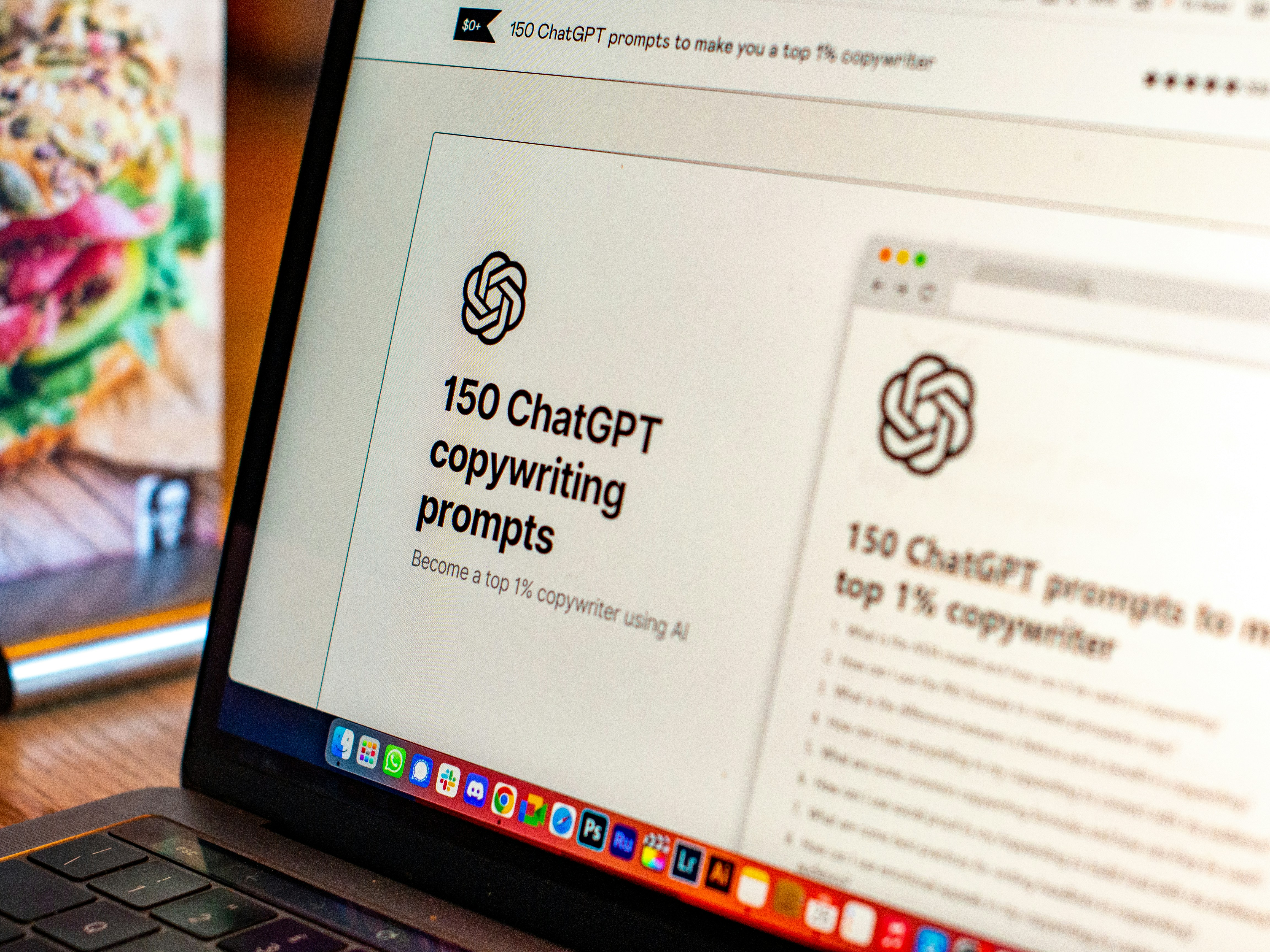
Introduction to AI and Freelancing
In recent years, artificial intelligence (AI) has emerged as a transformative force across a multitude of sectors, significantly influencing the way work is performed. In the context of freelancing, AI technology offers innovative solutions that enhance productivity, streamline workflows, and improve the overall quality of work. Freelancing, characterized by the self-employment of individuals providing services on a project or contract basis, includes various fields such as writing, graphic design, programming, and digital marketing, among others. These categories often benefit greatly from the capabilities AI brings to the table.
The integration of AI in freelancing is particularly relevant as it addresses common challenges faced by freelancers. Tasks that typically consume a significant amount of time, such as scheduling, invoicing, and communication, can be automated through AI-enabled tools. For example, AI-powered platforms can assist freelance writers in generating content ideas, conducting research efficiently, and even proofreading to enhance grammatical accuracy. Similarly, graphic designers can use AI applications to create design prototypes or generate color palettes that suit their projects.
A notable advantage of AI in the freelancing sector is its ability to analyze vast amounts of data to provide insights that freelancers can leverage for better decision-making. For instance, AI can assess market trends, helping freelancers adapt their services to fit current demands. Additionally, AI tools can enhance client interactions, providing personalized responses and support, which can ultimately improve client satisfaction and retention rates.
As we delve deeper into the impact of AI on freelancing, it becomes clear that while AI can streamline numerous processes, the human element remains irreplaceable. The synergy between AI and freelancers presents unique opportunities to redefine work, making it essential to explore how AI can be optimally utilized in this evolving landscape.
Benefits of AI for Freelancers
Artificial Intelligence (AI) has revolutionized various sectors, and freelancing is no exception. Freelancers, often juggling multiple projects at once, can significantly benefit from the integration of AI tools into their workflows. One of the primary advantages of AI in freelancing lies in its ability to enhance efficiency. By automating routine tasks such as data entry, scheduling meetings, or even drafting emails, freelancers can allocate more time to the creative and strategic aspects of their work.
Moreover, AI applications can aid in time management—a critical factor in the success of any freelancer. Tools like Trello, which leverage AI capabilities, help freelancers manage their projects more effectively by providing insights into task completion times and identifying potential bottlenecks before they escalate. This enhances not only individual productivity but also project delivery timelines, keeping clients satisfied and improving overall client retention.
Another important aspect of AI’s contribution to freelancing is enhanced communication with clients. AI-driven platforms like Slack or Zoom utilize smart features, such as predictive text and meeting summarization, to streamline communication processes. This ensures that freelancers maintain clear and concise interactions with their clients, fostering better collaboration and reducing misunderstandings.
Additionally, invoicing can become a less daunting task with the use of AI applications such as QuickBooks or FreshBooks. These tools allow freelancers to automate billing processes, track expenses, and generate professional invoices instantly, thus minimizing errors and ensuring timely payments. With AI handling administrative responsibilities, freelancers can maintain focus on delivering high-quality work, ultimately boosting their overall productivity.
AI Tools for Freelancers
Artificial Intelligence (AI) has become an integral part of various industries, including freelancing. By leveraging AI tools and software, freelancers can enhance their productivity, streamline workflows, and improve the quality of their work. Below is a selection of notable AI tools that freelancers can utilize across different niches.
1. Content Creation: One of the most popular AI tools for content creation is Grammarly. This tool not only corrects grammar and spelling errors but also suggests style improvements and enhances clarity. Another tool, Copy.ai, utilizes AI to generate content ideas, headlines, and even full articles, making it invaluable for writers looking to overcome writer’s block.
2. Graphic Design: For graphic designers, Canva provides a user-friendly platform enriched with AI features. It offers design suggestions and templates that allow freelancers to create professional-quality graphics quickly. Additionally, Adobe Sensei enhances the Adobe suite with AI capabilities, streamlining photo editing and providing design insights.
3. Data Analysis: Freelancers working with data can benefit from tools like Tableau that employs AI to visualize complex data sets and uncover insights. Furthermore, Google Analytics uses AI to analyze web traffic and user behavior, helping freelancers tailor their digital strategies effectively.
4. Communication: Effective communication is crucial in freelancing. Slack utilizes AI to automate responses and suggest relevant channels, improving collaboration. Likewise, Otter.ai provides automated transcription services, allowing freelancers to focus on communication rather than note-taking during meetings.
The integration of these AI tools in various freelancing tasks not only enhances efficiency but also assists freelancers in delivering high-quality output to their clients. As such, it is essential for those in the freelancing space to explore and incorporate suitable AI technologies into their workflows.
AI in Client Acquisition and Marketing
In today’s competitive freelancing landscape, acquiring clients is crucial for success. Freelancers can significantly benefit from the integration of AI in their client acquisition and marketing efforts. Utilization of AI-driven tools not only streamlines the process but also enhances the effectiveness of outreach strategies.
One of the most promising applications of AI is in automated marketing. Freelancers can leverage AI-powered tools that assist in creating targeted ad campaigns, optimizing social media posts, and analyzing engagement metrics. These tools can automate repetitive tasks, freeing up time for freelancers to focus on delivering quality services. Furthermore, AI algorithms can analyze user behavior and preferences, allowing for customized marketing messages that resonate with potential clients.
Social media outreach presents another opportunity for freelancers to apply AI. Platforms like Facebook and LinkedIn utilize AI to optimize content visibility and engagement. Freelancers can tap into these platforms by using AI analytics tools to identify the types of content that perform the best, as well as the optimal times for posting. This can enhance visibility among potential clients, leading to increased inquiries and project opportunities.
Personalized marketing approaches are also critical in the client acquisition process. With AI, freelancers can create tailored email campaigns that address the specific needs of potential clients. By analyzing previous interactions and behavioral data, AI can help identify which prospects are more likely to convert, allowing freelancers to prioritize their outreach. Combining these personalized tactics with data-driven insights ensures that marketing efforts are both efficient and effective.
By leveraging AI in client acquisition and marketing, freelancers position themselves strategically in the marketplace, ultimately increasing their chances of attracting and retaining clients.
Enhancing Creativity with AI
The incorporation of Artificial Intelligence (AI) into the freelancing workspace has showcased remarkable potential for enhancing creativity. Freelancers often encounter creative blocks that hinder their productivity and originality. AI offers an array of tools designed specifically to ignite inspiration, streamline the ideation process, and assist in content creation.
One notable category of AI tools includes brainstorming applications that generate ideas tailored to specific themes or topics. For instance, platforms such as Brainstormer and IdeaFlip utilize algorithms to analyze existing concepts and provide suggestions that can spark new perspectives. By leveraging these technologies, freelancers can break free from stagnation and explore a plethora of creative avenues they might not have considered independently.
Additionally, AI-powered content generation tools, like Copy.ai or Articoolo, can draft initial versions or outlines for articles, blogs, or social media posts. This allows freelancers to focus on refining ideas and implementing their unique voice, rather than getting lost in the initial stages of writing. By employing such tools, professionals can significantly reduce the time spent on repetitive tasks, thus giving them more freedom to innovate and create high-quality work.
Moreover, AI can function as a collaborative partner, offering constructive suggestions and enhancements as freelancers develop their projects. This collaboration allows human creativity to flourish while benefiting from the analytical strengths of AI. Ultimately, the integration of AI not only alleviates creative pressure but also cultivates an environment where innovation can thrive. By finding a balance between machine assistance and personal creativity, freelancers can unlock new levels of artistic expression and productivity.
Challenges of Using AI in Freelancing
While the integration of Artificial Intelligence (AI) into freelancing offers remarkable advantages, it is not without its significant challenges. Freelancers must navigate various limitations that could impede their workflows, especially when they become overly reliant on technology. One notable issue is the risk of diminishing the personal touch in client interactions. AI tools often prioritize efficiency and speed, which can lead to a lack of personal engagement that clients often expect. This can result in a generic service experience that may not meet the unique needs and preferences of diverse clients, ultimately affecting client relationships.
Another concern is the quality of work produced by AI. Although AI has made substantial advancements in generating content, including writing, programming, and design, it may still lack the creativity and nuance that human professionals inherently bring to their work. Freelancers who depend solely on AI tools may find that the output is insufficiently tailored, lacking originality, or even inaccurate in some cases. As a result, the potential reliance on AI might compromise the quality of deliverables, which could have lasting implications for a freelancer’s reputation.
Moreover, the necessity for ongoing human oversight cannot be overstated. AI tools do not eliminate the need for critical thinking, analysis, and final review by a human expert. Freelancers must actively engage with AI-generated content and make necessary adjustments to ensure it aligns with client expectations and standards. Therefore, while AI can undoubtedly enhance productivity and creative processes, freelancers must strike a balance, maintaining the human elements that underpin quality and customer satisfaction in their work.
Future Trends: AI in Freelancing
The landscape of freelancing is undergoing a significant transformation, driven by advancements in artificial intelligence (AI) technology. As we look to the future, it is evident that AI will become an integral part of the freelancing ecosystem, reshaping how professionals operate and interact with clients. The advancements in AI tools are likely to streamline processes, enhance efficiency, and drive innovation across various sectors.
One of the most notable trends is the rise of AI-powered platforms that connect freelancers with clients, offering personalized matchmaking based on skill sets and project requirements. This predictive technology can analyze vast amounts of data to propose ideal candidates, thereby reducing the time and effort involved in traditional recruitment methods. As these AI platforms evolve, we can expect them to incorporate features such as real-time project management and intelligent communication tools, further simplifying the freelancer-client interaction.
Moreover, the emergence of specialized AI tools designed to enhance productivity will likely lead to shifts in freelancing models. For example, machine learning algorithms can provide predictive analytics that assist freelancers in pricing their services more competitively by analyzing market trends and demand. Additionally, AI can help in automating repetitive tasks, allowing freelancers to focus on more strategic aspects of their work, such as creativity and client engagement.
However, this integration of AI will also bring forth challenges. Freelancers will need to continuously adapt to advancements in AI technology, developing new skills and learning how to leverage these tools effectively. The future of freelancing will likely see a blend of human expertise and AI capabilities, where both elements complement each other to deliver superior services.
In summary, the future of freelancing with AI is promising, characterized by innovative tools and evolving business models that prioritize efficiency and creativity. As technology progresses, it will be crucial for freelancers to stay ahead of the curve, embracing AI as a vital ally in their professional journey.
Case Studies of Successful AI Implementation in Freelancing
The advent of artificial intelligence (AI) has transformed various sectors, and freelancing is no exception. Several freelancers have successfully integrated AI tools into their workflows, boosting their productivity and enhancing client relationships. One notable example is Jane Doe, a freelance graphic designer, who utilized AI-powered design software to streamline her projects. By leveraging tools like Adobe Sensei, she significantly decreased her design time while maintaining quality. The AI’s ability to suggest design elements allowed her to present more concepts to clients in a shorter timeframe, ultimately increasing client satisfaction and securing repeat business.
Another compelling case is that of John Smith, a freelance writer, who integrated AI-driven content generation tools. By employing platforms like Jasper AI, Smith was able to automate the drafting of certain sections of his articles. The AI tool helped him come up with outlines and even generate content ideas, which freed up time for more intricate research and personalized writing. Consequently, his capacity to take on additional projects increased, enhancing his overall productivity and income.
Furthermore, Lisa Brown, a social media marketing consultant, found success with AI analytics tools. By using AI to analyze engagement metrics, she tailored content strategies more effectively. The AI’s predictive capabilities allowed her to identify emerging trends, adjust campaigns in real-time, and ultimately achieve greater engagement rates for her clients. These real-world implementations underscore the tangible benefits AI can provide to freelancers, enabling them to enhance their performance and maintain a competitive edge in their industries.
Conclusion: Embracing AI as a Freelance Professional
As we have explored throughout this blog post, the integration of artificial intelligence in freelancing offers numerous advantages that can significantly enhance productivity and efficiency. AI tools can assist in streamlining workflows, automating repetitive tasks, and providing insightful analytics, all of which can free up valuable time for freelancers to focus on their core creative and strategic work. This enables them to deliver higher quality projects to clients, thereby improving overall satisfaction and possibly leading to increased referrals and opportunities.
However, it is crucial to recognize that while AI can provide substantial support, it should not replace the unique human skills that freelancers possess. The ability to think critically, adapt to client needs, and create authentic connections are irreplaceable aspects of freelance work. Thus, freelancers should strive to find a harmonious balance between leveraging AI capabilities and exercising their human design skills. By doing so, they can strengthen their service offerings while still maintaining the personalized touch that clients often seek.
To harness AI effectively, freelancers are encouraged to explore a variety of tools and strategies that align with their specific niches and work styles. Whether it is through project management software, graphic design AI, or content generation tools, there are countless options available. By identifying and adopting these tools, freelance professionals can enhance their efficiency and effectiveness in an increasingly competitive market.
In summary, embracing AI as a valuable ally can lead freelancers to new heights in their careers. It provides a unique opportunity to augment their skills while also streamlining processes. Therefore, it is advisable for freelancers to remain open-minded and proactive about integrating AI into their practices, ensuring they remain at the forefront of their respective fields.