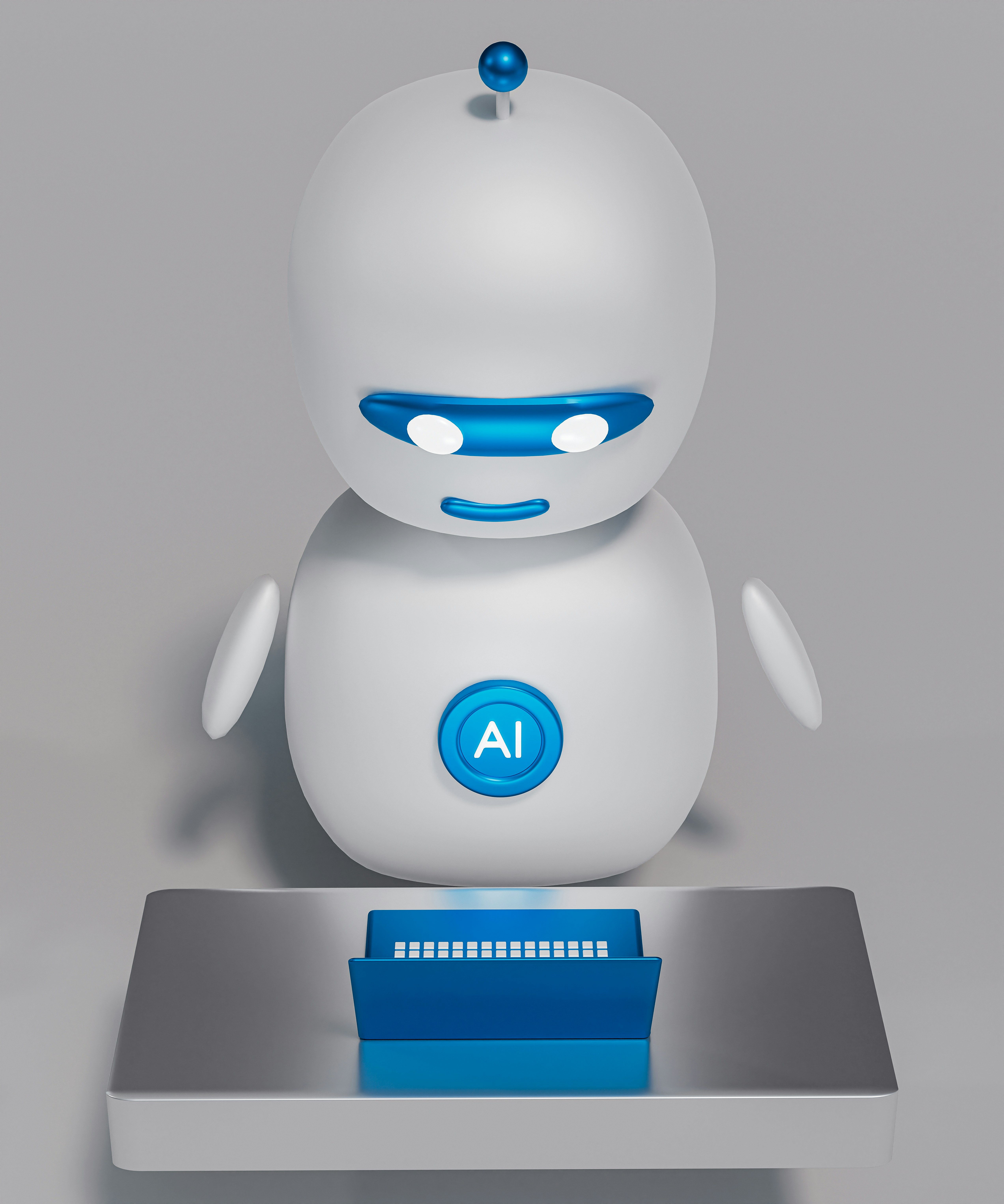
Introduction to Personal AI Agents
As technology continues to evolve rapidly, the emergence of personal AI agents has become a significant milestone in the digital landscape. These intelligent systems can be likened to a digital twin of the user, simulating human-like interactions and behaviors to assist with various tasks, thereby enhancing productivity and convenience. Essentially, personal AI agents function as an intermediary that performs actions on behalf of an individual, managing everything from scheduling appointments to curating personalized content based on user preferences.
The concept of personal AI agents is firmly rooted in advancements in artificial intelligence, machine learning, and natural language processing. As algorithms have become more sophisticated, these agents can learn from user interactions, continuously improving their performance and adapting to new situations. Through data analysis and pattern recognition, personal AI agents can anticipate needs, recommend actions, and streamline decision-making processes, which are paramount in our increasingly fast-paced world.
The relevance of personal AI agents is underscored by the growing demand for automation and efficiency across various sectors. Individuals often find themselves overwhelmed by daily distractions, from managing schedules to handling inquiries. By assuming a proactive role, these AI-driven systems not only alleviate cognitive burdens but also allow users to focus on more meaningful tasks. This shift signifies not only a change in how people handle daily responsibilities but also a transformation in the relationship humans have with technology. In this light, personal AI agents position themselves as essential tools in navigating the complexities of modern life, reflecting a burgeoning trend that marries human preference with advanced technology.
The Evolution of AI Technology
The development of artificial intelligence (AI) technology has transformed considerably since its inception. Early machine learning algorithms in the 1950s and 1960s focused primarily on basic problem-solving and pattern recognition tasks. These rudimentary systems laid the groundwork for more complex AI applications by introducing fundamental concepts such as supervised and unsupervised learning. Over the decades, these concepts evolved, leading to significant advancements in the field.
One landmark moment in AI’s evolution was the introduction of neural networks, which mimic human brain activity through interconnected nodes. These networks, particularly deep learning models, gained prominence in the early 2010s due to their ability to process vast amounts of data and recognize intricate patterns with greater accuracy. This period marked a critical shift, as researchers began utilizing powerful computation resources and expansive datasets, enabling the development of more sophisticated AI applications.
Natural language processing (NLP) is another crucial area that witnessed remarkable advancements, allowing machines to comprehend and generate human language more effectively. Improved algorithms and the availability of large text corpuses contributed to the refinement of NLP, which is essential for creating personal AI agents capable of interacting with users intuitively. These advancements have enabled AI systems to conduct conversations, manage tasks, and offer personalized recommendations—capabilities that were merely theoretical in the past.
Additionally, data mining techniques have played a significant role in the evolution of AI technology. By analyzing large datasets, AI systems can identify trends and patterns that inform their interactions with users. This analytical strength enhances personalization—ensuring that personal AI agents not only respond to commands but also anticipate needs based on user behavior.
Overall, from simple algorithms to responsive personal AI agents, the evolution of AI technology reflects a continual drive for enhancing user experiences through innovation.
The Role of Personal AI Agents in Daily Life
In recent years, personal AI agents have begun to play an increasingly significant role in our everyday activities, transforming how we manage both our personal and professional lives. These digital assistants, equipped with advanced algorithms and machine learning capabilities, have become instrumental in streamlining various tasks, allowing users to optimize their daily routines. From managing schedules to curating personalized recommendations, personal AI agents have made a profound impact.
One of the most notable applications of personal AI agents is in the realm of schedule management. For instance, platforms like Google Assistant and Microsoft Cortana help users organize their calendars, set reminders, and prioritize tasks. These digital twins can analyze individual preferences and habits, ensuring that important events are highlighted, and potential conflicts are resolved before they arise. This proactive management of scheduling can lead to greater efficiency and reduced stress.
Another area where these AI systems excel is in communication management. Tools such as Slack and Microsoft Teams incorporate AI features that facilitate smoother interactions across teams. Personal AI agents can assist in filtering emails, suggesting responses, or even drafting messages based on contextual understanding. This capability not only saves time but also enhances the quality of communication by ensuring that messages are timely and relevant.
Furthermore, personal AI agents provide personalized recommendations, enhancing various aspects of daily life from shopping to entertainment. For example, platforms like Netflix and Spotify utilize AI algorithms to analyze user preferences, suggesting content that aligns with individual tastes. This level of personalization enriches user experience and fosters a more engaging interaction with digital platforms.
In conclusion, the integration of personal AI agents into daily life is reshaping how we approach tasks, manage communications, and receive personalized recommendations. As technology continues to evolve, these digital twins are poised to play an even more vital role in optimizing our everyday routines, ultimately improving overall productivity and satisfaction.
Benefits of Having a Digital Twin
The advent of personal AI agents as digital twins presents several notable advantages that can significantly enhance daily life and workflow. One of the foremost benefits is increased efficiency. Digital twins are designed to handle repetitive tasks, manage schedules, and streamline processes. With their capability to automate mundane activities, individuals can devote more time and energy to complex tasks that require human creativity and critical thinking.
Moreover, improved organization is another considerable benefit. Personal AI agents can consolidate information from multiple sources and maintain a cohesive overview of tasks and commitments. By keeping track of deadlines, appointments, and important documents, these digital companions enhance overall productivity and reduce the cognitive load that often accompanies information management.
Personalized assistance is a hallmark of digital twins, catering to individual preferences and behaviors. They learn from user interactions to provide solutions tailored to specific needs—be it curating news, recommending books, or even managing financial portfolios. This level of customization empowers users, giving them greater control over their decisions and the information they receive.
Additionally, digital twins serve as valuable support in decision-making processes. By analyzing vast datasets and offering insights based on trends and user behavior, personal AI agents aid users in making informed choices. Research has shown that individuals utilizing AI-driven assistance report increased confidence in their decisions, noting that the digital twin processes complex information that may otherwise overwhelm a human user.
Testimonials from users of personal AI agents highlight their transformative impact. Many have expressed how these digital companions have dramatically improved their lifestyles, making routines more manageable and decisions more straightforward. It is evident that the integration of digital twins into everyday life can lead to significant enhancements in efficiency, organization, and overall satisfaction.
Potential Challenges and Limitations
As personal AI agents, often referred to as digital twins, become increasingly integrated into everyday life, several challenges and limitations must be addressed to ensure their beneficial use. Privacy concerns represent one of the most pressing issues. Personal AI agents rely on extensive data collection from users to function effectively, leading to potential misuse of sensitive information. Users may have legitimate worries regarding how their data is stored, shared, and protected. This data, when compromised, could lead to identity theft or unauthorized profiling, causing anxiety among potential users.
Data security implications also pose a significant challenge. With the rise of sophisticated cyber threats, the security of the algorithms that drive personal AI agents comes under scrutiny. If these AI systems store or manage crucial personal data without robust security measures, they can become attractive targets for cybercriminals. It is essential for developers to prioritize security protocols and continuously monitor vulnerabilities to protect users.
Moreover, there is a concern about over-reliance on technology. As people increasingly depend on personal AI agents for everyday tasks, decision-making may become compromised. This reliance could diminish critical thinking and problem-solving skills, as users might defer to the recommendations provided by these digital assistants rather than engage in more thoughtful deliberation.
Lastly, issues of bias in AI algorithms cannot be overlooked. Algorithms are designed based on existing data, which may contain inherent biases. Consequently, personal AI agents could inadvertently perpetuate stereotypes or deliver skewed recommendations. Ensuring fairness and impartiality in AI training data is crucial to avoid propagating existing inequalities.
Impact on Personal Relationships and Society
The integration of personal AI agents into daily life has the potential to reshape personal relationships and social interactions significantly. These digital assistants are designed to help individuals manage their daily tasks, make decisions, and even engage in conversations, thereby influencing how people connect with one another. One prominent change is the shift in communication habits; as people increasingly rely on AI to handle routine inquiries and emotional support, the quality and depth of human-to-human interactions may diminish. This shift toward digital interfacing could inadvertently lead to a more isolated society, where individuals find solace in technology rather than fostering meaningful relationships.
Moreover, personal AI agents may alter community engagements. The convenience of an AI assistant could dissuade individuals from participating in local events or connecting with neighbors, as these activities might seem less attractive compared to the personalized, instant gratification offered by AI. While efficiency and convenience are benefits, they may create barriers to building community bonds and social cohesion. Social gatherings may see decreased attendance as reliance on AI for social interaction increases, potentially leading to a fragmented social fabric.
Interestingly, the rising use of AI agents also raises concerns regarding mental health. While these digital companions can provide support and companionship, they lack the empathy and understanding that human relationships inherently possess. Relying too heavily on a personal AI might lead individuals to neglect their emotional well-being, as they might turn to their AI for all interactions rather than seeking support from friends or family. This reliance could create a false sense of connection, leaving individuals vulnerable to loneliness and disconnection from reality.
Future of Personal AI Agents
The future of personal AI agents is poised to be transformative, expanding their role as digital twins in numerous aspects of our lives. One key trend will be the enhancement of AI capabilities through advanced algorithms, machine learning, and data analytics. As these technologies evolve, personal AI agents will not only become more efficient in processing information but also improve their ability to understand and predict user needs, thereby providing tailored experiences.
The relationship between humans and AI is also expected to deepen. As AI agents become more integrated into our daily routines, they are likely to serve as indispensable partners in both personal and professional spheres. This symbiotic relationship raises important questions about dependency and collaboration. Society will need to navigate this partnership carefully, ensuring that while personal AI agents manage tasks and provide assistance, humans maintain agency over their decisions and lives.
Innovation will play a crucial role in this evolution. Future personal AI agents may utilize biometric data, emotions, and preferences to enhance interaction, enabling them to respond in more human-like ways. Furthermore, as ethical considerations gain prominence, there will be increased focus on creating transparent AI systems that respect user privacy and data security. The development of ethical guidelines will be essential in fostering trust between users and their personal AI counterparts.
Ultimately, the coming years will likely witness a significant redefinition of how we integrate technology into our lives. The potential advancements in personal AI agents will reshape our understanding and utilization of digital twins, leading to more enriching and streamlined experiences that cater to an increasingly demanding pace of life.
Ethical Considerations
The emergence of personal AI agents raises significant ethical considerations that warrant thorough examination. One of the primary concerns is the issue of consent. Users might unknowingly allow these AI systems to access immense amounts of personal and sensitive data, blurring the line between privacy and convenience. Ensuring that individuals provide explicit consent before their information is utilized by personal AI agents becomes paramount. This consideration calls for comprehensive protocols to safeguard user data and respect autonomy.
Accountability in decision-making is another critical aspect. As personal AI agents make recommendations and decisions on behalf of users, determining who is responsible for errors or harmful outcomes becomes complex. The question arises: if an AI system makes a detrimental choice, who should be held accountable— the user, the developer, or the institution deploying the AI? Establishing a clear framework for accountability is essential to ensure that personal AI agents operate responsibly and ethically.
The potential for over-dependence on personal AI agents poses further ethical issues. As these systems become more integrated into daily life, users may rely excessively on them for decision-making and emotional support. This raises concerns about diminishing human agency and the ability to navigate complex situations independently. It’s essential to strike a balance between leveraging technological advancements and maintaining personal cognitive and emotional faculties.
Finally, the importance of transparency in AI algorithms cannot be overstated. Users should have insight into how their personal AI agents function, including the reasoning behind decisions and recommendations. Openness about algorithmic processes fosters trust and enables users to understand and critically assess the role of these systems in their lives. Overall, addressing these ethical considerations is crucial for the responsible development and deployment of personal AI agents in society.
Conclusion
Throughout this exploration of personal AI agents, often dubbed digital twins, it is evident that their emergence marks a significant shift in how we interact with technology. Personal AI agents serve not merely as tools, but as extensions of our identities, capable of understanding and responding to our needs in increasingly sophisticated ways. As they integrate into everyday life, their advantages are becoming increasingly clear; these digital counterparts enhance our productivity, streamline decision-making processes, and provide personalized experiences that were previously unimaginable.
The importance of personal AI agents like digital twins lies in their ability to learn from our behaviors and preferences. This learning capability enables them to offer tailored insights, thus improving efficiency and enhancing our overall quality of life. However, as we embrace this innovative technology, it is essential to approach it with a sense of responsibility, considering the ethical implications of such advancements. The development of personal AI agents brings forth questions of privacy, data security, and the potential erosion of human interaction.
In the present and future landscape, the integration of personal AI agents into various sectors—ranging from healthcare to finance—has the potential to revolutionize the way we conduct our daily activities. As we move forward, the dialogue surrounding these technologies must involve careful considerations of their effects on society and individual autonomy. The responsibility lies with us, the users and developers, to ensure that we foster an environment where technology is utilized to empower rather than diminish our humanity. Let us embrace the growth of personal AI agents cautiously and thoughtfully, paving the way for a future where innovation aligns harmoniously with ethical standards.