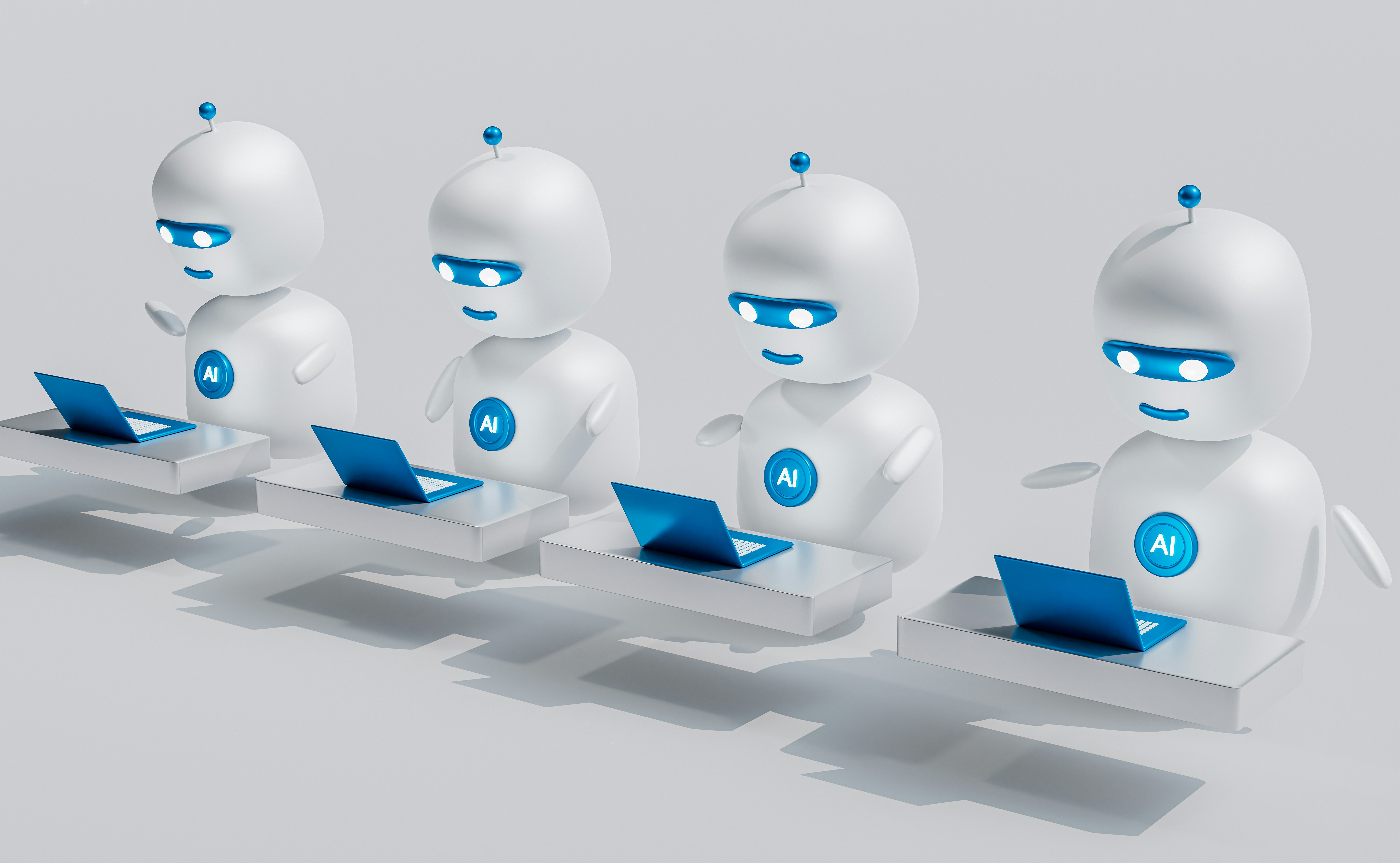
Understanding Artificial Intelligence: A Simple Explanation
Artificial intelligence, often referred to as AI, is a term that describes machines or computer systems that can perform tasks typically requiring human intelligence. These tasks can include learning from experiences, understanding languages, recognizing patterns, and making decisions. In simpler terms, think of AI as a type of smart technology that can help us in various ways.
One way to explain AI to children is to compare it to a robot or an application, like the voice assistant they might use on a phone or tablet. For example, when a child asks the voice assistant to tell a joke or play a song, the assistant can understand the request and respond appropriately. This is made possible through AI, which uses algorithms to analyze the request and provide a fitting answer.
AI exists all around us, even in places we may not initially recognize. When children play video games that adapt to their skill level or watch shows on streaming services that recommend content based on their preferences, they are experiencing AI in action. Such systems learn from user interactions and improve recommendations over time, making their entertainment experience more enjoyable.
Another familiar context for children could be smart home devices, like thermostats that learn when to adjust the temperature based on family habits. This means that AI helps make daily activities easier and more efficient, showing children its practical applications. By understanding these concepts in relatable contexts, kids can begin to grasp the essence of artificial intelligence, its purpose, and how it influences our everyday lives.
Fun Ways to Introduce AI to Kids
Introducing artificial intelligence (AI) to children can be an enjoyable and enriching experience. Various creative methods can help bring the fascinating world of AI to life, making complex concepts accessible and engaging for young minds.
One effective approach is through interactive games that incorporate AI elements. Numerous board games and video games are designed to teach children the basics of AI in a fun format. For instance, consider games like “RoboRally”, where kids program robots to navigate mazes. Such games not only entertain but also offer a hands-on way to understand the principles of programming and decision-making that AI relies on.
Additionally, educational apps designed specifically for kids can serve as valuable tools for introducing AI. Apps such as “LightBot” and “Scratch” allow children to create simple programs or animations, promoting programming logic and creativity. These platforms break down the concepts of AI, allowing children to grasp the underlying ideas while fostering critical thinking skills.
Moreover, utilizing toys that leverage AI technology can be a captivating way to engage kids. Products like “Robot Turtles”, which teaches programming basics, or even smart robotic pets that respond to commands, can spark curiosity and interest in AI developments. Hands-on interaction with these devices can motivate children to explore further and learn the science behind their favorite gadgets.
Finally, storytelling is a powerful tool to make AI relatable. Books and animated presentations that illustrate characters using AI to solve problems can capture children’s imagination and inspire them to think about the future role of AI in society. Engaging stories can stimulate conversations about ethics, creativity, and the potential of AI, enhancing children’s understanding of its implications.
Explaining the Different Types of AI
Artificial Intelligence (AI) is a broad field that can be categorized into three main types: narrow AI, general AI, and superintelligence. Each type has unique characteristics and applications, making it important to understand their differences, especially when explaining these concepts to children.
Narrow AI, also known as weak AI, refers to systems specifically designed to perform a narrow task, often exceeding human performance in that particular area. For example, virtual assistants like Siri and Google Assistant exemplify narrow AI. These programs can play music, set reminders, and even answer trivia questions, but they do not possess consciousness or understanding beyond their programmed functions. This type of AI is the most common in everyday technology and serves as a good entry point for children to grasp the capabilities and limitations of AI.
General AI, or strong AI, represents a more advanced form of artificial intelligence. This type can understand, learn, and apply knowledge across a wide range of tasks, similar to a human’s cognitive abilities. While there are no practical examples of general AI in existence today, movies like “The Matrix” or videos games featuring highly interactive characters may introduce kids to this concept. It’s important to convey that while general AI is a fascinating idea, it is still largely theoretical and not yet a reality.
Finally, superintelligence depicts a level of intelligence that surpasses human capabilities in every conceivable domain. This concept is often discussed in philosophical debates and speculative fiction but remains a topic of concern regarding the future implications of AI technology. When explaining superintelligence to kids, it can be useful to contextualize it by referencing science fiction stories where AI systems become advanced enough to challenge human intellectual supremacy.
The Role of AI in Daily Life
Artificial Intelligence, commonly referred to as AI, has gradually integrated into various aspects of daily life, often without individuals even realizing it. For children, understanding these applications can foster an appreciation for technology and its benefits. One of the most prominent examples of AI in daily life is found in streaming services, such as Netflix or YouTube. These platforms utilize sophisticated recommendation systems powered by AI algorithms that analyze a user’s viewing history and preferences. As children engage with these services, they encounter personalized movie and show suggestions, which can be an excellent entry point for discussions about how AI works in their everyday experiences.
Smart home devices also serve as prime examples of AI’s presence. Devices like Amazon Alexa or Google Home can respond to voice commands, control smart appliances, and even assist with information retrieval, demonstrating AI’s capability to enhance convenience and efficiency in household tasks. Engaging kids in conversations about how these devices interpret commands and learn from user interactions can deepen their understanding of AI technology. Learning about the role of AI in smart homes relates directly to practical aspects of their daily routines, making the information relatable and beneficial.
Furthermore, AI has found its way into educational tools and applications that aim to enhance learning experiences. For instance, platforms such as Khan Academy and Duolingo use AI to tailor lessons and exercises based on a student’s individual progress and difficulties. By illustrating how these tools can adapt to personal learning styles, children may recognize the direct advantages of AI in their education and academic achievements. This understanding can pique their interest in technology and inspire future explorations in the field of artificial intelligence.
Discussing the Benefits of AI
Artificial Intelligence (AI) has emerged as a transformative force across various sectors, influencing the way we live, work, and engage with technology. One of the most profound benefits of AI is its ability to enhance education. With AI-powered tools and personalized learning platforms, students can receive customized instruction tailored to their learning pace and style. This ensures that every child has the opportunity to grasp complex concepts effectively and may significantly improve educational outcomes.
Moreover, AI has made substantial contributions to the healthcare industry. Through advanced data analytics, AI systems can analyze patient data and assist healthcare professionals in diagnosing conditions more accurately. For instance, AI algorithms can identify diseases in medical images or predict outbreaks of illnesses based on trends in health data. This not only facilitates timely intervention but also elevates the overall quality of care available to patients.
The transportation sector is another area where AI is making significant strides. The development of autonomous vehicles and smart traffic management systems demonstrates how AI can enhance safety and efficiency on our roads. By utilizing AI technology, we can reduce the frequency of accidents caused by human error, optimize route planning to alleviate traffic congestion, and improve public transport reliability. These advancements exemplify how AI does not merely serve business interests but actively contributes to the well-being of society at large.
By discussing these positive impacts, children can gain an appreciation for how AI can solve real-world problems and boost productivity across numerous industries. Encouraging young minds to explore the potential of AI not only fosters a sense of curiosity but also helps them understand the importance of responsible technology development. This understanding is essential as we continue to integrate AI into our daily lives, thus sparking their interest in pursuing careers in related fields.
Addressing Myths and Misconceptions about AI
Artificial Intelligence (AI) has swiftly become a significant topic of discussion in modern society, yet it is not without its share of myths and misconceptions. A prevalent fear is that AI will replace human jobs, creating widespread unemployment. While automation does have the potential to alter job landscapes, historical trends indicate that technology often leads to the creation of new roles and industries. It is important to emphasize to children that AI serves as a tool to assist humans, enhancing productivity rather than simply taking over tasks.
Another common myth is the portrayal of AI as an uncontrollable entity, akin to science fiction narratives where machines acquire dominance over humanity. This perspective can lead to unnecessary fear. In reality, AI systems are designed and governed by strict ethical standards. They are tools that require oversight and control by human operators. Teaching kids about the ethical implications involved in AI development can help demystify these technologies and instill a sense of responsibility.
Furthermore, AI is often seen as infallible, leading to the misconception that it will always make better decisions than humans. In truth, AI is reliant on the data it processes, and poor-quality data can result in poor decisions. Encouraging critical thinking about the sources of data can help children appreciate the limitations of AI. By addressing these myths, we can foster a balanced understanding of AI as a beneficial technology created to enhance human life rather than a threat to it.
Ultimately, by discussing these fears and misconceptions, we can equip children with a comprehensive view of AI. This will help them appreciate its potential benefits while also recognizing the importance of responsible governance and ethical considerations surrounding its usage.
Encouraging Critical Thinking about AI
As children engage with artificial intelligence (AI), it is imperative to guide them toward developing critical thinking skills regarding this technology. By fostering an environment where questioning and exploration are encouraged, young learners can better understand the complexities that AI introduces into daily life. A foundational aspect of this education should encompass ethical considerations surrounding AI. For instance, discussions could revolve around the moral implications of AI decision-making, such as those that occur in autonomous vehicles or algorithm-driven social media platforms.
Additionally, addressing privacy issues is crucial in teaching children about AI. Educators and parents must clarify how AI systems often collect and analyze personal data, highlighting the potential risks associated with this practice. Encouraging children to consider who has access to their data and how it may be used can instill a sense of responsibility and awareness. This awareness is not only vital for protecting their personal information but also for understanding the broader societal implications of AI.
Furthermore, emphasizing the importance of responsible use of AI technology can motivate children to think critically about their interactions with AI tools. Teaching children to scrutinize the sources of information provided by AI, to differentiate between reliable and unreliable content, and to develop digital literacy skills forms a holistic approach to AI education. By integrating these discussions into lessons about technology, children can learn to navigate the digital landscape more securely, ensuring they become informed users rather than passive consumers.
In essence, nurturing critical thinking about AI encourages children to engage thoughtfully with technology, empowering them to navigate its intricacies responsibly and ethically. Such conversations lay the groundwork for a generation that values inquiry, responsibility, and ethical considerations in the face of advancing AI technologies.
Hands-On Activities to Explore AI
Engaging children in hands-on activities can be an effective way to teach them about artificial intelligence (AI) while stimulating their creativity and critical thinking. There are numerous child-friendly platforms that allow children to program simple AI algorithms, making the learning process more interactive and enjoyable. For instance, platforms like Code.org offer a variety of free coding activities suitable for children, enabling them to grasp the fundamental concepts of AI through engaging tutorials and projects.
One popular activity is to create a simple chatbot using coding platforms like Scratch. Scratch allows children to drag and drop code blocks to create interactive stories or games. They can design a character that interacts with the user and responds to questions, teaching them the basics of how AI understands and processes language. This project not only introduces them to programming principles but also the concept of natural language processing, which is a vital aspect of AI technology.
Furthermore, families can participate in online AI challenges designed for young learners. Websites like Kaggle and Zindi frequently host competitions that encourage children to solve real-world problems using AI. These challenges typically include beginner-friendly datasets and step-by-step guides, allowing children to experiment with data, algorithms, and machine learning concepts under guided supervision.
Another hands-on activity involves exploring AI through robotics. Parents can purchase robot kits that come with programmable interfaces, such as LEGO Mindstorms or VEX Robotics. These kits allow kids to build robots and program them to complete specific tasks, providing a practical understanding of AI’s role in automation and robotics.
Involving children in these activities cultivates their interest in technology and provides them with a foundational understanding of artificial intelligence, setting the stage for future learning opportunities in this pivotal field.
Looking Ahead: The Future of AI and Your Child’s Role
As we delve deeper into the information age, artificial intelligence (AI) is becoming a pervasive force that is reshaping different aspects of our daily lives. It is crucial for today’s children to understand this technology and its implications for the future. Preparing them for an AI-driven society goes beyond merely acknowledging its presence; it involves actively engaging in learning opportunities that equip them with relevant skills.
One of the most effective ways to prepare children for a future influenced by AI is by fostering an interest in STEM education—science, technology, engineering, and mathematics. By immersing them in these disciplines, we encourage critical thinking, logical reasoning, and problem-solving abilities. These essential skills will enable children to navigate a landscape where AI plays an integral role in decision-making and innovation.
Moreover, creativity should not be underestimated in this evolving landscape. While AI excels at processing data and performing specific tasks, human creativity remains unmatched and is vital for innovation. Encouraging children to express their creativity through arts, writing, and problem-solving projects will help them develop unique perspectives that machines cannot replicate. The combination of technical skills and creative thinking will empower children to work alongside AI rather than be replaced by it.
It is also important to instill adaptability in children. As technology evolves, so too will the job market and the skills required to thrive within it. By teaching children how to embrace change and remain flexible, we prepare them for a world that is constantly evolving. Emphasizing lifelong learning will ensure that they are equipped to tackle future challenges and seize the opportunities presented by advances in AI.
In conclusion, the path towards an AI-informed future hinges on equipping our children with a balanced skill set that includes STEM education, creativity, and adaptability. By emphasizing these areas, we can empower the next generation to thrive in a world where artificial intelligence is not just a tool, but a collaborative partner in their success.