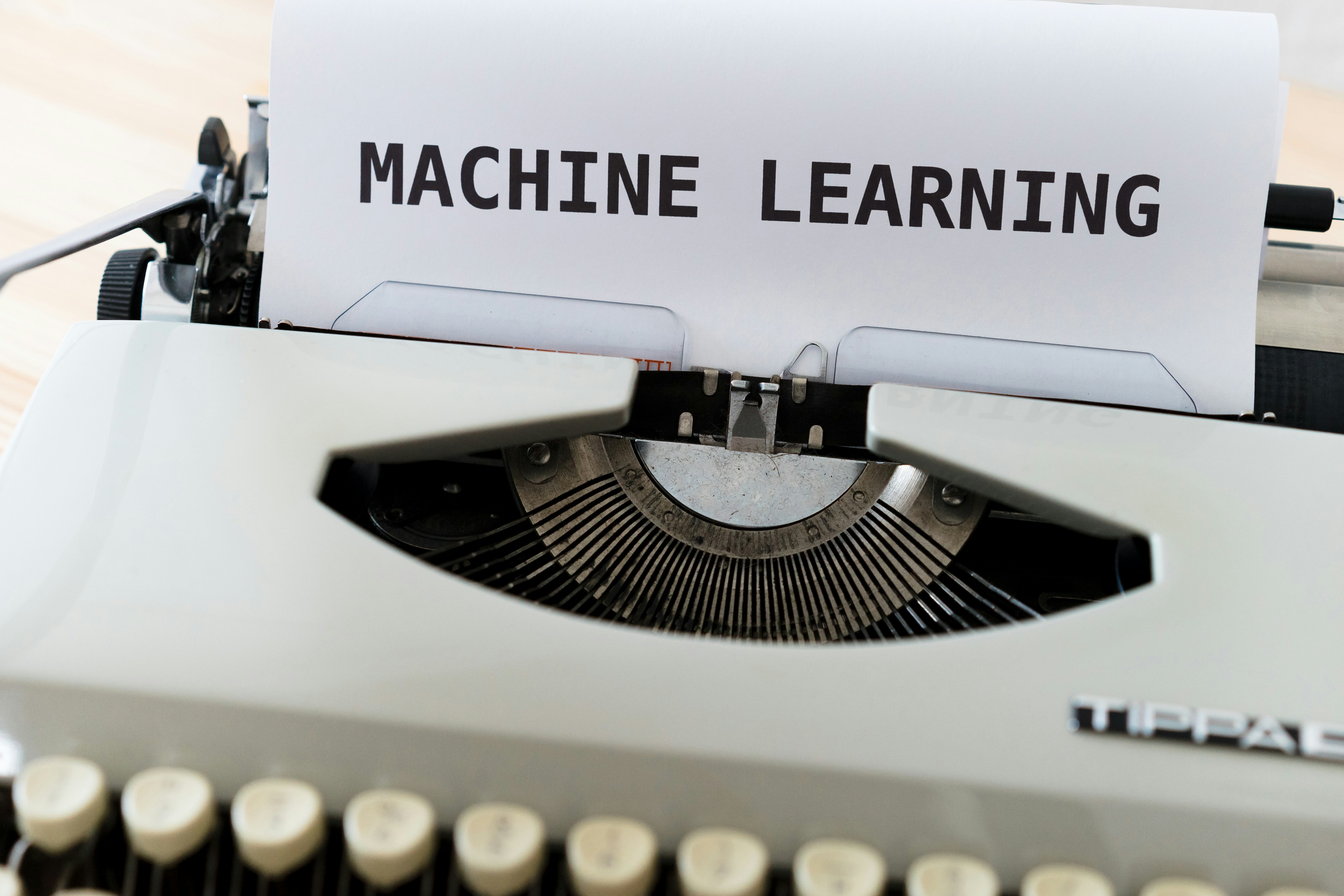
Introduction to Hugging Face
Hugging Face is a prominent company in the realm of artificial intelligence, particularly within the field of natural language processing (NLP). Established in 2016, it began with the intent to create a social platform for AI enthusiasts, but swiftly transitioned to focus on developing state-of-the-art machine learning models that democratize access to advanced NLP technologies. The organization’s mission is to simplify and promote the usage of AI, allowing researchers and developers to harness powerful models for various applications.
At the core of Hugging Face’s offerings is the Transformers library, a groundbreaking open-source framework that provides easy access to a plethora of pre-trained models. These models are designed to handle diverse tasks such as text classification, translation, summarization, and question answering. The streamlined API and extensive documentation facilitate seamless integration into various projects, enabling users, regardless of their proficiency levels, to implement sophisticated NLP solutions efficiently.
Significantly, Hugging Face has contributed to enhancing the collaborative nature of the AI community by encouraging the sharing and dissemination of models. The Model Hub serves as a central repository where users can upload and download thousands of models, actively promoting an environment of knowledge sharing. This openness not only accelerates research and development but also ensures that advancements in NLP are accessible to organizations of all sizes, from startups to established enterprises.
In addition to providing tools and resources, Hugging Face fosters a vibrant community through forums, discussions, and educational resources aimed at empowering individuals interested in NLP. The company’s commitment to ethical AI practices and transparency further strengthens its influence and significance in shaping the future landscape of artificial intelligence.
The Rise of Transformers
The advent of transformer models represents a significant technological advancement in the field of natural language processing (NLP). Transformative in their approach, these models have been instrumental in redefining how machines understand and generate human language. The key innovation introduced by transformers is their ability to handle long-range dependencies in text. Unlike traditional models, which have largely relied on recurrent neural networks (RNNs), transformers utilize a mechanism known as self-attention. This allows them to weigh the importance of various words in a sentence relative to one another, enabling a contextual understanding that is much finer and more nuanced.
One of the most profound impacts of transformer models is their performance across various language tasks, including translation, summarization, and question answering. For example, in the realm of machine translation, transformers facilitate highly accurate translations by considering the context provided by entire sentences rather than relying solely on adjacent words. As a result, sentences are translated with more fluency and coherence, which is a major improvement over previous methodologies.
Additionally, transformers have revolutionized summarization techniques. Instead of extracting individual sentences, they summarize documents by comprehensively understanding the salient points throughout the entire text. This has implications not only in academic circles but also for corporate environments where concise information is paramount.
Furthermore, the rise of question-answering systems powered by transformer models has transformed user interaction with technology. These systems are now capable of providing accurate and contextually relevant answers to open-ended queries, significantly enhancing the user experience. All these advancements underscore the pivotal role that transformer technology plays in the offerings of Hugging Face, establishing it as a leader in the NLP space.
Hugging Face’s Model Hub
The Hugging Face Model Hub is a dynamic and crucial component in the realm of Natural Language Processing (NLP). It serves as a central repository that houses a vast array of pre-trained models, empowering developers and researchers to leverage state-of-the-art technologies with unprecedented ease. The accessibility of these models significantly reduces the time and resources typically required to start NLP projects, allowing users to focus on building innovative applications rather than dealing with the intricacies of model training.
At the core of the Model Hub is the versatility it offers. It features numerous models optimized for diverse tasks, such as text classification, translation, summarization, and sentiment analysis. For instance, models like BERT, GPT-2, and T5 are available, each trained on extensive datasets to ensure high performance across a wide range of language-based applications. This wealth of options contributes to its popularity among developers who seek to implement cutting-edge NLP solutions without the burdensome task of starting from scratch.
Moreover, the Model Hub fosters a collaborative environment. Developers can not only access existing models but also share their own contributions, enhancing the collective intelligence of the community. By allowing users to upload their fine-tuned versions of models, Hugging Face cultivates an ecosystem that encourages experimentation and innovation. This community engagement plays a vital role in refining and improving models, as well as promoting the advancement of NLP technology overall.
In essence, the Hugging Face Model Hub transforms how NLP applications are developed. It democratizes access to advanced models, streamlining the workflow for developers and expediting the creation of effective NLP solutions. As the field continues to evolve, the importance of such repositories cannot be understated, as they facilitate ongoing learning and adaptation in the fast-paced world of language processing.
Core Libraries: Transformers, Datasets, and Tokenizers
Hugging Face has made significant contributions to the field of Natural Language Processing (NLP) through its core libraries: Transformers, Datasets, and Tokenizers. These libraries serve as essential tools for researchers and developers, offering functionalities that enhance the entire NLP workflow.
The Transformers library is perhaps the most notable of the three, enabling users to easily implement state-of-the-art pre-trained models for various NLP tasks such as text classification, translation, summarization, and more. It supports a variety of architecture types, including BERT, GPT, and T5, allowing developers to leverage robust models with minimal setup. The built-in functionalities facilitate fine-tuning for specific applications, enabling users to achieve high performance on customized datasets.
Next, the Datasets library plays a critical role in efficiently managing and manipulating datasets used in training and testing NLP models. It offers a diverse collection of thousands of datasets accessible in various formats, simplifying the data loading and preprocessing stages. This library not only reduces the friction associated with dataset handling but also ensures consistency and quality, which are paramount for achieving accurate and reliable model performance.
Lastly, the Tokenizers library is indispensable for preparing raw text for model ingestion. It provides fast and efficient tokenization processes necessary for transforming text data into a format suitable for neural networks. Users can customize their tokenization strategies, adopting methods such as Byte-Pair Encoding or WordPiece with ease, which allows for fine-tuning how input text is processed. This flexibility in tokenization is crucial, particularly when working with domains that have unique vocabulary or syntax.
Together, these libraries embody the core offerings of Hugging Face, streamlining the NLP development process and making advanced natural language models accessible to a broader audience.
Community and Collaboration
The Hugging Face platform has cultivated a vibrant community that emphasizes collaboration and open-source contributions. This ecosystem encourages developers, researchers, and enthusiasts alike to work together, enhance their skills, and share their knowledge in the field of natural language processing (NLP). As a hub for innovation, Hugging Face enables individuals to engage in a myriad of projects where they can contribute code, resources, and research findings.
A significant feature of the Hugging Face community is its commitment to open-source software. This commitment allows users to access a wide range of tools and models that are freely available, fostering an environment where ideas can flourish and be shared openly. The thriving community engages in collaborative efforts, resulting in a wealth of user-generated content that continually drives advancements in NLP.
Additionally, Hugging Face hosts various forums and social media groups where community members share insights, troubleshoot issues, and showcase their projects. These platforms serve as valuable resources for both novices and experts, promoting an inclusive atmosphere conducive to learning and collaboration. By sharing their experiences and solutions, members help to demystify complex NLP concepts, making them more accessible to a broader audience.
The collaborative nature of Hugging Face also extends to partnerships with educational institutions and industry leaders, enabling the development of cutting-edge research and applications. Through collaboration, the community amplifies its impact and pushes the boundaries of what is possible with language models. The collective effort within the Hugging Face community not only accelerates innovation but also nurtures a sense of belonging among users, enhancing the overall experience.
Applications of Hugging Face in Real World Scenarios
Hugging Face has emerged as a transformative force in the field of Natural Language Processing (NLP), facilitating a plethora of applications across diverse industries. One of the most notable areas of deployment is within the healthcare industry, where clinicians use Hugging Face’s models to analyze patient data and extract valuable insights from clinical notes. By employing advanced text summarization techniques, healthcare professionals can efficiently access pertinent information, aiding in quicker decision-making.
Another significant application is found in the financial sector. Financial institutions leverage Hugging Face’s NLP models for sentiment analysis, allowing them to gauge public sentiment regarding stocks or economic forecasts based on news articles and social media feeds. This real-time analysis enables investors to make informed decisions, positioning themselves advantageously in the fluctuating market.
In the realm of education, educators and administrators make use of Hugging Face’s language models to enhance learning experiences. For instance, chatbots powered by Hugging Face can provide students with personalized tutoring services, addressing questions in real time and guiding them through various subjects. Moreover, educators can utilize text classification models to assess student writing, effectively identifying areas where they may need additional support.
The realm of customer service has also experienced a significant revolution, with many companies employing Hugging Face models for automating responses in support systems. By using language understanding techniques, organizations are able to provide quick, accurate responses to customer inquiries, thereby improving overall satisfaction and operational efficiency.
These examples illustrate how Hugging Face is not merely a theoretical framework but a practical platform that supports innovative solutions across varied sectors. Its capacity to affect real-world change showcases the profound impact of NLP and artificial intelligence technology in addressing contemporary challenges.
Getting Started with Hugging Face
Hugging Face has emerged as a leading platform for Natural Language Processing (NLP), renowned for its user-friendly libraries and robust community support. To begin your journey with Hugging Face, the first step is to install the required libraries. The primary library to facilitate various NLP tasks is the Transformers library. You can easily install it via pip, a package manager for Python, by running the command pip install transformers. Ensure you also have torch or tensorflow installed, depending on your preference for PyTorch or TensorFlow as your backend framework.
Once you have installed the necessary libraries, it is crucial to familiarize yourself with the essential functionalities offered by Hugging Face. The Transformers library provides a simple yet powerful interface for working with popular models like BERT, GPT-2, and T5. Importing a pre-trained model or tokenizing text can often be accomplished in just a few lines of code. For instance, you can load a model using from transformers import pipeline and instantiate it conveniently with model = pipeline('text-classification').
For beginners, the Hugging Face documentation is an invaluable resource. It offers extensive tutorials and guides to help you navigate various tasks such as text generation, translation, and sentiment analysis. Additionally, the Hugging Face Hub serves as a repository for numerous pre-trained models neatly organized by task, which simplifies the exploration and selection process.
Engaging with the community through forums such as GitHub or the Hugging Face forums can also enhance your learning experience. By participating in discussions, you can gain insights, share your projects, and seek assistance with any challenges you might encounter. With these resources at your disposal, you will be well-equipped to leverage Hugging Face for your NLP endeavors.
The Future of NLP and Hugging Face
As natural language processing (NLP) continues to evolve, Hugging Face stands at the forefront of transformative advancements shaping this dynamic field. With the rapid proliferation of AI applications in various sectors, the future of NLP appears to be heavily interlinked with the innovative developments championed by Hugging Face.
One of the significant trends we can expect is the growing emphasis on multimodal models. These models integrate text, audio, and visual inputs, allowing for more comprehensive understanding and generation of human-like outputs. Hugging Face has already made strides in this area with frameworks that support the merging of different modalities, paving the way for enhanced human-computer interaction.
Furthermore, we anticipate a shift toward more accessible AI technologies driven by Hugging Face’s commitment to open-source solutions. By democratizing access to cutting-edge NLP tools, they empower developers and researchers globally, leveling the playing field in AI research and application. Hugging Face’s user-friendly infrastructures, such as the Transformers library, serve as a catalyst for innovation where organizations can rapidly prototype and deploy NLP models effectively.
Another essential trend mirrors the increasing importance of ethics and bias mitigation in AI systems. Hugging Face is poised to tackle challenges associated with fairness and accountability in NLP, striving to create more equitable AI solutions. Through collaborative efforts and community engagement, they are working toward establishing best practices that ensure the responsible use of NLP technologies.
In conclusion, the future of NLP is bright and filled with potential, and Hugging Face is ready to lead these exciting developments. From advancing multimodal models to fostering accessibility and addressing ethical concerns in AI, Hugging Face aims to create a more inclusive and responsible landscape for natural language processing.
Conclusion
In summary, Hugging Face has emerged as a pivotal player in the landscape of natural language processing (NLP), providing a suite of tools and resources that have revolutionized the way developers and researchers approach language tasks. The introduction of user-friendly APIs and an extensive model hub has significantly lowered the barrier to entry, allowing individuals and organizations alike to leverage the power of advanced NLP without requiring deep technical expertise in machine learning.
The community aspect of Hugging Face cannot be overstated; it facilitates collaboration and knowledge sharing among users, which enhances the collective understanding and capabilities within the field of NLP. Contributions from users around the world not only bolster the diversity of models available but also promote the rapid advancement of innovative solutions to common language processing challenges.
As we witness the ongoing evolution of NLP, it is clear that Hugging Face will continue to play an integral role in shaping the future of this technology. Its commitment to open-source principles and its ability to foster an inclusive community is establishing a new paradigm for how language models are built, shared, and maintained. Readers are encouraged to explore the myriad of tools offered by Hugging Face and to dive into its community, as engaging with this ecosystem is likely to enhance both their understanding and application of NLP technologies.