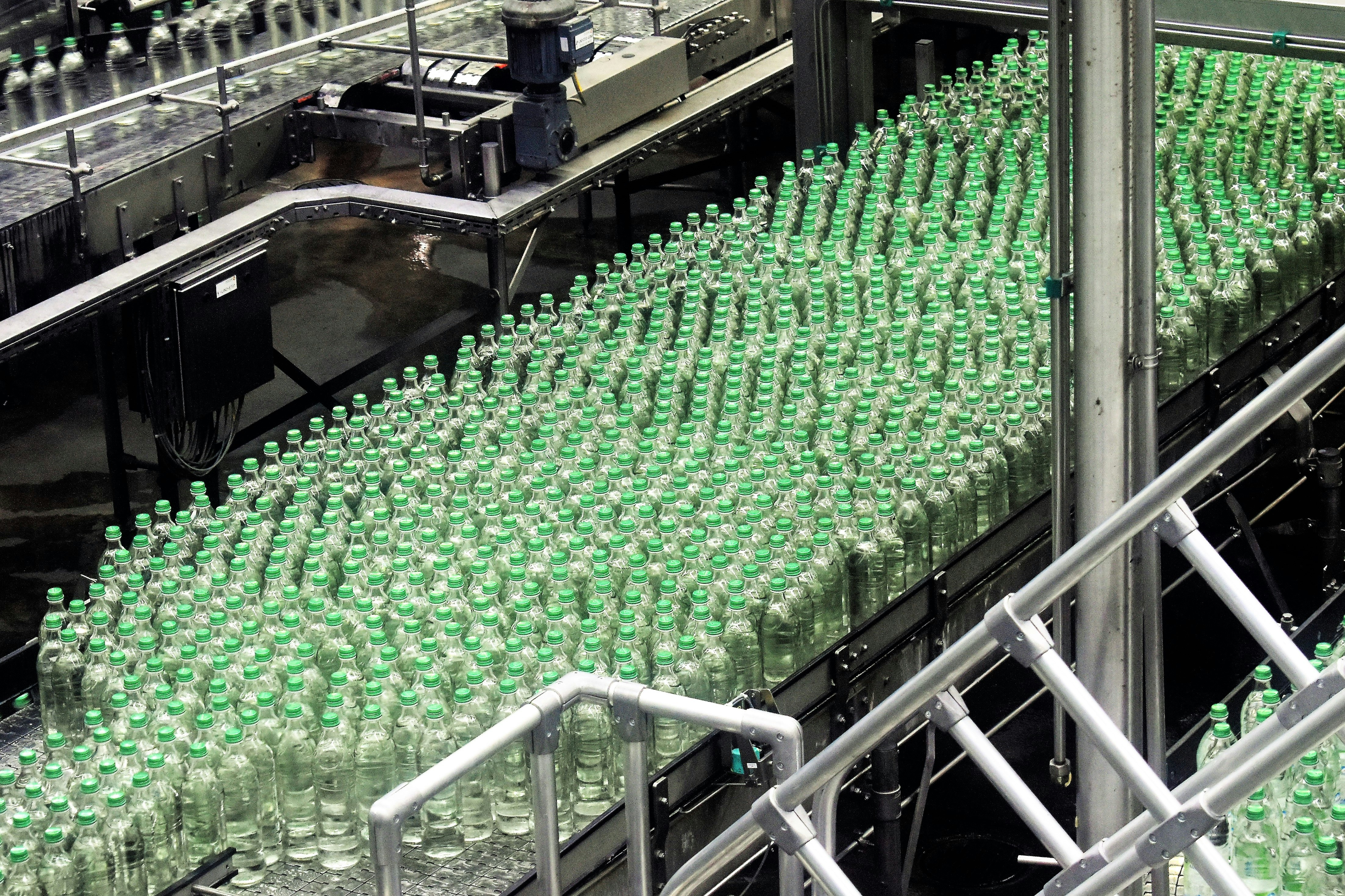
Introduction to Continuous Batching
Continuous batching represents a notable advancement in manufacturing processes, differentiating itself from traditional batching methods through its seamless, uninterrupted operation. Unlike conventional batching, where materials are processed in distinct, separate batches, continuous batching entails a relentless flow of materials, allowing for more efficient production cycles. This operational shift leads to reduced downtime and enhanced productivity, making it a preferred choice in numerous industries.
In various sectors such as the food and beverage, pharmaceuticals, and chemical industries, continuous batching is increasingly relevant. For instance, in the food industry, continuous batching can streamline the production of ingredients, enabling quick adjustments to recipes and minimizing waste. Similarly, in pharmaceuticals, it allows for consistent quality and compliance with regulatory standards, as the process can be closely monitored and controlled.
This blog post aims to provide a comprehensive overview of continuous batching. We will explore its fundamental principles, compare it against traditional methods, and discuss the myriad advantages it offers. Moreover, we will address the technology and equipment associated with continuous batching, emphasizing their importance in maintaining optimal operations.
Additionally, real-world examples of its application will be presented, thus illustrating the practical benefits of adopting continuous batching practices. By understanding the intricacies of this efficient production method, organizations can leverage its capabilities to optimize their operational processes and enhance overall output. Continuous batching not only signifies a technological evolution in manufacturing but also highlights the potential for significant improvements in efficiency and product quality.
The Basic Principles of Continuous Batching
Continuous batching represents an innovative approach to manufacturing processes, particularly in industries where efficiency and consistency are paramount. The underlying concept of continuous batching involves the uninterrupted flow of raw materials through a system, allowing for real-time production without the typical interruptions associated with traditional batch processing.
One of the foundational principles of continuous batching is the streamlined process flow. Unlike batch systems, where materials are processed in distinct, separate groups, continuous batching systems operate by blending ingredients in a constant flow. This mechanism significantly reduces the production cycle time and enhances throughput. Each component is continuously fed into the system, proportioned accurately based on predefined criteria, resulting in optimized use of resources and minimal waste.
Effective raw material handling is another critical aspect of continuous batching. In this system, raw materials must be stored and transported efficiently to maintain the momentum of production. Utilizing silos, pumps, and conveyors can ensure that materials are not only delivered consistently but also monitored for quality and quantity throughout the process. As fluctuations in material properties can affect end product quality, it becomes essential for manufacturers to select appropriate storage and transfer mechanisms that align with specific operational needs.
Additionally, integrating real-time monitoring systems into continuous batching processes is vital for achieving optimal results. These systems leverage advanced technologies, such as sensors and data analytics, to provide instant feedback on production metrics, including flow rates, temperature, and material quality. By continuously monitoring these variables, operators can easily identify any deviations from ideal conditions and make necessary adjustments to ensure consistent output quality.
Overall, understanding these core principles of continuous batching is essential for organizations seeking to enhance their operational efficiency while maintaining high product standards.
Benefits of Continuous Batching
Continuous batching represents a paradigm shift in manufacturing processes, offering several compelling benefits over traditional batch processing methods. One of the primary advantages is increased efficiency. In a continuous batching system, materials are processed in a continuous flow, minimizing downtime associated with starting and stopping production cycles. This results in higher throughput, allowing companies to meet demand more effectively and swiftly.
Another significant benefit of this method is the reduction of waste. Unlike traditional batching, where excess raw materials are often left unused at the end of a production cycle, continuous batching operates under conditions that promote optimal material utilization. This not only lessens the amount of waste generated but also contributes to more economical resource management, thus supporting companies in their sustainability initiatives.
Lower operational costs are yet another compelling argument in favor of continuous batching. By streamlining processes and reducing the labor required for setup and changeovers, businesses can realize substantial savings. Additionally, the reduction in waste directly correlates with lower costs for raw materials, allowing companies to allocate resources more strategically and invest in other essential areas.
Enhanced product consistency is also a vital benefit of continuous batching. This method facilitates precise control over production variables, leading to uniformity in the final product. Finished goods produced in a continuous process tend to maintain consistent quality, which is crucial for building customer trust and brand loyalty. As consumers increasingly seek quality assurance, adopting continuous batching can provide a competitive edge.
Ultimately, the strategic adoption of continuous batching presents a multifaceted advantage for businesses, enhancing efficiency, reducing waste, lowering operational costs, and ensuring superior product consistency, making it a worthy consideration for companies aiming to innovate.
Challenges in Implementing Continuous Batching
The transition to continuous batching from traditional batch processing poses numerous challenges for organizations. One of the primary difficulties encountered is the technical complexity inherent in adapting existing systems or integrating new technologies. Continuous batching often necessitates a complete redesign of processes, which may involve complex automation and control systems. This enhancement can overwhelm staff who are accustomed to conventional methods, presenting a critical need for appropriate training and support.
Furthermore, skilled personnel are imperative for the successful implementation of continuous batching systems. Companies may find it challenging to recruit or develop workforce capabilities that align with the advanced technological requirements. The lack of skilled operators and engineers well-versed in continuous processes can lead to delays, increased operational inefficiencies, and costly errors. Therefore, organizations must invest significantly in both recruitment and training to build a proficient team capable of managing new processes.
Another significant hurdle is the initial investment costs associated with transitioning to a continuous batching system. The financial implications can be daunting, particularly for small and medium-sized enterprises that may face budget constraints. Expenses associated with equipment upgrading, new technology acquisition, and system integration require thorough financial planning and justification. Organizations must weigh these upfront costs against the long-term benefits of enhanced efficiency and reduced production times.
Lastly, potential resistance to change within an organization can greatly hinder the successful adoption of continuous batching. Employees may be apprehensive regarding job security or reluctant to adapt to new workflows, resulting in pushback against the implementation. To effectively mitigate this resistance, leadership must communicate the benefits of the new system while fostering an inclusive environment in which employees feel supported during the transition process.
Industries Utilizing Continuous Batching
Continuous batching has emerged as a transformative approach across various industries, enabling enhanced efficiency and streamlined operations. The food and beverage sector stands out as one of the key areas where continuous batching processes are notably beneficial. By employing this method, manufacturers can maintain consistent product quality while optimizing production rates. For instance, in beverage production, continuous batching allows for swift mixing of ingredients, ensuring uniformity in taste and texture, which is essential for consumer acceptance.
Another significant industry that effectively leverages continuous batching is pharmaceuticals. In this sector, precision and consistency are paramount, as even minor variations in formulation can lead to serious consequences. Continuous batching systems provide pharmaceutical companies with the ability to produce medications that meet stringent regulatory standards while achieving high yields. The method allows for real-time monitoring and adjustments, thus improving overall process control and reducing the risk of contamination.
The chemical manufacturing industry is also a notable adopter of continuous batching techniques. This industry often requires the blending of multiple components to create a final product that meets specific chemical properties. Continuous batching facilitates the efficient mixing of raw materials, reducing the time involved in production cycles. In addition, with automated systems, manufacturers can optimize their use of resources, minimize waste, and improve safety by reducing the potential for human error during operations.
In summary, continuous batching has been embraced across a variety of sectors including food and beverage, pharmaceuticals, and chemical manufacturing, significantly enhancing operational efficiency and product quality. As industries continue to seek ways to optimize their processes, the implementation of continuous batching is likely to expand, further illustrating its importance in modern manufacturing.
Technological Innovations Supporting Continuous Batching
The advancement of continuous batching processes is significantly attributed to several technological innovations in recent years. Central to these developments are automation, the Internet of Things (IoT), and artificial intelligence (AI), which collectively enhance the efficiency and reliability of batching operations in numerous industries.
Automation has transformed traditional batching systems by integrating sophisticated machinery and control systems that minimize human intervention. These automated systems allow for precise measurements and adjustments throughout the batching process, ensuring materials are mixed according to specified formulations without the variability often associated with manual operation. Automation also streamlines the production line, reducing cycle times and increasing overall output.
The IoT has further revolutionized continuous batching by connecting devices and machinery through smart sensors and real-time data transmission. This interconnectivity enables operators to monitor processes remotely, optimize resource allocation, and detect anomalies early in the production cycle. For instance, IoT-enabled devices can transmit data on temperature, pressure, and composition, providing vital insights that facilitate real-time adjustments and improve quality control.
Additionally, artificial intelligence plays a critical role in enhancing the decision-making processes within continuous batching systems. AI algorithms can analyze vast amounts of data from the batching process to identify patterns and predict outcomes. This predictive capability allows operators to implement adjustments proactively, avoiding potential disruptions and minimizing waste. Furthermore, machine learning models can adapt to changing conditions, continually improving the batching process over time.
Incorporating these technological advancements into continuous batching systems not only enhances production efficacy but also positions companies to remain competitive in a rapidly evolving market. By embracing automation, IoT, and AI, businesses can achieve greater precision and reliability in their operations, ultimately leading to improved profitability and customer satisfaction.
Case Studies of Successful Continuous Batching Implementations
Several organizations across various industries have successfully implemented continuous batching processes to enhance their production efficiency and product quality. One notable example is a leading beverage manufacturer that faced significant challenges related to production delays and inconsistencies in product flavors. By adopting a continuous batching system, the manufacturer streamlined their ingredient mixing process, allowing for real-time adjustments based on taste testing. As a result, they reported a 20% reduction in production time and consistently high product quality, significantly increasing customer satisfaction.
Another illustrative case is that of a chemical processing company which struggled with high operational costs due to its batch production system. The transition to continuous batching enabled them to maintain a steady flow of raw materials and minimize downtime between batches. This shift not only lowered production costs by approximately 15% but also enhanced their ability to respond to market demands more swiftly. The sustainability factor was an added bonus, as continuous operations allowed for the better utilization of resources, minimizing waste.
A third example involves a prominent pharmaceutical manufacturer. This company was challenged by the cumbersome nature of batch processes, which slowed down drug development cycles. By integrating continuous batching, they could facilitate a more agile production environment, reducing the time from concept to market by nearly 30%. The enhanced flexibility allowed them to produce different formulations on the same equipment without extensive cleaning, thereby increasing throughput and reducing downtime.
These case studies underscore the diverse benefits associated with continuous batching implementations, from improved efficiency and cost savings to enhanced product quality. Each organization’s success emphasizes the potential of continuous batching to transform production processes across industries, making it a strategic choice for companies looking to remain competitive in a rapidly evolving market.
Future Trends in Continuous Batching
As industries continue to evolve, continuous batching processes are positioned for various transformative changes driven by technological advancements, sustainability concerns, and the need for increased operational agility. With the rapid development of industry 4.0 technologies, such as artificial intelligence (AI) and the Internet of Things (IoT), continuous batching systems are becoming smarter and more efficient. Integration of real-time data analytics enables real-time decision-making, empowering manufacturers to optimize their production flows and improve resource allocation.
Sustainability is another critical trend influencing continuous batching. As environmental regulations become stricter and consumer demand for sustainable products grows, manufacturers are compelled to adopt greener practices. Continuous batching systems are being designed to minimize waste and resource consumption, adopting closed-loop systems that significantly reduce environmental footprints. This trend not only meets the growing demand for eco-friendly solutions but also often results in cost savings through efficient resource management.
Furthermore, the increasing emphasis on agility in manufacturing processes cannot be overlooked. The modern market demands quick responses to changing consumer preferences, necessitating flexible production capabilities. Continuous batching presents a viable solution by allowing manufacturers to adjust their processes and formulations swiftly, thus maintaining a competitive edge. Enhanced machine learning algorithms are also anticipated to play a vital role in refining process precision and adaptability, allowing batch processes to fine-tune themselves for improved output.
Overall, the future of continuous batching appears promising. By leveraging emerging technologies, prioritizing sustainability, and fostering agile manufacturing practices, organizations can effectively navigate the complexities of modern production environments. This alignment with future trends will not only enhance operational efficiency but also contribute positively to the broader manufacturing landscape.
Conclusion and Recommendations
In this comprehensive guide, we have delved into the nuances of continuous batching, a manufacturing process distinguished by its ability to provide a steady flow of product output. Unlike traditional batch processing, continuous batching is characterized by its ongoing production cycle, where materials are continuously fed into the system. This method offers numerous benefits, including enhanced efficiency, decreased lead times, and improved product quality due to reduced variability.
For businesses contemplating the transition to continuous batching, it is crucial to assess operational needs carefully. The decision to implement this system should be based on various factors, including production scale, product complexity, and the specific industry requirements. Additionally, organizations must evaluate whether the potential reduction in labor costs and the optimization of raw materials will counterbalance the initial investment in technology and training.
Moreover, it is advisable to conduct a thorough cost-benefit analysis to understand the possible return on investment (ROI). Organizations can also benefit from piloting the continuous batching process on a smaller scale to gauge its effectiveness before a full transition. This approach allows companies to identify potential challenges and make necessary adjustments.
In summary, while continuous batching can significantly enhance operational efficiency and product consistency, businesses must carefully weigh the pros and cons in light of their individual circumstances. By doing so, they can make informed decisions that align with their manufacturing objectives, ultimately driving better outcomes in both productivity and profitability.