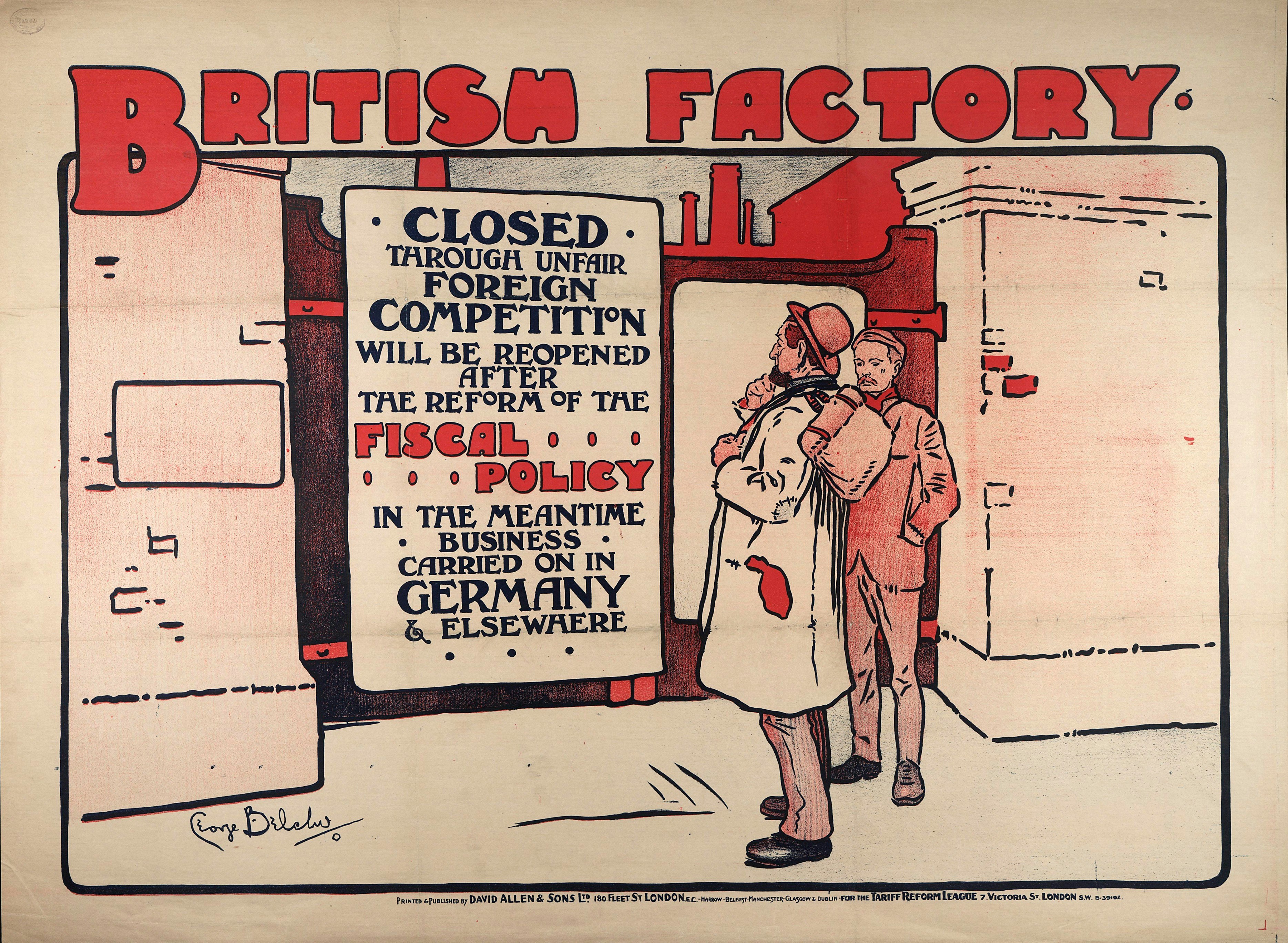
Introduction to Comparative Advantage
The concept of comparative advantage, first articulated by economist David Ricardo in the early 19th century, serves as a cornerstone of modern economic theory, particularly in the realm of international trade. At its core, comparative advantage posits that countries can benefit from trade by specializing in the production of goods and services in which they hold a relative efficiency over others. This relative efficiency is often measured by opportunity cost—the cost of forgoing the next best alternative when making a decision.
By focusing on commodities that a country can produce at a lower opportunity cost, nations can engage in trade that allows them to acquire other goods more cheaply than if they attempted to produce everything domestically. For instance, if Country A can produce wine more efficiently than cloth, while Country B is better at producing cloth than wine, they can trade to ensure both countries end up with more of both products than they would through self-sufficient economic practices. This interdependence not only strengthens the economies of the trading partners but also enhances their overall economic welfare.
The theory of comparative advantage is not just a theoretical construct; it has significant implications for global economic dynamics today. It underlines the benefits of specialization in the global marketplace and explains why countries—regardless of their resource capabilities—tend to benefit from international trade. Nations are motivated to refine their production capabilities, thus driving innovation and efficiency. As economies grow more interconnected, understanding comparative advantage becomes essential for policymakers and businesses aiming to navigate the complexities of international markets effectively. The ongoing evolution of comparative advantage in response to changes in technology, labor mobility, and global economic trends remains a pertinent topic of discussion among economists.
Theoretical Framework of Comparative Advantage
The theory of comparative advantage is a cornerstone of international trade and economic theory. It posits that nations can benefit from trade by specializing in the production of goods and services that they can produce more efficiently relative to others. At the heart of this theory lies the concept of opportunity cost, which is essential for understanding why countries engage in trade.
Opportunity cost refers to the cost of forgoing the next best alternative when making economic decisions. In the context of trade, it enables nations to evaluate their production capabilities and adjust their resources to maximize outputs. For example, if Country A can produce either 10 units of wine or 5 units of cheese, while Country B can produce 6 units of wine or 6 units of cheese, the countries have differing opportunity costs that can influence trade dynamics. Country A has a lower opportunity cost for wine, while Country B has a lower opportunity cost for cheese. Hence, by specializing and trading, both countries can achieve a higher combined production than if they tried to produce both goods independently.
Specialization becomes a catalyst for trade efficiency, enabling countries to produce at lower costs and with greater innovation. Through the lens of comparative advantage, the production of a good involves leveraging unique resources, skills, or technology to foster economic benefits. As nations identify and exploit their comparative advantages, they enhance productivity, reduce prices, and ultimately increase the variety of products available to consumers.
To illustrate further, consider how agricultural products are often produced in countries with optimal climates and farming conditions, while industrial goods may be more efficiently manufactured in nations with advanced technology and abundant labor. This dynamic illustrates the practical application of comparative advantage, whereby countries not only maximize their unique efficiencies but also benefit from engaging in international trade.
Historical Context and Development
The concept of comparative advantage, which remains a cornerstone of international trade theory, traces its roots back to early economic thought, prominently articulated by the British economist David Ricardo in the early 19th century. Ricardo introduced the principle in his seminal work, “On the Principles of Political Economy and Taxation” (1817), where he illustrated how countries could benefit from trade by specializing in the production of goods in which they had a relative efficiency. This marked a significant shift in understanding the dynamics of trade beyond absolute advantage, advocating for a more nuanced approach to global commerce.
Throughout the 19th century, as industrialization transformed economies, the practical applications of comparative advantage became increasingly evident. The rise of the British Empire, coupled with advancements in transportation and communication, facilitated an unprecedented exchange of goods. For example, Britain’s ability to produce textiles efficiently allowed it to export clothing while importing raw materials like cotton from its colonies. This symbiotic relationship not only bolstered Britain’s economy but also exemplified the transformative impact of comparative advantage on international trade patterns.
In the 20th century, the applications of comparative advantage evolved in response to changing political and economic landscapes. The establishment of institutions such as the General Agreement on Tariffs and Trade (GATT) and later the World Trade Organization (WTO) underscored the global commitment to promoting trade based on these principles. Economists have analyzed various case studies during periods such as post-World War II recovery and the rise of emerging economies in Asia, noting how these nations leveraged their comparative advantages to boost economic growth and enhance their positions in the global marketplace. These developments underscore the enduring relevance of comparative advantage, even as the complexities of global trade continue to evolve, adapting to modern challenges, including technological advancements and shifts in production capabilities.
The principle of comparative advantage, which traditionally underpins international trade by suggesting that countries should specialize in the production of goods where they have a relative efficiency, has faced significant challenges in recent years. Various factors have contributed to the decline of this economic principle, predominantly including globalization, technological advancements, shifts in labor markets, and changing consumer preferences.
Globalization has interlinked economies across the world, leading to an increase in the interconnectedness of trade. While this has opened up new markets, it has also intensified competition, allowing countries with lower production costs to dominate certain industries. This dynamic often undermines the ability of nations to maintain their comparative advantage, as production may shift rapidly to locations with the most favorable conditions.
Technological advancements have transformed various sectors, leading to significant productivity increases. Automation and artificial intelligence have started to replace traditional labor in certain industries, causing a shift in labor demand. As countries no longer rely solely on their initial advantages, the landscape of comparative advantage is continually evolving. This frequent change makes it difficult for nations to establish stable economic roles based on comparative efficiency.
Furthermore, shifts in labor markets, driven by demographic changes and the movement of people across borders, have altered production paradigms. Countries may find their traditionally abundant resources or skilled labor increasingly scarce or over-saturated. As the labor force evolves, so too do the advantages that nations previously maintained.
Lastly, changing consumer preferences, especially in the context of sustainability and ethical production, have prompted a reassessment of what constitutes value in trade. As consumers become more environmentally conscious, the appeal of cheaper, less sustainable goods diminishes, affecting the foundational principles of comparative advantage.
Impact on Global Trade and Economies
The collapse of comparative advantage represents a significant shift in the dynamics of global trade and national economies. The traditional notion of comparative advantage, which posits that countries benefit from specializing in the production of goods and services in which they are relatively more efficient, is being increasingly challenged. This change has implications for trade policies, economic growth, and the fabric of international relations.
As nations find themselves grappling with the repercussions of this collapse, trade policies are undergoing substantial revisions. The once-prevalent approach of optimizing production based on comparative advantages is being replaced by a strategies that prioritize resilience and sustainability. Countries are now recalibrating their economic policies to secure essential goods locally, thereby reducing their reliance on other nations and mitigating risks associated with global supply chain disruptions.
This realignment is not merely a defensive maneuver; it also promotes economic growth in various regions. Countries that have historically depended on imported goods may discover new opportunities for local industries to flourish. By incentivizing investment in domestic capacities and technologies, nations can foster innovation and job creation, potentially leading to an increase in overall national productivity.
Moreover, the re-evaluation of trade agreements becomes necessary as the global landscape shifts. Existing treaties may be brought into question, prompting nations to renegotiate terms that better reflect current economic realities. This may lead to more bilateral agreements, enhancing Trade with specific partners rather than relying on multilateral arrangements that previously benefited from the clear advantages outlined by comparative advantages.
In essence, the impact of the collapse of comparative advantage is multifaceted, affecting not only trade dynamics but also the broader economic context. As countries adapt to these changes, the potential for innovation and sustainable growth offers a pathway that could redefine the future of international trade.
Industries Affected by the Collapse of Comparative Advantage
The concept of comparative advantage has long served as a cornerstone in international trade theory. However, recent shifts in the global economy have led to the collapse of this principle for several key industries. This phenomenon has prompted sectors such as manufacturing, technology, and agriculture to adapt in response to evolving competitive landscapes.
In the manufacturing sector, many economies have witnessed a decline in traditional comparative advantages associated with low production costs. For example, countries like China, once regarded as the frontrunners in textile manufacturing, have begun facing challenges due to rising labor costs and regulatory changes. Businesses are now forced to rethink their strategies and seek automation and technological integration as alternative routes to remain competitive.
The technology industry has also experienced a shift resulting from the collapse of comparative advantage. It is now evident that expertise is distributed unevenly across various regions, making it imperative for organizations to establish strategic partnerships. As knowledge becomes a key differentiator, firms are leveraging global talent pools and reshaping their operational frameworks to foster innovation and expedite development cycles.
Furthermore, agriculture has been significantly impacted, particularly in terms of market dynamics and resource management. As environmental concerns gain prominence, sustainable practices are creating new challenges for traditional agricultural models rooted in comparative advantage. Farmers are increasingly encouraged to diversify crops and explore alternative markets to mitigate risks associated with global price fluctuations and changing consumer preferences.
In conclusion, the collapse of comparative advantage compels industries to reassess their operational and strategic paradigms. The ability to pivot, embrace technological advancements, and adopt sustainable practices has never been more critical for maintaining competitiveness in today’s global marketplace.
The Role of Technology and Innovation
In recent years, technological advancements and innovations have substantially reshaped the landscape of comparative advantage. Traditional economic theories posited that countries and businesses naturally specialize in producing goods and services for which they have a relative efficiency. However, the rapid integration of automation and artificial intelligence has significantly disrupted these conventional frameworks. Today, industries are increasingly leveraging cutting-edge tools and systems to enhance productivity and redefine operational strategies.
Automation has enabled companies to streamline their processes, allowing for increased output with lower labor costs. As machines and algorithms take over repetitive tasks, the human workforce shifts towards higher-value activities that require creativity and critical thinking. This shift necessitates a reevaluation of comparative advantage, as nations that once thrived on low-cost labor may find themselves at a disadvantage if they do not adapt to these technological changes.
Artificial intelligence also plays a crucial role in transforming comparative advantages. AI-driven analytics enable businesses to identify market trends and consumer preferences with greater accuracy. This capability allows firms to pivot quickly, ultimately leading to personalized services and products that can outpace those of competitors relying on traditional methods. Furthermore, digital transformation has opened new markets and opportunities for companies globally, complicating the previously rigid definitions of comparative advantage.
As organizations adapt to these technological shifts, it is clear that innovation will determine which entities thrive in the evolving landscape. Companies must invest in technology and continuously innovate to maintain or gain competitive footing. The ability to harness technological advancements has become a vital characteristic of resilient businesses, further blurring the lines of traditional comparative advantages.
Policy Responses and Strategic Implications
The collapse of comparative advantage poses significant challenges to global trade, necessitating robust policy responses from governments and international organizations. One critical response is the reevaluation of trade policies. In light of shifting economic landscapes, countries might need to adopt more flexible trade policies that allow for adaptive measures in response to the changing dynamics of production and competitiveness. This could involve renegotiating trade agreements to better reflect current realities, thus ensuring that nations can maintain their competitive positions in a rapidly evolving market.
Moreover, international organizations play a pivotal role in facilitating discussions and agreements that recalibrate standards and regulations across countries. By promoting cooperation and collaboration, they can help mitigate the repercussions of the collapse of comparative advantage. For instance, fostering partnerships to enhance knowledge sharing and technology transfer can bolster collective competitiveness across nations, allowing them to adapt more effectively to economic changes.
Economically, reforming domestic policies to enhance competitive advantages is integral to addressing the collapse of comparative advantage. This could involve investing in education and skills development, thus preparing the workforce for emerging sectors that may become more prominent. Furthermore, governments could focus on supporting innovation and research initiatives that lead to new technologies and industries, ensuring that nations remain competitive on a global scale.
Furthermore, creating a favorable business environment through regulatory reforms and improved infrastructure can attract investments and drive economic growth. Strategic implications for international relations also emerge from these policy responses, as nations cooperate more closely to tackle shared challenges. Such a collaborative environment can lead to stronger alliances and trade relationships, ultimately fostering a more resilient global economy capable of withstanding shocks related to the collapse of comparative advantage.
Future Outlook and Conclusion
The concept of comparative advantage has long underpinned the theory of international trade, guiding countries in how to specialize and engage in economic activities. However, the landscape of the global economy is evolving rapidly due to technological advancements, geopolitical tensions, and societal shifts. The future of comparative advantage is uncertain, prompting a need for continuous reassessment of its relevance and application. As nations navigate this changing environment, recognizing the limitations of traditional economic models becomes increasingly crucial.
The collapse of comparative advantage suggests that countries may no longer retain distinct, long-lasting competitive edges in specific industries. Instead, a more fluid approach to trade may emerge, where adaptability and innovation take precedence over rigid comparative frameworks. Policymakers must, therefore, focus on fostering resilience through diversified supply chains, investing in technology, and enhancing workforce skills to meet dynamic market demands.
Moreover, the potential for new models of trade offers exciting opportunities. Collaboration on a global scale can lead to shared benefits, particularly in sustainable practices and equitable resource distribution. Engaging in bilateral or multilateral agreements that prioritize technology transfer and knowledge sharing could pave the way for redefined economic synergies and success in a multi-faceted global market.
In conclusion, as the traditional pillars of comparative advantage show signs of weakening, it is imperative for nations to embrace flexibility and innovation. By preparing for a future where competitive advantages may be transient, countries can better position themselves to adapt to challenges and seize emerging opportunities in an interconnected economic landscape.