Introduction to AI in Software Development
Artificial Intelligence (AI) has increasingly become a catalyst for transformation across various sectors, with software development emerging as a significant domain where its impact is profoundly felt. AI technologies, including machine learning and natural language processing, are now widely utilized within the software development lifecycle, enabling developers to enhance productivity and improve code quality.
One of the most notable applications of AI in this field is in code generation. AI-driven tools can analyze existing codebases and suggest code snippets, which not only expedites the development process but also minimizes human error. These tools leverage vast datasets, including open-source repositories, to learn patterns and thereby generate code that meets specified requirements, making them invaluable for modern developers.
Additionally, AI plays a crucial role in bug fixing, wherein it can automatically detect vulnerabilities or inconsistencies in code. By analyzing historical code changes and error patterns, AI algorithms can suggest relevant fixes and even implement them autonomously in some cases. This capability significantly reduces the time and effort required in testing stages, allowing developers to focus more on creative aspects of their projects.
Moreover, AI enhances the quality of code reviews. AI systems can assist in identifying code quality issues, ensuring adherence to coding standards, and providing suggestions for improvement. These reviews facilitate a more consistent and efficient coding practice, which is essential in collaborative environments where multiple developers contribute to a project.
As we delve deeper into this subject, it becomes crucial to estimate the percentage of pull requests (PRs) that may be AI-generated. This estimation will provide insights into the evolving relationship between AI technologies and software development, highlighting the extent to which these innovations are reshaping the landscape of programming.
Understanding GitHub Pull Requests (PRs)
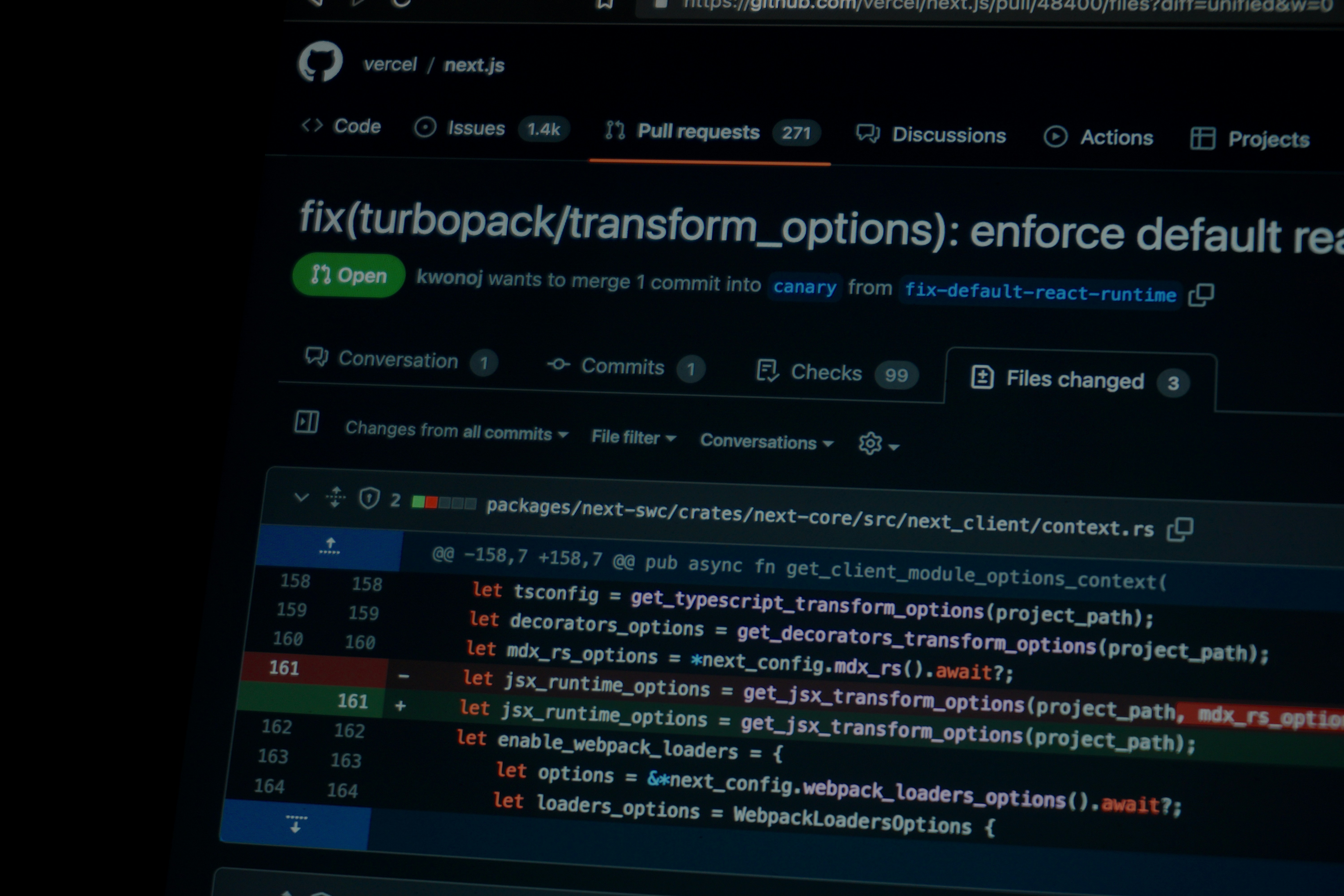
GitHub Pull Requests (PRs) are a fundamental feature of the GitHub platform, allowing developers to propose changes to a codebase. When a developer wants to make changes, they create a branch and submit a pull request to the repository owner, indicating the modifications made. This process is crucial in collaborative coding projects, as it facilitates code review before changes are merged into the main codebase. In essence, PRs serve as a bridge between individual contributions and the collective effort of the development team.
The significance of pull requests extends beyond mere code integration; they are a vital component of the software development lifecycle. PRs enable team members to review code, discuss implementation strategies, and ensure that any alterations align with the project’s overall objectives. This collaborative approach not only improves code quality but also fosters knowledge sharing among team members, as developers often leave comments and ask questions regarding the code changes proposed in a PR.
There are various types of contributions that can arise from PRs, such as fixing bugs, adding new features, refactoring existing code, or enhancing documentation. Each type of contribution is crucial for the ongoing evolution of software projects, as they address different aspects of development. Furthermore, measuring the percentage of AI-generated PRs becomes increasingly relevant in today’s technological landscape. Understanding the extent of AI involvement in creating these contributions can provide insights into the capabilities of AI systems, influence developer workflows, and potentially revolutionize how collaborative coding is approached.
Current State of AI in Code Generation
The landscape of AI in software development has recently transformed with the emergence of advanced code generation tools. Prominent among these are OpenAI’s Codex and GitHub Copilot, each offering distinct capabilities aimed at enhancing coding efficiency. These tools leverage powerful machine learning algorithms to assist developers in various stages of the coding process. Codex, for instance, can understand and generate code snippets based on natural language prompts, which allows developers to articulate their requirements in plain English.
GitHub Copilot works similarly, integrating directly into the development environment and providing context-aware code suggestions as the developer types. This real-time assistance can significantly speed up the coding process and reduce the likelihood of errors by offering syntax suggestions or boilerplate code. Moreover, both tools support multiple programming languages, making them versatile solutions for diverse coding tasks.
Despite their strengths, these AI-powered tools are not without limitations. The accuracy of the generated code can vary widely depending on the complexity of the request and the completeness of the training data, which influences how well the AI understands the context. There are instances where these tools may produce insecure or inefficient code, necessitating a seasoned developer’s oversight to evaluate and refine the outputs. Additionally, integration of such AI systems with existing development workflows may require adjustments in team practices, ensuring that developers can fully leverage these innovations while maintaining productivity.
Incorporating AI into the software development process heralds a new era, enabling developers to achieve greater efficiency and fostering innovation. However, it is essential to approach these tools with a nuanced perspective, acknowledging both their potential benefits and their current limitations as we navigate the evolving landscape of AI in code generation.
In recent years, there has been an increasing interest in understanding the role of artificial intelligence (AI) in software development, particularly in evaluating the contribution of AI-generated content in pull requests (PRs) on platforms like GitHub. Methodologies employed to estimate the percentage of AI-generated PRs often involve a combination of data analysis, machine learning techniques, and qualitative assessments. Various studies have been conducted to gather insights into how AI can assist developers in writing code and the extent to which this assistance translates into actual code contributions.
One of the primary methodologies involves analyzing historical PR data to identify patterns of code changes and contributions attributed to AI interventions. For instance, researchers often utilize natural language processing to assess the textual descriptions of PRs, comparing them against known AI-generated outputs. Machine learning models can then predict the likelihood of a PR being AI-generated based on various features, such as the complexity of the code changes and the specific languages used.
Several factors influence the evaluation of AI’s contribution to PRs. One significant aspect is the complexity of tasks involved in software development. More straightforward tasks, like fixing bugs or adding minor features, often provide a higher percentage of AI-generated contributions, while complex tasks that require abstract thinking and design skills may see minimal AI involvement. Another crucial element is the experience level of developers. Less experienced developers may rely more heavily on AI tools for code suggestions and completions compared to seasoned professionals who might prefer more traditional coding methods.
Finally, the type of code being written also affects AI’s contribution. Legacy codebases or specific projects with unique requirements may yield fewer AI-generated PRs than modern projects that encourage the use of cutting-edge tools. As these methodologies continue to evolve, the insights gained are essential for understanding the broader impact of AI in software development.
Real-World Examples of AI-Generated PRs
The implementation of AI technologies into software development workflows has initiated a paradigm shift, particularly visible within platforms like GitHub. Numerous real-world cases illustrate the growing prevalence of AI-generated pull requests (PRs). One notable example is the use of OpenAI’s Codex by developers to automate repetitive coding tasks. Codex assists developers by translating natural language requirements into actual code snippets, which are then submitted as PRs. This capability has allowed teams to streamline their processes, allowing more time for innovation rather than mundane coding.
Another pertinent case involves a project called DeepCode, which utilizes machine learning algorithms to analyze existing codebases and generate recommendations or entire code functions. Developers have reported that utilizing DeepCode’s insights led to the automatic generation of PRs that not only implemented suggested changes but also corrected vulnerabilities in legacy code. The workflow is indicative of how AI tools are being leveraged to enhance both code quality and security, showcasing a highly beneficial collaboration between human developers and AI systems.
The reception from the development community has generally been positive, as many view the integration of AI tools as a valuable enhancement to their workflow rather than a threat to their roles. Feedback from developers indicates that these AI-augmented PRs often reduce the incidence of errors and improve productivity, fostering a culture of acceptance and innovation. However, there remains a cautious stance among some developers regarding the reliability and maintainability of AI-generated code. They express the importance of human oversight and code review processes to ensure quality assurance, especially for critical projects.
In conclusion, the rise of AI in software development, particularly through the generation of PRs, is evident in various real-world examples. Such innovative tools have proven themselves not only to assist in increasing productivity but also in improving code quality. As AI continues to evolve, its role in development workflows is likely to expand further, making it an indispensable element in future software engineering practices.
Challenges and Limitations of AI in Pull Requests
As artificial intelligence continues to gain traction in software development, particularly in generating pull requests (PRs), several challenges and limitations persist. One of the most significant hurdles is the AI’s capability to understand context. While AI can analyze patterns and code snippets, it may struggle to comprehend the intricacies of specific programming scenarios. Understanding the context involves not only recognizing the syntax but also grasping the logic and intent behind the code changes. This shortcoming can lead to inaccuracies and misinterpretations, undermining the utility of AI-generated PRs.
Another critical challenge lies in ensuring code quality. AI, even when trained on extensive datasets, may occasionally produce suboptimal or erroneous code that does not adhere to best practices or coding standards. Furthermore, AI systems can sometimes prioritize speed over accuracy, generating PRs with unresolved bugs or vulnerabilities. This risk becomes pronounced when dealing with complex codebases where the implications of seemingly minor changes can be substantial.
Additionally, handling edge cases poses another limitation for AI in PR generation. Many software development projects encounter unique and unexpected scenarios that require nuanced solutions. An AI model, trained on historical data, might not effectively predict or respond to these anomalies, potentially leading to further complications in the code. In cases where the AI-generated solution fails to address these edge cases, developers must invest extra time to manually refine the code, thus negating some efficiencies gained through automation.
Maintaining human oversight remains paramount in the AI-assisted development landscape. Experts assert that while AI can augment programming efforts, it should not replace human intuition and judgment. Human programmers are essential in reviewing and validating AI-generated contributions, ensuring that they align with project goals and quality expectations. Balancing AI capabilities with human expertise is vital in overcoming these challenges, allowing for a more effective integration of AI in the software development process.
Future Trends: The Evolution of AI Contribution in Software Development
As we look ahead, the influence of artificial intelligence (AI) on software development is poised to undergo significant transformation. The continued evolution of machine learning, natural language processing, and deep learning algorithms will likely augment the ability of AI systems to contribute to code generation and the management of pull requests (PRs) on platforms like GitHub. With these advancements, AI tools are expected to produce increasingly sophisticated code solutions, thereby enriching the software development lifecycle.
Emerging technologies, such as reinforcement learning, are anticipated to empower AI systems to learn from past contributions and optimize their code generation capabilities. This means that, as AI systems analyze extensive repositories of existing code, they could develop an understanding of coding standards, styles, and best practices. Consequently, the relevance and quality of AI-generated contributions to ongoing software projects could substantially improve, leading to enhanced collaboration between human developers and AI tools.
Moreover, advancements in AI model architectures may lead to the creation of more contextual and situation-aware systems that can adapt their code suggestions based on the specific requirements of a project. This would significantly impact the way PRs are generated, enabling developers to receive personalized, contextually relevant code snippets and solutions, thereby streamlining the software development process.
The anticipated impact of these advancements on the software industry is profound. As AI-generated PRs become more common, developers will find themselves shifting from traditional coding tasks to more strategic roles, focusing on design, architecture, and decision-making. This shift could pave the way for new job roles that emphasize the collaboration between human ingenuity and AI contributions, fostering a more innovative and efficient software development environment.
Surveys and Data: Collecting Insights from Developers
The adoption of artificial intelligence (AI) in software development has been a topic of significant interest among professionals in the field. Recent surveys shed light on the perceptions of developers regarding AI-generated code and its potential impact on their workflows. A major survey conducted by Stack Overflow revealed that nearly 40% of developers have utilized AI-powered coding assistants. This statistic underscores a growing acceptance of AI tools within the developer community, particularly for tasks such as code generation and debugging.
Furthermore, the survey highlighted that approximately 70% of respondents believe that AI-generated code can be beneficial, especially in terms of productivity and efficiency. Developers emphasized that AI-assisted coding reduces the time spent on repetitive tasks, allowing them to focus on more complex problems. Notably, over 60% of participants expressed a willingness to integrate AI tools into their development processes, indicating a broad enthusiasm for technological advancement in the field.
In another research study conducted by GitHub, findings suggested that about 55% of developers are open to adopting tools that generate pull requests (PRs), citing ease of use as a primary factor. They believe that AI can aid them in maintaining coding standards and ensuring best practices in collaborative environments. Furthermore, a considerable proportion of developers reported that they have experienced or heard positive anecdotes about collaboration with AI in various development tasks.
Overall, the insights gleaned from these surveys present a compelling picture of the current attitudes among developers towards AI in software development. The favorable perceptions towards AI-generated code could imply a future where the integration of AI tools continues to evolve, making them an indispensable asset for developers aiming to optimize their workflows.
Conclusion: The Potential Impact of AI on GitHub PRs and Software Development
Throughout this discussion, we have explored the evolving role of artificial intelligence (AI) within the software development landscape, particularly focusing on how it can influence the generation of pull requests (PRs) on platforms like GitHub. The integration of AI tools into the coding workflow signifies a profound shift in traditional development practices, enhancing efficiency and potentially reshaping collaboration methods among developers. As AI continues to advance, the tools and technologies available for automating aspects of software development will undoubtedly grow in sophistication and capability.
The estimation of the percentage of GitHub PRs that could be AI-generated presents an intriguing perspective on the future of coding. As AI tools become more adept at understanding and generating code, the possibility of automating repetitive tasks will likely lead to a significant increase in AI-contributed PRs. Such a shift could reduce the burden on human developers, allowing them to focus on more complex problem-solving and strategic tasks which require creativity and critical thinking — areas where human cognition still outperforms machines.
However, it is essential to acknowledge that while AI can augment and streamline the software development process, the need for human oversight remains paramount. Developers must actively review AI-generated code to ensure quality, security, and compliance with project standards. The balance between leveraging AI’s capabilities and maintaining a rigorous human touch is crucial to achieving optimal outcomes in software development. As we move forward, embracing AI should be done in conjunction with a commitment to preserving the integrity and oversight of the development process.