Introduction to Specialized AI Agents
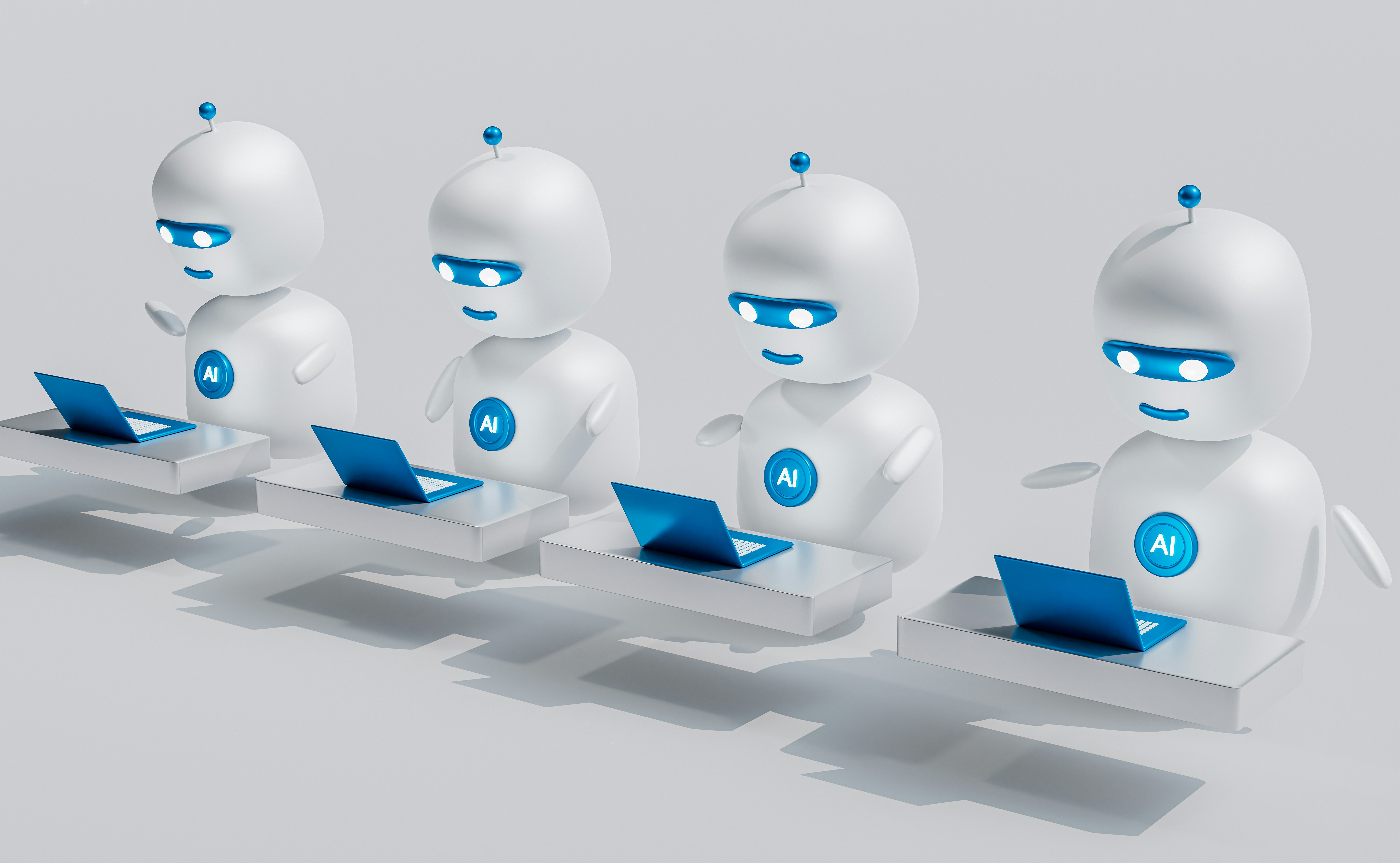
As technology continues to evolve, the concept of artificial intelligence (AI) has expanded significantly. Among the various classifications of AI, specialized AI agents stand out as tailored systems designed to perform specific tasks. Unlike general AI, which aims to mimic human intelligence across multiple domains, specialized AI agents focus on narrow applications, providing targeted assistance to knowledge workers. This distinction is crucial as it allows for enhanced efficiency and productivity in specific tasks.
Specialized AI agents are equipped with advanced algorithms and machine learning capabilities that enable them to process large volumes of data, identify patterns, and deliver insights relevant to their designated functions. For instance, in fields such as finance, specialized AI agents can analyze market trends and predict stock movements, assisting financial analysts in making informed decisions. In healthcare, they can support medical professionals by analyzing patient data, thereby improving diagnosis and treatment outcomes.
The intended function of specialized AI agents is to augment the capabilities of knowledge workers by automating repetitive tasks, providing data-driven insights, and facilitating decision-making processes. This technological integration is designed to free up time for professionals, allowing them to focus on more strategic and creative aspects of their work. By leveraging specialized AI agents, organizations can increase operational efficiency and drive innovation within their sectors.
As we navigate the future of work, understanding specialized AI agents becomes increasingly important. Their deployment has the potential to reshape the workplace dynamics and redefine the roles of knowledge workers, prompting discussions about the future workforce and the evolving landscape of labor.
The Evolution of AI in the Workplace
The integration of artificial intelligence (AI) into workplace settings has evolved significantly over several decades, reflecting technological advancements and changing workforce needs. In the early stages, AI was mainly utilized for basic automated tasks, such as data entry and simple calculations, which laid the foundation for its broader applications. Businesses recognized that AI could enhance productivity by minimizing human errors and expediting routine processes.
As the technology progressed, AI systems began to incorporate more sophisticated algorithms capable of learning from data. This shift occurred in the late 20th century with the advent of machine learning. Organizations began leveraging AI for analytics, allowing them to gain insights from large datasets. For instance, predictive analytics tools emerged, enabling companies to forecast trends and make informed decisions. These analytics capabilities significantly improved operational efficiency and resource allocation.
Into the 21st century, the introduction of artificial intelligence into communication tools marked a pivotal moment. Virtual assistants and chatbots became prevalent, changing how businesses interacted with clients and customers. Employees benefited from reduced workloads as automated systems handled customer inquiries and administrative tasks, permitting knowledge workers to focus on higher-value responsibilities.
Today, AI continues to advance with the emergence of specialized agents tailored for specific functions, such as project management and customer support. These contemporary AI systems do not merely perform repetitive tasks; they are gradually beginning to understand context and execute complex problem-solving tasks. The growing reliance on AI showcases its transformative impact on productivity and efficiency, indicating a highly collaborative relationship between knowledge workers and these intelligent systems.
The trajectory from simple automation to advanced cognitive capabilities illustrates the continually evolving role of AI in workplaces. It raises important questions about the future dynamics of human-AI collaboration, particularly as new tools are expected to emerge by 2026.
Current Use of AI by Knowledge Workers
The integration of artificial intelligence (AI) into the workflows of knowledge workers has markedly transformed the landscape of professional tasks. According to a recent survey conducted by McKinsey, approximately 50% of knowledge workers reported using AI tools to handle various aspects of their job responsibilities, indicating a significant shift in how tasks are approached and executed.
One notable example includes the use of AI-driven data analysis tools, which allow knowledge workers to efficiently sift through enormous datasets. These tools not only expedite the process of data interpretation but also enhance the accuracy of the insights derived. For instance, companies like Accenture have reported a 30% increase in productivity among teams that adopted AI-based analytics platforms, leading to more informed decision-making processes.
Despite these advancements, the transition to AI-supported workflows is not without its challenges. Knowledge workers often face a steep learning curve associated with the tools. Reports from research institutions indicate that about 60% of employees feel overwhelmed by the rapid integration of AI technologies into their environments. Additionally, concerns regarding data privacy and ethical use of AI remain prevalent. Many knowledge workers express apprehensions about how their data may be utilized or misused by AI systems.
Furthermore, the benefits of incorporating AI tools into daily tasks extend beyond productivity. Workers have noted improvements in job satisfaction, as AI can alleviate repetitive and mundane tasks, allowing for greater focus on strategic initiatives and creative problem-solving. Nevertheless, the engagement with AI requires an ongoing commitment to skill development, as staying updated with new technologies can dictate ongoing relevance in a rapidly evolving job market.
The Five Specialized AI Agents: An Overview
As the workplace evolves, knowledge workers are beginning to recognize the potential of specialized AI agents to enhance productivity and streamline complex tasks. By 2026, five distinct AI agents are anticipated to gain prominence across various sectors, each designed with unique capabilities tailored to specific functions.
The first agent, known as the “Information Curator,” focuses on data management by efficiently gathering, organizing, and presenting relevant information from vast databases. This AI agent can sift through enormous volumes of data, highlight trends, and deliver actionable insights, significantly reducing the time knowledge workers spend on research and analysis.
Next is the “Virtual Collaboration Facilitator,” which aims to improve teamwork and communication among remote and hybrid work settings. This agent utilizes advanced algorithms to enhance virtual meetings, suggest optimal collaboration times, and even analyze team dynamics, making it easier for knowledge workers to engage effectively, regardless of their physical locations.
The third agent is the “Task Automation Specialist,” designed to handle repetitive and time-consuming tasks. From scheduling meetings to generating routine reports, this AI agent frees up valuable time for knowledge workers, empowering them to focus on more strategic and creative aspects of their roles.
Fourth is the “Personalized Learning Advisor,” which tailors professional development strategies to individual employee needs. This agent analyzes skills gaps, recommends relevant training resources, and fosters continuous learning, ensuring knowledge workers remain competitive in an ever-changing job market.
Lastly, the “Decision Support Assistant” plays a crucial role in facilitating informed decision-making. By aggregating data insights, providing risk assessments, and generating scenario analyses, this AI agent serves as a valuable resource for knowledge workers faced with complex choices, thus enhancing strategic planning processes.
Potential Benefits of Adopting Specialized AI Agents
The integration of specialized AI agents into the workflows of knowledge workers stands to yield numerous benefits that enhance both productivity and innovation. One of the most significant advantages is the substantial improvement in efficiency. AI agents can automate repetitive tasks, allowing knowledge workers to allocate their time to more strategic initiatives. For instance, rather than spending hours on data entry or preliminary analyses, workers can utilize AI tools to rapidly process information, thereby freeing up time for high-value activities that require human intuition and creativity.
Moreover, decision-making processes can be considerably enhanced through the deployment of these advanced AI systems. By leveraging vast datasets, specialized AI agents offer insights and predictive analytics that empower professionals to make informed choices. Real-world applications include AI-driven business intelligence platforms that analyze market trends, helping companies to refine their strategies and seize emerging opportunities.
Collaboration is another area where specialized AI agents can effectuate change. These tools can facilitate seamless communication and project management among teams, fostering an environment of collective problem-solving. For instance, AI tools like project management systems help in tracking progress and coordinating efforts, significantly improving group dynamics and accountability.
Additionally, the adoption of specialized AI agents encourages innovation by providing knowledge workers with advanced resources that spark creative ideas. They can offer recommendations based on historical data and contemporary market demands, thereby assisting workers in conceptualizing new projects or products more effectively. A relevant example is in the field of drug discovery, where AI agents are helping pharmaceutical companies identify potential compounds faster than traditional methods.
Challenges and Concerns Regarding AI Adoption
The adoption of specialized AI agents by knowledge workers presents numerous challenges and concerns that must be critically evaluated. One of the foremost issues is data privacy. Organizations are increasingly tasked with safeguarding sensitive information, and the integration of AI systems can amplify these risks. Knowledge workers often handle confidential data, making it essential for businesses to establish robust privacy protocols to prevent data breaches and ensure compliance with regulations such as GDPR.
Another prevalent concern is the fear of job displacement. As AI technology continues to advance, there is a palpable anxiety among employees about being replaced by automated systems. Knowledge workers may worry that their roles will diminish in significance or become obsolete, leading to resistance against the implementation of AI solutions. It is crucial for organizations to provide clear communication and support during this transition period to alleviate fears and demonstrate how AI can complement human skills rather than replace them.
A significant challenge related to AI adoption is the technological literacy gap. Not all knowledge workers possess the same level of familiarity with advanced technologies. This disparity can hinder effective implementation, as employees may lack the skills needed to effectively utilize specialized AI agents. Organizations have a responsibility to invest in training and development programs that enhance tech literacy, thereby empowering their workforce to embrace new technologies confidently.
Finally, the quality of AI-generated outputs poses another concern. Knowledge workers may remain skeptical about the reliability and accuracy of AI-driven recommendations or content. Ensuring that the AI systems are fine-tuned and verifying their outputs through human oversight is vital. For these systems to gain trust among users, they must consistently deliver high-quality results that are on par with or surpass human capabilities, addressing the apprehensions surrounding their role in the workplace.
Predictions for 2026: Market Trends and Adoption Rates
As we project towards 2026, the landscape of knowledge work is poised for significant transformation through the integration of specialized AI agents. Various market trends indicate a growing reliance on these technologies, driven by their potential to enhance productivity and streamline complex workflows. Recent studies suggest that nearly 40% of organizations plan to adopt specialized AI agents within the next three years, pointing to a robust acceleration in user acceptance and implementation.
The primary factors influencing the adoption rates include advancements in AI technology, user-friendly interfaces, and a deeper understanding of the AI’s capabilities among knowledge workers. Improvement in natural language processing and machine learning algorithms suggests that specialized AI agents will become increasingly capable, allowing them to handle more complex tasks. Knowledge workers are likely to embrace these agents as they provide tailored solutions for data analysis, project management, and decision-making processes, all integral to effective knowledge work.
Furthermore, the economic landscape plays a vital role in the pace of adoption. As businesses navigate challenges such as talent shortages and operational efficiencies, the attractiveness of AI solutions grows. Companies that implement these agents stand to gain a competitive edge not only through cost savings but also by reimagining how tasks are performed. However, obstacles remain; resistance to change among employees and concerns surrounding data security may hinder rapid deployment. The success of AI integration will heavily depend on adequate training and change management strategies designed to alleviate anxiety around these advancements.
Ultimately, the projected adoption rates by 2026 underscore a pivotal shift in the workplace that will redefine roles for knowledge workers. As AI agents mature, their ability to automate low-level tasks will free up human intelligence for strategic thinking and creative problem-solving, heralding a new era in knowledge work.
Case Studies of Successful Implementations
The integration of specialized AI agents into organizational workflows presents a compelling case for enhancing productivity and efficiency among knowledge workers. One prime example is the implementation by a prominent customer relationship management (CRM) firm, which integrated AI-driven chatbots to handle customer inquiries. This initiative resulted in a 30% reduction in response time and a staggering 50% increase in customer satisfaction scores. These chatbots, designed with natural language processing capabilities, enabled the company to streamline communication and allocate human resources to more complex cases.
Another noteworthy case is a financial services company that adopted predictive analytics powered by AI agents. By analyzing vast datasets, these agents provided insights on market trends, enabling data-driven decision-making. Within six months of implementing this system, the firm reported a 25% increase in forecast accuracy, enhancing their strategic positioning in the competitive landscape. Furthermore, this AI integration significantly reduced the workload on analysts, giving them more time for high-level strategic initiatives.
In the healthcare sector, a hospital network employed AI agents to assist in electronic health record (EHR) management. These agents automatically categorized patient records and flagged anomalies, reducing the administrative burden on medical professionals. As a result, the organization experienced an impressive 40% reduction in time spent on data entry tasks, which allowed healthcare providers to focus more on patient care. This case demonstrates how specialized AI agents can transform workflows in highly regulated environments where precision and efficiency are paramount.
These illustrative case studies underscore the profound impact of specialized AI agents in enhancing organizational performance. By implementing AI technologies thoughtfully and strategically, organizations are not only witnessing measurable improvements in productivity but also fostering a culture of innovation and adaptability that is essential in the evolving landscape of work.
Conclusions and Future Directions
As we look toward the future of work, it is evident that the integration of specialized AI agents is poised to play a pivotal role in the professional landscape by 2026. Knowledge workers are likely to benefit significantly from these advanced tools, which can streamline processes, enhance productivity, and support decision-making. The potential for these AI agents to undertake repetitive tasks allows knowledge workers to focus on more strategic and creative aspects of their roles, fostering a more dynamic and fulfilling work environment.
Moreover, the relationship between knowledge workers and AI is expected to evolve into a collaboration rather than a rivalry. Understanding this symbiotic relationship will be crucial for organizations striving to harness the power of AI while ensuring that their workforce is equipped to adapt to these changes. Knowledge workers must embrace new skills and approaches to work alongside AI effectively, ensuring that they remain relevant and valuable in their respective fields.
Ongoing research and development in this area will be imperative to fully understand the implications of this technology on knowledge work. Areas that warrant further exploration include the ethical considerations of AI in the workplace, the impact on job satisfaction and roles, and the ways to facilitate seamless integration of AI agents into existing workflows. Investigating these aspects will not only inform strategy but also prepare organizations for the challenges that lie ahead as technology continues to advance.
In conclusion, the future holds immense possibilities for knowledge workers who embrace specialized AI agents. With the right approach to integration and adaptation, these technologies can greatly enhance productivity and creativity in the workplace, ultimately leading to a more innovative work environment by 2026.