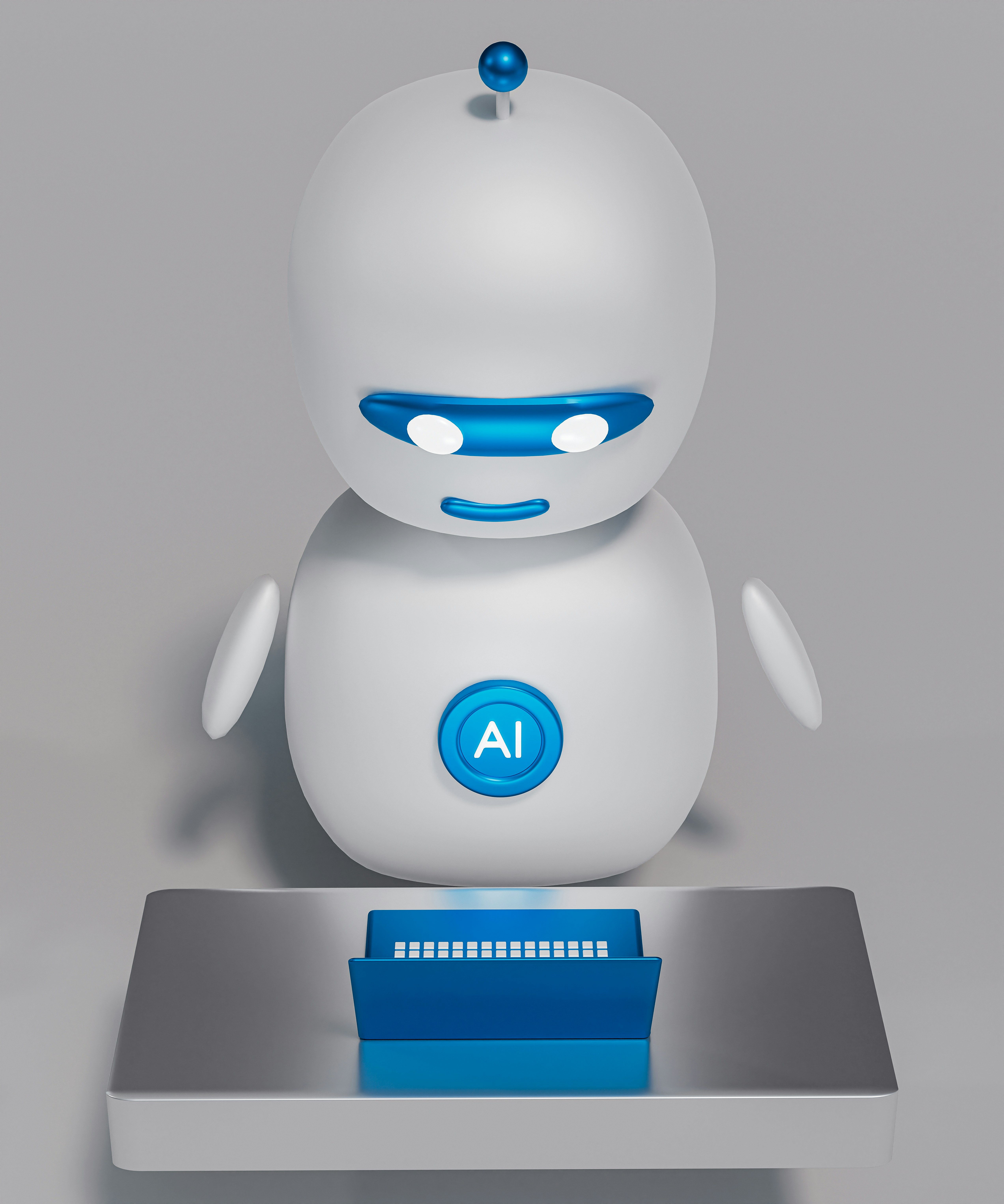
Introduction to AI Personalities in Enterprises
Artificial intelligence has witnessed remarkable advancements over the past few years, and one of the most intriguing developments is the emergence of AI agent personalities. These personalities refer to the tailored characteristics and behavioral patterns that AI systems adopt to enhance their interactions with humans. In enterprise settings, AI agent personalities are increasingly recognized for their potential to improve user engagement, enhance communication, and foster a more comfortable environment for employees and customers.
As businesses seek to create more relatable and human-like interactions through technology, the personalization of AI interactions has become a focal point. Current trends indicate that enterprises are exploring ways to integrate emotional intelligence and personality traits into their AI solutions. This is evident in many customer-facing applications, where digital assistants and chatbots are designed with specific tones, styles, and personas to meet the needs of diverse user demographics.
The growing interest in developing customizable AI personalities can be attributed to the realization that humanizing technology facilitates better connections with users. By giving AI agents distinct personalities, employers can tailor the experience to align with their company values and enhance brand identity. Moreover, as AI becomes an integral part of the enterprise ecosystem, fostering relatability through AI personalities can significantly impact customer satisfaction and employee productivity.
AI personalities offer the potential for deeper interpersonal connections, making technology not just a tool but an interactive entity that resonates with human emotions. As we look towards mid-2026, widespread adoption of these customizable AI personalities in enterprises may redefine how technology is integrated into daily business operations, transforming the workspace into a more dynamic and engaging environment.
Current State of AI Personalization
The landscape of artificial intelligence (AI) has evolved significantly in recent years, particularly regarding personalization. AI personalization refers to the customization of digital experiences by adapting interactions based on individual preferences, behaviors, and needs. Today, numerous technologies are being employed to implement personalized AI solutions across various industries.
One prominent example includes advanced AI chatbots utilized by customer service departments. These chatbots are increasingly designed to analyze user inputs and deliver customized responses that reflect the customer’s previous interactions. Companies like IBM and Microsoft have introduced AI frameworks that facilitate such adaptations, allowing organizations to create more engaging and effective communication with clients.
Moreover, AI-driven recommendation systems have transformed sectors like e-commerce and digital streaming. Platforms such as Amazon and Netflix leverage algorithms that analyze user behavior to provide personalized product and content recommendations. This not only enhances user satisfaction but also contributes to higher conversion rates and customer retention.
Despite the advancements in AI personalization, certain limitations remain. Current AI systems often struggle to interpret complex emotions or unique contexts that may require a more nuanced understanding. Additionally, privacy concerns could hinder businesses from collecting and utilizing sufficient data to achieve optimal personalization. Regulations like GDPR emphasize the importance of user consent, making it crucial for companies to navigate these rules effectively while pursuing greater levels of AI customization.
In conclusion, while the present state of AI personalization showcases promising applications and technologies, challenges regarding emotional intelligence and privacy still need to be addressed. As we move towards mid-2026, the evolution of personalization in AI could lead to innovative solutions that address these issues, enhancing user experiences in enterprise settings.
Market Trends and Predictions for AI Personalities
In recent years, the integration of artificial intelligence (AI) into enterprise solutions has gained significant momentum, particularly in the realm of personality customization. According to a report by Gartner, it is estimated that by 2026, more than half of the interactions in the workplace will involve intelligent agents that exhibit customized personalities tailored to individual user preferences and organizational cultures. This reflects a growing trend towards personalizing AI interactions to enhance employee engagement and productivity.
Leading industry analysts predict that the development of various AI personalities will be driven by advancements in natural language processing (NLP) and machine learning technologies. These technological improvements will allow AI systems to adapt their communication styles and emotional tones based on user preferences. This adaptability is crucial in fostering more meaningful interactions, as employees can select AI personalities that resonate with their communication styles, thus improving collaboration and satisfaction.
Furthermore, a survey conducted by Deloitte indicates that enterprises increasingly recognize the strategic value of deploying AI with personality customization. About 60% of executives believe that personalized AI agents will be key drivers of innovation by 2026, enhancing both customer experience and internal operations. Experts emphasize that organizations investing in bespoke AI personalities can expect to gain a competitive edge, as these tailored systems will better serve diverse employee needs.
As the deadline approaches, several technology firms are ramping up efforts to refine their AI personality offerings. Companies specializing in AI are focusing on creating more sophisticated algorithms that consider emotional intelligence, contextual understanding, and user feedback. The expectation is that by mid-2026, we will witness a significant shift towards not just the adoption of AI in the workplace, but also a widespread acceptance of customizable AI personalities across various sectors.
Benefits of Customizing AI Personalities in Enterprises
In the evolving landscape of artificial intelligence, the customization of AI agent personalities stands out as a pivotal development for enterprises. One of the foremost benefits is enhanced customer engagement. By tailoring AI personalities to resonate with specific user demographics, businesses can create a more relatable interface. This personalization fosters a connection that can enrich customer interactions, leading to higher satisfaction and loyalty.
Moreover, customized AI personalities can significantly enhance employee support. When AI agents are designed to mirror the company culture or embody specific traits favored by employees, they can improve resource accessibility and facilitate a more comfortable communication environment. Employees are more likely to seek assistance from an AI they feel understands their needs, thus streamlining processes and enhancing productivity.
The communication effectiveness between an enterprise and its external stakeholders is also heightened through AI personality customization. With the ability to adjust tone, responsiveness, and empathetic capabilities, AI agents can adapt to the nuances of conversation, making exchanges smoother and more effective. This adaptability not only boosts the quality of service but also reduces the chances of misunderstandings, which are common in human-machine interactions.
Lastly, the positive impacts on customer service experiences cannot be overstated. Businesses that implement customized AI personalities often report reduced response times and improved issue resolution rates. By providing quick and precise answers tailored to the customer’s tone and context, AI agents enhance the overall service experience, leading to happier customers and potentially higher retention rates. Thus, the customization of AI personalities is not merely a trend; it represents a strategic move towards building more meaningful connections with customers and employees alike.
Challenges and Concerns in AI Personality Customization
As enterprises increasingly explore the option of customizing AI personalities, several challenges and concerns arise that warrant careful consideration. One of the predominant issues is ethical in nature. The way AI agents are programmed to interact with users can lead to potential ethical dilemmas, especially if the personality traits assigned can manipulate user emotions or decisions. Organizations must ensure that the designs of these personalities adhere to ethical standards and do not exploit vulnerabilities in human interaction.
Data privacy is another critical concern associated with AI personality customization. Such systems typically rely on vast amounts of personal data to tailor responses and behaviors. With mounting scrutiny on how organizations handle personal information, ensuring compliance with regulations such as GDPR is essential. Companies must establish transparent data usage policies to foster trust and mitigate the risk of data breaches that could expose sensitive user information.
Moreover, the risk of miscommunication is prevalent when deploying customized AI personalities. If an AI agent is programmed to adopt a casual or overly friendly demeanor, it might lead to misinterpretations of crucial messages, particularly in professional environments. This challenge emphasizes the need for a balanced approach to personality design that prioritizes clarity and appropriateness in communication.
Finally, the potential for biases within AI systems cannot be overlooked. Customization relies heavily on the algorithms and data that shape AI behavior. If these inputs reflect societal biases, the resulting personality attributes may inadvertently reinforce stereotypes or discrimination. Addressing these biases is critical to developing fair and effective AI personalities that cater to diverse users while promoting inclusivity.
Case Studies of Early Adopters of AI Personalities
As enterprises increasingly recognize the value of artificial intelligence (AI) in enhancing customer interactions and internal processes, a number of organizations have begun to adopt and customize AI personalities for specific applications. These early users have paved the way for a more mainstream acceptance of AI personality customization, showcasing various strategies, technologies, and outcomes.
One notable example is Company X, a leading customer service provider that implemented AI personalities to handle routine inquiries. By creating an AI agent with a friendly and empathetic demeanor, they significantly improved customer satisfaction ratings. The company utilized natural language processing (NLP) technology to ensure that the AI could understand and respond in a manner that mimicked human interactions. The results were remarkable: a reduction in call wait times by over 30% and an increase in customer retention rates.
Another case is Company Y, which specializes in healthcare solutions. They integrated a customized AI personality into their patient outreach programs. The AI agent was tailored to exude compassion and reassurance, helping patients navigate complex healthcare information. By employing machine learning algorithms, the AI adapted its responses based on patient feedback, leading to improved engagement levels. The healthcare provider reported a 40% increase in patient follow-up appointments due to the more personable interaction facilitated by their AI.
Moreover, Company Z, a financial services firm, has utilized AI personalities to enhance user experience on their platform. Their AI assistant possesses attributes of professionalism and reliability, catering to clients’ needs for accuracy and precision in financial advice. The integration of sophisticated analytics allowed the AI to predict client questions and provide proactive assistance. This led to a notable increase in user transaction frequency and overall trust in the platform.
Through these examples, it is evident that AI personality customization not only improves user engagement but also positively affects overall business efficiency. As these enterprises continue to refine their strategies, the potential for broader adoption of such technologies across various industries appears promising.
Impact on Workforce Dynamics and Culture
The emergence of customizable AI personalities in enterprise settings holds significant potential for reshaping workforce dynamics and corporate culture. As organizations increasingly integrate AI agents into their operations, particularly for roles involving interaction with employees, the character of these agents can play a critical role in influencing interpersonal relationships and overall work satisfaction.
A customizable AI personality enables businesses to tailor interactions according to individual employee preferences and team values. This personalization can result in improved communication, enhanced collaboration, and a more cohesive team environment. When AI agents can adapt their communication style, tone, and even emotional responses, they can create a more engaging experience for employees. Teams may find themselves more motivated and productive due to the supportive nature of their AI counterparts.
Furthermore, the incorporation of these AI agents has the potential to bridge cultural differences within diverse workforces. Customizable personalities can resonate with various employee demographics, promoting inclusivity and understanding. By transcending traditional barriers, AI agents can foster a sense of belonging among employees from different backgrounds, leading to increased job satisfaction and retention rates.
However, the integration of customizable AI personalities also raises important considerations regarding workforce culture. Organizations must be mindful of the ethical implications and risks of over-reliance on AI agents. While these tools can enhance efficiency and engagement, employees may face challenges in developing strong interpersonal skills due to diminished human interaction. Therefore, businesses should strive to strike a balance between leveraging AI capabilities and maintaining authentic human connections.
Overall, customizable AI personalities have the potential to significantly impact workforce dynamics and corporate culture, improving employee satisfaction and productivity. As these technologies develop, organizations will need to thoughtfully incorporate them into their frameworks, ensuring that the human element of work remains at the forefront.
Future Technologies Supporting AI Personalizations
The landscape of artificial intelligence (AI) is evolving rapidly, with technological advancements poised to reshape the way enterprises interact with AI agents. Among these developments, machine learning (ML) stands out as a significant enabler of personalization. By utilizing sophisticated algorithms that can analyze user behavior and preferences, ML facilitates the creation of AI personalities that resonate better with individual users. This tailored approach allows organizations to enhance user engagement and improve overall satisfaction.
Alongside machine learning, natural language processing (NLP) is playing a crucial role in the personalization of AI agents. NLP technologies enable machines to understand, interpret, and respond to human language in a more natural and nuanced manner. As advancements continue to refine these capabilities, AI will be able to mimic human conversational patterns and emotional tones more effectively, leading to personalized interactions that feel genuine and relatable. This shift not only enhances communication but also builds trust between users and AI systems.
User interface design is another critical component in the journey toward personalized AI experiences. As enterprises strive to create more intuitive and engaging interfaces, the focus is increasingly on user-centered design principles. Enhancements in user experience (UX) can facilitate seamless interactions with AI agents, making it easier for users to modify and adjust AI personality traits according to their preferences. If users find the interface straightforward and accommodating, they are more likely to experiment with different personality settings, resulting in a richer interaction experience.
In conclusion, the convergence of advancements in machine learning, natural language processing, and user interface design heralds a new era of AI personality customization. With these technologies, enterprises could potentially provide more personalized and immersive interactions by mid-2026, significantly altering how individuals engage with AI agents in various domains.
Conclusion: The Road Ahead for AI Personalities in Enterprise
As we reflect on the current landscape of artificial intelligence within enterprise contexts, it is clear that the potential for widespread AI agent personality customization looms large on the horizon. The advancements in AI technologies have laid the groundwork for businesses to not only implement these intelligent agents but to also tailor their personalities to align with organizational values and customer expectations. This ability to customize AI personalities can lead to enhanced customer engagement, improved operational efficiency, and stronger brand loyalty.
Furthermore, as enterprises increasingly leverage AI-powered solutions, the demand for intuitive and relatable interactions will continue to grow. By mid-2026, it is plausible that we will witness a significant shift in how businesses view and utilize AI personalities. With ongoing research and development in natural language processing and user experience design, we can expect that the gap between human-like qualities and standard AI functionalities will narrow, enabling businesses to offer more personalized experiences.
For organizations aiming to adopt AI personalities, preparing for this transformative shift involves several strategic considerations. Investing in robust AI frameworks and training personnel to understand the intricacies of AI personality deployment will be key. Additionally, fostering a culture of innovation that encourages experimentation with AI customization will empower businesses to find the most effective applications of this technology.
In conclusion, by observing the developments in AI technology and preparing for the shifts in consumer expectations, enterprises can position themselves to fully embrace the evolution of AI personalities by mid-2026. This evolution will not only redefine customer interactions but also reshape the way businesses operate, ultimately leading to more dynamic and responsive organizational structures.