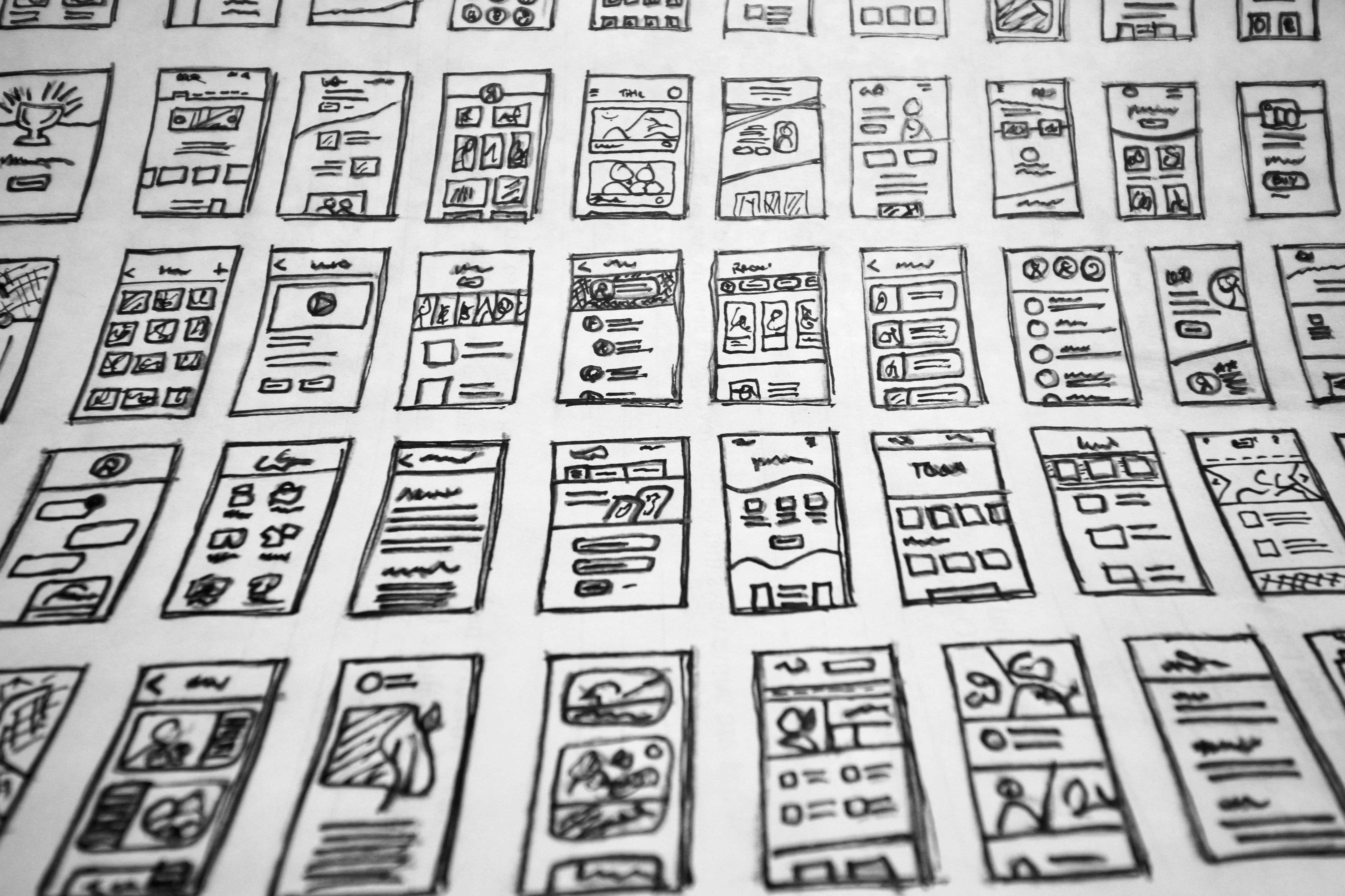
Introduction to Custom UIs
In the rapidly evolving digital landscape, the concept of custom user interfaces (UIs) has gained substantial importance. Custom UIs refer to tailored graphical layouts and interaction designs that allow users to engage with applications and web services in a personalized manner. As technology progresses, the limitations of traditional web browsers become increasingly evident, spurring the need for innovative platforms that foster enhanced user experience and customization.
Traditionally, web browsers served as the primary gateways for accessing online content. However, as user expectations evolve, there is a growing demand for interfaces that offer flexibility and adaptability beyond what conventional browsers can provide. Custom UIs empower developers to create experiences that resonate with users on a deeper level, facilitating engagement through personalized interactions. This shift is increasingly evident with the emergence of applications that provide tailored functionalities aligned with individual preferences.
The rise of alternative platforms, such as Progressive Web Apps (PWAs), mobile applications, and standalone desktop applications, showcases a move towards designing UIs that prioritize user experience over rigid frameworks. These platforms capitalize on custom UIs, allowing developers to integrate unique features and aesthetic elements that enhance usability and intuitiveness. By leveraging technologies such as responsive design, adaptive layouts, and customizable components, developers can create dynamic interfaces that adjust to user behaviors and preferences.
Furthermore, the adoption of artificial intelligence and machine learning is transforming the landscape of custom UIs. These technologies enable the development of smart interfaces that learn from user interactions, allowing for real-time personalization and improved user satisfaction. As a result, custom UIs are not merely an industry trend but are becoming fundamental to the future of user experience, shaping the way individuals interact with digital content in varied environments.
The Rise of Web Apps and Progressive Web Apps (PWAs)
In recent years, there has been a significant rise in the popularity of web applications and Progressive Web Apps (PWAs) as viable alternatives to traditional browsers. This shift is largely due to the enhanced user experience that these platforms provide, facilitating smoother interactions and increased performance. Web apps are designed to run on web browsers, yet they offer functionalities similar to native applications. Users are increasingly favoring this model as it allows for seamless integration across various devices without the burden of downloads or installations.
One of the most compelling advantages of PWAs is their ability to operate offline. By leveraging Service Workers, PWAs can cache content and enable users to access features regardless of their internet connectivity. This capability greatly enhances user engagement, as individuals can interact with their applications without interruption. Additionally, the offline functionality aligns well with the growing need for robust user experiences in areas with limited internet infrastructure.
Furthermore, PWAs offer significantly improved performance compared to traditional websites. They load faster and provide a more fluid experience thanks to optimized resource management and reduced load times. This efficiency contributes to reduced bounce rates, as users are less likely to abandon a site that responds quickly. The rise of web apps and PWAs marks a crucial development in the field of user experience, addressing the demand for applications that are both high-performing and user-friendly.
As users become accustomed to the advantages presented by web apps and PWAs, it is evident that their adoption will continue to grow. Businesses are increasingly recognizing the potential of these technologies, harnessing them to create engaging and responsive digital experiences that cater to the evolving expectations of users. Such advancements signify a transformative era in which traditional browsing experiences are being redefined.
Mobile and Desktop Client Applications
The advent of mobile and desktop client applications marks a significant shift in how users interact with digital content, moving away from traditional browser-based environments. Custom client applications offer tailored user experiences that can enhance performance, efficiency, and overall satisfaction. Unlike standard web applications that rely heavily on browser capabilities, custom client applications can leverage device-specific features, providing a more integrated and fluid experience.
For mobile applications, the versatility of touch interfaces allows for innovative design approaches that enhance usability. Applications such as WhatsApp and Instagram exemplify how mobile platforms can create seamless interactions that are not easily replicated within a browser. These applications harness native capabilities, such as geolocation and camera access, to deliver personalized experiences that engage users and foster a deeper connection with the content.
On the desktop front, applications such as Slack and Microsoft Teams illustrate the benefits of custom client implementations. Desktop client applications often feature richer user interfaces, faster load times, and offline capabilities, which stand in stark contrast to browser-based applications that can be limited by network connectivity and browser compatibility issues. Such platforms can better manage resource-intensive tasks and provide enhanced performance through native system integrations.
The distinction between client applications and traditional web browsers lies not only in performance but also in functionality. Client applications can employ advanced caching strategies, allowing users to access content swiftly, irrespective of internet speed. This capability is crucial for businesses that rely on real-time interaction and collaboration, reinforcing the importance of delivering bespoke experiences in a fast-paced digital world.
In conclusion, the evolution of mobile and desktop client applications signifies a movement towards more efficient, user-centric design. By focusing on tailored experiences that transcend standard browser limitations, businesses can better meet the unique needs and preferences of their users, making a compelling case for the future of user experience in custom UIs.
Virtual and Augmented Reality Interfaces
Virtual Reality (VR) and Augmented Reality (AR) are rapidly evolving technologies that offer innovative custom user interface (UI) possibilities that transcend traditional web browsing. By immersing users in a three-dimensional environment, VR creates a sensory-rich experience that engages users in ways websites cannot. Similarly, AR enhances the user interaction by overlaying digital information onto the physical world, thus providing a blend of real and virtual experiences. This integration not only enriches user engagement but also opens new avenues for developers.
In VR, developers are harnessing the capabilities of headsets and motion controllers to create intuitive and interactive interfaces that respond to users’ movements and gestures. For instance, various industries, from gaming to education, are leveraging VR to create immersive learning experiences and simulate complex scenarios, allowing users to engage with content on a tangibly personal level. The development of custom UIs in this space often prioritizes spatial recognition and movement, establishing a more natural interaction with digital environments.
On the other hand, AR interfaces are designed to provide contextually relevant information superimposed onto the user’s view of the real world. This is prevalent in applications such as navigation systems, retail, and gaming, where pertinent data is conveniently accessible right in front of the user. For example, fashion apps use AR to let users visualize how clothing would appear on them without trying it on physically. This approach to custom UI design emphasizes visually intuitive interactions, making the digital content seamlessly part of the user’s reality.
The growth of VR and AR technologies presents a significant opportunity for developers to redefine user experiences. By focusing on seamless integration and user-centric design principles, custom UIs in these environments promise to elevate the way users interact with digital content, setting the stage for future advancements in user experience.
Voice-Activated Interfaces and Smart Assistants
The rise of voice-activated interfaces and smart assistants marks a significant evolution in user interaction paradigms. With the advent of advanced natural language processing (NLP) techniques, devices are increasingly capable of interpreting and responding to human speech in a more nuanced manner. This technology allows for a more seamless interaction between users and their devices, facilitating tasks through simple voice commands.
Smart assistants such as Amazon’s Alexa, Google Assistant, and Apple’s Siri have redefined how users access information and control smart home devices. These interfaces not only execute commands but also learn from user behavior, adapting to individual preferences over time. For instance, through continuous interaction, these systems can customize responses based on previously expressed user choices, effectively creating a personalized user experience.
The implications of voice-activated interfaces extend beyond mere convenience. As users continue to engage with these technologies, the expectations surrounding UI design are shifting. The traditional graphical user interface (GUI) is being supplemented, or in some cases, replaced by these more intuitive voice-driven interactions. This transition compels developers to rethink the conceptualization of user experiences, prioritizing voice flow and context understanding to enhance user satisfaction.
Moreover, as accessibility initiatives gain traction, voice interfaces emerge as critical tools for users with physical limitations or those who prefer hands-free options. By integrating voice recognition technology, developers can actively contribute to a more inclusive digital environment, ensuring that a broader demographic has the opportunity to engage with technology effectively.
The ongoing development of AI-driven smart assistants signals a transformative shift in how users interact with devices. As these technologies evolve, they promise to unlock further potential for customized UIs, ultimately shaping the future of user experience in unprecedented ways.
The Rise of Custom UIs in Gaming
The gaming industry has experienced a profound transformation with the rise of custom user interfaces (UIs), significantly enhancing user experience. Custom UIs in gaming allow players to tailor their interactions with games, creating a more personalized and immersive journey. This customization caters to diverse gaming preferences, accommodating various levels of engagement and interaction by enabling players to modify UI elements to suit their preferences.
Game engines have increasingly incorporated features that facilitate personal customization, promoting user-generated content that fosters creativity and community participation. Engines like Unreal Engine and Unity provide developers and gamers with robust tools to design unique interfaces and environments. These platforms support a wide range of customization options, from altering HUD elements to creating entirely bespoke interfaces tailored to gameplay mechanics.
Moreover, custom UIs empower players to enhance their performance and accessibility. For instance, players can adjust color schemes, font sizes, or button layouts to fit their individual needs, thereby improving gameplay dynamics and overall user satisfaction. Such interactive capabilities not only elevate the gaming experience but also contribute to the inclusivity of gaming environments, ensuring that a broader audience can partake in the gaming narrative without barriers.
The integration of custom UIs greatly influences the development of multiplayer and online games by allowing players to create and share their unique interfaces, leading to a richer social experience. As this trend continues to evolve, it invites more innovative approaches to design and interaction in gaming, indicating that the future of user experience in this industry will increasingly rely on customization as a core component.
Social Media Customizations and Filters
In recent years, social media platforms have increasingly prioritized user engagement through customizable interfaces. Features such as filters, themes, and layout options allow users to personalize their social media experience, thereby boosting interaction and retention. For instance, platforms like Instagram and Snapchat have integrated various filters that users can apply to their photos and videos, transforming ordinary content into unique and visually appealing posts. This customization fosters a sense of ownership, encouraging users to invest more time and creativity in their social media interactions.
Psychologically, the ability to curate one’s online presence aligns with fundamental human desires for self-expression and individuality. When users can tailor their interfaces to reflect their preferences or moods, they are more likely to engage actively with the platform. This engagement often translates into longer session times and increased content sharing. Empirical studies suggest that users who frequently use customization features experience higher satisfaction levels with the platform, leading to enhanced loyalty.
Moreover, the introduction of themes allows users to change the look and feel of their social media feeds significantly. This can involve altering color schemes, font choices, and the overall aesthetic of their interfaces. Such changes not only enhance visual appeal but also cater to diverse user tastes and demographic needs. The effect of these personalized experiences is profound; users feel a stronger connection with the platform as they actively shape their digital environments.
In summary, social media customizations through filters and themes play a crucial role in transforming user interactions. By tapping into users’ innate desire for personalization, platforms can improve overall retention rates, fostering richer and more meaningful experiences within the digital landscape.
Challenges and Limitations of Custom UIs
As the landscape of user experience evolves, custom user interfaces (UIs) present both opportunities and challenges for developers and users alike. One predominant challenge is the issues related to compatibility across different platforms and devices. A custom UI designed for a specific operating system may not function seamlessly on another, leading to inconsistent user experiences. Furthermore, reliance on third-party libraries or frameworks to create these interfaces can exacerbate this problem, as updates or changes in those tools might impact the overall functionality of the custom UI.
Another major concern revolves around user accessibility. While customization can enhance the aesthetic and functional appeal of a UI, it can also alienate users with disabilities if not designed with inclusivity in mind. Developers must consider varying needs and preferences, ensuring that the custom UI complies with accessibility standards. This involves incorporating features such as screen reader compatibility, keyboard navigation, and alternative text for images, which are often overlooked in custom designs.
Additionally, striking a balance between customization and usability is critical. Users often seek personalization to enhance their engagement with software, yet excessive customization options can lead to overwhelming complexity. A highly personalized experience may ultimately hinder usability if users struggle to navigate through intricate features or if the core functionality is obscured. Therefore, developers must prioritize simplicity alongside customization, ensuring that users can easily access essential features without sacrificing the ability to tailor their experience through various UI elements.
In summary, while custom UIs offer promising advancements in user experience, developers face significant challenges related to compatibility, accessibility, and the balance between customization and usability. Addressing these limitations is essential for creating effective and user-friendly custom interfaces that cater to a diverse range of users.
Future Trends and Innovations in Custom UIs
The landscape of custom user interfaces (UIs) is evolving rapidly, driven by advancements in technology and shifts in user expectations. One significant trend is the integration of artificial intelligence (AI) into custom UIs, which enables applications to offer more personalized and intuitive experiences. With AI, UIs can learn from user interactions, predict preferences, and adapt dynamically, tailoring content and functionality to individual needs. This enhances usability and engagement, ensuring that users have a seamless experience across various platforms.
Another area ripe for innovation is the fusion of custom UIs with the Internet of Things (IoT). As smart devices proliferate, UIs must evolve to accommodate these interconnected systems. This shift presents unique opportunities for creating engaging interfaces that facilitate communication between devices, enabling users to control their environments more efficiently. Custom UIs will likely incorporate voice recognition, gesture controls, and augmented reality (AR) elements, allowing users to interact with their devices in novel ways and enhancing overall accessibility.
User-centered design methodologies are also at the forefront of shaping future custom UIs. Designers are increasingly prioritizing user feedback during the development process, ensuring that the resulting interfaces not only align with aesthetic standards but also meet functional needs. This focus on empathy and inclusivity in UI design will promote better user experiences by accommodating diverse demographics and varying access levels. As more organizations adopt these user-centered approaches, we can anticipate a more holistic and comprehensive development of custom UIs, ensuring they are not only visually appealing but also practical and effective.
In conclusion, the future of custom UIs appears promising, with AI, IoT integration, and user-centered design methodologies leading the charge. As these trends continue to develop, they will undoubtedly redefine user experiences and set new standards in interface design.