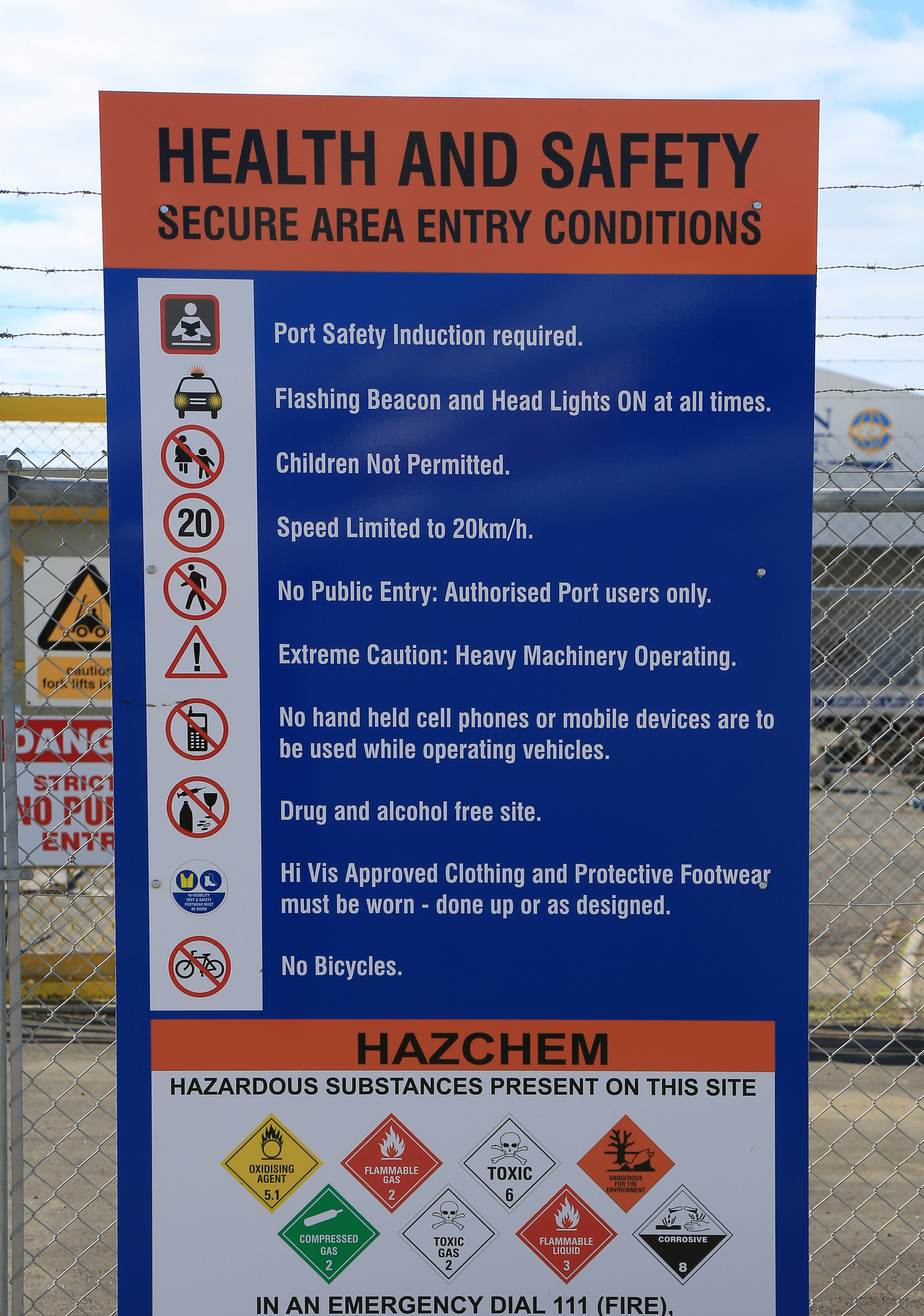
Introduction to Workplace Safety in 2026
As we navigate through the complexities of modern work environments, workplace safety remains a paramount concern. Over the years, the perception of safety has evolved significantly in response to advancements in technology, shifts in employee expectations, and the ongoing challenges posed by global events. In 2026, this evolution continues to manifest in various ways, emphasizing the necessity for robust safety protocols within organizations of all sizes.
The increase in remote work arrangements, coupled with the rise of automation and artificial intelligence, has altered the dynamics of traditional workplace safety. Employers and employees alike must adapt to address these changes effectively. With the integration of innovative technologies, including wearable safety devices and AI-driven risk assessments, the focus on enhancing workplace safety has gained momentum. However, there remains an alarming trend where certain crucial safety directions are overlooked, creating potential hazards in everyday operations.
Furthermore, the implications of neglecting safety measures are profound. Inadequate attention to safety can lead to increased workplace accidents, diminished employee morale, and a tarnished organizational reputation. The economic impact of these oversights can be substantial, with costs associated not only with injuries but also with lost productivity and heightened turnover rates. Therefore, it is imperative for leaders and safety managers to prioritize workplace safety as an essential component of their operational strategy.
In this analysis, we will delve deeper into the most neglected aspects of workplace safety in 2026, exploring how organizations can enhance their safety culture and ensure compliance with emerging regulations. By recognizing the significance of workplace safety, businesses can foster an environment that not only protects employees but also promotes long-term sustainability and growth.
An Overview of Safety Directions Established
The establishment of safety directions has evolved significantly over the years, reflecting the changing landscapes of workplaces and the dynamic nature of labor regulations. Local, national, and international safety protocols have been developed to safeguard not only the workforce but also the overall operational integrity of organizations. In many jurisdictions, local safety regulations serve as the foundation, addressing specific regional risks and industry characteristics. These guidelines often pertain to varying elements, including machinery use, ergonomics, and fire safety standards, tailored to local conditions and work environments.
National safety directions generally expand on local mandates, creating a cohesive framework designed to address broader risks across industries. In the United States, for example, the Occupational Safety and Health Administration (OSHA) plays a pivotal role in regulating workplace safety, outlining comprehensive standards that employers must adhere to. Key areas of focus include hazard communication, personal protective equipment (PPE), and emergency preparedness, ensuring that employers take proactive measures to protect their employees.
On a global scale, international safety protocols emerge to create a harmonized approach to workplace safety. The International Labour Organization (ILO), for instance, establishes guidelines aimed at promoting safe and healthy working environments across different countries. These international directions encompass various aspects of occupational health, labor rights, and training requirements. By fostering an environment of shared responsibility, these regulations aim to minimize workplace incidents and fatalities, promoting a culture of safety across borders.
Overall, the comprehensive framework established by local, national, and international safety directions enables organizations to implement effective risk management strategies. As workplaces continue to evolve, actively reviewing and adhering to these safety directions becomes critical to ensuring the welfare of employees and maintaining optimal business operations.
Identifying the Most Neglected Safety Direction
In 2026, one of the most critical safety directions that has been largely overlooked by organizations is the implementation of comprehensive mental health programs within workplace safety protocols. While physical safety measures have seen significant advancements, the psychological wellbeing of employees has not received the same level of attention or resources. This oversight raises concerns about the holistic approach to safety that organizations need to adopt to foster a secure and productive work environment.
Several factors contribute to the neglect of mental health as a safety direction. First, there remains a pervasive stigma surrounding mental health issues, causing many organizations to shy away from addressing psychological safety in their workplace safety strategies. Employees may feel uncomfortable disclosing their mental health struggles, fearing discrimination or repercussions. Consequently, organizations could mistakenly assume that mental health is not a priority, further perpetuating the cycle of neglect.
Additionally, the traditional focus on physical safety often relegates mental health to a secondary concern. This prioritization can result in insufficient training for management on recognizing and addressing mental health issues, leading to a lack of support for employees in need. Furthermore, the economic constraints faced by organizations can complicate the implementation of comprehensive mental health programs, as decision-makers may struggle to justify the investment in these initiatives compared to more visible physical safety measures.
Moreover, the rapid advancement of technology in the workplace has introduced new challenges, such as increased isolation and remote work stressors, which are often not adequately mitigated by existing safety protocols. With such difficulties emerging, it is crucial for organizations to reassess their safety directions and recognize the importance of incorporating mental health strategies into their overall safety framework. By doing so, they not only enhance employee wellbeing but also bolster productivity and performance across the board.
The Consequences of Neglecting Safety Directions
Neglecting safety directions has several far-reaching consequences that affect employees, employers, and the overall workplace environment. The absence of proper safety is not merely an organizational failure; it can lead to dire implications both in terms of human life and economic costs. Statistics demonstrate that workplaces that disregard safety protocols encounter significantly higher rates of accidents. According to the Bureau of Labor Statistics, workplaces that fail to adhere to safety regulations experience, on average, 50% more incidents compared to those that comply with established guidelines.
Moreover, the ramifications of insufficient safety measures extend beyond immediate physical harm. Significant accidents can lead to an increase in insurance premiums, legal liabilities, and potential fines from regulatory bodies, which, in turn, may have an adverse impact on a company’s financial stability and reputation. The costs associated with accidents are not limited to direct medical expenses but include lost productivity, employee turnover, and training costs for new hires, all of which ultimately diminish workplace efficiency.
Case studies further illuminate the consequences of neglecting safety directions. For instance, a notable incident involved a manufacturing company that bypassed critical safety measures, resulting in a devastating explosion. The aftermath not only affected the injured employees and their families but also led to long-lasting damage to the company’s reputation and employee trust. Experts in occupational safety emphasize that maintaining a culture of safety is paramount; they advocate for the incorporation of safety training programs and regular audits to ensure compliance with safety guidelines.
In conclusion, the neglect of safety directions is a precarious choice, bearing grave results that intertwine the well-being of employees with the success and longevity of an organization. Investing in safety is essential, as it yields measurable outcomes that enhance both human and economic aspects of the workplace.
Comparative Analysis: Safety Neglect Across Industries
The issue of safety neglect is not uniform and varies significantly across different industries. Certain sectors have made considerable strides in addressing safety protocols, while others continue to overlook critical safety measures, placing workers at heightened risk. Understanding these disparities is essential as it not only highlights industries that are lagging but also provides insight into the consequences of such neglect.
For instance, the construction industry has had a longstanding reputation for safety challenges. Despite numerous regulations and safety training programs, it remains one of the most dangerous sectors. Workers often face risks from falls, equipment accidents, and exposure to hazardous materials. Inadequate enforcement of safety guidelines and the pressure to meet tight deadlines contribute to this ongoing neglect. Comparatively, the healthcare sector has increasingly prioritized safety protocols, particularly in response to the COVID-19 pandemic. Health facilities have adopted comprehensive training on infection control, thereby improving workplace safety and minimizing risks for healthcare providers and patients alike.
Another noteworthy mention is the manufacturing sector, where safety measures are frequently driven by technology. Automation and advanced safety equipment have markedly decreased the risks associated with machinery operations. However, there are still areas within manufacturing that suffer from insufficient safety practices, particularly in smaller firms where resources may be limited. Meanwhile, sectors like agriculture often see safety practices dictated more by tradition than modern safety standards, exposing workers to occupational hazards without adequate preventive measures.
Ultimately, the neglect of safety directives across various industries can lead to devastating consequences, not only affecting the health and well-being of workers but also resulting in higher costs for businesses due to accidents and legal repercussions. Addressing these neglected safety concerns should be a shared priority across all sectors to foster a safer work environment for everyone involved.
Voices from the Field: Interviews with Safety Experts
In an effort to understand the ramifications of the most neglected safety direction in 2026, we consulted various professionals in the field. Their insights shed light on the alarming consequences of neglecting these critical safety measures.
Dr. Amanda Collins, a safety consultant with over 15 years of experience, emphasized the importance of adherence to safety protocols. “We have witnessed a significant increase in workplace incidents that could have been easily mitigated with appropriate safety measures in place. Ignoring these protocols not only puts workers at risk but also jeopardizes the overall operational integrity of an organization,” she stated. Her comments underscore the need for renewed focus on safety directions that are often overlooked in day-to-day operations.
In addition, Michael Tran, a safety officer from a construction company, shared a concerning anecdote from a recent project. “During the initial stages of construction, we failed to conduct a thorough safety assessment, thinking we could rectify issues on the go. Unfortunately, that led to a near-miss incident involving heavy machinery, which could have resulted in severe injury or worse. This situation could have been avoided had we adhered to our safety guidelines from the start,” he recounted.
Moreover, Lisa Jordan, a factory worker, highlighted the human element at play. “When safety measures are neglected, it creates an environment of fear among workers. You can feel the tension, and it hinders productivity. It’s vital for everyone to embrace a culture of safety, where reporting hazards is encouraged, and preventive actions are prioritized,” she remarked.
These voices from the field provide a compelling narrative on the urgent need to address neglected safety directions. By taking their insights into account, organizations can work toward cultivating a safer work environment that prioritizes both compliance and worker wellbeing.
Possible Solutions and Recommendations
To address the growing concern surrounding the neglected safety direction in 2026, organizations must implement a range of actionable solutions and strategies aimed at enhancing overall safety standards. One prominent solution is the establishment of comprehensive training programs designed to raise awareness and educate employees about the critical aspects of safety protocols. These programs should not only focus on theoretical knowledge but also include practical, hands-on training sessions that simulate real-life scenarios.
Moreover, organizations should consider revising their existing safety policies to reflect contemporary standards and best practices. Regular reviews and updates of these policies can help identify gaps and ensure they are robust enough to tackle the specific safety challenges faced by the organization. Involving employees in these discussions can provide valuable insights and foster a culture of safety ownership among the workforce.
Another significant recommendation is the integration of advanced technology to bolster safety measures. For instance, organizations can leverage data analytics and artificial intelligence to predict potential safety hazards and enable proactive measures. The adoption of wearable safety devices can also enhance real-time monitoring of an employee’s environment, ensuring swift response to any emerging threats.
Furthermore, creating a transparent communication channel is crucial for reporting safety concerns without fear of reprisal. Encouraging open dialogue about safety issues can lead to immediate corrective actions and fosters a collaborative safety culture. By implementing these solutions, organizations can re-establish a firm commitment to safety, effectively addressing the previously neglected direction, and ultimately safeguarding their workforce.
The Role of Technology in Enhancing Workplace Safety
As we progress further into the technological age, the integration of innovative solutions has become paramount in bolstering workplace safety protocols. Emerging technologies such as safety applications, wearable devices, and artificial intelligence (AI) driven monitoring systems are fundamentally reshaping safety dynamics across various industries.
Safety applications are designed to streamline communication and coordinate emergency responses, facilitating real-time incident reporting. These mobile apps enable employees to document unsafe conditions promptly, ensuring management can respond effectively. Features such as location tracking and automated alerts significantly enhance the speed and efficiency of safety management processes, reducing risks associated with delayed responses.
In addition to mobile applications, wearable technology has gained traction, offering nuanced approaches to monitoring worker safety. Devices such as smart helmets and biosensors are not only capable of tracking health parameters but can also detect hazardous environmental conditions. For instance, smart helmets equipped with sensors can alert users to high levels of toxicity in the environment, thus preventing potential accidents before they occur. Furthermore, the data collected from these devices can provide valuable insights into workplace conditions, allowing for preventative measures to be established.
AI-driven safety monitoring systems represent another frontier in workplace safety enhancement. By employing machine learning algorithms, these systems can analyze patterns within workplace incidents, providing deeper insights into root causes of accidents. Such systems can predict potential safety breaches by continuously monitoring environmental and operational conditions, thereby mitigating risks before they escalate. Organizations that leverage artificial intelligence effectively can not only improve compliance with safety regulations but also foster a culture of proactive safety management.
In conclusion, the integration of these advanced technologies is critical to addressing overlooked aspects of workplace safety. By adopting innovative solutions, organizations can promote safer work environments, ultimately enhancing employee well-being and productivity.
Conclusion: The Path Forward for Workplace Safety
As we navigate the complexities of workplace safety in 2026, it is evident that certain safety directions have been significantly overlooked. The discussion surrounding these neglected areas reveals not only the potential risks to employee well-being but also the broader implications for organizational productivity and compliance. Addressing these overlooked safety directions is imperative for creating a safer working environment.
Firstly, it is crucial for employers to recognize the importance of incorporating comprehensive safety training programs that specifically target the most neglected safety directions. By enhancing awareness and understanding of these crucial aspects, organizations can empower their workforce to prioritize safety in their daily operations. This move not only protects employees but also fosters a culture of safety that can contribute to overall job satisfaction.
Furthermore, policymakers have a pivotal role in advancing workplace safety legislation that emphasizes these often-ignored areas. By establishing stricter regulations and providing resources for both employers and employees, a framework can be developed that promotes accountability and encourages proactive measures. Collaboration between government and industry leaders is essential to ensure that safety guidelines reflect current workplace dynamics.
Moreover, employees themselves must take an active stance in advocating for their safety rights and participating in safety initiatives. Open communication channels between staff and management regarding safety concerns can lead to improved standards and practices. When employees feel heard and valued in matters relating to their safety, the collective commitment to a safer workplace strengthens.
In conclusion, the journey to improving workplace safety in 2026 necessitates a unified approach from all stakeholders. By prioritizing neglected safety directions through training, regulation, and employee involvement, we can pave the way for a safer and healthier work environment for all. Together, let us commit to making workplace safety a top priority moving forward.