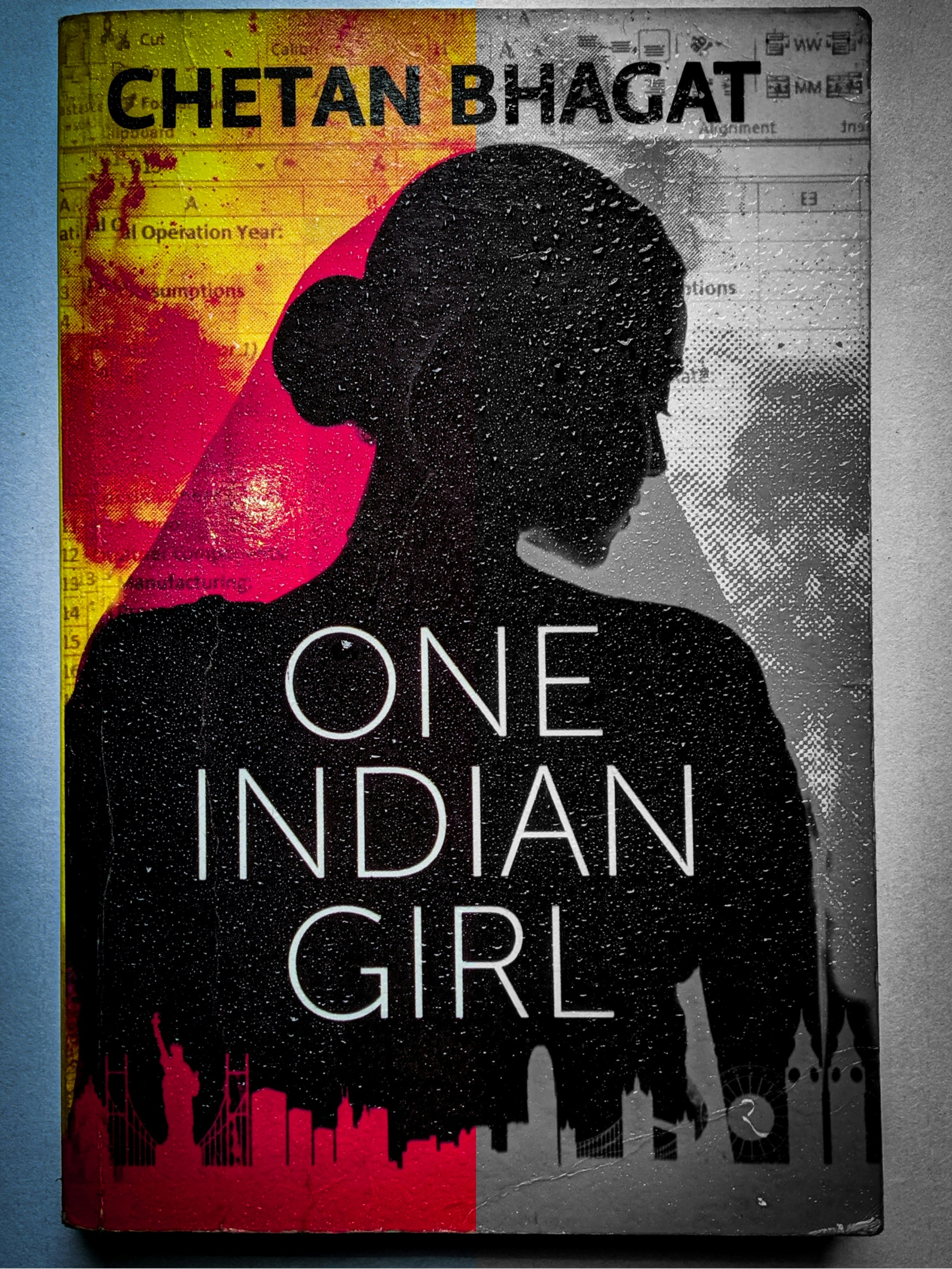
The Rise of AI in Creative Writing
The integration of artificial intelligence (AI) into the realm of creative writing has gained momentum in recent years, prompting discussions about its potential to reshape the landscape of literature. Innovations in AI models such as OpenAI’s GPT series and Google’s BERT have illustrated how sophisticated algorithms can understand and generate human-like text. As these models continue to evolve, they are demonstrating an unprecedented ability to mimic writing styles, comprehend context, and produce coherent narratives.
AI’s role in creative processes extends beyond mere text generation; it offers opportunities for collaboration between human authors and machines. Writers are increasingly utilizing AI tools to brainstorm plot ideas, overcome writer’s block, and even assist in refining their prose. This collaboration has led to a richer writing experience, wherein authors can leverage AI’s capability for high-volume content production while still infusing their unique voice and creativity into the work.
However, alongside these advancements come prevalent misconceptions regarding AI authorship. Some theorists predict a future dominated by machine-generated novels, while others argue that true creativity is an inherently human trait that machines cannot replicate. These contrasting viewpoints highlight a broader societal debate about the nature of creativity and the role technology should play in it.
Moreover, ethical considerations arise regarding copyright and ownership when AI systems produce content. As AI continues to blur the lines between author and tool, it raises questions about crediting generators versus traditional authors. Understanding these nuances will be essential as we navigate the evolving landscape of creative writing.
A Brief History of AI and Literature
The intersection of artificial intelligence (AI) and literature has evolved over several decades, showcasing remarkable advancements that reflect the broader technological progress. The exploration of AI in the domain of writing initiated in the mid-20th century, with early experiments involving computer programs designed to understand and generate text. Notable milestones included the development of simple algorithms that utilized rule-based systems to produce poetry or structured narratives.
In 1966, Joseph Weizenbaum’s ELIZA program emerged as one of the first AI applications that could engage in natural language processing. Although ELIZA was limited to a pattern-matching technique, it indirectly introduced the concept of machines simulating conversation, which laid the groundwork for future linguistic capabilities. Following this, works like the 1971 program SHRDLU demonstrated how AI could manipulate a restricted subset of language based on instruction-following.
The 1980s and 1990s brought about significant strides in natural language generation (NLG). Researchers began applying more sophisticated algorithms to create narratives. One noteworthy example is the tale-spinning program called MARC, which could generate short stories by piecing together predefined story elements. As the field progressed into the early 2000s, advances in machine learning enhanced the ability of AI models to analyze vast datasets of literary works. This not only expanded their understanding of narrative structures but also perfected their capacity to mimic stylistic qualities of human authors.
By the time we entered the 21st century, AI technologies transitioned from basic text generation to more complex forms capable of creating full-fledged narratives, with projects such as the novel “1 the Road” being an example of continuous AI-driven creativity. These historical developments have sparked discussions about the future of AI in literature, shedding light on the potential implications of machines possessing the ability to craft compelling stories akin to those of human writers.
Current State of AI Writing Technologies
The landscape of AI writing technologies has witnessed significant advancements in recent years, particularly with the development of models like OpenAI’s GPT-3, which have gained considerable attention for their ability to generate human-like text. These models leverage deep learning algorithms and vast datasets to produce coherent and contextually relevant narratives. GPT-3 stands out due to its 175 billion parameters, allowing it to understand and generate language in a remarkably sophisticated manner.
One of the critical strengths of these AI writing models is their capacity to generate text that can mimic various writing styles and tones. By adjusting prompts, users can obtain everything from formal essays to creative fiction. The versatility of these technologies opens up new possibilities for content creation in multiple domains, including marketing, journalism, and entertainment.
However, there are notable weaknesses that persist within current AI writing technologies. Although these models excel at producing text that appears coherent, the underlying understanding of context, emotion, and nuance is still limited. AI-generated content can sometimes lack the depth and richness inherent to human writing, potentially making it feel formulaic or disconnected from genuine human experience. Additionally, there are ethical concerns regarding plagiarism and originality, as AI systems are trained on existing texts and may inadvertently produce content that closely resembles their training data.
Despite these challenges, there have been remarkable examples of AI-generated writing gaining recognition. Instances include short stories and poetry published by notable platforms that have sparked discussions about the future of authorship. Such developments indicate that AI’s role in creative writing is evolving, with implications for both writers and readers.
Defining a Bestselling Novel: Key Ingredients
To understand the potential of artificial intelligence in the literary world, it is important to define what makes a novel a bestseller. The journey to the top of bestseller lists is often paved with specific elements that resonate deeply with readers. One of the most significant aspects is the development of compelling characters. Readers connect with characters who are multi-dimensional, who grow and evolve throughout the narrative, and who face relatable challenges. This connection encourages readers to invest emotionally in the story, which is crucial for creating buzz and word-of-mouth recommendations.
Additionally, relatable themes play an essential role in the success of a novel. A bestseller typically tackles universal issues—such as love, loss, identity, and resilience—that resonate with a wide audience. By exploring these themes through unique storytelling, authors can create an engaging narrative that speaks to varied experiences and perspectives. The emotional depth of a story often stems from its exploration of these themes, making it more likely for readers to champion the book.
Furthermore, a gripping plot is vital to maintaining a reader’s interest. A well-structured narrative featuring unexpected twists, tension, and resolution captures attention and keeps readers turning the pages. The pacing of the story also contributes significantly to its readability. Novels that successfully balance rapid developments with reflective moments often achieve greater resonance with audiences.
Lastly, effective marketing strategies cannot be overlooked in the equation of a bestselling novel. Publishers utilize various tactics, including targeted advertising, author tours, and social media campaigns, to increase visibility and generate interest. In an age dominated by technology, innovative marketing can amplify a novel’s reach, giving it a better chance to become a bestseller.
Challenges of AI in Crafting a Bestselling Novel
As artificial intelligence (AI) technologies rapidly advance, the aspiration for an AI to produce a bestselling novel raises significant challenges that must be addressed. One primary concern is the emotional depth required in storytelling. While AI can analyze vast datasets and recognize patterns in literature, it often struggles to imbue narratives with the genuine emotional resonance that captivates human readers. The complex interplay of emotions—such as love, grief, and hope—requires a nuanced understanding of human experiences, which AI is still mastering.
Furthermore, another major obstacle is the grasp of cultural nuances that permeate literature. Bestselling novels often reflect diverse cultural perspectives, weaving societal themes and local idioms into their narratives. AI, however, tends to rely on generalized data, lacking the lived experiences that inform cultural intricacies. This gap becomes particularly evident when exploring themes such as identity, family dynamics, or historical context, which require a profound appreciation of human societies and their values.
Moreover, understanding complex human experiences is a pivotal aspect of storytelling. Novels often delve into intricate character developments and moral dilemmas that reflect the assorted challenges of life. AI tends to operate on algorithms that prioritize plot structures and formulaic outcomes, which can limit its ability to create deeply engaging character arcs that prompt introspection and empathy among readers. The nuances of personal struggles and ethical considerations require a level of consciousness that AI is currently incapable of achieving.
In light of these challenges, the prospect of AI crafting a bestselling novel seems ambitious. While technology continues to evolve, addressing emotional depth, cultural nuances, and the richness of human experiences will be critical to the future success of AI in literary creation.
Case Studies of AI Writers and Their Works
As artificial intelligence (AI) technology continues to evolve, various case studies have emerged showcasing the capabilities of AI writers in producing literary works. One notable example is the novel “1 the Road,” co-authored by the AI tool known as “Shelley.” This AI tool generates text based on prompts and learns from existing literary styles. The resulting work, inspired by Jack Kerouac’s free-flowing narrative style, received mixed reactions, with some readers appreciating its unique composition, while critics questioned its coherence and emotional depth.
Another significant case study highlights the AI-generated poetry crafted by the platform “GPT-3.” This advanced language model has been recognized for producing poetry that closely mimics human styles, exploring themes such as love, nature, and existential thought. Literary experts have acknowledged some of these poetic pieces for their innovative language use and surprising imagery; however, others argue that the emotional connection often felt in human-written poetry is notably absent from AI creations.
Further analysis extends to the reception of AI-generated stories on platforms like Wattpad, where amateur writers and AI collaborate to create narratives. Here, AI has served as a tool for brainstorming and generating plot ideas, leading to collaborations that result in popular stories among young readers. Feedback on these works has illustrated a fascinating dynamic, with audiences reacting positively to the creativity AI can foster when paired with human insight.
Overall, these case studies reflect a burgeoning interactivity between AI-generated text and human readers. The ongoing dialogue about the merits and shortcomings of AI writings provides valuable insights into how society views the role of technology in creative processes, influencing future literary endeavors.
Future Predictions: When Will AI Author a Bestselling Novel?
The realm of artificial intelligence has made significant strides in recent years, particularly in the fields of natural language processing and machine learning. Experts in AI and literature often diverge in their opinions on when we might see an AI-written bestselling novel. Some optimists project that within the next decade, advancements in AI capabilities and understanding of human emotion and storytelling will reach a level where an AI could produce a narrative compelling enough to captivate a broad audience.
From a technological standpoint, several factors contribute to this timeline. First, AI algorithms, such as generative adversarial networks (GANs) and transformers, have proven effective in generating coherent and engaging content. Moreover, as these algorithms are trained on increasingly diverse data sets that encompass various literary styles and genres, the potential for creating original works is expanding. This evolution will likely accelerate as more authors and creatives collaborate with AI, providing necessary context and direction that refine AI-generated narratives.
However, it’s essential to consider the current attitudes toward AI in the literary community. Many writers and critics remain skeptical about AI’s ability to replicate the nuanced understanding and emotional depth of human authors. Furthermore, the publishing industry may also take time to adapt to an AI-driven market, grappling with issues related to intellectual property and the originality of AI-generated works. As such, the timeline for a bestselling AI-authored novel may extend beyond initial predictions.
In conclusion, while technological advancements and industry dynamics suggest a future where AI can successfully craft a bestselling novel, several hurdles remain. As AI continues to evolve and the literary world reassesses its position regarding these innovations, a definitive timeline will likely emerge, reflecting both optimism and caution within the literary community.
Implications of AI-Authored Bestsellers
The advent of AI in the realm of literature raises crucial questions surrounding the nature of authorship, creativity, and intellectual property. If an AI produces a bestselling novel, what does this mean for the publishing industry? Traditional understanding of authorship relies on human creativity, experience, and emotional depth. By introducing AI-authored content, the definition of an author could shift, necessitating a reevaluation of what it means to be a writer in a digital age.
A significant implication revolves around originality and creativity. An AI algorithm synthesizes existing texts to generate new narratives, which could lead to concerns about the originality of AI-authored works. How can we ascertain that an AI-generated book offers something unique, as opposed to merely rehashing established themes and styles? This raises questions about the authenticity and novelty of literature produced by machines, posing challenges for critics and consumers alike.
Moreover, copyright laws may require reassessment. Current legal frameworks are designed to protect human authors and their intellectual property rights. Should an AI system that writes a bestseller be credited as an author, or should the developers who programmed the AI hold the rights? This dilemma complicates the copyright landscape, inciting discussions that could redefine ownership in literary endeavors.
For human authors, the emergence of AI as a formidable writing tool may lead to both competition and collaboration. While some may fear displacement, others could view AI as a partner in the creative process, enhancing their storytelling capabilities rather than rendering them obsolete. This tension prompts a broader societal conversation about the coexistence of human and machine-generated content.
Ultimately, AI’s potential to produce bestselling novels challenges existing paradigms within the publishing industry and society as a whole. As these technologies advance, their implications will necessitate ongoing dialogue among authors, publishers, and policymakers to navigate the evolving literary landscape successfully.
Conclusion: Preparing for an AI-Driven Literary Future
The prospect of artificial intelligence crafting a bestselling novel raises profound questions about the future of literature and creativity. As discussed throughout this blog post, while there is considerable potential for AI to develop complex narratives and engaging characters, significant challenges remain. The ability of AI to replicate the intricacies of human emotions, cultural nuances, and the subtleties of language adds layers of complexity to the notion of AI authorship.
Currently, AI technology is advancing rapidly, with algorithms capable of generating coherent stories based on vast databases of literature. However, the essence of what makes literature resonate with readers often lies beyond mere word combinations; it is steeped in human experience and perspectives that AI cannot fully embody. As we contemplate the implications of AI in literature, it is crucial for us to reflect on the essence of authorship. Will the role of the human writer transform, or will there always remain a space for uniquely human insight and creativity?
The dialogue surrounding AI in the literary world encourages writers, publishers, and readers to engage critically with technological advances. It compels us to consider the ethical dilemmas and definitions of artistry in a landscape increasingly shaped by machine-generated content. Collaboration between human creativity and AI-driven tools may represent a future where both can coexist, each enhancing the other. This partnership may not replicate the deep emotional tapestry woven by human authors, but it can expand the horizons of storytelling.
In conclusion, while AI’s journey towards composing literature may have begun, it is imperative to approach this evolution with cautious optimism. As we step into an AI-driven literary future, fostering a discourse around authorship, creativity, and the role of technology will be essential in shaping a literary landscape that honors both human expression and technological innovation.