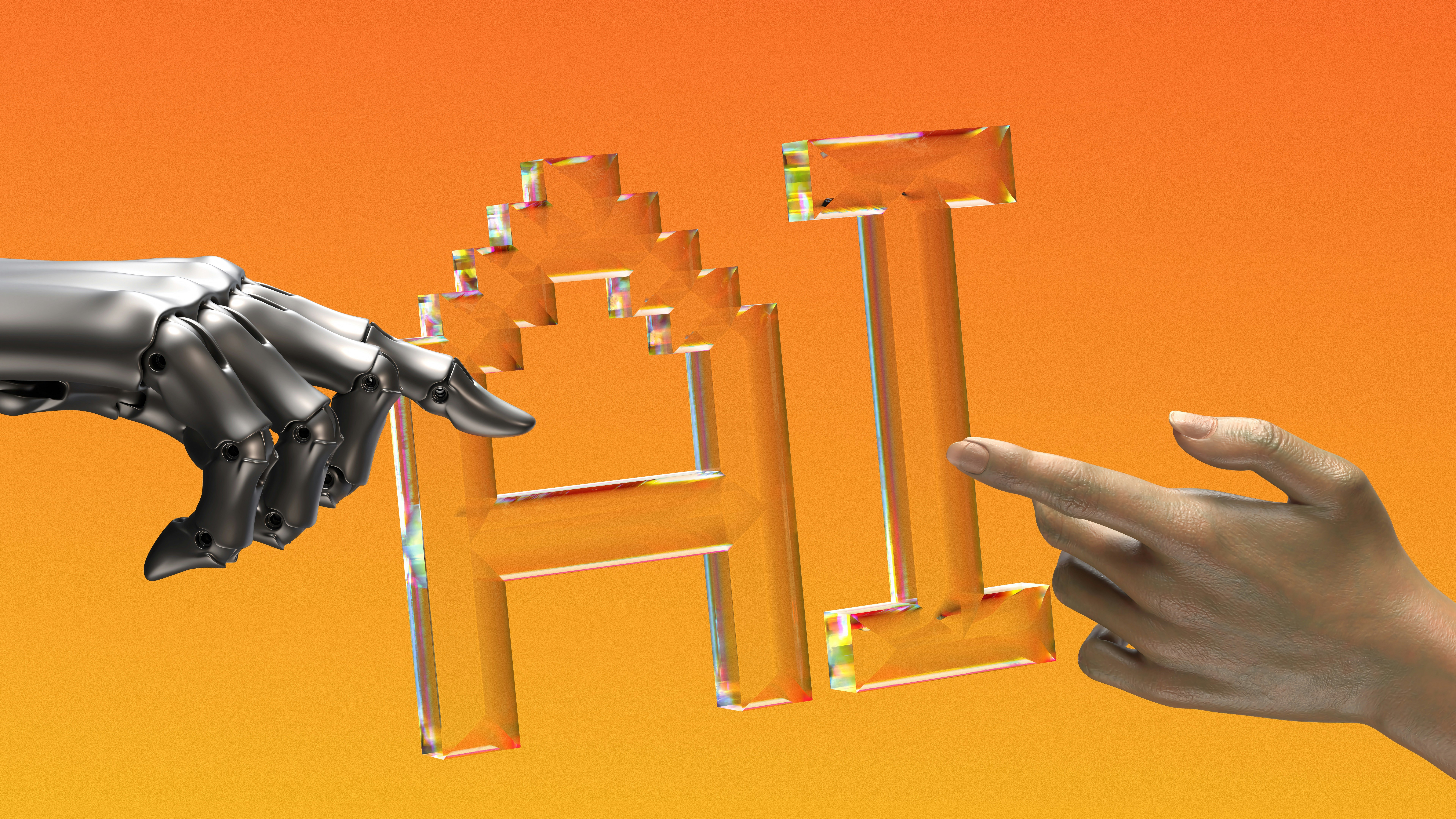
The Rise of Artificial Intelligence
Artificial Intelligence (AI) has experienced remarkable advancements over the past few decades, transforming from theoretical concepts into practical applications that permeate numerous aspects of modern life. Initially conceptualized as a branch of computer science, AI has evolved significantly, driven by breakthroughs in machine learning, natural language processing, and neural networks. These advancements enable machines to learn from data, recognize patterns, and even engage in conversations, mimicking human thought processes to varying degrees.
Throughout the late 20th century and into the 21st century, we have witnessed AI systems being integrated into various sectors including healthcare, finance, entertainment, and transportation. Personal assistants like Siri and Alexa and sophisticated algorithms used for predictive analytics exemplify this integration. The emergence of self-driving cars and AI-driven diagnostic tools in medicine further illustrates how this technology has become a crucial part of everyday operations, enhancing efficiency and accuracy.
The concept of merging humans with AI, often discussed in terms of transhumanism, presents an intriguing possibility for the future. As technology continues to advance, the integration of AI into the human experience may lead to augmented capabilities and new forms of interaction. The idea of human enhancement raises profound questions about identity, ethics, and the essence of what it means to be human. As we approach 2040, predictions about the extent of this merger suggest a future where individuals may rely on AI not only as tools but as integral contributors to decision-making processes and emotional support.
Overall, the rise of AI is not merely a technological evolution; it is a societal transformation that holds the potential to redefine human existence. As we forge ahead, it is crucial to contemplate the implications of this progression, particularly the impact of human-AI convergence on social structures, privacy, and individual agency.
Understanding Human-AI Integration
The concept of merging with artificial intelligence (AI) encompasses a wide range of integrations that can redefine the relationship between humans and technology. At its core, merging with AI refers to the connection and interaction between human cognitive and physical capabilities and AI systems, aiming to enhance and augment human potential. This integration can manifest in various forms, each with its unique implications.
One of the most prominent examples of physical integration is the development of brain-computer interfaces (BCIs). These devices facilitate direct communication between the brain and external devices, allowing individuals to control machines through thought alone. BCIs hold significant promise for individuals with disabilities, offering new ways to interact with their environment and enhancing their quality of life. As this technology evolves, it may pave the way for broader applications, potentially allowing anyone to achieve enhanced cognitive functions.
On the cognitive enhancement front, AI-assisted decision-making tools are becoming increasingly prevalent. These systems analyze vast amounts of data and offer insights that humans may overlook due to cognitive limitations. For example, AI is widely used in fields such as healthcare, where it can assist medical professionals in diagnosing diseases by identifying patterns in medical data. This kind of integration does not replace human intelligence; rather, it complements and improves the decision-making process.
As we explore the merging of humans with AI, it is crucial to consider the ethical implications and societal changes that such integration will bring. The prospect of enhanced cognitive capabilities raises questions about equity, privacy, and the essence of human identity. Understanding the various forms of human-AI integration provides a framework for navigating these complex issues and discusses the significance of this potential merger in shaping our future.
Technological Advances Predicted by 2040
As we look ahead to the year 2040, several significant technological advancements are anticipated, particularly in the realms of artificial intelligence (AI), biotechnology, neural interfaces, and robotics. These innovations promise to revolutionize our understanding of human-machine interaction and potentially pave the way for the merging of humans with AI.
In the field of AI, we can expect continued progress towards more sophisticated machine learning algorithms capable of mimicking human cognitive functions. Researchers are currently developing AI systems that not only analyze vast datasets but also generate insights and predictions that could previously only be provided by human experts. This capability will extend the boundaries of what is possible with AI, moving towards systems that can understand and interact with humans on a more intuitive level.
Biotechnology is also poised for remarkable advancements by 2040. Efforts to integrate AI with biological systems may lead to breakthroughs such as enhanced cognitive abilities through genetic modifications or advanced bioengineering. Such innovations are being explored in laboratories worldwide, showcasing prototypes that could enable seamless interactions between biological organisms and AI-driven platforms.
Moreover, the development of neural interfaces represents an exciting frontier in merging technology with human capability. Devices that connect directly to the human brain are already in experimental stages, enabling communication between AI systems and neural pathways. These interfaces hold the potential to enhance memory, learning, and even emotional processing by providing real-time interactions with AI.
Robotics, meanwhile, is evolving rapidly, with robots becoming increasingly capable of performing complex tasks. By 2040, we might see robots that not only assist in daily activities but also collaborate with humans in various fields, including healthcare, education, and manufacturing. These advancements will likely rely on AI to drive robot autonomy and decision-making.
In conclusion, the convergence of AI, biotechnology, neural interfaces, and robotics indicates that the landscape of human experience may transform dramatically in the coming two decades, potentially leading to a future where humans and AI exist in a harmonious integration.
Ethical Implications of Merging with AI
The discussion surrounding the merging of humans with artificial intelligence (AI) raises significant ethical implications that warrant careful consideration. One of the primary concerns is the issue of consent. As technology evolves, the capacity to enhance cognitive functions through AI may lead to pressures on individuals to merge, questioning whether true consent can ever be achieved under societal expectations or economic incentives. Ensuring that individuals are fully informed about the implications and consequences of merging with AI becomes crucial.
Additionally, the merging of humans and AI raises questions about identity. As individuals integrate AI into their cognitive processes, the line between human and machine may blur, leading to a redefinition of what it means to be human. This evolution could affect personal and social identities, as well as alter interpersonal relationships. The implications for privacy and autonomy also intensify, as merging with AI could potentially allow for the monitoring and alteration of thoughts and behaviors.
Social equity presents another significant ethical challenge. The potential for a divide between those who choose to merge with AI and those who do not could create a societal rift. This disparity may lead to new forms of discrimination against individuals who resist or cannot afford such technological enhancements. A future where advanced cognitive abilities are accessible only to a select few raises fundamental questions regarding fairness and equality in society.
In summary, the ethical implications of merging with AI encompass a wide range of issues, including consent, individual identity, and social equity. Each of these factors plays a crucial role in shaping our understanding of the human experience in an increasingly technologically driven world. Addressing these considerations proactively will be essential as we navigate the complexities of this potential future.
Potential Benefits of Human-AI Merging
The integration of artificial intelligence (AI) into human capabilities poses significant potential advantages across various facets of life. One of the most prominent benefits is the enhancement of cognitive capacities. Through cognitive augmentations, such as brain-computer interfaces, individuals might experience improved memory, faster information processing, and enhanced problem-solving skills. Such enhancements can lead to an increase in productivity and the ability to tackle complex challenges more effectively than ever before.
Moreover, merging humans with AI could revolutionize the quality of life for individuals with disabilities. Adaptive technologies, powered by AI, are already being used to assist those with physical limitations and sensory impairments. For example, AI-driven prosthetics have exhibited remarkable advancements, allowing users to regain functionalities that were previously unattainable. Furthermore, AI applications in voice recognition and speech synthesis can empower individuals with communication disorders to express themselves more freely.
In the realm of healthcare, human-AI merging offers transformative possibilities. AI algorithms are capable of analyzing vast datasets to identify health patterns, predict diseases, and even suggest tailored treatment plans. This could lead to earlier diagnoses and more personalized healthcare, ultimately resulting in better patient outcomes. Studies have already shown that AI systems can outperform medical professionals in certain diagnostic tasks, thus hinting at a future where collaborative intelligence—human insight paired with AI precision—could drastically improve the management of health conditions.
Additionally, the potential for enhanced learning experiences through AI-driven educational tools suggests that human-AI merging could also enrich academic environments. By providing personalized learning pathways, AI can adapt to an individual’s learning style and pace, making education more accessible and effective for diverse populations.
Challenges and Risks Ahead
The integration of artificial intelligence (AI) into the fabric of human existence presents a myriad of challenges and risks that must be addressed thoughtfully. One prominent concern revolves around security. As AI systems become more sophisticated and integrated with human cognitive processes, the potential for vulnerabilities increases. Cybersecurity threats targeting implanted devices or brain-computer interfaces could lead to unprecedented breaches of personal safety and privacy. Ensuring these systems are safeguarded against external tampering is crucial for maintaining trust in human-AI interactions.
Another significant risk associated with the merging of human capabilities with AI is job displacement. Automation, driven by AI advancements, has already begun to redefine the labor market, leading to the obsolescence of certain roles. A future where humans rely heavily on AI for enhanced abilities may exacerbate employment disparities, particularly affecting sectors that are traditionally labor-intensive. This shift could necessitate substantial adjustments in our educational systems and workforce training programs to prepare individuals for new roles that require human-AI collaboration rather than competition.
Moreover, the psychological implications of merging humans with AI remain largely uncharted. The repercussions on human identity, perception of self, and interpersonal relationships could be profound and unpredictable. As individuals increasingly rely on AI to augment their capabilities, questions about authenticity and individuality arise. The potential for social isolation or dependency on AI for emotional fulfillment may challenge our understanding of human connections.
In conclusion, while the prospect of merging with AI by 2040 offers exciting opportunities, it is accompanied by notable challenges and risks. Addressing these issues will require careful consideration and proactive strategies to foster a future where technology enhances human life without compromising foundational aspects of society and humanity itself.
Public Perception and Acceptance of AI Integration
The public’s perception of AI integration, particularly the notion of merging human cognitive and physical capabilities with advanced artificial intelligence, is marked by a continuum of opinions ranging from optimistic enthusiasm to profound skepticism. The dialogue surrounding this topic has become increasingly critical as technological advancements accelerate, raising pertinent questions about societal values and norms. A significant portion of the electorate shows a curiosity about the potential benefits of AI-enhanced living, envisioning scenarios where individuals could achieve unprecedented enhancements in health, memory, and overall cognitive function.
Conversely, there exists a notable fear among some segments of the population regarding the ethical implications of such a merger. Concerns about privacy, the potential for decreased human agency, and the possibility of exacerbated inequality in access to these technologies contribute to a complex societal landscape. Citizens often voice apprehension about nefarious uses of AI and the risks of a dystopian future where human identity may be compromised. It is essential, therefore, to address these fears through transparent discussions and community engagement.
Education plays a pivotal role in shaping public perception about AI integration. As awareness improves and individuals become better informed about the actual functionalities and limitations of AI technologies, their acceptance levels may shift favorably. Initiatives aimed at fostering understanding through workshops, educational programs, and open forums can demystify AI and foster a more informed dialogue about its integration into daily life. By empowering communities with knowledge, society can move towards a balanced view that embraces the opportunities of AI while addressing valid concerns. Establishing trust between technological developers and the public will be crucial in navigating the complex landscape of AI and human assimilation.
Future Scenarios: Merging vs. Coexisting
As we look towards the future, the relationship between humans and artificial intelligence (AI) presents two distinct scenarios: merging and coexisting. The prospect of merging with AI describes a future where enhancements to human capabilities occur through direct integration with technological systems, potentially leading to unprecedented cognitive and physical abilities. This fusion could include advancements such as neuroprosthetics that enhance mental capacities or bio-engineered bodies that provide superior strength and agility.
On the other hand, the coexisting model emphasizes maintaining clear boundaries between humans and AI, promoting a more collaborative relationship without full integration. In this approach, AI serves as a tool that augments human efforts rather than fundamentally altering humanity itself. This perspective suggests that while AI can assist in decision-making processes and optimize various tasks, humans retain their unique cognitive functions and emotional capacities.
Futurists and technology experts provide a spectrum of opinions on these scenarios. Some proponents of merging argue that the competitive nature of technological proliferation could lead to a necessary adaptation, where individuals opt for enhancements to keep pace with AI’s capabilities. Others warn of the ethical implications and potential loss of human identity. In contrast, advocates of coexisting highlight the importance of ethical frameworks to ensure that technology serves humanity without overriding fundamental aspects of human nature.
The ongoing debates among scholars, ethicists, and technologists reveal that each scenario carries distinct implications for societal evolution. While merging with AI may lead to a new era of enhanced human experience, coexisting allows for the preservation of human values and ethics, serving as a balance between technological growth and human integrity. As we advance towards 2040, the choices society makes regarding these pathways will profoundly influence our collective future.
Conclusion: Preparing for the Future
The trajectory toward a potential merging of humans and artificial intelligence (AI) by 2040 raises significant questions regarding our future interactions with technology. As we examine the implications of this transformation, it becomes crucial to engage in proactive discussions around the ethical considerations, regulatory frameworks, and societal impacts associated with such advancements. The integration of AI into human lives is not merely a technological evolution; it signifies a profound shift in how we understand consciousness, identity, and autonomy.
Firstly, ethical conversations must address the moral dimensions of human-AI integration. This includes questions of equity, privacy, and the implications of AI decision-making on human rights. As AI becomes more integrated into our lives, the potential for biases embedded within these technologies to influence critical decisions—ranging from employment to healthcare—necessitates thorough scrutiny. Establishing ethical guidelines and standards will therefore be paramount in safeguarding individual rights amidst rapid technological evolution.
Moreover, regulatory considerations cannot be overlooked. Policymakers will need to craft legislative frameworks that respond to the fast-paced changes brought about by AI integration. These regulations should ensure transparency, accountability, and the safety of AI systems in use. Encouraging collaboration between technologists, ethicists, and lawmakers can streamline the development of policies that govern the use of AI in a way that prioritizes human well-being.
Finally, the societal implications of merging humans with AI are critical to consider. This future may redefine social constructs, alter job landscapes, and even shift our understanding of what it means to be human. In light of these potential consequences, fostering a culture of inclusive dialogue about our collective future with AI is essential. Embracing such discussions will ultimately prepare society to navigate the intricate landscape of human and AI integration as we approach 2040.