Defining Post-Humanism
Post-humanism represents a complex paradigm that seeks to redefine humanity within the context of rapid technological advancement. At its core, post-humanism challenges the traditional notions of what it means to be human, suggesting a transformative evolution spurred by developments in technology, neuroscience, and philosophy. This philosophical stance posits that the future of humanity may lie not in the preservation of the human form but in the enhancement and modification of human capacities and experiences.
In this new era, the integration of artificial intelligence, genetic engineering, and bio-enhancements will likely play critical roles in facilitating a departure from our current biological limitations. These enhancements may pave the way for a new species—the post-human—characterized by improved physical, cognitive, and emotional capacities. Furthermore, the ethical considerations surrounding these advancements raise profound questions about identity, agency, and the meaning of consciousness, challenging existing frameworks of societal norms.
The evolution towards post-humanism may also foster a cultural shift, where individuals increasingly embrace dream-like experiences or pleasure-optimized states. Contemporary thinkers argue that as technology mediates our experiences, the boundary between reality and simulation could blur, leading to an inclination towards a lifestyle that prioritizes pleasure and experiential satisfaction. In this context, post-humans may actively seek environments that enhance pleasure, potentially transforming their understanding of fulfillment, happiness, and the very purpose of existence.
In summary, post-humanism encapsulates a significant evolution of human identity, shaped by advancements that may redefine not just what it means to be human, but also the aspirations and existential experiences of future generations. Examining this shifting paradigm is essential for comprehending how post-humans might navigate their existence and the implications of their choices in relation to pleasure and reality.
The Concept of Pleasure Optimization
Pleasure optimization is a concept that has gained significant attention in contemporary discourse about future societies, particularly in the context of post-humanism. This idea posits that through the advancements of technology, human beings can experience pleasure in ways previously unimaginable. Central to this discourse are three key areas: virtual reality, neurostimulation, and bioengineering, each of which offers unique possibilities for enhancing pleasure.
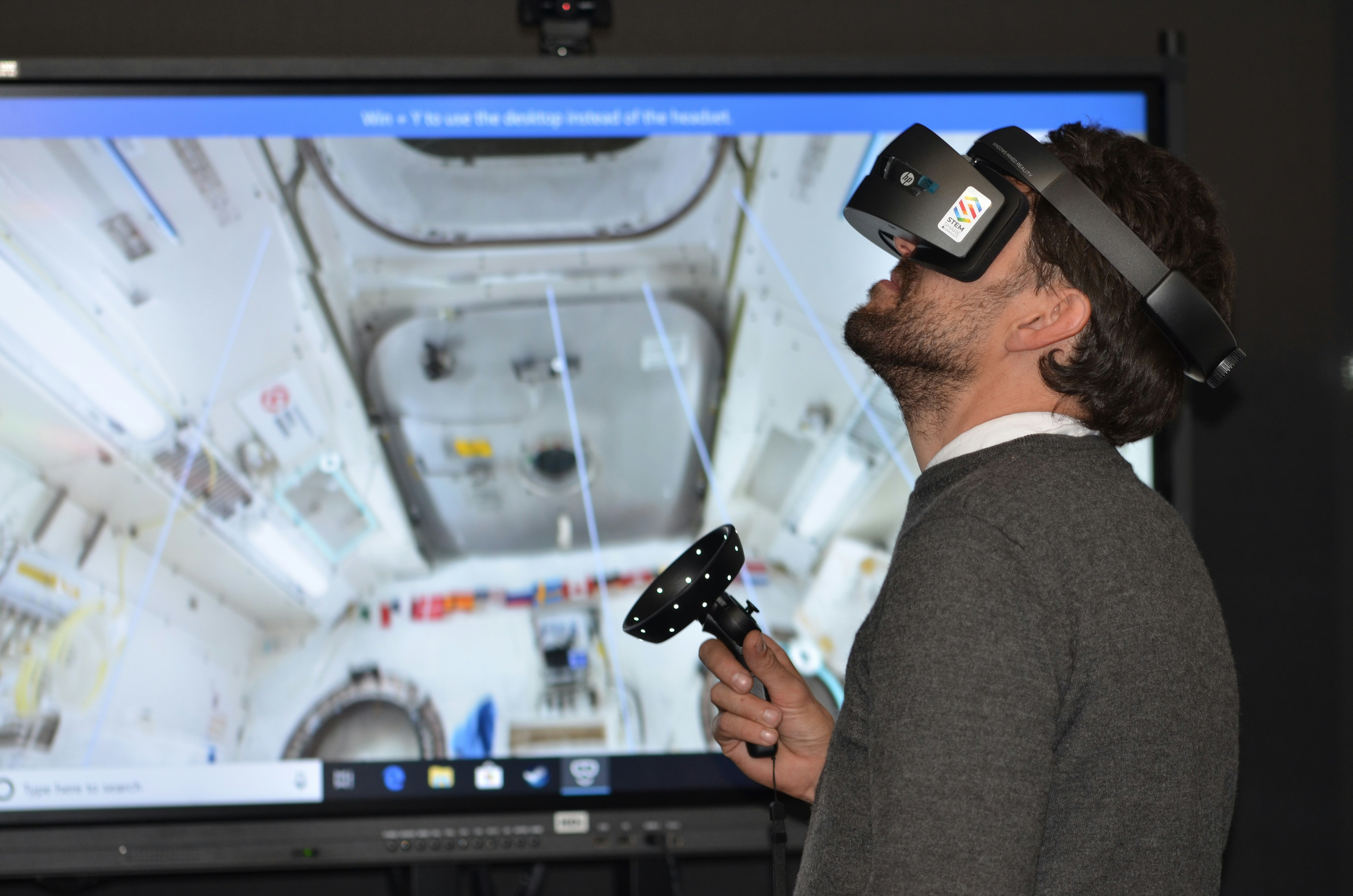
Virtual reality (VR) has emerged as one prominent avenue for pleasure optimization, allowing individuals to immerse themselves in wholly fabricated worlds. These experiences can range from engaging narratives to euphoric landscapes, tailored to evoke specific emotional responses. The ability to craft customized experiences can lead to heightened emotional states, sparking a re-evaluation of how pleasure is perceived and obtained in physical reality.
Neurostimulation represents another frontier in the domain of pleasure optimization. By manipulating brain pathways associated with reward and pleasure, technology has the potential to offer instantaneous gratification. Devices that stimulate specific regions of the brain can create sensations that mimic or exceed those of traditional pleasure sources, thereby fueling philosophical debates about the authenticity of such experiences. Are engineered pleasures authentic, or do they detract from organically derived satisfaction?
Lastly, bioengineering techniques allow for alterations at the genetic or biochemical level, which may enhance the body’s natural capacity for pleasure. This includes the potential integration of enhancements that could elevate mood or increase sensory perception, further contributing to the quest for optimized living experiences. As society progresses in the pursuit of pleasure, it prompts critical reflections on the philosophical implications of prioritizing pleasure-seeking as a fundamental aspect of human existence.
Dream-Like States: The Science Behind Dreaming
Dreaming is a complex phenomenon that occurs during sleep, engaging both physiological and psychological processes. Although the exact purpose of dreams is still a subject of research, they are understood to reflect a unique state of consciousness distinct from waking life. This state can be categorized into several types, including REM (Rapid Eye Movement) dreams, which are often vividly narrative, and NREM (Non-Rapid Eye Movement) dreams, which tend to be more fragmented and less intense.
During the REM phase of sleep, activity in the brain resembles that of being awake, yet the body remains in a state of muscle atonia, preventing physical movement. This intricate involvement of various regions of the brain, including the amygdala, hippocampus, and prefrontal cortex, contributes to the emotional and symbolic nature of dreams. Psychological theories suggest that dreams serve various functions ranging from problem-solving and emotional regulation to memory consolidation and creative expression.
The allure of dream-like states extends beyond mere fascination with the subconscious. For potential post-humans, the quest may evolve to not only experience these altered states of consciousness naturally through sleep but also to optimize these experiences for pleasurable outcomes. The prospect of engineering dream-like states artificially could lead to profound implications for personal wellbeing and exploration of consciousness itself. Innovations in neurotechnology may pave the way for creating tailored dream experiences, scoping the contours of desire and satisfaction. Ultimately, understanding the underlying science of dreaming could provide valuable insights into crafting optimized experiences, heightening the dream state’s potential as a conduit for enhanced enjoyment and fulfillment in a post-human existence.
Technological Mediation of Experience
Emerging technologies such as virtual reality (VR), augmented reality (AR), and artificial intelligence (AI) hold the potential to significantly transform human experiences, offering users the opportunity to engage in immersive dream-like states. These advancements enable individuals to escape the confines of their physical environments, creating subjective realities that enhance personal enjoyment and creativity. By simulating richly detailed and customizable environments, VR and AR can facilitate a range of experiences from exhilarating adventures to serene, meditative environments, all tailored to individual preferences.
The capacity of VR and AR to create realistic simulations extends beyond mere entertainment. As users delve into these environments, they can explore their creativity without the limitations imposed by the physical world. Artists, for instance, can create dynamic visual art pieces within a fully immersive three-dimensional space, leading to innovative forms of expression. Similarly, learners can immerse themselves in historical events or scientific phenomena, experiencing education in a distinctly engaging manner.
AI further enhances these experiences by enabling the creation of personalized content that adapts to an individual’s preferences and emotional responses. Through machine learning algorithms, AI can analyze user behavior to curate experiences that resonate more deeply with them. This capability not only maximizes user enjoyment in leisure activities but also holds the potential for therapeutic applications, such as stress relief and anxiety reduction, by guiding users through calming scenarios tailored to their unique needs.
However, the transition into these hyper-realistic, simulated worlds raises complex implications. Questions arise regarding the authenticity of our experiences and the possible detachment from reality. As individuals increasingly rely on these technologies for entertainment and personal fulfillment, it prompts a reconsideration of what it means to live authentically. The blending of virtual and real-life experiences invites broader conversations about societal impacts, psychological health, and the essence of human connection in an era increasingly defined by technologically mediated experiences.
The Ethics of Pleasure and Dream-Induced Existence
The exploration of pleasure in post-human societies raises significant ethical considerations that warrant careful scrutiny. The pursuit of pleasure and the potential to induce dream-like states through technological or neurochemical means compel us to examine the moral implications tied to such experiences. At the heart of this discourse lies a fundamental question: what constitutes genuine human experience in an age where sensations can be artificially manufactured?
As advancements in neuroscience and technology provide pathways to enhance or alter consciousness, we must grapple with the ramifications of these capabilities. The ability to create extraordinarily pleasurable sensations, which might overshadow traditional experiences, introduces an ethical dilemma about the intrinsic value of authentic human encounters. For instance, can a simulated experience of joy or euphoria carry the same weight as one derived from real-world interactions, relationships, and emotions?
Moreover, the ethics surrounding consent becomes paramount when discussing dream-induced existence. If individuals choose to immerse themselves in artificially constructed experiences, are they exercising their autonomy, or are they compromising their capacity for genuine engagement with the world? This complexity is further exacerbated when considering marginalized groups who may be exploited or coerced into embracing pleasure optimization as a means of escapism from their reality.
Additionally, societal implications must be addressed. A collective preference for artificially induced pleasure might lead to the undervaluation of traditional human experiences that foster growth, resilience, and connection. In essence, the ethical discourse surrounding pleasure optimization and dream-like states challenges us to consider not only the autonomy of the individual but also the collective societal values that define our humanity.
The Psychological Impact of Constant Pleasure Experience
In an era defined by technological advancements and shifts in societal values, the concept of living in pleasure-optimized states has garnered significant attention. As post-humans embrace environments designed to maximize joy, it becomes imperative to consider the psychological implications of perpetual pleasure. While the pursuit of happiness is a fundamental aspect of human existence, it is crucial to recognize potential adverse effects associated with this constant access to manufactured enjoyment.
One of the most concerning outcomes of living in perpetual pleasure is the risk of addiction. The brain’s reward system may become overstimulated by frequent exposure to artificial stimuli, leading individuals toward compulsive behaviors to seek that high. In this cycle, individuals may find themselves chasing ever greater levels of excitement, ultimately finding it challenging to experience satisfaction from everyday activities that once brought them joy.
Furthermore, desensitization is a notable consequence of constant pleasure exposure. The individual may become numb to typical feelings of happiness, requiring increasingly intense experiences to trigger the same emotional responses. This alteration in emotional response can lead to a lack of engagement with reality and may diminish the value of genuine experiences, as the bar for satisfaction continually rises.
Additionally, the shift toward manufactured pleasure can result in a profound existential crisis. When individuals rely solely on external sources for happiness, they risk losing a sense of purpose and meaning in life. The pursuit of goals, relationships, and personal growth may take a backseat to the search for hedonistic pleasure, leading to feelings of emptiness and unfulfillment.
Thus, while the allure of a pleasure-optimized existence is undeniable, it is essential to critically evaluate its psychological impact. Understanding these dynamics is crucial for developing a balanced approach to joy and ensuring a meaningful life that transcends mere sensory gratification.
Cultural Perspectives on Dreaming and Pleasure
Throughout history, various cultures have embraced distinct perspectives on dreaming and pleasure, often intertwining these elements into their societal frameworks. In many Indigenous cultures, for instance, dreams hold considerable significance. They are perceived as conduits to ancestral wisdom, guidance, and healing, shaping not only individual lives but also communal values. Such perspectives emphasize the notion that dreams possess transformative power, fostering a collective appreciation for these subconscious experiences, which could influence future post-humans to prioritize dreaming as a critical component of enhanced well-being.
In contrast, Western cultures have traditionally viewed pleasure from a more individualized lens. The philosophical contributions of figures like Epicurus suggest that pleasure, particularly in its intellectual forms, is the ultimate goal of life. This viewpoint could lead future post-humans to conceptualize pleasure as a fundamental right, focusing on optimizing personal hedonic experiences. As societies evolve, integrating these varying cultural understandings of pleasure may result in multifaceted approaches to experience optimization.
Moreover, Eastern philosophies such as Buddhism emphasize the transient nature of pleasure and the importance of mindfulness. This recognition of impermanence encourages individuals to cultivate inner peace rather than pursue pleasure through external means. As post-human societies emerge, this holistic approach to pleasure might inspire radical reevaluations of pleasure pursuit, highlighting the necessity of balance and inner contentment.In light of these diverse cultural perspectives, it becomes apparent that the future construction of post-human societies will likely reflect a rich tapestry of ideas surrounding dreams and pleasure. By synthesizing insights from various cultural backgrounds, future communities may opt for frameworks that prioritize both individual fulfillment and communal well-being, thus fostering environments where dream states and pleasure are harmonized in pursuit of a more enlightened existence.
Future Scenarios: Dream-Like versus Pleasure-Optimized Existence
As we envision the potential futures of post-human societies, two prominent scenarios emerge: the dominance of dream-like states versus the prevalence of pleasure-optimized experiences. Both scenarios offer unique implications for creativity, human connection, and existential fulfillment, shaping the way individuals experience reality.
In societies where individuals primarily exist in dream-like states, the boundaries between imagination and reality become blurred. This immersive experience enables profound levels of creativity since individuals are likely to explore their subconscious freely. In such environments, artistic expression could flourish, resulting in diverse forms of communication and shared experiences that can be deeply enriching. This dream-centric approach may foster a collective consciousness, but it risks creating a detachment from tangible human relationships, as individuals might prefer the allure of their internal landscapes over authentic connections.
Contrastingly, pleasure-optimized existence focuses on maximizing enjoyment and satisfaction through curated experiences. In this framework, advancements in technology and human enhancement could provide unparalleled levels of pleasure. Proponents of this scenario argue that when pleasure is prioritized, individuals may experience heightened motivation and productivity, conducive to personal achievement. However, the pursuit of pleasure may inadvertently lead to shallower interactions, as the quest for immediate gratification may come at the expense of deeper emotional bonds and relationships founded on mutual understanding and shared struggles.
Moreover, the implications for existential fulfillment differ markedly between these two paths. In a dream-like existence, fulfillment could stem from the exploration of self and consciousness, while in a pleasure-centric reality, it might derive from external achievements and social validation. The balance between these contrasting experiences will ultimately shape the ethos of future societies, highlighting the necessity of finding a middle ground that values both creativity and connection.
Conclusion: The Balance Between Dreams and Reality
As we stand on the cusp of what many are calling the post-human era, it is essential to reflect on the myriad paths humanity may take as technology intertwines with our existence. The increasing pursuit of pleasure-optimized states raises crucial questions regarding the nature of fulfillment and authentic living. With advancements in artificial intelligence, virtual reality, and neuro-enhancements, the line between dreams and reality may become increasingly blurred.
While the allure of dream-like states offers unprecedented opportunities for pleasure and enjoyment, it is vital to acknowledge that such experiences must not come at the detriment of genuine human connections and meaningful engagements. A society focused solely on pleasure optimization risks devolving into an existence devoid of purpose, engagement, and the trials that shape our character and resilience. Balancing these dreamscapes with realities steeped in authenticity will be necessary for our collective well-being.
Each individual must contemplate their definition of a fulfilling life. Is it the unabated chase of pleasure or the cultivation of relationships, growth, and self-discovery that defines our existence? As technology continues to morph our experiences, we have an opportunity to forge a pathway that honors both the joys of optimized experiences and the intrinsic value of authentic, real-life connections. Ultimately, our journey into the post-human landscape should not solely focus on enhancing pleasure but rather on weaving together the essence of dreams with the richness of reality.
In contemplating this balance, we ensure that our future holds not just a dreamscape of transient pleasures, but a rich tapestry of experiences that nurture the human spirit and foster genuine connections among us.