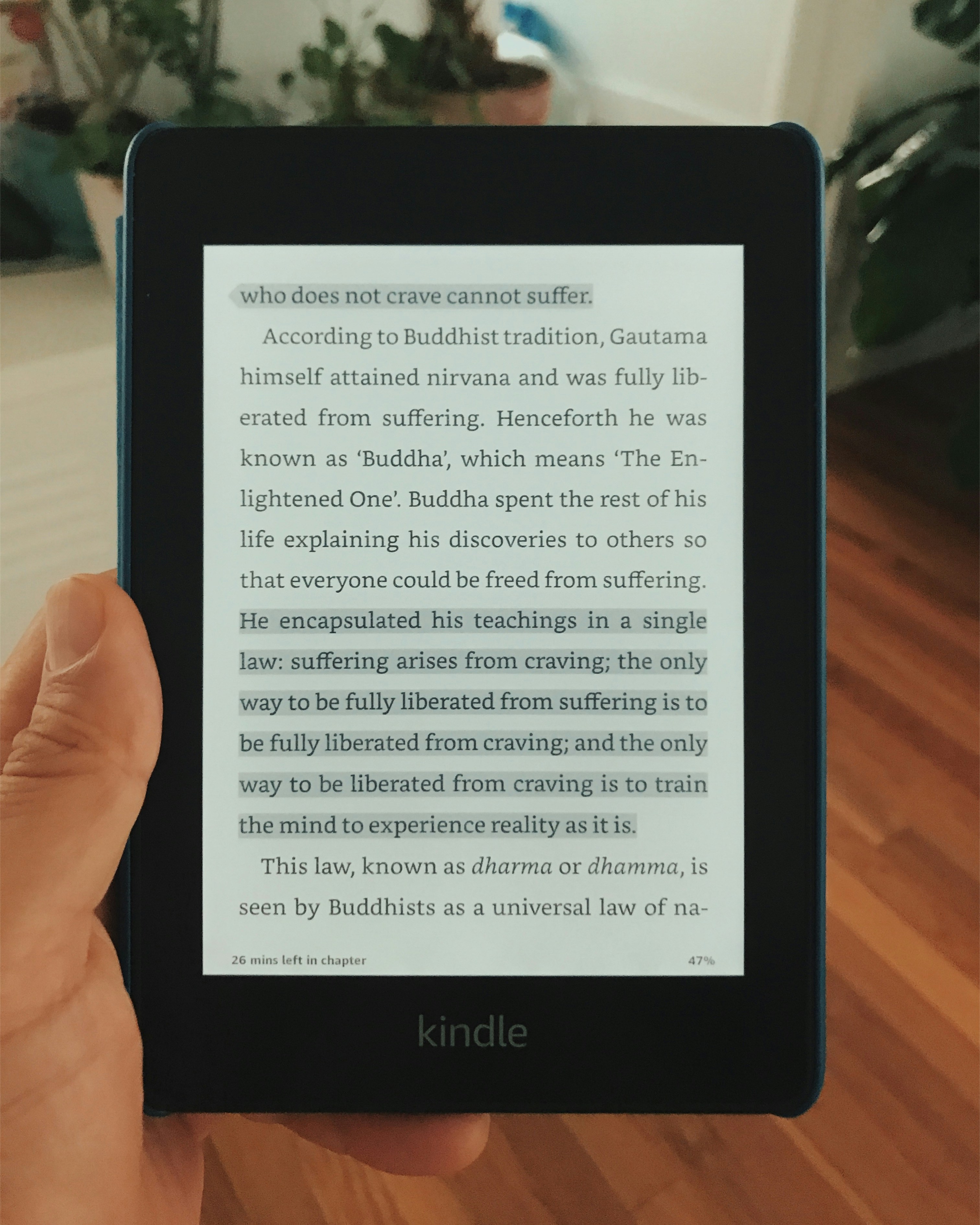
Introduction to the Concept of Measure-Zero
The concept of measure zero is a fundamental idea in mathematics, particularly in the field of measure theory, which studies the systematic way of assigning a size or volume to sets. Measure zero sets, also known as negligible sets, possess the intriguing property that they occupy no measurable space, despite potentially being infinite in number or complex in structure. For instance, the set of all rational numbers is uncountably infinite yet has a measure of zero within the real numbers, illustrating that some “large” sets can still be negligible in terms of their collective impact on a measurable continuum.
In a geometrical context, a line segment in a two-dimensional space possesses a measure of zero when compared to the area it represents. This suggests that we can have an infinite number of points along this line, yet when we consider the entire plane, the line has no area. The implications of this concept extend beyond mathematical abstraction into philosophical inquiries regarding existence and significance.
When exploring the relationship between suffering and consciousness, the concept of measure-zero can provide a fascinating lens. If we consider the vast spectrum of consciousness, certain forms of suffering may fall within the boundaries of measure zero, thus suggesting that they can be viewed as negligible in the holistic experience of existence. This perspective seeks to categorize and understand suffering within a broader framework, allowing for deeper philosophical discussions about the nature of pain, pleasure, and consciousness itself. By correlating mathematical principles with existential experiences, we open avenues for dialogue that may redefine traditional understandings of suffering within the human condition.
Understanding Suffering: A Philosophical Perspective
Suffering is a multifaceted concept that has been extensively analyzed within the realms of philosophy, psychology, and metaphysics. Philosophers have long debated the nature of suffering, its purpose, and its implications for the human experience. Various philosophical schools offer divergent views on suffering, with each attempting to contextualize its significance in the grand tapestry of existence.
For instance, the existentialist perspective posits that suffering is an inherent aspect of the human condition. Thinkers like Jean-Paul Sartre and Simone de Beauvoir suggest that individual suffering can lead to greater self-awareness and personal freedom. In this view, pain and anguish are not merely obstacles to be overcome but are essential for authentic existence. Existentialism argues that through confronting and grappling with suffering, individuals can derive meaning and purpose from their lives.
Conversely, the Stoic philosophers advocate for a different understanding of suffering. Stoicism teaches that external circumstances, including suffering, are beyond our control. Instead, the focus lies on our reactions and perceptions of pain. Through mental discipline and inner resilience, individuals can achieve a state of tranquility regardless of the suffering they experience. This perspective suggests that suffering is a measure of our response to adversity rather than an intrinsic measure of our being.
In contrast to these viewpoints, Buddhist philosophy offers a more nuanced interpretation. The Four Noble Truths encapsulate suffering (Dukkha) as an integral part of life, emphasizing the path toward liberation from suffering through ethical conduct, meditation, and wisdom. This fundamentally challenges the notion of suffering as merely a cosmic insignificance, as it is recognized as a critical aspect of the journey toward enlightenment.
Through these divergent philosophical interpretations, one can observe that suffering is not merely an isolated experience but a crucial component that shapes human existence. In examining its significance, we enrich our understanding of the human condition and our place in the universe.
The Dimensions of Mind: What Makes a Mind?
The concept of the mind encompasses a wide range of dimensions and characteristics that have been explored extensively in both psychological and neuroscientific spheres. At its core, a mind is often defined as the seat of consciousness, encompassing thoughts, emotions, perceptions, and sensations. Yet, defining what constitutes a “mind” necessitates a deeper dive into the factors that contribute to its complexity and functionality.
Neuroscience has revealed that the brain’s architecture is a fundamental component of the mind, with its intricate networks of neurons and synapses forming the basis for cognitive processes. Each mental state, whether it be decision-making, creativity, or emotional regulation, emerges from specific neural pathways activated during these activities. The inherent plasticity of the brain further complicates our understanding, as it adapts and reorganizes in response to experiences, thereby shaping the myriad of mental states a person can manifest.
From a psychological perspective, the dimensions of mind are characterized by a variety of mental states influenced by both biological and environmental factors. These can include aspects such as awareness, volition, and intentionality. For instance, consciousness can fluctuate between states of alertness and drowsiness, revealing how mental activity can vary in intensity and clarity. Furthermore, the richness of subjective experiences illustrates the diversity of minds, highlighting how individual perceptions of reality differ widely based on backgrounds, cultures, and life experiences.
Additionally, the interplay between cognitive and emotional dimensions forms the essence of human existence, where thoughts influence feelings and vice versa. This reciprocal relationship underscores the importance of understanding the mind not merely as a passive receiver of information but as an active participant in the construction of reality. As such, comprehending the mind requires a multidisciplinary approach that acknowledges both the biological underpinnings and the rich tapestry of human experience.
Suffering as a Measure-Zero Experience
In contemplating the nature of suffering within the grand landscape of cognitive experiences, one might glimpse a perspective wherein suffering could be classified as a measure-zero phenomenon. In mathematics and theoretical physics, a measure-zero set refers to a collection of points so small within a given space that it is practically negligible. This concept can be intriguingly applied to suffering in the context of the vast array of human (and potentially non-human) mental states.
Philosophical thought experiments, such as the “experience machine” proposed by Robert Nozick, challenge our understanding of happiness and suffering. If individuals can exist in a state of perpetual bliss, free from pain and suffering, it moves one to question the significance of suffering within our experiential framework. If the machine represents the pinnacle of happiness while rendering actual suffering non-existent, one might argue that suffering could be seen as an isolated, negligible event amidst the multitude of experiences that characterize human existence.
Moreover, the vast array of potential cognitive experiences introduces a significant disparity between suffering and the qualitative richness of other mental phenomena. This highlights a philosophical position that while suffering is impactful on an individual level, when regarded against the limitless spectrum of human emotions and thoughts, it assumes a positional stance of inconsequentiality. If we were to visualize the entirety of mental experiences across all sentient beings as a multidimensional space, it is conceivable that the dimensions attributable to suffering comprise a mere fraction, thereby asserting its status as a measure-zero experience.
By examining suffering from this vantage point, we unveil profound implications for how such experiences contribute to the broader tapestry of existence, provoking essential questions about the necessity of suffering, the conditions of consciousness, and the meaning of a life lived with pain in juxtaposition to one steeped in joy and fulfillment.
Cosmic Implications: What Does Negligibility Mean?
The concept of negligibility, particularly in a cosmic context, raises profound questions regarding the nature of suffering and its significance within the grand narrative of existence. To consider suffering as cosmically negligible implies viewing individual pain, misery, and existential crises as minuscule within the vast scope of the universe. This perspective invites us to explore the moral and ethical dimensions surrounding how individuals and societies respond to suffering.
From a philosophical standpoint, when suffering is perceived as negligible, it can lead to a form of existential dismissal where the struggles of sentient beings are overlooked. This raises serious ethical questions about the responsibilities that individuals and communities have towards alleviating suffering. If such experiences are deemed insignificant in the cosmic scale, it may contribute to an indifference that can perpetuate distress and systemic injustice.
Furthermore, the implications of defining suffering in this manner extend to larger existential discussions, including questions of meaning and purpose. Many human experiences—joy and sorrow, triumph and defeat—are interconnected within the fabric of consciousness. Negligibility, therefore, could undercut the foundations upon which our moral framework is constructed. Individuals and societies must grapple with their collective conscience to evaluate whether it is morally permissible to relegate suffering to a mere footnote in the expansive narrative of the cosmos.
In this light, the cosmic implications of viewing suffering as negligible stir a critical debate. Society stands at a juncture where it must weigh the significance of individual experiences against the backdrop of a boundless universe. Such a balance may allow for a comprehensive understanding of our ethical obligations toward fostering systems that prioritize compassion, empathy, and the recognition of suffering as an integral aspect of human experience.
The proposition that suffering is cosmically negligible invites significant counterarguments, underscoring the far-reaching implications of suffering in human lives. From a psychological standpoint, suffering serves as a critical catalyst for personal development and identity formation. Psychologists like Viktor Frankl have highlighted how individuals often derive profound meaning from their struggles, suggesting that suffering can cultivate resilience and lead to transformative life experiences. Within psychotherapy, understanding one’s suffering is essential for healing, often reframing pain as an integral part of the human condition rather than a negligible aspect of existence.
Moreover, in the realm of sociology, suffering plays a pivotal role in shaping social structures and cultural narratives. Collective suffering experienced by communities—whether from war, poverty, or discrimination—can galvanize social movements and foster a sense of solidarity among individuals. This shared experience can lead to significant socio-political change, indicating that suffering is not merely an individual experience but a collective force that can reshape societies. The sociological perspective recognizes that the narratives built around suffering contribute to cultural identity, guiding communities in their shared quests for justice and equality.
From a humanitarian perspective, the recognition of suffering is fundamental to ethical considerations and moral obligations. Organizations dedicated to alleviating human suffering, such as humanitarian NGOs, emphasize that suffering should not be dismissed as negligible. Instead, these organizations advocate for increased awareness and action to address the challenges faced by vulnerable populations. In this regard, understanding the significance of suffering is not only a philosophical issue but a practical concern that demands appropriate responses from individuals and societies alike.
Intersections with Mental Health and Well-being
The perception of suffering as a cosmically negligible phenomenon evokes critical questions about its implications for mental health discourse. When suffering is regarded merely as a measure-zero entity, it risks becoming an overlooked aspect of clinical practice and therapy. This trivialization can lead to inadequate responses from mental health professionals who may prioritize more overtly expressed emotional and psychological distress, thereby failing to address the subtler, often pervasive forms of suffering that individuals experience.
The implications of treating suffering as negligible can extend far beyond individual therapy settings. Societal attitudes towards suffering can become skewed, fostering an environment where those grappling with mental health challenges feel compelled to downplay their experiences. This pressure undermines the authenticity of their emotions and perpetuates a stigma surrounding mental health issues, which in turn complicates their journey toward healing and recovery.
Furthermore, framing suffering within the concept of measure zero may strip away the validation that individuals seek during their most challenging moments. It is essential to recognize that suffering, even when it is not overtly expressed, can significantly impact an individual’s mental well-being and overall quality of life. Acknowledging the spectrum of suffering—ranging from acute crises to chronic low-level distress—enables mental health practitioners to adopt a more comprehensive approach to therapy, one that integrates these realities into treatment plans.
Consequently, a reevaluation of how suffering is treated in mental health discourse is imperative. By shifting the perspective from measure zero to a more inclusive understanding of suffering, professionals can facilitate a dialogue that empowers individuals to disclose their distress without fear of dismissal. Such an approach would not only enhance therapeutic relationships but also contribute to a more compassionate society where mental health challenges are met with understanding and support.
Philosophical and Scientific Synapses: Bridging the Gap
The intersection of philosophy and science presents a fertile ground for exploring the complexities surrounding consciousness and suffering. Within this interdisciplinary dialogue, significant philosophical inquiries challenge the scientific frameworks used to understand human experiences. Notably, thinkers such as Daniel Dennett and Thomas Nagel have contributed vastly different perspectives on consciousness that shed light on the nature of suffering. Dennett, a proponent of a functionalist approach, suggests that conscious experiences arise from cognitive processes rather than a singular essence of awareness. In contrast, Nagel emphasizes the subjective character of experience, particularly when addressing suffering, declaring that an organism’s inner feel is crucial for understanding its plight.
From a scientific standpoint, recent studies in neuroscience have begun to delineate the biological underpinnings of suffering. Functional magnetic resonance imaging (fMRI) studies highlight distinct brain regions activated during experiences of pain and emotional distress. These insights ground philosophical discussions in empirical evidence, suggesting that suffering, though subjective, has measurable correlates in the neural architecture of the human brain. Moreover, research into pain perception and thresholds reveals that suffering can be perceived variably across individuals, influenced by emotional, psychological, and social factors.
The dialogue between philosophy and science illuminates how measures of suffering can be contextualized within the broader human experience. Philosophers like John Stuart Mill have framed suffering within utilitarian contexts, prompting ethical discussions about alleviating pain and enhancing well-being. This moral imperative aligns with scientific findings emphasizing the importance of compassion and empathy in mitigating suffering. Through a thorough examination of how these fields inform one another, we find a more comprehensive understanding of suffering as both an individual experience and a phenomenon influenced by biological and socio-cultural variables.
Conclusion: Rethinking Our Relationship with Suffering
Throughout this exploration, we have delved into the intriguing concept of suffering as it relates to cosmic significance. The notion of measure zero in the mind space offers a unique perspective that can change how we perceive our own struggles and those of others. Suffering, often viewed through a lens of negativity, might possess rich potential for learning, growth, and development when contextualized appropriately.
As we navigate the complexities of human experience, it becomes increasingly important to adopt a nuanced perspective on suffering. Rather than dismissing pain as merely an unfortunate aspect of life, we should recognize its potential role in fostering resilience and empathy. By viewing suffering through a cosmic lens, we acknowledge that while it plays a significant role in individual lives, it may indeed be negligible in a broader, universal context.
This understanding should provoke a thoughtful reflection on how suffering shapes our interpersonal relationships. When we engage with others, recognizing their suffering as part of the human experience can facilitate deeper connections and foster compassion. It encourages a collective acknowledgment of pain that transcends individual experiences, allowing for greater solidarity and support among communities.
In conclusion, the exploration of suffering within the framework of measure zero leads us to reconsider its place in our lives. By embracing a more holistic view, we can transform our relationship with suffering. This evolution in perspective has the potential to enhance our interactions with ourselves and the world around us, ultimately guiding us towards a more compassionate existence. The cosmic implications of suffering invite us to ponder not only our own journeys but also the communal pathways we forge through our shared experiences of pain and healing.