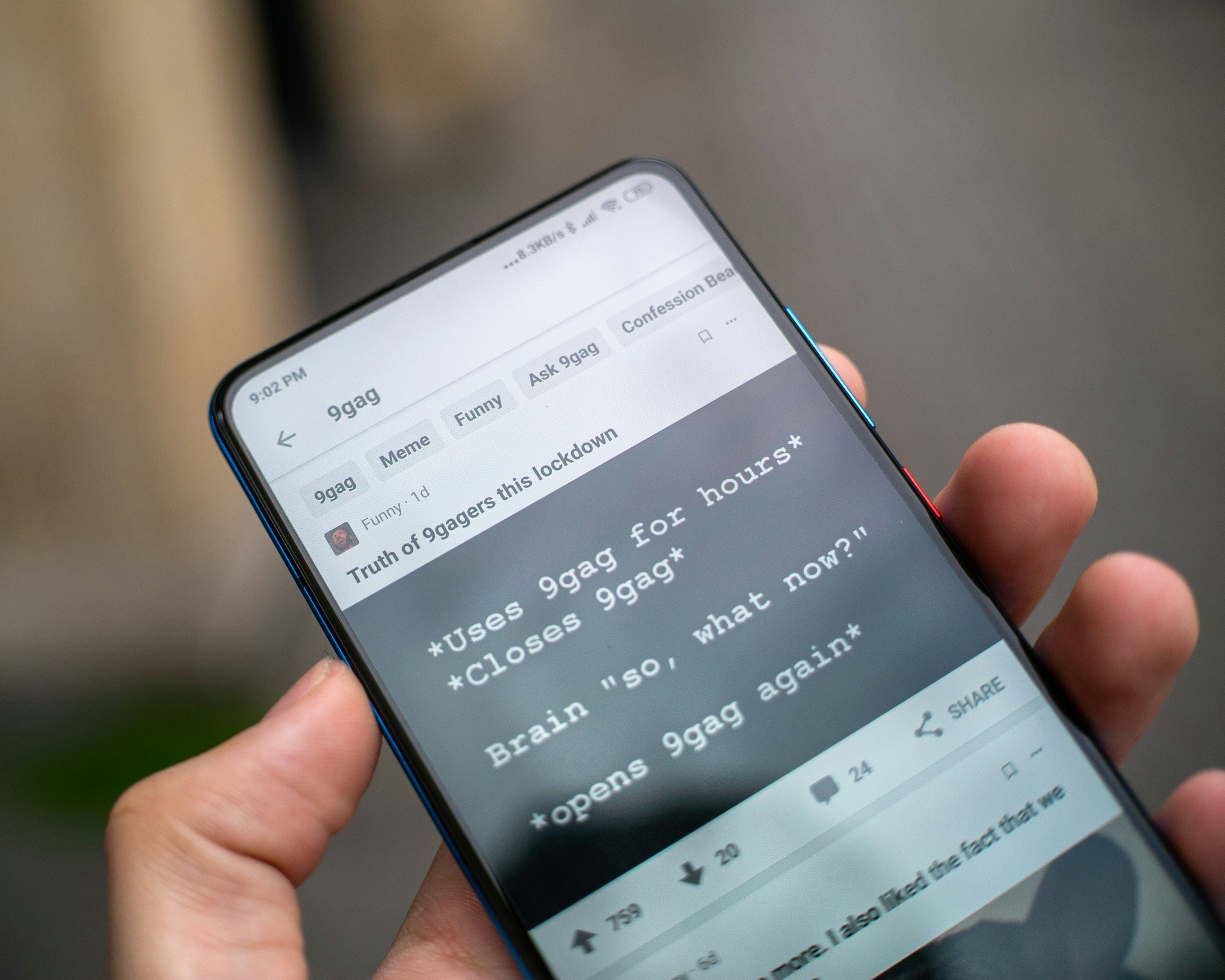
Introduction to Memes and Internet Culture
In contemporary internet culture, the concept of memes holds a significant place, serving as a powerful vehicle for expression, commentary, and social interaction. A meme is typically defined as an idea, behavior, or style that spreads within a culture through imitation. Originally coined by the British evolutionary biologist Richard Dawkins in his 1976 book “The Selfish Gene,” the term has evolved to encompass a variety of formats in the digital realm, including images, videos, and text-based posts that resonate with users on different platforms.
The evolution of memes is closely tied to the development of the internet itself. From simple image-based jokes in the early days of online forums to the complex and layered creations we see today on social media, memes have shifted dramatically. Early examples included the “Doge” meme, characterized by a Shiba Inu with comedic captions, showcasing how a single image could encapsulate humor and shared understanding in the digital age. As internet culture advanced, so have memes diversified into various sub-genres, ranging from political satire to relatable everyday scenarios.
Memes have not only transformed the way we communicate but also serve as powerful tools for shaping public discourse and trends. They facilitate the rapid dissemination of ideas, often reflecting the sentiments of the masses. Through humor, irony, or absurdity, memes can spark conversations around social issues, political movements, and cultural phenomena. This participatory nature allows users to engage with and reinterpret content, contributing to an ongoing dialogue that is both immediate and far-reaching. As we explore the potential of the “Distracted Boyfriend” template as the last surviving human meme, it is essential to recognize the broader implications of memes in our social landscape.
Understanding the Distracted Boyfriend Meme
The Distracted Boyfriend meme, a widely recognized emblem of internet culture, originated from a stock photograph taken by Antonio Guillem in 2015. This image depicts a man looking back at another woman while his girlfriend looks at him in disapproval. The photograph captures a relatable moment, and its initial presence on stock photo websites facilitated its rise in popularity as various users sought to use the image in different contexts.
Its emergence as a meme began around early 2017 when social media users started to overlay text on the image, highlighting the humorous contrast between the boyfriend’s distracted gaze and the disapproving look of his girlfriend. This basic structure allows for diverse interpretations, with individuals applying it to numerous scenarios involving competing priorities or distractions in everyday life. From social commentary to personal anecdotes, the meme’s adaptability speaks to a universal experience of temptation and societal expectations.
The versatility of the Distracted Boyfriend meme has played a crucial role in its widespread appeal. Various adaptations have emerged across different platforms, from Twitter to Instagram, often incorporating current events, popular culture, and political themes. For example, users may label the boyfriend as a person or concept that represents a fleeting interest, the girlfriend as a more serious obligation or responsibility, and the other woman as a tempting yet unworthy distraction. This framework allows for commentary on anything from social media habits and relationship dynamics to trends in consumerism.
As the meme continues to evolve, it serves as a testament to the creativity of internet users and their inclination to repurpose content for humorous or satirical effect. The Distracted Boyfriend meme has successfully transitioned from a simple stock photo to an enduring symbol of modern relationships and distractions in a rapidly changing world, demonstrating the powerful connection between visual imagery and social commentary.
The Impact of the Distracted Boyfriend Meme on Society
The Distracted Boyfriend meme has emerged as a significant cultural phenomenon, reflecting contemporary societal norms and attitudes. This meme, which portrays a man turning his head to admire another woman while his girlfriend looks on disapprovingly, serves as a visual metaphor for distraction and changing priorities in various contexts. Its widespread appeal lies in its ability to succinctly communicate complex ideas that many people can relate to in their daily lives.
One of the key aspects of the Distracted Boyfriend meme is its commentary on relationships. It encapsulates the struggle between temptation and commitment, resonating with individuals across different demographics. The meme illustrates a common scenario of someone feeling torn between existing obligations and alluring alternatives. As such, it has been widely adopted to express sentiments about infidelity, desire, and emotional conflict, thereby fostering discussions around the dynamics of romantic relationships.
Moreover, the meme transcends personal interactions and is frequently utilized in political and social contexts. The visual simplicity of the meme allows it to vividly depict the conflicts of interest that often characterize decision-making processes. For instance, the boyfriend can represent a politician, while his girlfriend might symbolize constituents, and the woman he is distractingly looking at could signify appealing policies or ideologies. This layered interpretation makes the Distracted Boyfriend meme a powerful tool in social commentary, enabling users to critique various societal issues or highlight inconsistencies in behavior and rhetoric.
Overall, the Distracted Boyfriend meme not only entertains but also serves as a mirror reflecting society’s shifting values and priorities. Its ability to encapsulate relatable experiences and broader sociopolitical phenomena positions it as a significant cultural artifact, capable of generating meaningful discourse about our collective dilemmas.
The Evolution of Meme Culture
The evolution of meme culture is a fascinating reflection of the rapid changes in technology, communication styles, and societal trends. Initially, internet memes such as the “Doge” and “LOLcats” exemplified simple humor and were primarily shared across relatively basic platforms like forums and early social media. These early memes relied heavily on text overlay on images, which made them accessible and easily created by users without any specialized skills.
As the internet landscape evolved, so too did the complexity and style of memes. The emergence of platforms such as Instagram and Twitter introduced new dimensions to meme sharing, allowing for a more dynamic interplay between visual and textual elements. Memes began to incorporate pop culture references and intricate storytelling, engaging audiences in a way that earlier formats did not. The “Distracted Boyfriend” meme, for example, utilizes a relatable narrative structure to comment on various social situations and choices, highlighting this shift towards more sophisticated content.
Moreover, the rapid dissemination of memes through social media has transformed user engagement. Platforms like TikTok have introduced short-form video as a medium for memes, leading to creative reinterpretations that combine visual storytelling with humor in innovative ways. This shift demonstrates how technology not only facilitates the spread of memes but also shapes their content, often making them more versatile and interactively relevant.
This evolution suggests that as internet users grow increasingly savvy and demanding in terms of content quality, memes must adapt to meet these expectations. The “Distracted Boyfriend” meme exemplifies this trend—its versatility in representing various themes across contexts underscores the ongoing transformation within meme culture. The interplay of technology and creativity continues to drive the evolution of memes as they become a central part of modern communication.
The Lifecycle of a Meme
The lifecycle of a meme typically encompasses several distinct phases: creation, popularity, and eventual decline. This progression provides insight into how memes resonate with audiences and the factors contributing to their success or failure.
Initially, memes are born out of creativity, often sparked by cultural events or viral media. The initial stage involves the meme being shared among a close-knit group, primarily through social media platforms. When a meme catches the attention of a wider audience, it enters the second phase: popularity. During this period, memes can experience a dramatic increase in shares, adaptations, and remixes, amplifying their visibility significantly. For example, the Distracted Boyfriend meme, which rapidly gained traction in 2017, showcases how a single image can be repurposed into countless scenarios, appealing to diverse audiences and serving various contexts.
As memes reach peak popularity, they often become embedded within cultural dialogues, with individuals incorporating them into conversations, marketing campaigns, and various forms of media. However, this fame can be fleeting; as newer memes emerge and capture the zeitgeist, the once-revered memes begin to decline in recognition and relevance. This decline may occur gradually or abruptly, depending on the introduction of compelling alternatives in the meme landscape. The aforementioned Distracted Boyfriend meme illustrates this phenomenon well, enjoying considerable success but also facing competition from newer formats that resonate more with contemporary social contexts.
Ultimately, the lifecycle of a meme highlights the transient nature of digital culture, where popularity is influenced by constant innovation and changing societal trends. The status of memes like the Distracted Boyfriend serves as a case study for exploring these dynamics, emphasizing how the lifecycle understands the meme’s relevance in an ever-evolving landscape.
Can the Distracted Boyfriend Meme Survive the Test of Time?
The Distracted Boyfriend meme gained immense popularity shortly after its inception, captivating audiences worldwide with its catchy visuals and relatable themes. As the landscape of internet culture continues to evolve, a pertinent question arises: Can this meme maintain its relevance over time? The longevity of the Distracted Boyfriend meme hinges on several crucial factors that merit discussion.
One major aspect influencing its survival is audience engagement. Memes thrive on their ability to resonate with the current mood or sentiments of the public. As societal values and humor shift, content may be repurposed or fall from favor. The Distracted Boyfriend meme, while playful and humorous, may require adaptation to remain relatable as cultural contexts change. This versatility in interpretation may provide it the longevity necessary to endure in rapidly shifting digital spaces.
Additionally, the emergence of competing memes plays a significant role in determining whether the Distracted Boyfriend can retain its status. New memes continually surface, often capturing the attention of online communities and vying for engagement. As fresh ideas proliferate, older memes may be relegated to the background. However, if the Distracted Boyfriend meme can adapt or be recontextualized to incorporate current trends or social narratives, it may stand a better chance of continuing its popularity.
Lastly, the potential for reinterpretation or revival cannot be overlooked. Memes often experience cycles of popularity, where they may fade and later resurface as new audiences discover them. The enduring appeal of the Distracted Boyfriend meme could lie in its inherent simplicity, allowing it to be freshened up with modern references or visuals. This adaptability may just be the key to its survival amid the fluctuating terrain of internet culture.
The Future of Memes: Predictions and Speculations
As we look to the future of memes, it becomes evident that the evolution of this cultural phenomenon is influenced by several factors, including technological innovations and changing audience preferences. Experts predict that memes will continue to evolve as more people engage with digital media, and the techniques for meme creation become more accessible. This democratization of content generation is catalyzed by user-generated content platforms, where anyone can contribute to the meme landscape, potentially leading to the emergence of new formats and styles.
Artificial intelligence (AI) is predicted to play a significant role in shaping the future of memes. With advancements in AI, content creation could become even more innovative, allowing creators to generate high-quality visuals and captions that align with current trends. AI-powered tools may also analyze viral patterns, providing insights that can help in crafting memes that resonate with audiences. This shift could lead to a surge in viral content, including iterations of iconic templates like the Distracted Boyfriend.
Moreover, the future of memes is likely to be intertwined with social media platforms. As these platforms evolve, they may introduce new features that enhance the sharing and dissemination of memes. For instance, augmented reality (AR) and virtual reality (VR) may lead to immersive meme experiences, allowing users to interact with content in novel ways. The blending of different media formats could further enhance the meme culture, giving rise to more complex narratives and emotional connections within the meme community.
As we anticipate these changes, it is crucial for content creators to stay attuned to shifting dynamics within the meme landscape. Understanding audience engagement and the cultural implications behind memes will allow for the continuance of relatable and impactful content. This speculative outlook suggests an exciting future for memes, with a potential path where iconic formats like the Distracted Boyfriend may continue to thrive, adapt, and inspire generations to come.
Cultural Reflections and Critiques
The Distracted Boyfriend meme has gained acceptance as a staple in the contemporary digital landscape, serving both as a source of entertainment and as a medium for critical societal reflection. Its recognizable format, depicting a man looking at another woman while disregarding his girlfriend, has transcended its initial comedic intent to address a multitude of cultural topics ranging from relationship dynamics to broader societal issues such as capitalism, consumerism, and attention validation.
Memes like the Distracted Boyfriend have the capacity not only to entertain but also to critique societal norms. They present a unique method for engaging with serious subjects, often in a simpler manner that resonates especially well with younger audiences. For example, the meme may evoke discussions about the fleeting nature of modern relationships or the tendency to prioritize superficial attractions over meaningful connections. However, this approach is not without its pitfalls; the simplified portrayal of complex issues can sometimes lead to misunderstandings or trivialization of serious themes.
Critics argue that the use of such memes can occasionally lack depth, reducing conversations on intricate subjects to mere jokes. This raises concerns around cultural insensitivity, particularly when the meme is applied to situations involving race, gender, or socioeconomic status. The risk of reinforcing stereotypes or perpetuating negative beliefs is notable, as the context in which a meme is shared can vary significantly across different audiences. Thus, it is essential for creators and audiences alike to be mindful of the implications of using such memes.
In essence, while the Distracted Boyfriend meme may provoke humor and thought, it also demands a careful examination of its cultural impact. The dual nature of memes in both entertaining and critiquing highlights the need for critical engagement with the content we consume and share, ensuring that we foster a culture that values respect alongside humor.
Conclusion: The Legacy of the Distracted Boyfriend Meme
The Distracted Boyfriend meme has undeniably etched itself into the annals of internet history, representing a cultural moment where humor and societal commentary converge. Emerging in 2017, this particular meme quickly ascended to prominence, becoming a versatile tool for expressing relatable sentiments about priorities and distractions in modern life. As the meme spread across various platforms, it transformed into a canvas for users to articulate everything from personal dilemmas to broader societal issues.
Throughout this exploration, we have highlighted the meme’s unique characteristics, including its easily recognizable format and the universal nature of its message. The appeal lies in the simplicity of the imagery combined with the depth of interpretation it allows. From relationship dynamics to consumer behavior, the Distracted Boyfriend meme serves as a reflection of contemporary experiences that resonate with a wide audience.
As we look toward the future, one cannot help but ponder the longevity of the Distracted Boyfriend meme. Given the rapid evolution of meme culture, which thrives on novelty and topical relevance, its sustained popularity may be uncertain. Homages, parodies, and variations will likely emerge but might dilute the impact of the original. Furthermore, as new meme formats and trends gain traction, the role of this meme in the larger landscape of internet culture invites discussion about the nature of memes themselves—how they evolve, fade, and, at times, unexpectedly resurface.
In examining the legacy of the Distracted Boyfriend meme, it is clear that it has become more than just a fleeting image; it represents a societal narrative that continues to be relevant. Whether it remains a poignant reminder of modern distractions or becomes an iconic artifact of past internet lore, its impact will undoubtedly continue to be felt in the realm of memes for years to come.