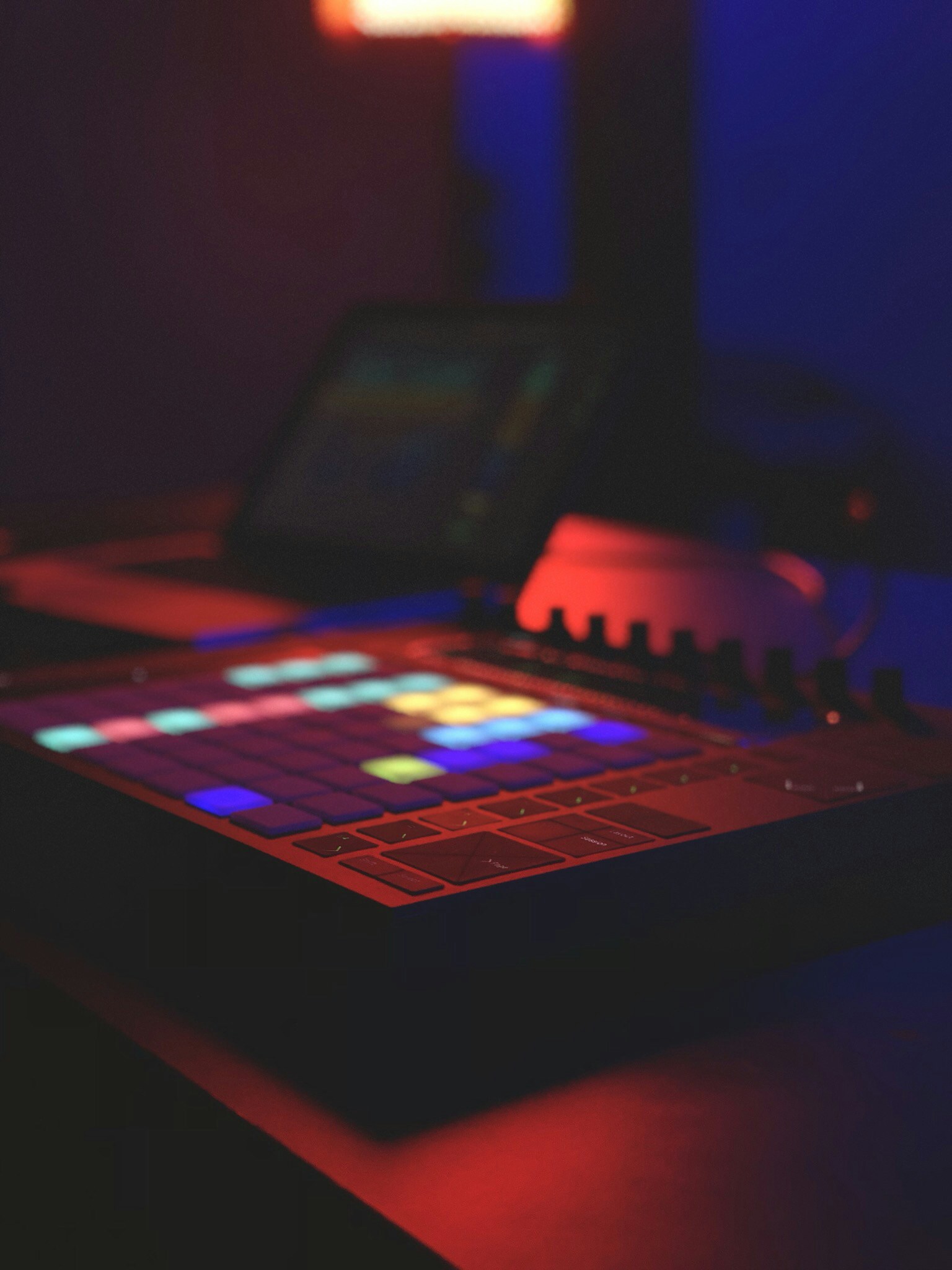
Introduction to Music Generation
Music generation, a fascinating intersection of creativity and technology, has been significantly transformed by the advent of artificial intelligence (AI). AI-powered tools such as MusicGen and MusicLM allow users to create complex melodies from simple text inputs, providing an innovative approach to music composition. The rise of these technologies reflects a broader trend where AI is increasingly influencing artistic endeavors, making the once-perceived creative processes more accessible to a wider audience.
The significance of AI in music creation cannot be understated. These sophisticated algorithms enable not just the replication of existing musical styles but also the exploration of new genres and soundscapes, offering composers and musicians unprecedented opportunities for experimentation. By utilizing vast databases of musical knowledge and pattern recognition, AI-driven music generation tools can blend diverse elements to create uniquely appealing compositions.
As technology reshapes the landscape of music composition, the ability for anyone to generate music merely by typing a few words has democratized the artistic process. This innovation enables hobbyists and professionals alike to express their creative ideas without the need for extensive formal training or access to traditional musical instruments. The convergence of text and music through AI tools exemplifies a new era in composition, where imagination is the only limit.
Understanding the mechanics behind music generation is essential for appreciating its impact on the industry. By examining how music is created from text using models like MusicGen and MusicLM, we can recognize the emerging possibilities and challenges in this dynamic field. As AI continues to evolve, it poses intriguing questions about the nature of creativity and the future role of musicians in a world where technology can compose music autonomously.
What is MusicGen?
MusicGen is an innovative music generation system that employs advanced machine learning techniques to convert textual input into captivating melodies. Developed by researchers aiming to integrate artificial intelligence with music composition, MusicGen harnesses vast datasets of musical compositions and styles, which enables it to generate musical pieces that align with user-defined parameters.
The system’s architecture is built on sophisticated algorithms designed to understand the nuances of music theory. By analyzing the relationships between musical notes, rhythms, and styles, MusicGen can create diverse musical outputs, reflecting different genres—from classical to contemporary pop. This capability allows users, whether professional composers or casual enthusiasts, to specify desired attributes such as mood, style, and instrumentation, resulting in tailored musical selections.
At the heart of MusicGen’s functionality is a combination of deep learning models and complex data processing techniques. These models learn from a plethora of musical works, efficiently capturing patterns and structures prevalent in various genres. Consequently, MusicGen not only composes unique melodies but also adapts to the user’s intent by understanding the emotional and contextual cues within the input text.
Furthermore, the ease of use provided by MusicGen makes it accessible to a wide audience. Users can input simple descriptions or elaborate narratives, and the system translates these texts into fully realized musical compositions. This democratization of music creation, combined with the technology’s ability to produce high-quality sound, signifies a transformative shift in how music is composed and experienced.
Exploring MusicLM
MusicLM represents a significant advancement in the realm of music generation technologies, particularly in its ability to transform textual prompts into musical compositions. Unlike its predecessor, MusicGen, which primarily relies on a more straightforward generative model, MusicLM implements a sophisticated series of algorithms that explore deeper layers of interpretation and creativity. The core of MusicLM’s functionality lies in its ability to comprehend nuanced language structures, capturing the emotional essence and contextual subtleties embedded within the text.
The architecture of MusicLM is constructed around a transformer network, which allows for the hierarchical processing of textual information. This results in the generation of music that is intricately tied to the descriptive cues provided in the input text. For instance, when given a prompt that conveys specific moods or scenarios, MusicLM sets out to deliver compositions that resonate with the intended emotional tone, creating a more immersive experience for listeners.
Another notable aspect of MusicLM is its training on a diverse dataset that encompasses various musical genres and styles. This broad exposure enhances its ability to generate music that is not only harmonious but also stylistically flexible. By training on a range of musical examples, MusicLM can better understand the characteristics that define different genres, allowing it to produce compositions that authentically reflect the desired style specified in the prompt.
Furthermore, MusicLM incorporates an iterative feedback loop whereby the generated compositions can be refined based on user input. This interactivity is a crucial feature that distinguishes it from traditional models, enabling users to influence the final output continuously. As such, MusicLM not only generates melodies from text but does so with an unprecedented level of customization and responsiveness to user preferences.
The Technology Behind Music Generation
Music generation technologies such as MusicGen and MusicLM rely heavily on advanced computational techniques that intertwine various fields, including neural networks, natural language processing (NLP), and audio synthesis. At the core of these processes are neural networks, specifically deep learning models that have effectively transformed the way machines interpret and generate music. These models are designed to simulate the intricate workings of the human brain, employing layers of artificial neurons that process data inputs in a structured manner.
In the context of music generation, NLP plays a significant role. This technology enables machines to comprehend and process text input effectively, converting linguistic constructs into musical ideas. When a user inputs textual descriptions or specific themes for a musical piece, NLP algorithms analyze this input for contextual meaning and emotional tone. By understanding sentiment and intent, these systems can make informed decisions about melody structures, harmonization, and rhythmic patterns.
Furthermore, audio synthesis techniques facilitate the conversion of processed data into audible sound. This step involves generating sound waves from the structured outputs of neural networks. Techniques such as sample-based synthesis, where existing audio samples are manipulated, and parametric synthesis, which creates sound based on preset parameters, are commonly employed. These methods allow for dynamic sound creation that resonates with the user’s musical vision.
Theoretically, the process can be summarized as a loop that begins with text input, progresses through NLP for contextual understanding, utilizes neural networks for pattern recognition, and concludes with audio synthesis to produce complete musical compositions. This intricately designed system showcases the potential of combining various technological disciplines to generate unique and engaging music from textual descriptions, heralding a new era of creativity in music generation.
Parsing Text into Musical Concepts
The process of converting text descriptions into musical concepts is crucial for music generation systems like MusicGen and MusicLM. These advanced AI models employ sophisticated linguistic processing techniques to interpret text and extract meaningful attributes such as mood, rhythm, and genre. Understanding the subtleties of language allows these models to create compositions that resonate with user intentions.
Initially, the AI analyzes the provided text input to recognize keywords and contextual cues. This step is essential because it establishes a foundation for identifying the emotional tone and stylistic elements of the desired music. For example, terms like “uplifting” or “melancholic” signal specific emotional expressions that influence how melodies are constructed. By dissecting the language used, the models ascertain whether the user aims for a lively beat or a slower, reflective tempo.
Moreover, both MusicGen and MusicLM incorporate deeper linguistic understanding, including idiomatic expressions and genre-specific terminology. This capability allows them to align the generated music with various musical genres, whether it be classical, jazz, or pop. Such intricate parsing supports a more nuanced output that mirrors user expectations.
The rhythm aspect is also pivotal; parsing the text helps determine not only the tempo but also rhythmic patterns that might be implied within the description. For instance, a description that includes references to dance might lead to a more syncopated rhythm, whereas a cinematic theme might result in a more grandiose, sweeping movement.
In summary, the ability of MusicGen and MusicLM to parse text into musical concepts signifies a significant advancement in AI music generation. By interpreting language intricately, these models produce music that is not only technically sound but also emotionally engaging, thereby enhancing the overall experience for users seeking to generate melodies from their textual descriptions.
User Experience: How to Generate Music
Creating music using tools like MusicGen and MusicLM presents an exciting opportunity for users to explore their creativity through technology. Both platforms allow users to generate original melodies from text descriptions, making the process of music composition more accessible. To begin generating music, users must first familiarize themselves with the interface, which typically includes input fields for text prompts and playback options to listen to the generated melodies.
When interacting with MusicGen or MusicLM, the text input plays a crucial role. Users can describe the type of music they desire by including specific details, such as the mood, tempo, genre, or even specific instruments they would like to hear. For instance, a prompt like “an upbeat jazz melody with a saxophone” can guide the tool in producing music that aligns closely with the user’s vision. It is essential to be both descriptive and concise in the input for optimal results.
Moreover, both platforms usually offer additional features that enhance the user experience. Some may include options to adjust the complexity of the generated music, the ability to specify length, or even control over dynamics and harmony. Incorporating these features can significantly improve the quality of the final output. Users can experiment with different inputs and settings, allowing them to refine their desired outcomes further. It’s advisable to iterate on the prompts provided; the more users engage with the tools, the better they’ll understand how text inputs influence the generated sounds.
Additionally, users should take advantage of community resources, such as forums and tutorials, that often accompany these music generation tools. These resources can provide valuable insights, tips, and examples from other users, which can enrich the creative process. Overall, by utilizing a clear and imaginative approach to text input, and leveraging available features, users can effectively harness the capabilities of MusicGen and MusicLM to create unique musical compositions.
Advantages and Limitations of Music Generation Tools
Music generation tools such as MusicGen and MusicLM have emerged as innovative solutions, enabling users to create melodies from textual descriptions. One significant advantage of these platforms is their accessibility. They democratize music creation, allowing individuals without formal training in music composition to experiment and produce original pieces. This opens up new avenues for creative expression, catering not only to musicians but also to writers, artists, and content creators who seek to enhance their work with personalized soundtracks.
Another notable strength is the adaptability of these tools to various musical styles. MusicGen and MusicLM can generate compositions that reflect a wide range of genres, from classical to contemporary pop. This versatility encourages experimentation and diversity in music production, fostering a rich interplay of artistic influences. Moreover, the ability to adjust parameters and receive instant feedback results in an iterative process that can lead to more refined outcomes.
However, there are limitations to consider when using these advanced music generation tools. One major concern is the potential over-reliance on technology, which can lead to a dilution of personal creativity. As users become accustomed to automated outputs, there is a risk that their unique artistic voice may be overshadowed by generic compositions generated by algorithms. Furthermore, the quality of outcomes may vary, and some users may encounter pitfalls, such as disjointed melodies or a lack of coherence in the final pieces.
Additionally, the emotional depth that human composers imbue in their music can sometimes be absent in machine-generated compositions. The emotional nuances and thematic intricacies often found in traditional music might not fully translate in works produced by tools like MusicGen and MusicLM. These limitations suggest that while music generation tools offer substantial benefits, they should be seen as complements to, rather than substitutes for, human creativity and artistry.
Real-Life Applications of AI Music Generation
Artificial intelligence has made significant strides in various fields, and music generation is no exception. Tools like MusicGen and MusicLM have ushered in a new era of possibilities, enabling users to create music from text input. This technology has found practical applications across multiple industries, transforming the way music is composed and produced.
One of the most notable applications of AI music generation is in film scoring. Film composers traditionally invest considerable time in creating soundtracks that enhance the emotional depth of a movie. However, with MusicGen and MusicLM, filmmakers can quickly generate soundtrack variations based on specific scenes or moods, allowing for rapid exploration of musical themes. This not only saves time but also encourages creative experimentation, leading to unique auditory experiences.
In the gaming industry, the integration of AI-generated music is also becoming increasingly prevalent. Video game developers require adaptive soundtracks that evolve according to gameplay, which can be a daunting challenge. By harnessing AI music generation, developers can produce dynamic compositions that respond in real time to player actions, enhancing immersion and engagement. This technology allows for personalized music experiences, where each player’s journey is accompanied by a unique soundtrack tailored to their actions.
Beyond professional applications, AI music generation is also influencing personal creativity. Musicians and hobbyists are now able to experiment with composing their own melodies with relative ease. With platforms utilizing MusicGen and MusicLM, users can input themes or lyrics and receive fully realized musical pieces almost instantaneously. This democratizes music creation, making it accessible to those without formal training, and fosters a community of diverse musical expressions.
As we observe these advancements, it becomes clear that MusicGen and MusicLM are not only reshaping the professional landscape but also inspiring personal creativity, ultimately enriching the global music community.
Future Trends in AI Music Generation
The future of AI music generation appears profoundly promising, with ongoing advancements pushing the boundaries of creativity and innovation in musical composition. Technologies like MusicGen and MusicLM have already demonstrated significant capabilities in transforming textual prompts into compelling melodies. As these systems evolve, we can anticipate a broader range of features and functionalities that adapt fluidly to the creative needs of musicians and creators.
The development of machine learning algorithms will likely enhance the ability of AI tools to understand complex musical structures and styles, allowing for more nuanced compositions that resonate with diverse audiences. This shift could lead to AI systems becoming collaborative partners in the creative process, capable of not only generating music but also assisting composers in exploring new genres and sonic landscapes that reflect contemporary cultural dynamics.
Moreover, the music industry is expected to experience shifts in how music is produced, distributed, and consumed. As AI tools become more accessible, independent artists might find themselves empowered to create high-quality music without the need for extensive resources or traditional gatekeepers. This democratization of music production could foster a flourishing ecosystem of innovation, where new sounds and artistic expressions emerge from unexpected sources.
Additionally, ethical considerations will play a critical role in shaping the evolution of AI music generation. Discussions surrounding copyright, ownership, and the role of human creativity in AI-generated music will be paramount. As we advance towards a future wherein AI actively participates in artistic endeavors, defining clear guidelines and frameworks will be essential to safeguard the interests of both creators and audiences alike.