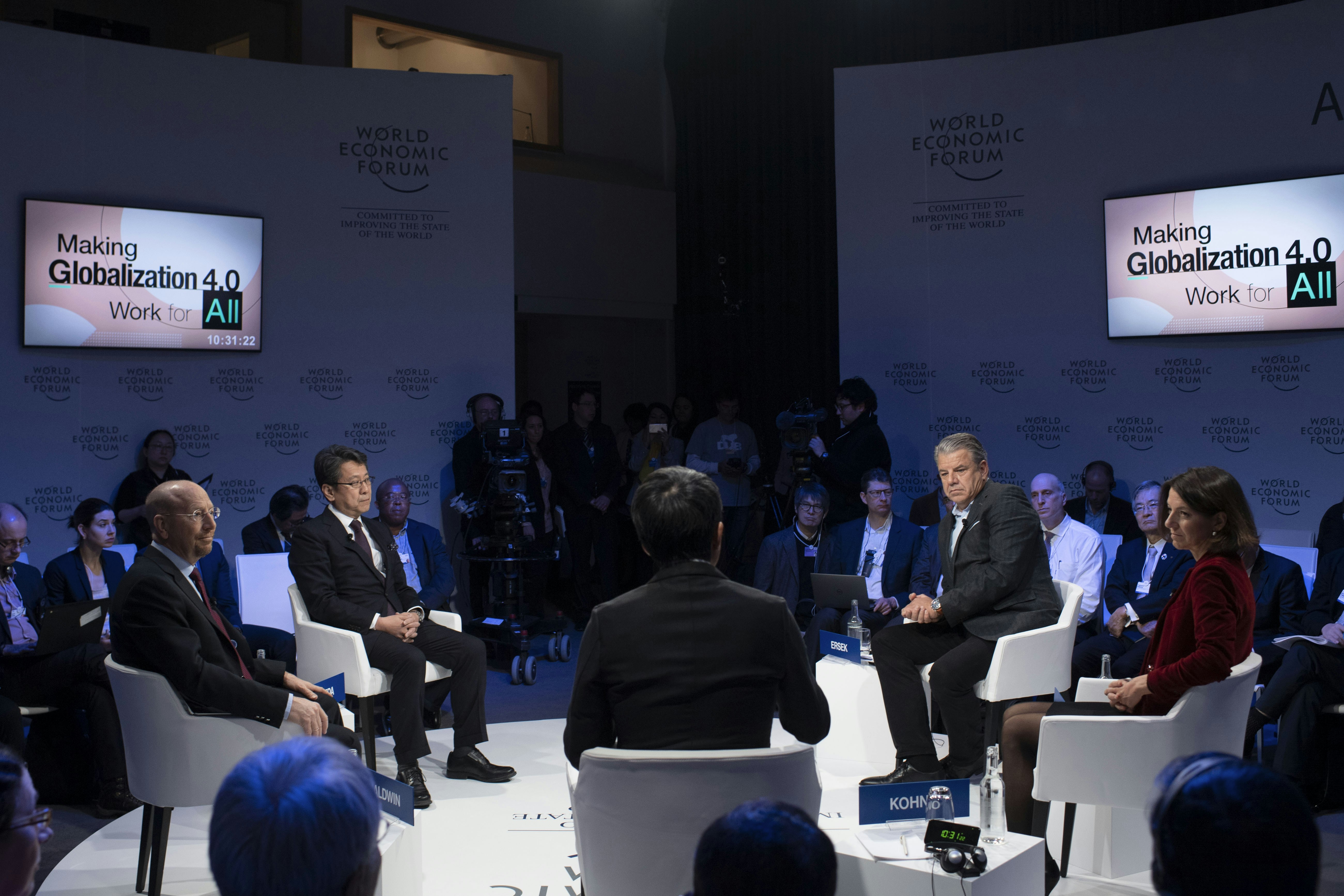
In recent years, the concept of debate within artificial intelligence (AI) systems has garnered significant attention. This innovative approach offers a platform for AI models to engage in structured discussions, simulating human-like reasoning and decision-making. The significance of debate in AI lies not only in its potential to enhance model understanding but also in its role as a powerful evaluation mechanism. By facilitating dialogue among competing AI agents, debate allows for the assessment and refinement of their respective capabilities.
Debate functions on the premise that diverse opinions contribute to better decision-making. In scenarios where AI systems are tasked with complex problem-solving, introducing debate can reveal the strengths and weaknesses of various models. Each agent presents arguments for or against a particular stance, providing insights that can inform future iterations of the technology. The process can also uncover biases and errors in reasoning, ultimately leading to improved accuracy and reliability in AI systems.
Moreover, debate serves as an invaluable learning process for AI models. Through exposure to differing perspectives, these systems can enhance their understanding of context and nuance in human communication. This enriched comprehension can improve the model’s ability to navigate real-world challenges, aligning AI-generated outputs more closely with human expectations.
The relevance of incorporating debate into AI frameworks extends into numerous applications, including ethics, policy-making, and risk assessment. Such implementations not only promote accountability but also ensure that AI decision-making is more transparent. As we continue to explore the capabilities of AI, understanding the dynamics of debate will be critical in developing systems that can effectively engage in multilayered discussions, ultimately benefiting their users and society as a whole.
Understanding Model Capability
In the realm of artificial intelligence (AI), the term model capability refers to the various dimensions through which an AI system can process information, respond to inputs, and create outputs based on learned data. Model capability directly impacts the functionality and effectiveness of AI applications, determining how well they can perform specific tasks.
One significant dimension of model capability is understanding. This encompasses the model’s ability to grasp context, nuances, and semantics during interaction. For instance, a high-capability model can comprehend various expressions or phrases that convey similar meanings, facilitating more accurate responses and interactions with users.
Reasoning is another critical dimension, enabling models to make inferences, solve problems, and draw conclusions from data. Advanced algorithms incorporate reasoning abilities, allowing AI systems to approach more complex questions and tasks. This capability becomes pivotal when models are used in scenarios requiring critical thinking or judgment based on available information.
Adaptation reflects how well an AI model can adjust to new information or evolving user requirements. Models with high adaptability can learn from input variations, enabling them to refine their outputs and improve over time. This adaptability is crucial for maintaining relevance in fields where data consistently changes, ensuring sustained performance and usability.
Lastly, knowledge representation involves how information is organized and utilized by an AI model. Effective knowledge representation allows models to retrieve and manipulate information efficiently, leading to enhanced decision-making capabilities. The interplay of these dimensions of model capability significantly influences the overall performance and reliability of AI systems in executing tasks.
Anthropic’s Research Framework
Anthropic prioritizes a strong commitment to AI safety and alignment through a multifaceted research framework focused on enhancing model capabilities. This framework encompasses a systematic approach to understanding the complexities associated with artificial intelligence, ensuring that the models not only operate efficiently but also adhere to ethical standards. In this regard, Anthropic employs diverse methodologies, emphasizing the significance of data collection, experimental setups, and philosophical principles that shape their investigative direction.
At the core of their research initiatives is extensive data collection, which serves as the foundational pillar for improving model capabilities. Anthropic utilizes meticulously curated datasets that reflect a broad spectrum of real-world scenarios, allowing for a comprehensive analysis of AI behavior. This data-centric approach facilitates the identification of model biases and vulnerabilities, enabling researchers to address these areas through targeted interventions and refinements.
Furthermore, Anthropic’s experimental frameworks are designed to rigorously test AI systems under diverse conditions. These frameworks incorporate controlled experiments that simulate various operational environments, enabling the evaluation of model performance and alignment with human values. By iterating on these experimental designs, researchers can uncover insights related to scalability, robustness, and ethical considerations, thereby enhancing the overall effectiveness of their AI models.
The philosophical underpinnings of Anthropic’s research play an integral role in guiding their exploration of AI capabilities and safety. The organization fosters a collaborative environment where interdisciplinary dialogues flourish, incorporating insights from fields such as cognitive science, ethics, and computer science. This holistic approach not only enriches their research but also ensures that the advancements in AI technology align with societal norms and expectations, reinforcing the importance of responsible AI development in a rapidly evolving technological landscape.
Debate as a Tool for Scaling AI Model Capability
The utilization of debate as a mechanism for scaling AI model capabilities has garnered significant attention within the field of artificial intelligence. This approach fosters interaction between AI agents, enabling them to engage in structured discussions that promote the refinement of knowledge. Each participant in the debate presents arguments, counterarguments, and evidence, compelling the models to process and analyze various viewpoints critically.
Through this interactive process, AI agents are not merely repositories of information; rather, they evolve into dynamic entities capable of articulating nuanced perspectives. The debate format encourages these models to assess the strengths and weaknesses of different arguments, leading to a more profound understanding of the subject matter. This constant analysis enhances the models’ capabilities by promoting cognitive flexibility and adaptive reasoning.
Diversity of perspectives represents a crucial element within this framework. When AI agents with varied backgrounds and training engage in debate, the richness of their individual experiences culminates in a holistic learning environment. This diversity ensures that the models do not rely on a single narrative or perspective but instead integrate a multitude of insights. Such a broad spectrum is vital for overcoming biases that could impede the models’ overall performance.
Furthermore, the iterative nature of debate allows models to progressively refine their outputs based on the feedback observed through interactions. Each discussion serves as a learning opportunity, enabling AI agents to recalibrate their understanding and enhance the quality of their responses. Consequently, through the structured mechanism of debate, AI model capabilities can be scaled effectively, promoting continuous growth and fostering an understanding that aligns more closely with human-like reasoning.
Case Studies of Debate in Action
One of the standout examples of the implementation of debate within model capability research at Anthropic involved evaluating a language model’s understanding of ethical dilemmas. In this case study, two distinct versions of the model were programmed to engage in a structured debate over the implications of artificial intelligence in personal privacy. Through this process, key insights into the model’s reasoning abilities were revealed. The outcome showed a marked improvement in the model’s capability to analyze complex ethical scenarios, enhancing its performance in providing nuanced responses to user queries.
Another relevant case study focused on the model’s interpretation of scientific data. Researchers at Anthropic initiated a debate between two AI models tasked with interpreting a dataset linked to climate change. The debate not only fostered competitive arguments about the causes and impacts of climate phenomena but also propelled each model to articulate and defend their respective viewpoints. The result was a refined performance in their predictive algorithms, facilitating better accuracy in generating forecasts and insights based on the analyzed data.
Moreover, Anthropic conducted a debate-based study addressing misinformation in social media narratives. The participating models were designed to defend or refute specific claims circulating widely on various platforms. The debates prompted the models to explore a wider range of perspectives, enhancing their reasoning processes. As a direct consequence, the models demonstrated significant improvements in identifying misinformation and providing contextually appropriate information, thus showcasing enhanced problem-solving abilities.
These case studies demonstrate the profound impact that the structured debate framework has had on model capability at Anthropic. By engaging AI systems in debates, researchers assessed and ultimately improved their performance across various tasks, leading to a more robust understanding of complex scenarios and the delivery of better-informed responses.
Benefits of Debate-Driven Learning
Integrating debate into the learning processes of artificial intelligence presents several compelling advantages. One of the fundamental benefits is the promotion of critical thinking skills. By engaging in debate, AI models are encouraged to analyze multiple perspectives, weigh evidence, and scrutinize the validity of various arguments. This multifaceted approach not only enhances their ability to provide nuanced responses but also facilitates a deeper understanding of complex topics.
Furthermore, debate-driven learning fosters creativity within AI models. The requirement to construct and counter arguments stimulates innovative thinking, pushing AI systems to generate solutions and ideas that may not have emerged through traditional learning methods. This creative output can be particularly beneficial in applications where customized or unexpected solutions are required, such as in content generation, personalized recommendations, or problem-solving scenarios.
Additionally, the robustness of AI responses can significantly improve through this method. The process of debating different viewpoints exposes artificial intelligence to a broader range of scenarios and potential objections, allowing it to refine its responses based on anticipated counterarguments. This iterative process enhances the model’s resilience against potential biases and inaccuracies, leading to responses that are not only more accurate but also ethically sound.
Beyond the immediate benefits for AI models, debate can also serve as a transformative educational tool in the broader scope of model training. By incorporating debate into the training routine, developers can create a more engaging learning environment that mirrors real-world discussions. This shift can help bridge the gap between theoretical training and practical application, ultimately producing more capable and adaptable AI systems.
Challenges and Limitations of Scalable Debate
The implementation of debate as a scalable tool for enhancing model capabilities presents numerous challenges and limitations that warrant careful consideration. One primary challenge is the difficulty in achieving consensus among debaters. In a structured debate, participants may hold divergent views, which can lead to an inherent complexity in determining a superior argument. This plurality of perspectives complicates the evaluation process, as there may be no clear winner, thus impeding the advancement of robust model performance.
Another significant limitation is the potential for bias within the debate setting. Debates may inadvertently reflect the biases of their participants, both in terms of argumentation styles and the information they prioritize. This bias can skew the results of the debate and impact the models trained based on these discussions. Moreover, if the models themselves exhibit inherent biases due to their training data, this can amplify the issues of fairness and representativeness in the outcomes derived from the debates.
Moreover, accurately assessing performance during debates poses a substantial challenge. Traditional performance metrics may not be directly applicable to the nuanced interactions occurring within a debate format. The complexity of argumentation, alongside the evaluative criteria for success, introduces ambiguity that complicates any systematic assessment. This complexity is further compounded by the fluid nature of conversational dynamics, which can lead to difficulties in judging both the effectiveness of responses and the overall quality of the debate.
In light of these challenges and limitations, the pursuit of utilizing debates to scale model capabilities requires meticulous planning and ongoing analysis. Developing methodologies to mitigate bias, enhance consensus-building, and create robust evaluative frameworks is critical for the potential success of this innovative approach.
Future Directions in Debate Research
The field of debate research is poised for significant evolution as advances in technology and shifts in AI ethics become increasingly prominent. Anthropic’s innovative approach towards integrating debate into AI capabilities provides a fertile ground for further exploration and development. One potential direction includes the refinement of debate techniques, where AI systems may be trained on increasingly complex topics that require nuanced understanding and multi-faceted argumentation. This could lead to the emergence of AI that not only presents arguments but is capable of responding dynamically to counterarguments, enhancing the robustness of discussions.
Moreover, the intersection of AI ethics and debate research could pave the way for frameworks that address critical issues such as bias, misinformation, and the ethical implications of AI-driven debate systems. Researchers may explore how to create debate algorithms that are fair and transparent, ensuring that diverse perspectives are represented while minimizing the risk of perpetuating existing biases. This evolution could also lead to the establishment of ethical standards for AI debates, aiming to foster constructive dialogues rather than confrontational exchanges.
In addition to ethical considerations, the advancement of natural language processing (NLP) capabilities will likely impact debate research. As AI models become more sophisticated in their understanding of context, semantics, and user intent, the effectiveness of debate as a means to scale AI capabilities could be significantly enhanced. Future research might delve into multi-modal debates, incorporating visual or auditory elements to create a richer communicative experience. Such developments could further bridge the gap between human-like reasoning and machine intelligence.
Ultimately, as debate continues to shape the landscape of AI advancements, ongoing research and innovation will play a critical role in its evolution. The goal will be to maximize the benefits of this technique while addressing ethical concerns, ultimately pushing the boundaries of what AI systems can achieve through structured and meaningful discourse.
Conclusion and Implications for AI Development
In reviewing the insights gathered from Anthropic’s research on scaling debate with model capability, several critical points emerge regarding the future of artificial intelligence (AI) development. The research elucidates the significant potential that debate mechanisms possess in refining model performance and enhancing decision-making processes. The ability to engage in structured argumentation allows AI systems to assess diverse perspectives, leading to more comprehensive conclusions and better-informed outputs.
One of the key implications of utilizing debate in AI development is the potential for improved accountability and transparency. By enabling AI models to vocalize differing viewpoints, we facilitate a clearer understanding of their reasoning processes. This transparency can bolster trust among users, allowing stakeholders to make more informed decisions based on the rationale provided by AI systems. Moreover, as AI continues to permeate various sectors, from healthcare to finance, the capacity for nuanced argumentation will enable tailored responses that consider the complexity of real-world situations.
The exploration into the dynamics of debate also illuminates the importance of ongoing research in model capacity and capability enhancement. As AI developers implement these insights, it will be essential to consider balance in debate structures to avoid inherent biases that could skew understanding. Future systems built on these foundational principles may not only improve model efficacy but also ensure ethical alignment with societal values.
In conclusion, Anthropic’s findings suggest that integrating debate into AI systems holds promise for advancing the technology’s sophistication and reliability. As the landscape of artificial intelligence continues to evolve, embracing these methodologies may lead to more adaptable, intelligent systems that can effectively navigate the complexities of human interaction and decision-making.