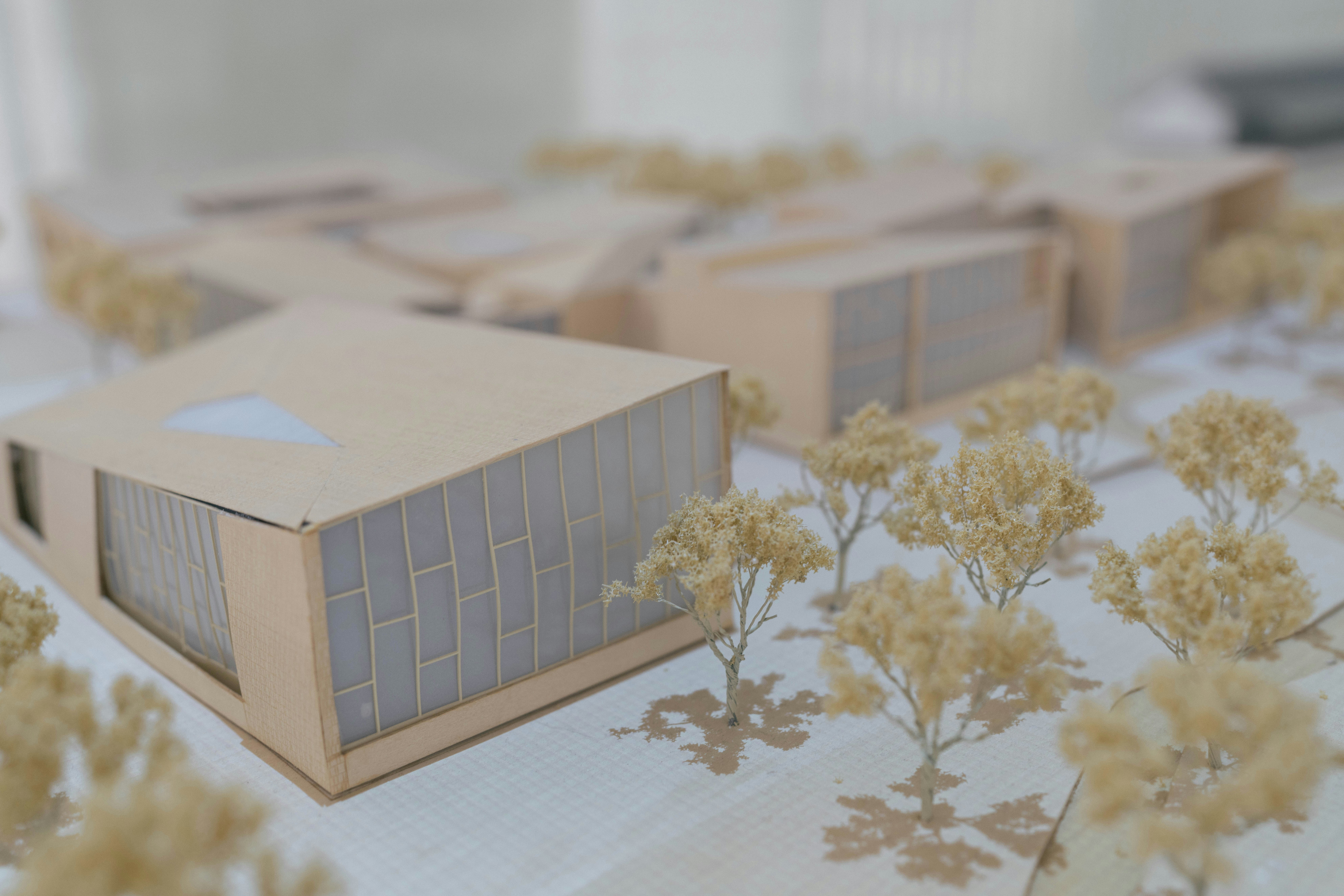
Introduction to Generative AI in Architecture
Generative AI is revolutionizing various fields, and architecture is no exception. It refers to the technologies that enable machines to generate solutions, designs, and predictions based on vast amounts of data and complex algorithms. At its core, generative AI utilizes machine learning, a subset of artificial intelligence that allows systems to learn from data and improve over time without being explicitly programmed. This capability is particularly relevant in architecture and urban planning, where numerous variables and constraints must be considered in the design process.
In architectural design, generative AI can facilitate the creation of novel structures and responsive environments. By analyzing historical data, current trends, and environmental factors, AI algorithms can suggest innovative designs that might not be immediately apparent to human architects. The potential applications of generative AI extend beyond mere aesthetic considerations; they include functional aspects such as optimizing energy efficiency, space utilization, and adaptability to changing needs. Moreover, it can promote sustainability in urban planning through predictive analytics for resource allocation and infrastructure development.
Urban frameworks also benefit substantially from generative AI technologies. City planners are increasingly utilizing AI models to simulate different scenarios and study the impact of various variables on urban dynamics. This allows for informed decision-making regarding transportation patterns, zoning regulations, and demographic forecasting. The role of generative AI transcends traditional boundaries of architecture, positioning it as a tool for enhancing community livability and resilience. As the discipline continues to evolve, the integration of generative AI promises to reshape the future of architectural design and urban development significantly.
Historical Context of Technology in Architecture
The intersection of architecture and technology has a rich history, deeply rooted in human innovation. Over the centuries, advancements in tools and materials have significantly transformed architectural practices. Initially, architecture relied on basic tools such as hammers and chisels, primarily using materials like stone, wood, and clay. The evolution of these tools set a precedent for the architectural endeavors that followed.
During the Roman Empire, significant strides were made with the introduction of concrete and the arch. This innovation allowed for the construction of more durable and expansive structures, influencing architectural designs across Europe. The Renaissance further revolutionized architecture with the application of geometry and perspective, leading to harmonious structures that emphasized proportion and beauty.
The Industrial Revolution marked another pivotal moment, as new materials such as steel and glass became widely available. This period heralded the advent of skyscrapers and bridges that were not only functional but also aesthetic marvels. Architects began to incorporate engineering principles more rigorously, resulting in a synergy that would redefine spatial experiences in urban contexts.
As technology progressed into the 20th century, computer-aided design (CAD) emerged as a tool that fundamentally reshaped the architectural landscape. Architects could now visualize and simulate their designs with unprecedented accuracy, paving the way for the complex geometries and innovative buildings of today. The integration of artificial intelligence and algorithms into these systems represents the next phase in this evolution, culminating in the rise of generative AI.
Generative AI serves as a modern extension of this technological lineage, offering architects the ability to explore design possibilities beyond human capacity. By analyzing vast sets of data and iterating designs based on predefined parameters, generative AI not only enhances creativity but also improves efficiency in the architectural design process. This historical context underlines how technology continues to shape and define architecture, setting the stage for future innovations that promise to transform urban planning and architectural practices further.
Generative Design: Redefining Architectural Aesthetics
Generative design, leveraging the capabilities of generative AI, significantly influences architectural aesthetics by introducing innovative processes that challenge conventional design methodologies. This paradigm shift allows architects to explore a vast range of design possibilities, resulting in structures that not only meet functional requirements but also embody unique visual elements. Generative design algorithms enable architects to input specific criteria, after which the system generates a multitude of design variations tailored to these parameters. This process enhances creativity, allowing for experimentation in form, materiality, and structure that might not have been feasible under traditional practices.
A notable case study is the “Elbphilharmonie” concert hall in Hamburg, designed by Herzog & de Meuron. The building’s transformative wave-like structure emerged from design iterations powered by generative algorithms. The unique aesthetic is not only a visual landmark but also enables optimizations in acoustics and spatial dynamics. Through these advanced design techniques, architects can redefine what is possible within urban environments, pushing the boundaries of aesthetic expression.
Moreover, the integration of generative design extends to sustainable architecture, where environmental considerations are critical. AI tools facilitate the examination of energy efficiency and material usage, allowing architects to create not only visually compelling structures but also ones that are ecologically responsive. Fortifying this approach, projects like the “Forest City” in Malaysia exemplify how generative AI can support urban planners in designing sustainable ecosystems that blend modern architecture with nature.
In summary, generative design embodies a revolutionary approach to architectural aesthetics, encouraging dynamic creativity and sustainability. By harnessing the potential of generative AI, architects and urban planners are reimagining environments, leading to innovative designs that resonate with contemporary societal demands while showcasing artistic excellence.
Enhanced Urban Planning through Data-Driven Analysis
Generative AI has emerged as a transformative force in urban planning, enabling the creation of smarter cities through sophisticated data-driven analysis. By leveraging advanced algorithms, generative AI processes vast amounts of data, providing insights that were previously unattainable. This capability allows urban planners to simulate various scenarios, analyze trends, and make informed decisions that enhance urban environments.
A key aspect of utilizing generative AI in urban planning is its ability to conduct predictive modeling. Urban planners can forecast population growth, resource demands, and infrastructure needs, thereby enabling proactive strategies to address challenges such as overpopulation and inadequate resource management. For instance, predictive models can identify areas that will experience significant congestion, allowing for targeted infrastructure improvements, such as new roads, public transport systems, or green spaces.
Moreover, AI-driven data analysis enhances the understanding of community needs and preferences. Through the analysis of social media, survey data, and demographic patterns, city planners can develop urban designs that resonate with residents. This responsiveness not only makes urban environments more livable but also fosters community engagement and satisfaction.
Another benefit of generative AI lies in its efficiency-enhancing capabilities. Urban planners can automate repetitive tasks, such as zoning analysis and site assessments, freeing professionals to focus on more complex, strategic initiatives. The synergy between automation and human expertise promotes creativity in solving urban challenges while ensuring that projects adhere to regulatory guidelines and community standards.
In summary, generative AI significantly enriches urban planning through data-driven analysis, predictive modeling, and enhanced efficiency. By harnessing these advanced technologies, city planners can create more adaptable, sustainable, and efficient urban environments that meet the evolving needs of their populations.
Sustainability and Green Building Practices
Generative AI is emerging as a transformative tool in the fields of architecture and urban planning, particularly in the context of sustainability and green building practices. By harnessing the power of AI algorithms, architects are able to develop designs that not only enhance visual appeal but also significantly reduce resource consumption. One of the primary advantages of using generative AI is its ability to optimize energy efficiency in buildings. Through advanced simulations and modeling, AI can analyze various design options, allowing architects to choose solutions that minimize energy use while maximizing natural light and ventilation.
Moreover, generative AI plays a crucial role in waste reduction during the construction phase. AI-driven tools can assess materials more effectively, leading to choices that reduce excess and streamline the building process. This optimization helps architects and builders significantly cut down on waste produced, contributing to more sustainable construction practices. Furthermore, by employing algorithms that consider environmental impact, architects can factor in local climate conditions and ecological relationships in their planning, thereby enhancing the overall sustainability of urban developments.
Beyond waste reduction and energy efficiency, generative AI facilitates the development of eco-friendly designs by enabling the use of advanced materials and innovative construction techniques. For example, AI can recommend sustainable materials that align with green building standards, thereby promoting the use of resources that are both renewable and less harmful to the environment. This integration of AI into architectural practices not only accelerates the design process but also encourages a more comprehensive approach to sustainability.
Community Engagement and User-Centric Design
In recent years, the architectural and urban planning fields have witnessed a transformative shift towards incorporating community input into the design process. This evolution has been significantly influenced by the advent of generative AI technologies, which facilitate meaningful stakeholder engagement. By leveraging sophisticated algorithms and data analytics, generative AI allows architects and planners to create interactive design models that empower communities to visualize potential changes in their environments. These tools provide an opportunity for genuine participation, ensuring that the voices of diverse stakeholders are heard and considered in decision-making processes.
One of the primary advantages of utilizing generative AI is its ability to simulate various design options based on community feedback. This interaction fosters a user-centric approach, where individuals can express their needs, preferences, and concerns regarding their living spaces. For instance, through virtual reality (VR) applications, community members can walk through proposed designs, examining new parks or buildings in a realistic manner. This immersive experience allows for deeper engagement, as it enables participants to assess the feasibility and aesthetic appeal of architectural proposals before they are constructed.
Moreover, generative AI can analyze community data, such as demographics and social behaviors, to tailor designs that best meet the needs of the populace. By utilizing this information, urban planners can ensure that their designs not only enhance the environment but also align with the cultural and social fabric of the community. In essence, the integration of generative AI in architecture serves to bridge the gap between professional expertise and public input, promoting a collaborative approach to urban development that champions user-centric design.
Challenges and Ethical Considerations
The integration of generative artificial intelligence (AI) in architecture and urban planning presents numerous challenges and ethical dilemmas that must be thoroughly examined. One major concern is the potential for algorithmic bias. Generative AI systems are trained on large datasets, which may contain biases that can inadvertently influence design outcomes. For instance, if the training data skews toward certain architectural styles or urban layouts, the resulting designs may perpetuate inequities, favoring some communities over others. This challenge emphasizes the need for inclusive datasets that represent diverse perspectives and needs.
Another pressing issue is the impact of generative AI on employment within the architecture and urban planning sectors. As AI systems become more adept at creating designs and making planning decisions, there is a concern that traditional roles may become obsolete. The fear of job displacement raises important questions about the future of work in these fields, as professionals adapt to the new tools that could potentially replace certain skill sets. Addressing this challenge requires a balanced approach that acknowledges the efficiencies provided by AI while also promoting upskilling and retraining opportunities for displaced workers.
Transparency in AI-driven decisions is also a critical ethical consideration. Stakeholders in architecture and urban planning must understand how generative AI systems arrive at their conclusions. Without transparency, there may be skepticism regarding the legitimacy of AI-generated designs, leading to resistance and distrust among communities and professionals alike. To navigate these challenges effectively, it is vital to create frameworks that ensure accountability and transparency in AI applications. This can foster greater acceptance among users and help mitigate some of the ethical concerns surrounding the deployment of generative AI in these domains.
Future Trends: The Next Frontier of Generative AI in Architecture
As the field of architecture evolves, the integration of generative AI is positioned to transform the way architects and urban planners design and construct environments. One of the most significant trends to anticipate is the enhancement of parametric design tools, which allow architects to create complex structures by defining parameters and letting the algorithm generate multiple design alternatives. This level of automation and creativity could revolutionize the design process, enabling professionals to explore innovative forms and sustainable solutions efficiently.
Additionally, advancements in machine learning and data analytics will likely converge with generative AI, offering deeper insights into user preferences and urban dynamics. By analyzing vast datasets, generative algorithms can optimize not only aesthetics but also functionality, energy efficiency, and occupant experience. This data-driven approach may lead to adaptive buildings that respond intelligently to climatic changes and social needs, thus supporting more resilient urban environments.
Furthermore, the intersection of generative AI with augmented reality (AR) and virtual reality (VR) technologies is set to redefine visualization. Architects will be able to immerse stakeholders in 3D environments generated from AI, facilitating more intuitive design interactions. This integration will enhance collaboration amongst team members and clients, fostering a shared vision that can accurately reflect community needs and aspirations.
Lastly, ethical considerations surrounding the use of generative AI in architecture will continue to gain prominence. As technology processes vast amounts of personal and communal data, architects must ensure that their designs uphold inclusivity and equity, minimizing biases in algorithmic decision-making. This reflection will shape the professional landscape, prompting a more responsible approach to harnessing AI’s transformative capabilities.
Conclusion: Embracing the Future with Generative AI
The advent of generative AI represents a significant shift in the fields of architecture and urban planning, bringing about new paradigms and possibilities. As these industries continue to evolve, the integration of innovative technologies such as generative AI can facilitate enhanced design processes and promote sustainability in urban environments. By leveraging algorithms and machine learning, architects and urban planners can generate multiple design alternatives, optimize resource usage, and create environments that improve the quality of life for their inhabitants.
However, the transformative potential of generative AI is not without its challenges. As professionals in the built environment embark on this journey towards greater collaboration between man and machine, it is crucial to address the ethical implications, data privacy concerns, and the potential displacement of traditional job roles. A thoughtful approach to implementation must be adopted to ensure that the deployment of generative AI does not compromise human creativity, intuition, or the vital principles of equitable planning.
Ultimately, embracing generative AI can lead to more resilient and adaptable urban landscapes. By fostering a culture of innovation, stakeholders in architecture and urban planning can pave the way for a future that is not only aesthetically pleasing but also environmentally responsible. Engaging with this technology opens the door to potential solutions for pressing global issues such as climate change, urban sprawl, and resource depletion. Therefore, it is imperative for the industry to remain proactive and informed about advancements in generative AI to harness its full potential.
In conclusion, the partnership between generative AI and traditional architectural and planning practices holds immense promise. Embracing this future invites an era of profound creativity and responsibility, shaping the built environments that will define generations to come.