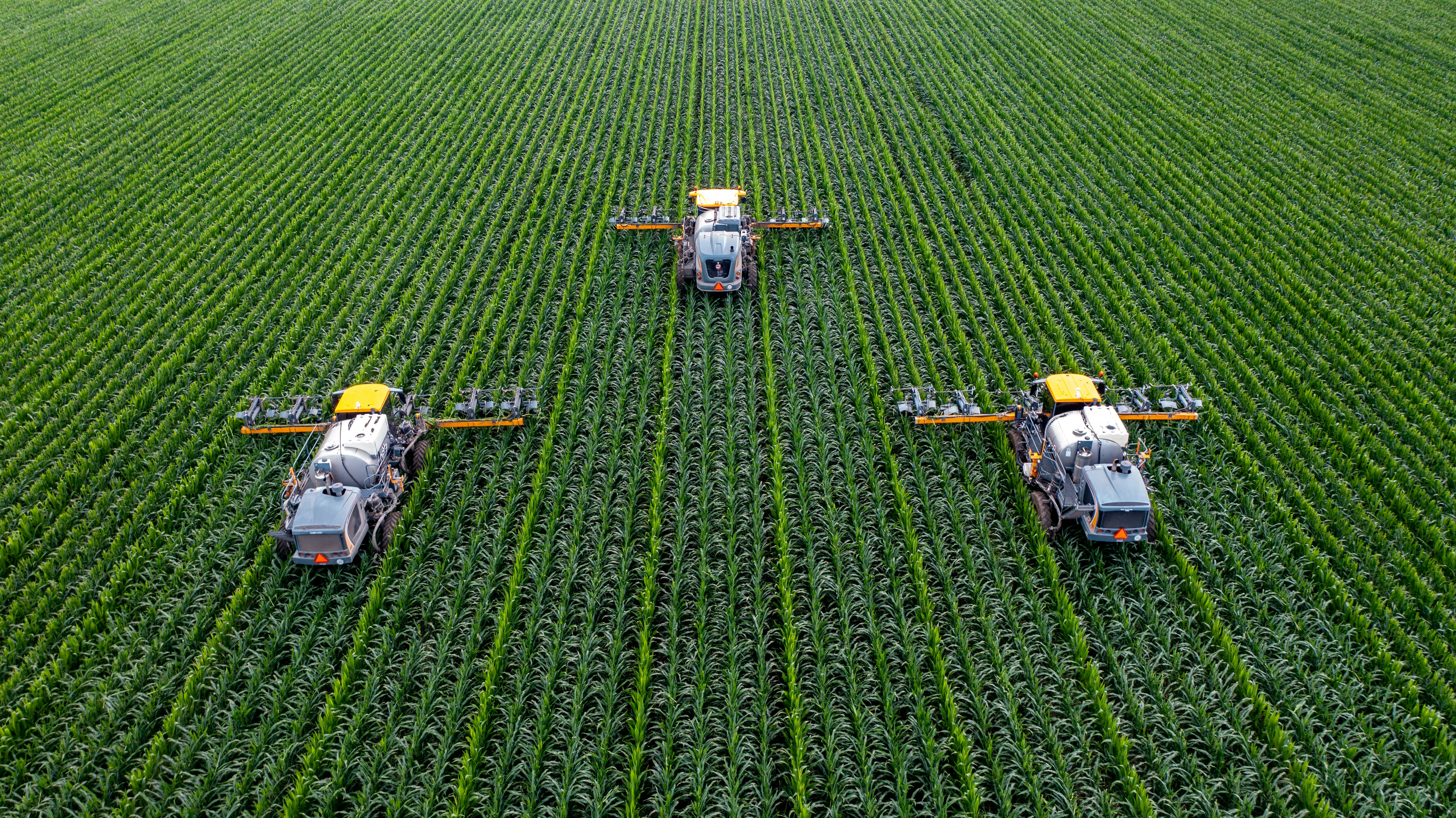
Introduction to AI in Agriculture
In recent years, the integration of artificial intelligence (AI) into the agricultural sector has gained considerable momentum, particularly in a country like India where agriculture plays a pivotal role in the economy. With the majority of the population relying on agriculture for their livelihood, it becomes imperative to address the multitude of challenges faced by farmers. These challenges include inconsistent weather patterns, pest infestations, and plant diseases, all of which significantly hinder crop yield and, consequently, farmers’ income.
The application of AI technologies presents a promising solution to these pressing issues. By leveraging advanced algorithms and data analytics, AI can assist in monitoring crop health, predicting disease outbreaks, and optimizing yield potential. For instance, AI-driven tools such as predictive analytics can analyze vast datasets, providing farmers with valuable insights into the best planting times, crop rotation strategies, and potential pest threats. This proactive approach not only enhances productivity but also minimizes the risks associated with crop failures.
Furthermore, AI’s capacity to process and analyze data from various sources, including satellite imagery and weather forecasts, enables a comprehensive understanding of agricultural conditions. This knowledge empowers farmers to make informed decisions, ultimately leading to improved sustainability practices. Notably, AI applications in agriculture extend beyond mere data analysis; they include machine learning techniques that can adapt to changing conditions and improve over time.
As we embark on a deeper exploration of specific applications of AI in agriculture, it is evident that these technological advancements are not just supplementary but rather essential in transforming the agricultural landscape in India. The increased efficiency and effectiveness brought about by AI have the potential to uplift entire communities, thereby marking a significant shift in the agricultural paradigm.
Understanding Crop Diseases: Overview and Impact
Crop diseases pose significant challenges to the agricultural sector in India, affecting both productivity and farmers’ livelihoods. Various pathogens, including fungi, bacteria, and viruses, are responsible for a multitude of diseases that can severely impede crop health. Common afflictions such as rice blast, leaf blight, and bacterial wilt have been known to reduce crop yield significantly, sometimes leading to total loss of harvest. The economic ramifications of these diseases extend beyond mere crop failure; they can result in decreased incomes for farmers, increased costs for disease management, and broader impacts on food security.
The prevalence of these diseases is exacerbated by climate change, which contributes to altered rainfall patterns and increased susceptibility of crops. For instance, warmer temperatures may lead to earlier outbreaks of certain diseases, making it critical for farmers to identify symptoms swiftly and implement preventive measures. Timely detection of crop diseases is crucial, as it can help mitigate damages and optimize resource allocation. By recognizing the early signs of disease, farmers can take proactive steps, whether through targeted treatments or by adopting resistant crop varieties.
Moreover, persistent crop diseases can undermine the profitability of agricultural practices, prompting farmers to invest in costly chemical treatments or potentially leading to abandonment of affected fields. This cycle underscores the importance of integrated pest management and innovative strategies in agriculture. Today, advances in technology, particularly in artificial intelligence, are revolutionizing the way we approach crop disease management. AI tools can assist in early detection and predictive analysis, providing farmers with the necessary insights to counter these diseases effectively, thus safeguarding their yields and stabilizing economic returns.
AI-Powered Diagnosis of Crop Diseases
The advancement of artificial intelligence (AI) in agriculture has ushered in a new era of crop disease management. AI-powered tools leverage technologies such as image recognition and machine learning algorithms to diagnose diseases in crops efficiently. One of the key applications is in the use of image recognition systems, which can assess the health of plants through remote sensing and visual data analysis. These systems utilize high-resolution images captured by drones or mobile devices to identify symptoms indicative of various diseases.
Employing machine learning algorithms, these systems are trained on vast datasets containing images of healthy and diseased plants. As they process new images, they can quickly distinguish between normal and abnormal conditions, providing accurate predictions of potential crop diseases. This approach not only increases the speed of diagnosis but also enhances precision, allowing farmers to take prompt remedial measures before diseases can cause significant harm.
Mobile applications incorporating these AI technologies have become increasingly popular among farmers. These applications often provide user-friendly interfaces that enable farmers to photograph their crops and receive instant feedback regarding their health. By simply uploading an image, farmers can access pertinent information about the identified diseases, as well as suggested remedies and preventive measures. This level of accessibility is essential, especially in rural areas where farmers may have limited access to expert consultations.
Furthermore, the integration of AI in crop disease diagnosis not only promotes timely interventions but also contributes to sustainable agricultural practices. By allowing for the early detection of diseases, these technologies help minimize the need for broad-spectrum pesticide applications, thus promoting a healthier ecosystem. Overall, AI-powered diagnosis tools are revolutionizing the way farmers manage crop health, leading to improved productivity and better crop yields.
Predictive Analytics for Yield Prediction
Yield prediction serves as a critical component of modern agriculture, allowing farmers to anticipate the quantities of crops that can be harvested during a given period. The integration of artificial intelligence (AI) into this process enhances the accuracy and reliability of yield forecasts. By utilizing historical data, climate conditions, and soil health metrics, AI-powered predictive analytics can provide insights that are pivotal for effective crop management.
Historically, farmers have relied on experience and traditional methods to estimate crop yields. However, these approaches often lack precision and can lead to inefficiencies. The incorporation of AI enables the analysis of vast amounts of data, identifying patterns and correlations that would be impossible to detect manually. This data-driven methodology not only improves yield predictions but also supports decision-making regarding resource allocation, such as irrigation, fertilizers, and pest control measures.
Weather patterns and climatic changes play a significant role in agricultural productivity. AI models can evaluate real-time climate data alongside historical patterns to forecast future yield outcomes. By analyzing variables such as rainfall, temperature, and sunlight exposure, these models can adjust predictions according to the changing environmental conditions. Furthermore, the assessment of soil health—considering factors like nutrient content and pH levels—ensures that farmers are informed about the optimal conditions for their crops.
Ultimately, the significance of predictive analytics in yield prediction lies in its ability to transform data into actionable insights. Farmers equipped with accurate yield forecasts can make informed decisions, potentially leading to increased productivity and sustainable agricultural practices. As the Indian agricultural sector continues to evolve, the integration of AI-driven yield predictions will be vital for addressing challenges and maximizing outputs in an era of climate uncertainty.
Case Studies: Successful AI Implementations in Indian Agriculture
In recent years, the agricultural sector in India has seen a growing integration of artificial intelligence (AI), especially in areas of crop disease management and yield prediction. Various case studies demonstrate the transformative impacts of these technologies on farming practices, enhancing both productivity and sustainability.
One significant example is the initiative by the International Crops Research Institute for the Semi-Arid Tropics (ICRISAT) where a machine learning model was developed to predict drought conditions and disease outbreaks in chickpea crops. By analyzing thousands of data points, including weather patterns, soil conditions, and historical crop performance, the AI model successfully forewarned farmers about potential threats. This proactive approach allowed farmers to take corrective measures, reducing crop loss due to disease.
Another successful implementation is by the start-up CropIn, which uses AI-driven data analytics to help farmers make informed decisions. Their platform provides real-time insights into crop health and preemptively identifies diseases through image recognition technology. Farmers using CropIn reported a decrease in pesticide use and an increase in overall yield, demonstrating the practical benefits of AI applications in agriculture.
Moreover, the Punjab Agricultural University has harnessed AI for yield prediction through a system that employs satellite imagery and weather forecasts. By creating sophisticated algorithms to analyze this data, researchers have been able to accurately forecast crop yields based on current growth conditions. This predictive capability assists farmers in planning their activities more effectively, optimizing resources, and enhancing profitability.
These case studies illustrate the promising results of integrating AI in Indian agriculture, demonstrating how technology can enhance crop disease management and yield prediction. As farmers adopt such innovations, the sector continues to evolve, facing the myriad challenges posed by climate change and population growth with increased resilience.
Challenges and Limitations of AI in Indian Agriculture
The integration of artificial intelligence (AI) into Indian agriculture is a transformative development, promising advancements in crop disease management and yield prediction. However, several challenges hinder the seamless adoption of these technologies across the agricultural landscape.
One significant challenge is related to data privacy. With the increasing reliance on data-driven decision-making facilitated by AI, the collection and management of sensitive agricultural data raise concerns among farmers regarding privacy and security. Farmers may be reluctant to share critical information about their practices, which can impair the effectiveness of AI algorithms that rely on comprehensive datasets.
Moreover, technology accessibility poses another barrier, particularly for small farmers who constitute the majority of the agricultural community in India. Many smallholders lack access to advanced technologies due to financial constraints, technological illiteracy, and inadequate infrastructure. They may find it difficult to engage with AI tools that are primarily designed for larger agribusinesses.
Furthermore, the successful deployment of AI tools is contingent upon robust infrastructure, which remains a significant limitation in many rural areas. Insufficient internet connectivity, power supply issues, and limited access to mobile devices hinder the use of AI applications by farmers. Without the necessary infrastructure, even the most sophisticated AI tools cannot be effectively implemented.
Additionally, there is an urgent need for training and education among farmers about how to utilize AI technologies properly. Many farmers are unaware of how to interpret AI-generated insights or how to incorporate these insights into their existing practices. The lack of training programs contributes to a knowledge gap that diminishes the potential benefits of AI in agriculture.
In conclusion, addressing these challenges requires a collaborative effort among various stakeholders, including policymakers, technology developers, and agricultural experts, to ensure that AI can truly benefit Indian agriculture and lead to sustainable farming practices.
The Future of AI in Agriculture: Opportunities and Innovations
The landscape of agriculture in India is rapidly evolving, driven by technological advancements and increasing awareness of the role artificial intelligence (AI) can play in enhancing productivity. The future of AI in agriculture presents numerous opportunities and innovations that can transform traditional farming practices into smart, data-driven methods. One of the most promising trends is the integration of the Internet of Things (IoT) with AI technologies, enabling farmers to collect vast amounts of data from sensors deployed in the field. This real-time data can assist in monitoring environmental conditions, soil health, and crop status, empowering farmers to make informed decisions that optimize yield outcomes and disease management strategies.
Another significant innovation in the pipeline is the application of blockchain technology. By leveraging blockchain, farmers can ensure the traceability and authenticity of agricultural products, which is crucial in gaining consumer trust and enhancing market access. The secure transaction capabilities of blockchain can streamline supply chains, reducing fraud and improving efficiency. Furthermore, when combined with AI, blockchain can offer predictive analytics to forecast crop demanding trends, thus enabling farmers to plan production schedules more effectively.
Advanced analytics is also set to revolutionize agricultural practices by providing deeper insights into data collected from various sources. Farmers can utilize machine learning algorithms to analyze historical data, making it easier to predict crop yields based on changing climatic conditions or pest infestations. This predictive capability not only helps in enhancing yield prediction accuracy but also supports timely intervention strategies to mitigate risks associated with crop failure.
In summary, the future of AI in agriculture represents a transformative journey for Indian farmers. With continuous advancements in technologies such as IoT, blockchain, and advanced analytics, there lies a tremendous potential for increased efficiency, productivity, and sustainability across the agricultural sector.
Collaboration and Support for Farmers
The integration of artificial intelligence (AI) in Indian agriculture is critical for enhancing crop disease management and yield prediction. To ensure that farmers can effectively harness the power of AI technologies, a multifaceted approach involving collaboration between government entities, non-governmental organizations (NGOs), and the private sector is essential. These partnerships play a pivotal role in creating the necessary support system for farmers transitioning to AI-driven agricultural practices.
Government initiatives have been instrumental in promoting AI adoption among farmers. Various schemes and programs are designed to provide financial assistance as well as technological resources to track and analyze crop health and predict yields based on historical data and weather patterns. For instance, the Indian government has introduced platforms that facilitate access to AI tools and solutions tailored specifically for local agricultural needs, thereby empowering farmers to make informed decisions.
Meanwhile, NGOs are also making significant contributions by offering training programs and workshops aimed at educating farmers about the benefits of AI. These organizations work at the grassroots level to ensure that farmers understand how to utilize AI technologies effectively for crop monitoring and disease management. Customized training sessions help bridge the knowledge gap, enabling farmers to adopt these advanced methods confidently, enhancing their productivity and sustainability.
Furthermore, collaborations with the private sector provide essential resources that complement governmental and NGO efforts. Private companies involved in agritech are developing user-friendly AI applications that cater to the specific requirements of farmers, helping them to monitor crops and assess soil health accurately. These partnerships help to create a vibrant ecosystem where farmers receive ongoing support, resources, and marketing assistance, ultimately fostering a culture of innovation in agriculture.
Conclusion: Embracing AI for Sustainable Agriculture
As we have explored the myriad possibilities of artificial intelligence (AI) in Indian agriculture, it becomes evident that the integration of this technology holds tremendous potential for transforming the sector. By providing innovative solutions for crop disease management and yield prediction, AI can play a critical role in enhancing agricultural productivity. Farmers can leverage AI tools, such as predictive analytics and machine learning algorithms, to diagnose crop diseases with high accuracy and implement timely interventions.
Moreover, the application of AI in yield prediction enables farmers to make informed decisions regarding resource allocation and crop planning. With the aid of data-driven insights, farmers can optimize their operations, leading to improved efficiency and reduced waste. This era of digital agriculture not only promises to increase yields but also fosters a more resilient agricultural system capable of withstanding the challenges posed by climate change and resource scarcity.
Furthermore, embracing AI in agriculture contributes significantly to sustainability. By promoting precision farming techniques, AI encourages the efficient usage of water, soil nutrients, and other agricultural inputs, thus minimizing environmental impact. Sustainable practices supported by AI ensure that agricultural activities do not compromise the ability of future generations to meet their own food needs.
In conclusion, the importance of adopting AI in Indian agriculture cannot be overstated. Its potential for enhancing productivity while ensuring sustainable farming practices positions it as a vital tool in the continuous effort towards food security and environmental stewardship. As the agricultural landscape evolves, stakeholders must prioritize the integration of AI technologies to create a prosperous and sustainable future for Indian farmers.