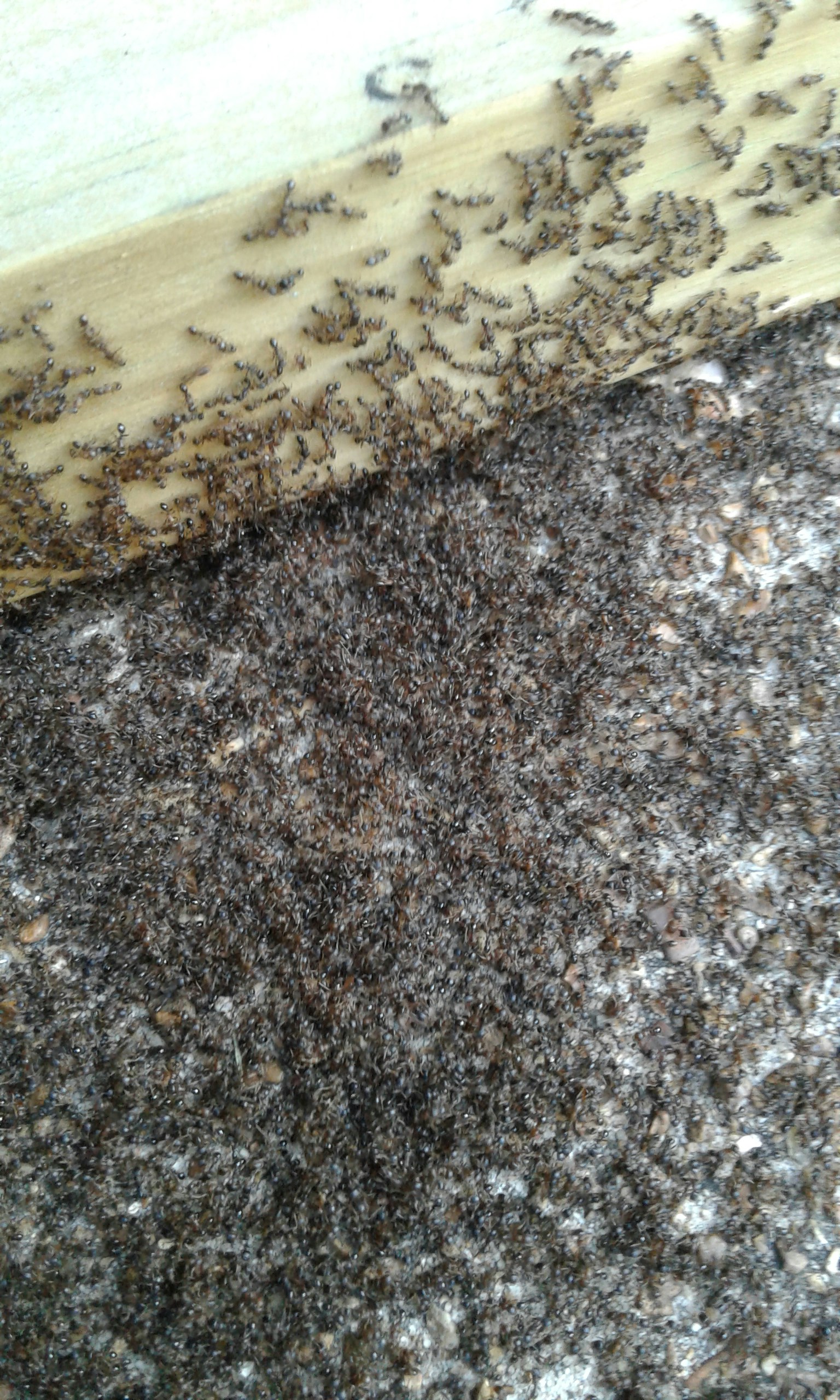
Introduction to Swarm Intelligence
Swarm intelligence is a concept rooted in the observation of natural systems, where collective behaviors emerge from the interactions of individual agents. This phenomenon can be seen in various forms across the animal kingdom, particularly in the behaviors exhibited by ant colonies, bee swarms, and flocks of birds. Each of these groups operates under a set of simple rules, leading to complex and adaptable behaviors that are often more efficient than those produced by single entities acting alone.
At its core, swarm intelligence relies on a few key characteristics: decentralized control, self-organization, and collective behavior. In decentralized control, there is no central authority directing the actions of individual agents; instead, every agent acts according to local information and interactions. This decentralization fosters flexibility and robustness, allowing the swarm to adapt to changing environments and dynamic challenges.
Self-organization refers to the ability of the system to organize itself without external direction. This is common in nature where organisms interact with one another and their environment to achieve a common goal, such as foraging for food or navigating through obstacles. The collective behavior observed in swarms emerges from simple local interactions, showcasing how intricate patterns can arise despite the simplicity of individual actions.
In summary, swarm intelligence represents a powerful paradigm for understanding complex systems. By studying the natural phenomena of swarm behavior, researchers aim to develop algorithms and models that can solve problems in various fields, including robotics, optimization, and network management. With the nature-inspired strategies derived from swarm intelligence, multi-agent systems can be designed to emulate these behaviors, leading to innovative solutions and enhanced efficiencies in numerous applications.
Overview of Multi-Agent Systems
Multi-Agent Systems (MAS) represent a sophisticated framework in which multiple agents, either autonomous or semi-autonomous, interact to achieve specific goals. This paradigm is foundational in various domains, including robotics, artificial intelligence, and networked systems, highlighting its significance. An agent, in this context, is defined as an entity that perceives its environment through sensors and acts upon it using actuators. These agents can collaborate, communicate, and adapt based on the input obtained from their surroundings and other agents.
One of the essential features of MAS is cooperation. Agents in these systems work together towards a common objective or to optimize individual objectives in a shared environment. This collaborative effort can be observed, for instance, in swarm robotics, where robots pool their resources and expertise to accomplish complex tasks such as search and rescue missions or environmental monitoring. By distributing responsibilities among agents, MAS enhances efficiency and effectiveness.
Communication is another critical characteristic of multi-agent systems. Agents employ various methods to exchange information, which is vital for informed decision-making and coordination efforts. This communication can be direct, such as through messaging protocols, or indirect, such as through the environment. Consequently, the ability to share knowledge influences the system’s performance and the agents’ overall success in collaboration.
Adaptability is also significant within MAS. Agents are designed to adjust their behaviors in response to changes in the environment or their interactions with other agents. This adaptability ensures resilience and flexibility, allowing the system to successfully navigate dynamic and unpredictable scenarios. As a result, multi-agent systems are increasingly important in artificial intelligence, where learning and adaptation play essential roles in improving system performance.
The Relationship Between Swarm Intelligence and Multi-Agent Systems
Swarm intelligence (SI) is a fascinating subfield of artificial intelligence focused on the collective behavior of decentralized, self-organized systems, especially in nature. Multi-agent systems (MAS) utilize multiple agents to solve complex problems collaboratively, making the integration of swarm intelligence into MAS significantly beneficial. The synergy between these two domains can elevate the functionality of multi-agent systems through enhanced problem-solving capabilities and increased operational efficiency.
One of the primary advantages of combining swarm intelligence with multi-agent systems is the capacity for improved decision-making. In traditional MAS, agents often operate based on predetermined algorithms. By adopting swarm intelligence principles, agents can adapt their behaviors based on local interactions with one another and their environment, leading to emergent behaviors that significantly improve collective problem-solving. This adaptability is particularly advantageous in dynamic and unpredictable environments where static algorithms may fail to account for unexpected changes.
Moreover, the decentralized nature of swarm intelligence complements the framework of multi-agent systems. Instead of relying on a central authority, agents immersed in swarm intelligence collaborate efficiently, distributing tasks among themselves and responding swiftly to challenges. This decentralized approach not only enhances resilience against failures but also supports scalability. As the number of agents in the system increases, swarm intelligence methods allow for robust maintenance of performance and efficiency.
Incorporating swarm intelligence algorithms such as particle swarm optimization or ant colony optimization into multi-agent systems can provide significant improvements in performance metrics, such as speed and accuracy in task completion. Additionally, these methods can facilitate the exploration of solution spaces more extensively compared to conventional techniques, ultimately leading to innovative solutions.
Applications of Swarm Intelligence in Multi-Agent Systems
Swarm intelligence represents a fascinating paradigm drawn from the collective behavior exhibited by social organisms. This principle has found applications across numerous sectors, particularly within multi-agent systems, enhancing efficiency and performance in various fields.
In the robotics industry, drone swarms have emerged as a prime example of swarm intelligence in action. Controlled through decentralized algorithms, these autonomous drones cooperate to perform complex tasks such as search and rescue missions, environmental monitoring, and agriculture management. For instance, in agricultural settings, drone swarms can autonomously monitor crop health, optimize irrigation strategies, and conduct precise spraying, thus maximizing yield while minimizing resource usage.
Telecommunications is another sector that benefits from swarm intelligence. Here, multi-agent systems embody swarm behavior to optimize network load and manage resources effectively. For example, in mobile ad hoc networks, swarm intelligence algorithms enable nodes to collaborate efficiently to ensure robust data transfer and enhance connectivity in dynamic environments.
Traffic management systems also utilize swarm intelligence to mitigate congestion and improve road safety. By employing adaptive traffic signal control systems that mimic swarm behaviors, cities can dynamically adjust traffic lights based on real-time vehicle flow, significantly reducing wait times and emissions. This approach not only improves transit efficiency but also enhances the overall driving experience.
Finally, in environmental monitoring, swarm intelligence facilitates data collection and predictive modeling through distributed networks of sensors. By leveraging the collective input from numerous agents, these systems can provide more accurate assessments of environmental conditions, contributing to better resource management and conservation efforts.
Overall, the application of swarm intelligence principles within multi-agent systems showcases how distinct industries can achieve optimized performance, improved cooperation, and enhanced decision-making processes.
Case Studies of Successful Implementations
Swarm intelligence, a powerful concept inspired by natural systems, has been successfully implemented in various multi-agent systems across diverse domains. These implementations have yielded significant advancements, revealing both the potential benefits and challenges associated with the utilization of swarm intelligence.
One notable case study is the application of swarm intelligence in optimizing traffic flow in urban environments. Researchers developed a multi-agent system where each agent represented an individual vehicle. The primary objective was to minimize congestion by enabling the vehicles to communicate and adapt their routes based on real-time data. The methodology included the use of decentralized algorithms that allowed agents to make decisions independently while maintaining overall system coherence. The outcomes were promising, as the system demonstrated a 30% reduction in travel time, thus illustrating how swarm intelligence can facilitate enhanced traffic management.
Another successful implementation can be observed in the field of robotics. A project focused on coordinating a swarm of drones for agricultural monitoring sought to improve crop yield by utilizing aerial imagery and data processing. The agents worked collaboratively to survey large areas efficiently, sharing insights about crop health and moisture levels. By employing techniques such as particle swarm optimization, the system significantly reduced the time and resources required for monitoring and provided actionable data to farmers. Lessons learned from this case highlighted the critical role of robust communication protocols among agents to ensure successful coordination.
A final case study worth noting is the deployment of swarm intelligence in disaster management. A multi-agent system was developed to simulate search-and-rescue missions, where agents represented teams of responders. The objective was to optimize resource allocation during emergencies. The methodology involved algorithms that allowed agents to adaptively prioritize their tasks based on the evolving situation. Results from simulations indicated improved efficiency in rescue operations, proving that swarm intelligence can significantly enhance response times in critical scenarios.
Challenges and Limitations of Swarm Intelligence in Multi-Agent Systems
While swarm intelligence offers promising avenues for improving multi-agent systems (MAS), several challenges and limitations hinder its widespread application. Addressing these issues is essential for the effective deployment of swarm-based solutions.
One significant challenge is scalability. Swarm intelligence often operates effectively in small groups; however, when scaled to larger environments, the complexity of interactions among agents increases exponentially. Consequently, maintaining coordination and cooperation among a growing number of agents becomes increasingly difficult. This scalability limitation can adversely affect the overall performance of multi-agent systems, particularly in scenarios involving complex tasks or large datasets.
Robustness is another critical concern. Swarm algorithms must exhibit resilience in the face of dynamic and unpredictable environments. However, achieving a level of adaptability that can accommodate changes without significant performance degradation remains a complex challenge. Agents may fail to adapt adequately to sudden variations, which can result in sub-optimal decision-making processes.
The communication overhead in swarm intelligence systems can also be problematic. As agents share information to function cohesively, the volume of data exchanged can lead to network congestion. This bottleneck may hinder real-time processing and slow down the decision-making process, undermining the advantages typically offered by swarm intelligence.
Lastly, designing efficient swarm algorithms is inherently complex. Crafting algorithms that not only effectively mimic the natural behaviors of swarms but also allow for adaptation to varying environments requires substantial expertise and resources. The need for fine-tuning these algorithms can significantly increase development time and costs associated with their implementation in multi-agent systems.
Future Trends and Innovations
As the field of swarm intelligence continues to evolve, several emerging trends and innovations are poised to significantly impact multi-agent systems. A notable trend is the advancement of machine learning algorithms that are becoming increasingly efficient at processing vast amounts of data. These algorithms allow autonomous agents to learn from their environment and collaborate more effectively, enhancing their decision-making capabilities. As a result, swarm intelligence can be leveraged for more complex tasks, which would have been unfeasible with traditional programming methods.
Another key area of innovation is the integration of the Internet of Things (IoT) with swarm algorithms. By connecting multiple devices and sensors, multi-agent systems can access real-time data, which facilitates improved communication among agents. This synergy enables agents to dynamically adjust their behavior based on the information collected from their surroundings, thus making the systems more resilient and adaptable. The combination of IoT and swarm intelligence is expected to foster applications across various sectors, including transportation, healthcare, and environmental monitoring.
Future applications leveraging these technologies may include autonomous drones collaborating in search and rescue operations or agricultural robots that coordinate their activities to optimize crop yields. Additionally, the incorporation of edge computing can enhance the processing capabilities of multi-agent systems, reducing latency and bandwidth demands while allowing for smarter, more immediate responses to real-time data. As these innovations take shape, the potential for swarm intelligence applied to multi-agent systems becomes expansive, paving the way for new solutions that address complex challenges in society and industry.
Conclusion: The Impact of Swarm Intelligence on the Future of MAS
In conclusion, the exploration of swarm intelligence within multi-agent systems (MAS) reveals significant advancements that promise to redefine operational efficiencies across various sectors. The inherent ability of decentralized, autonomous agents to collaborate efficiently mirrors natural systems seen in various species, particularly insects such as ants and bees. This natural cooperation enables multi-agent systems to solve complex problems more effectively than traditional centralized methods, enhancing real-time processing and adaptability to dynamic environments.
Moreover, swarm intelligence facilitates robust decision-making processes. By leveraging collective behavior, multi-agent systems can achieve not only redundancy but also resilience against potential failures. This characteristic is increasingly valuable in industries such as logistics, manufacturing, and cybersecurity, where adaptability and the capability to coordinate across various agents can lead to enhanced operational outcomes.
As technology progresses, especially in fields like artificial intelligence and robotics, the implementation of swarm intelligence is anticipated to expand exponentially. Future developments may include more sophisticated algorithms that could further improve agent communication and collaboration while minimizing latency. The implications of these improvements are vast, potentially revolutionizing industries through enhanced automation, optimized resource allocation, and improved user experiences.
Ultimately, the integration of swarm intelligence into multi-agent systems signals a pivotal shift towards more intelligent and flexible frameworks capable of addressing not only current challenges but also the complexities of future environments. The horizon holds promising opportunities for researchers and practitioners alike, with the prospect of creating adaptive systems that can contribute to sustainable development and innovative solutions to global issues. As we look ahead, it is clear that the burgeoning field of swarm intelligence will play a crucial role in shaping the future landscape of multi-agent systems.
Engaging with the Swarm Intelligence Community
As interest in swarm intelligence and multi-agent systems grows, there is an increasing need for researchers, practitioners, and enthusiasts to engage with this dynamic field. One of the most effective ways to immerse yourself in swarm intelligence research is to follow dedicated research groups that focus on collective behavior and decentralized systems. Many universities and research institutes around the world are pioneering advancements in swarm intelligence, and their publications can provide valuable insights into the latest developments.
Attending conferences and workshops is another excellent way to deepen your knowledge and network with like-minded individuals. Conferences such as the International Conference on Swarm Intelligence (ICSI) and other specialized symposia offer opportunities to learn from expert presentations, participate in discussions, and even collaborate on projects. These events cater to a range of interests within swarm intelligence, from foundational theories to practical applications in fields such as robotics and network systems.
Moreover, exploring academic literature is fundamental in understanding the key concepts and methodologies associated with swarm intelligence. Platforms like Google Scholar, ResearchGate, and university libraries can provide access to numerous articles, journals, and proceedings that chronicle the evolution and impact of multi-agent systems. Keeping abreast of the latest publications can help you identify trends and innovative practices in the field.
Lastly, we invite you to share your experiences and thoughts on swarm intelligence. Engaging in discussions on forums, social media, or academic platforms can contribute to a richer dialogue surrounding this fascinating area of research. Your insights could inspire others and contribute to the collective knowledge of the community.