The Rise of AI Agents
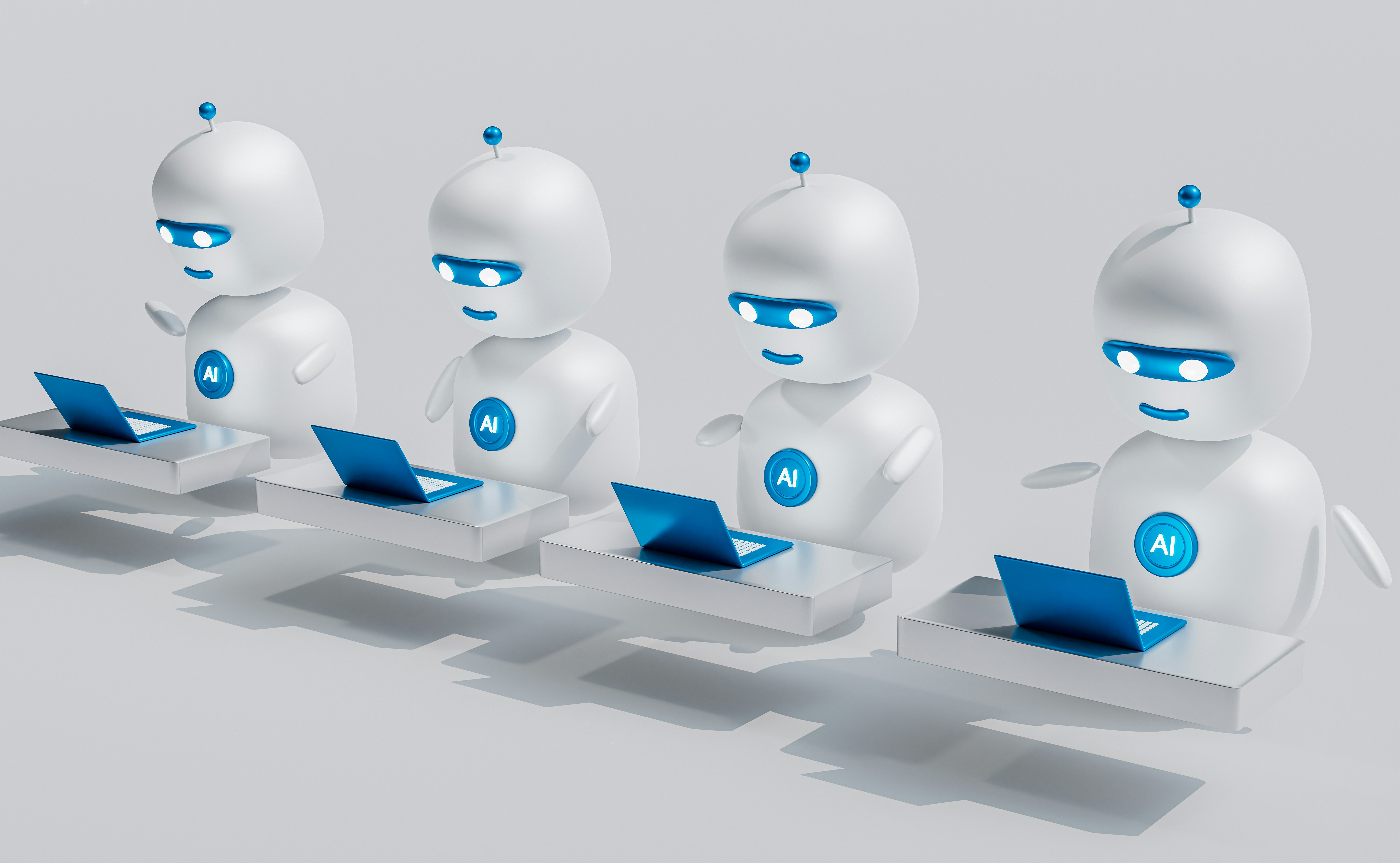
The emergence of artificial intelligence (AI) agents marks a pivotal transformation in the landscape of technology and human interaction. Initially conceived as basic tools to perform predefined tasks, AI agents have evolved significantly over the years. Their journey from simple automation systems to sophisticated entities capable of engaging with humans in meaningful ways lays the groundwork for an exciting future. By 2026, these AI agents are poised to take their roles a step further, functioning not only as assistants but also as actual digital coworkers.
Today’s AI agents are equipped with advanced machine learning capabilities, enabling them to learn from interactions and improve their performance over time. They utilize natural language processing, a branch of AI that allows them to comprehend and generate human language, thereby facilitating smoother communication. The integration of these technologies allows these agents to understand context, emotions, and nuances in conversation, which significantly enhances their collaborative potential.
The significance of 2026 in the evolution of AI agents cannot be overstated. As advancements in AI continue to accelerate, the presence of intelligent digital coworkers will become more commonplace across various sectors. Organizations stand to benefit immensely from these advancements by increasing productivity, reducing operational costs, and fostering innovation. Moreover, the growing capability of AI agents to understand complex tasks and collaborate with human teams signifies a major leap forward in corporate efficiency and workplace dynamics.
Ultimately, as we brace ourselves for the transformative impact of AI agents in 2026, it is crucial to recognize not only the technological advancements driving this change but also the ethical implications and societal adjustments that may arise alongside wider adoption. The future of work is undoubtedly changing, and AI agents are set to become a cornerstone of this new digital environment.
Understanding Digital Coworkers
In the rapidly evolving landscape of technology, the term “digital coworkers” has emerged as a significant concept, particularly in relation to artificial intelligence (AI) agents. Unlike traditional tools or software, which primarily function to assist human tasks, digital coworkers represent a new paradigm of collaborative interaction. These AI agents are not merely passive instruments; rather, they are designed to work alongside humans, actively participating in workflows, decision-making processes, and problem-solving activities.
The primary characteristics that differentiate digital coworkers from conventional tools include a high degree of autonomy, advanced decision-making capabilities, and self-learning attributes. Autonomy allows these AI agents to operate independently, making decisions based on data inputs and contextual understanding without requiring constant human supervision. This level of independence is essential for tasks that demand quick responses or involve large sets of information that exceed human processing capacity.
Furthermore, digital coworkers are equipped with sophisticated learning capabilities that enable them to adapt to new scenarios and improve their performance over time. Through machine learning techniques, these AI agents can analyze past interactions and outcomes, refining their algorithms to enhance future collaborations. This evolution in functionality moves them beyond mere assistance tools into roles that involve active engagement and partnership, fundamentally altering workplace dynamics.
As organizations increasingly integrate AI into their operations, the significance of digital coworkers will become evident. They embody a transformative approach to collaboration, supporting human efforts while also bringing advanced analytical power and insights. As we move towards 2026, the distinction between human employees and digital coworkers is anticipated to blur, creating opportunities for innovative workflows that harness the strengths of both human intelligence and artificial intelligence.
The Technological Advances Leading to 2026
The journey toward the integration of AI agents as digital coworkers has been fueled by several significant technological advancements. One of the most pivotal developments is in the realm of natural language processing (NLP). Advances in NLP have enabled machines to understand, interpret, and generate human language in a way that is both coherent and contextually relevant. These improvements allow AI systems to engage in conversations that are more human-like, facilitating collaboration between human workers and AI agents.
Alongside NLP, machine learning has made tremendous strides, offering AI agents the capacity to learn from data and improve over time. With the implementation of deep learning techniques, AI systems can analyze vast datasets, detecting patterns and making predictions that were previously unimaginable. This capability is essential for enhancing the decision-making processes within workplaces, as AI agents learn from real-time feedback and adjust their performance accordingly.
An equally significant area of advancement lies in robotics. The evolution of robotic technologies has led to the creation of sophisticated robots that can interact in physical environments, perform complex tasks, and work alongside human coworkers. From manufacturing lines to healthcare settings, these robots are increasingly equipped with AI-driven functionalities, ensuring they can adapt to dynamic work conditions effectively.
Moreover, developments in computer vision have allowed AI agents to perceive and interpret their surroundings through visual input. This capability is instrumental for roles that require spatial awareness and quick decision-making. As these various technologies converge, they lay the groundwork for AI agents to assume roles traditionally held by humans, making them viable digital coworkers.
The Role of AI Agents in Various Industries
The implementation of AI agents across multiple industries is revolutionizing the traditional work ecosystem. These digital coworkers are not merely tools; rather, they are intelligent systems capable of performing various tasks more efficiently than their human counterparts. In healthcare, AI agents assist in patient diagnosis and treatment planning by analyzing vast amounts of medical data. For instance, IBM’s Watson Health processes medical literature and patient records to offer personalized treatment recommendations, significantly enhancing accuracy in clinical decision-making.
In the finance sector, AI agents are increasingly utilized for fraud detection and risk management. These systems analyze transaction patterns in real-time, identifying anomalies that may indicate fraudulent activity. Companies like PayPal and American Express employ robust AI algorithms to enhance security and improve the overall customer experience, showcasing how digital coworkers are integral to operational efficiency.
Manufacturing is another sphere where AI agents are transforming processes through automation. Smart robots and AI-driven systems manage supply chains, monitor equipment performance, and even predict maintenance needs. An example of this is General Electric’s Predix platform, which utilizes AI to optimize the operations of industrial machines, thereby increasing productivity and minimizing downtime.
Finally, the technology industry extensively leverages AI agents for software development and IT support. Tools like GitHub Copilot assist developers by suggesting code and identifying errors, leading to faster turnaround times for projects. Moreover, AI chatbots in tech support streamline customer service operations, providing immediate assistance to users while allowing human employees to focus on more complex issues.
Across these diverse industries, AI agents are not only enhancing efficiency and accuracy but also fostering collaboration among teams. Their ability to process information and provide insights in real time is proving invaluable, marking a significant shift in how work is conducted in the digital age.
Impact on Workforce Dynamics
The introduction of AI agents as digital coworkers is poised to significantly alter workforce dynamics across various sectors. This integration is expected to create new job roles while simultaneously transforming existing ones. As AI technology becomes more sophisticated, tasks that were once the sole responsibility of human employees will increasingly be automated. Consequently, job functions may shift towards more complex problem-solving and interpersonal skills that machines cannot easily replicate.
As digital coworkers take on repetitive and time-consuming tasks, employees may find themselves with an opportunity to focus on higher-value work that fosters creativity and innovation. This shift has the potential to enhance job satisfaction, as employees engage in more meaningful activities. However, this transformation will require organizations to invest in training and development programs, ensuring that their workforce is equipped with the necessary skills to adapt to evolving job roles.
The introduction of AI agents into the workplace also has implications for employee relations. As colleagues, these digital agents will necessitate a clear understanding of their functionalities and limitations. Transparency in how AI systems operate and make decisions will be crucial in fostering trust between human employees and their digital counterparts. Additionally, organizations will need to establish a framework to address any ethical concerns surrounding AI integration, ensuring that policies align with principles of fairness and accountability.
Overall, the integration of AI agents into the workforce presents both benefits and challenges. While it may lead to increased efficiency and job satisfaction, organizations must be mindful of the potential disruptions to workplace culture and employee dynamics. Successfully navigating this transition will require a proactive approach, focusing on collaboration between human workers and AI technologies to realize the full potential of a modernized workplace.
Ethical Considerations and Challenges
The integration of AI agents as digital coworkers raises significant ethical considerations that merit thorough examination. One of the foremost concerns involves data privacy. As AI systems increasingly manage sensitive information, there is a pressing need to establish robust safeguards to protect employee and customer data. Organizations must ensure compliance with data protection regulations and prioritize transparent data handling practices to maintain employee trust.
Another critical issue is job displacement. The introduction of AI agents in the workplace has the potential to supersede many traditional roles, which may result in a significant shift in employment patterns. While AI can enhance efficiency and productivity, its impact on the workforce must be carefully managed to mitigate adverse effects. Preparing employees for this paradigm shift through reskilling initiatives can foster a more adaptable workforce while reducing anxiety about job security.
Accountability also poses a challenge in this new digital context. Determining who bears responsibility for the actions and decisions made by AI agents becomes complex, particularly when these systems operate autonomously. Organizations should develop clear protocols to address accountability issues, ensuring that human oversight remains a cornerstone of AI operations.
Lastly, there is an undeniable need for ethical frameworks governing the use of AI in the workplace. Establishing guidelines that promote fairness, transparency, and accountability will be crucial in navigating the ethical landscape. Engaging stakeholders—employees, employers, and ethicists—in creating these frameworks can help ensure that AI agents serve to enhance the workplace rather than detract from it.
Addressing these ethical considerations will be pivotal in shaping a collaborative environment where AI agents can thrive as responsible digital coworkers, ultimately leading to more innovative and inclusive workplaces.
Case Studies: Successful Implementations
As organizations gradually recognize the potential of AI agents as digital coworkers, several case studies exemplify successful integration within various sectors. These implementations not only highlight the technological advancements but also underscore the effectiveness of AI in enhancing operational efficiency.
One prominent case study is seen in the customer service industry, where a leading e-commerce platform adopted AI chatbots to streamline their inquiry handling. By deploying these AI agents, they achieved a 30% reduction in response times and a significant increase in customer satisfaction rates. The chatbots handled routine queries, allowing human agents to focus on more complex issues that required a personalized touch. The key takeaway from this implementation was the importance of continuous learning and adaptation of the AI agents, which ensured that they remained effective and relevant to customer needs.
In the healthcare sector, a hospital group integrated AI assistants to enhance administrative tasks, such as appointment scheduling and patient follow-up communications. This initiative not only decreased administrative workload by 40% but also improved patient engagement and adherence to treatment plans. The lessons learned here emphasize the significance of user-friendly interfaces and the necessity of training staff on collaborating with AI systems, ensuring a seamless workflow between human operators and digital coworkers.
Furthermore, in the finance industry, a prominent bank implemented an AI-driven analytics platform to assist in fraud detection. The AI agents analyzed transaction patterns in real-time and flagged suspicious activities more effectively than traditional methods. This resulted in a 50% improvement in fraud detection rates, demonstrating how well-implemented AI can significantly mitigate risks. The overall experiences of these organizations underline the transformative power of AI agents in real-world applications, pointing towards a future where digital coworkers will play a crucial role in various professional settings.
Future Predictions for AI Agents Post-2026
As we look beyond 2026, it becomes imperative to examine the potential evolution of AI agents and their roles within the workplace. The trajectory of AI technology suggests a profound transformation, where AI agents could seamlessly integrate into human teams, functioning as trusted digital colleagues rather than mere tools. This advancement may foster a more collaborative environment, allowing human workers to focus on strategy and creativity while AI agents handle routine tasks, data analytics, and even customer interactions.
One of the key predictions is that AI agents will become more personalized and adaptive in their functionalities. Future AI systems are expected to employ advanced machine learning techniques, enabling them to learn from individual user preferences and work patterns. This adaptability will enhance their capability to cater to specific business needs, improving overall team efficiency and productivity. Furthermore, we may see AI agents evolving to manage not only routine tasks but also complex decision-making processes that require significant data evaluation.
Moreover, advancements in natural language processing and emotional recognition are likely to enable AI agents to communicate more effectively with human coworkers. Such developments could create more humane interaction dynamics within organizations, enhancing collaboration and reducing potential friction. It is also anticipated that AI agents will be able to contribute to workplace culture by assisting in team-building activities, helping to foster a more inclusive environment.
In addition to these functions, advancements in AI-powered analytics are expected to empower organizations to make data-driven decisions more effectively. By 2026 and beyond, businesses may harness the predictive capabilities of AI agents to anticipate market trends and customer behavior, ultimately driving innovation and competitive advantage. As these changes unfold, it will be essential for human workers to adapt and evolve their skill sets, ensuring that they complement the advancing capabilities of their AI counterparts.
Conclusion: Embracing the Future of Work with AI
As we progress towards the year 2026, it is becoming increasingly evident that AI agents will transition from mere tools to vital digital coworkers within various industries. The integration of artificial intelligence into the workplace is not merely a technological trend but rather a significant paradigm shift that will redefine collaboration, productivity, and efficiency. By allowing AI agents to assist in routine tasks, organizations can free their human employees to focus on more strategic and creative endeavors that require qualitative decision-making.
The potential of AI as an effective coworker highlights the necessity for businesses to adopt an adaptable mindset. Leaders must recognize that AI is not designed to replace human labor but to augment and enhance our abilities. This synergy can lead to innovative solutions to complex challenges, promoting an environment where technology and human intelligences complement one another. The implications of this transformation are profound; for instance, companies that embrace AI-driven cooperation may see improvements in employee satisfaction and performance, as individuals can engage in more meaningful work.
Furthermore, fostering an open mindset towards these advancements is crucial. Organizations should prioritize training and upskilling their workforce to work alongside AI agents effectively. This will not only equip employees with the necessary skills but also eliminate fears surrounding job displacement. In preparation for this shift, stakeholders must engage in forward-thinking strategies that incorporate AI into the overall business framework.
In conclusion, the journey towards integrating AI agents as digital coworkers invites us to reconsider traditional work models. Embracing this future is essential, and by positioning AI as an ally rather than an adversary, businesses can unlock new opportunities for growth and innovation, leading to a more dynamic and sustainable workplace environment.