Introduction to the IndiaAI Mission
The IndiaAI Mission represents a significant endeavor aimed at leveraging artificial intelligence (AI) to bolster various sectors within the Indian economy. Launched in response to the increasing global relevance of AI technologies, this initiative seeks to establish India as a leader in AI development and execution. Central to the mission’s inception is the recognition of AI’s transformative potential across multiple domains, including healthcare, agriculture, education, and finance, among others.
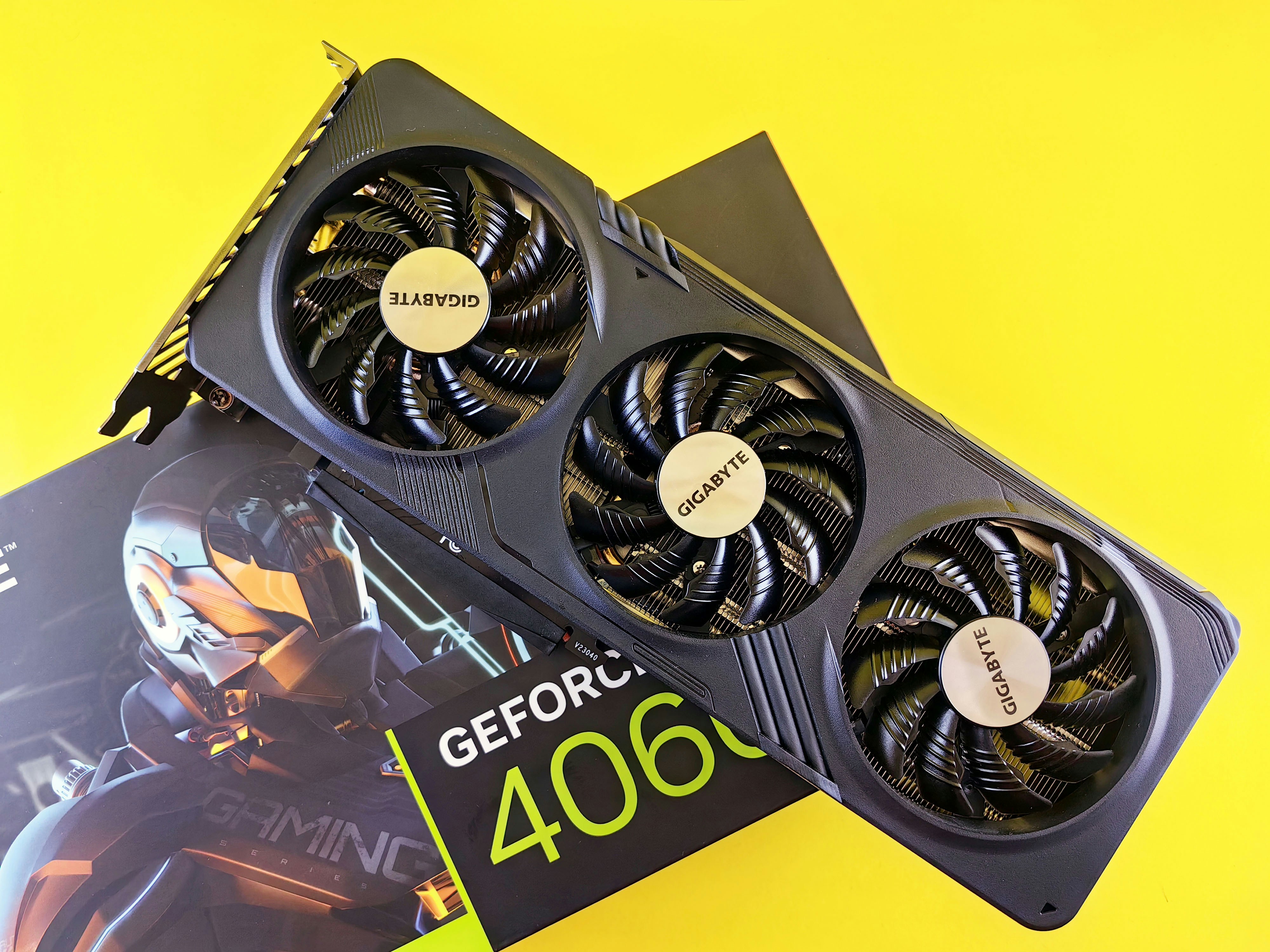
The core objective of the IndiaAI Mission is to harness the capabilities of advanced computing technologies, specifically Graphics Processing Units (GPUs), which are crucial for training complex AI models. By setting an initial target of engaging 10,000 GPUs, the mission aimed not only to boost computational power but also to catalyze research and innovation within the country. The utilization of GPUs facilitates accelerated data processing and enhances the ability to run sophisticated machine learning algorithms, thus enabling researchers and developers to achieve groundbreaking results.
The vision behind the IndiaAI Mission extends beyond mere hardware provision; it encompasses a broader strategy to create an ecosystem wherein AI solutions can thrive. This includes fostering collaboration between academia, industry leaders, and government bodies to ensure knowledge sharing and resource allocation is optimized. By creating an inclusive ambient framework for AI development, the mission aspires to address pressing societal challenges and propel India into a new technological era.
In summary, the IndiaAI Mission is not just about meeting a quantitative target of GPUs; it embodies a larger goal of positioning India at the forefront of the global AI landscape through strategic investments and collaborative efforts. The aspirational shift from 10,000 to an exponential increase in GPU count by 2026 signifies India’s commitment to harnessing the immense potential of AI for sustainable development and innovation.
The Importance of GPUs in AI Development
Graphics Processing Units (GPUs) have emerged as a pivotal component in the realm of artificial intelligence (AI), primarily due to their unparalleled capability to perform rapid parallel processing of vast quantities of data. In contrast to traditional Central Processing Units (CPUs), GPUs excel in executing numerous calculations simultaneously, making them indispensable for deep learning algorithms that require immense computational power.
Deep learning, a subset of machine learning, relies heavily on neural networks that simulate human brain functionality. These networks consist of multiple layers of interconnected nodes, each responsible for processing intricate patterns in data. The complexity and scale of data involved in training these networks necessitate a significant amount of computational capacity. As such, the demand for GPUs continues to escalate in AI research and development, as more researchers and organizations endeavor to build sophisticated AI models capable of solving real-world problems.
Moreover, the increasing adoption of AI technologies across various industries, including healthcare, finance, and automotive sectors, further amplifies the need for more GPUs. With more data generated daily, the processing power required to glean insights and enhance decision-making processes becomes more critical. Consequently, a larger GPU count is not merely advantageous but essential for advancing AI projects effectively and efficiently. Furthermore, the integration of robust GPU infrastructures can enhance the overall performance of AI systems, leading to faster training times and improved model accuracy.
As the AI landscape continues to evolve, it is clear that investing in GPU resources is vital for maintaining competitiveness and driving innovations. The IndiaAI mission, targeting a monumental growth in GPU count by 2026, underscores the strategic importance of bolstering these technological resources to meet the increasing demands of AI development.
Initial Target vs. Actual Achievements: A Comparison
The IndiaAI initiative was originally launched with a bold ambition to deploy 10,000 Graphics Processing Units (GPUs) by 2026. This target was not merely numerical; it signified an intent to empower research, innovation, and application in artificial intelligence across various sectors in India. As of now, analysis reveals a significant disparity between the initial expectations and the actual accomplishments achieved thus far.
Since the inception of this mission, several milestones have been reached at various points in time. In the first year alone, expectations were set high with the deployment of over 3,000 GPUs, indicating a vigorous start. This early achievement can be attributed to a combination of factors, including substantial government backing, partnerships with leading tech organizations, and a burgeoning interest from academic institutions.
By the end of the second year, an additional 4,000 GPUs were integrated into the ecosystem, bringing the total to approximately 7,000. This phase highlighted the increasing engagement from private-sector players and research institutions, who have been instrumental in driving innovation. The alignment of industry needs with academic expertise facilitated a conducive environment for rapid growth.
However, the most remarkable surge in GPU adoption occurred in the third year, where the count escalated dramatically. This accelerated growth was spurred by multiple initiatives, such as workshops, dedicated funding for projects, and enhanced talent development programs aimed at bridging the skill gap in AI technologies. Such measures have not only fostered improvement but have positioned India as a competitive player on the global AI stage.
Despite the challenges faced, including supply chain disruptions and technological constraints, the achievements thus far demonstrate a proactive approach to scaling the IndiaAI mission. The concerted efforts made to meet the GPU target reflect a continuing commitment to propel India’s standing in AI development.
Strategic Partnerships and Collaborations
The IndiaAI mission has recognized the fundamental role that strategic partnerships and collaborations play in achieving its ambitious goal of escalating GPU counts from an initial base of 10,000 to a significant number by 2026. By aligning with various tech companies, educational institutions, and research organizations, the mission has been able to capitalize on shared resources, expertise, and innovation to bolster its GPU acquisition and deployment strategies.
Collaborations with leading tech companies have been particularly instrumental. These partnerships provide not only access to cutting-edge GPU technologies but also facilitate knowledge transfer. Through joint ventures and pilot projects, IndiaAI can leverage the capabilities of established industry players to fast-track the deployment of high-performance computing resources essential for artificial intelligence development. Additionally, these relationships pave the way for potential funding opportunities, which can further enhance the mission’s implementational efficiency.
Furthermore, partnerships with educational institutions serve a dual purpose: they foster research and development while simultaneously cultivating a skilled workforce. By engaging in collaborative research projects and internship programs, universities and colleges contribute to a pipeline of talent that is critical for sustaining the growth of AI initiatives. This synergy not only enhances educational outcomes but aligns academic efforts with the practical needs of the industry.
Research organizations, too, provide vital support through their expertise in various domains related to artificial intelligence and machine learning. These collaborations are essential for accelerating the understanding of complex systems and for refining the applications that utilize GPU technologies. By marrying theoretical research with practical applications, IndiaAI ensures that it remains at the forefront of innovation, ultimately facilitating a more ambitious GPU-scale deployment.
Challenges Faced During GPU Scaling
The ambitious scaling of the GPU count for the IndiaAI mission has not been without its challenges. Understanding and addressing these obstacles are crucial to achieving a robust and high-performance artificial intelligence infrastructure. One of the primary challenges encountered is budget constraints. As demand for GPUs increased, costs surged, leading to a need for reevaluation of financial allocations. This stressed the importance of efficient budget management, requiring the team to prioritize spending and seek potential funding from diverse sources including public-private partnerships and government initiatives.
Furthermore, supply chain issues have posed significant barriers to timely GPU acquisition. The global semiconductor shortage, exacerbated by the COVID-19 pandemic, rendered it increasingly difficult to secure adequate GPU stock. This situation necessitated creative solutions, such as formulating strategic partnerships with GPU manufacturers and exploring alternative sourcing strategies to mitigate supply chain disruptions. By maintaining open lines of communication with suppliers and engaging in proactive inventory management, the team aimed to ensure a steady supply of GPUs, essential for scaling efforts.
In addition to financial and supply considerations, technological hurdles also emerged. The rapid evolution of GPU technology means that teams must continuously adapt and upgrade their systems to fully leverage advancements. This prompted focused efforts on training personnel and investing in cutting-edge infrastructure to stay ahead of the curve. Collaborative research and development initiatives with academic institutions have also been pivotal in addressing these technological challenges, ensuring that the framework for scaling is not only viable but also sustainable. Through a combination of strategic financial management, effective supply chain strategies, and ongoing technological adaptation, the IndiaAI mission steadily progresses toward its goal of significantly increasing its GPU count by 2026.
Impact of Increased GPU Capacity on AI Projects
The steady enhancement of GPU capacity under the IndiaAI mission is poised to yield significant advancements in various artificial intelligence projects. Increased GPU availability directly correlates with improved computational capabilities, thereby accelerating the progress of machine learning algorithms, deep learning models, and data analytics. As the mission aims to amplify GPU counts from 10,000 to monumental levels by 2026, the ramifications of this expansion are already becoming apparent in several sectors.
One prominent benefit of this increased GPU capacity has been the enablement of more complex neural networks. Researchers and developers can now train models on larger datasets and utilize advanced techniques such as transfer learning and reinforcement learning, leading to improvements in areas such as natural language processing, computer vision, and predictive analytics. Success stories are emerging from academia and industry alike, showcasing the efficient use of enhanced GPU resources for real-world applications.
Moreover, companies leveraging these technological advancements have reported enhanced operational efficiencies and the ability to break through previously established limitations. For instance, AI-driven healthcare solutions have improved diagnostics and treatment predictions due to the sophisticated algorithms made possible by increased GPU resources. In agriculture, AI platforms are now capable of processing vast amounts of satellite imagery for resource optimization, leading to better crop yields and sustainable practices.
Furthermore, the ability to conduct extensive simulations and model training significantly reduces the time required to bring AI solutions to market. This capacity not only supports innovation but also facilitates collaboration between researchers, data scientists, and engineers, thus fostering a more vibrant AI ecosystem in India. As the initiative proceeds toward its GPU count goal, the cumulative impact of these advancements positions the IndiaAI mission as a frontrunner in global AI development, addressing both local and international challenges effectively.
Future Projections and Goals Beyond 2026
The landscape of artificial intelligence (AI) in India is rapidly transforming, and the goals of the IndiaAI mission reflect this evolution. As the nation moves toward its ambitious target of scaling GPU resources to unprecedented levels by 2026, the ensuing years also promise a paradigm shift in AI development. The projections for GPU enhancements beyond 2026 pose significant implications for various sectors, including healthcare, agriculture, and smart cities, among others. One can foresee a marked increase in the computational power required for machine learning models and deep learning applications, paving the way for innovative solutions tailored to the specific needs of the Indian populace.
An essential aspect of the future trajectory will be the integration of not only high-performance graphics processing units but also the advent of heterogeneous computing resources. These advancements will facilitate the deployment of AI solutions across the nation, ensuring equitable access to technology. Taking into consideration the diverse economic landscape in India, the goal will be to tailor its AI initiatives toward inclusivity, thereby enabling small enterprises and startups to leverage advanced computational power for innovation.
Furthermore, the future will witness AI becoming increasingly embedded in everyday operations, driven by the growing ecosystem of research and collaboration between academia, industry, and government bodies. These collaborations will not only facilitate knowledge sharing but will also position India as a global leader in AI development. The roadmap beyond 2026 beckons a focus on sustainable AI, whereby computational advancements promote ethical practices and environmental considerations, thereby ensuring holistic growth in the AI sector.
In conclusion, as the IndiaAI mission continues to evolve, the commitment towards achieving significant GPU scaling marks a pivotal chapter in the journey toward establishing India as a global AI powerhouse. Aligning future goals with the burgeoning technology landscape will pave the way for success and innovation.
Lessons Learned from the Scaling Process
The journey of scaling the GPU count for the IndiaAI mission has offered valuable insights that can guide future similar initiatives. One of the foremost lessons learned pertains to resource allocation. Properly identifying the necessary resources—both in terms of hardware and human capital—proved crucial for achieving desired milestones. The initial phases revealed that underestimating the GPU requirements could lead to significant delays, resulting in reevaluated project timelines.
Effective project management emerged as another key takeaway. Implementing agile methodologies allowed for flexibility and adaptability in managing the diverse tasks involved in scaling operations. By adopting an iterative approach, the team could respond promptly to unforeseen challenges, ensuring continuous progress toward GPU targets. It also encouraged consistent assessments of project goals, adjusting them as necessary based on real-world conditions and stakeholder feedback.
Stakeholder engagement played a critical role throughout the scaling process. Early and ongoing collaboration with stakeholders—including government entities, private sector partners, and academic institutions—fostered a mutual understanding of objectives and expectations. Regular communication helped to align interests, garner support, and facilitate resource sharing, which in turn, reinforced commitment toward the ambitious goal of increasing GPU capacity.
Moreover, the cultivation of a supportive ecosystem around the IndiaAI mission emerged as an essential element for success. Engaging with local tech communities and educational institutions helped to create a conducive environment for innovation and problem-solving. These partnerships enabled knowledge sharing and skills development, enhancing the overall capabilities of the teams involved.
In summary, the scaling process clarifies the importance of thorough resource planning, proactive project management, and robust stakeholder engagement. These lessons establish a foundational framework for future scaling efforts, ensuring that initiatives can achieve their intended impacts efficiently and effectively.
Conclusion: The Road Ahead for the IndiaAI Mission
The journey of the IndiaAI mission has been remarkable since its inception, evolving from an ambitious target of 10,000 Graphics Processing Units (GPUs) to an impressive milestone set for 2026. This development signifies not only a commitment to advancing artificial intelligence (AI) technology but also the potential impact on India’s broader tech landscape. By focusing on expanding GPU resources, the mission acknowledges the critical role that high-performance computing plays in the research and development of AI applications.
As the demand for AI innovation grows in various sectors, the scaling of GPU counts enables researchers, entrepreneurs, and enterprises to push the frontiers of technology. The enhancements in computational capabilities foster an environment conducive to breakthrough innovations, leading to enhanced product development and improved services across industries. Such advancements will likely attract investments, stimulate job creation, and sharpen India’s competitive edge in the global tech arena.
Moreover, the sustained commitment to the IndiaAI Mission reinforces the government’s vision of making India a leader in AI advancements. Collaborations with academia, industry players, and global partners will be pivotal in facilitating technology transfer and knowledge exchange. This cooperative framework will not only expedite the pace of innovation but also ensure that India remains at the forefront of AI research and applications.
In conclusion, the future of the IndiaAI Mission rests on our collective enthusiasm and progress in artificial intelligence. With a robust GPU infrastructure and a vision for collaboration, the pathway ahead is filled with opportunities for transformative impacts, ensuring that India capitalizes on the ever-evolving digital landscape driven by AI technologies.