Introduction to the IndiaAI Mission
The IndiaAI Mission represents a significant step forward in the realm of artificial intelligence (AI) development within India. Launched with the overarching aim of fostering a robust AI ecosystem, this initiative seeks to bridge gaps in research and development across the country, particularly focusing on enhancing the capabilities of researchers in Tier-2 and Tier-3 cities. The mission’s ambitious goals include increasing accessibility to advanced computational resources, providing training opportunities, and nurturing talent to promote innovation in AI.
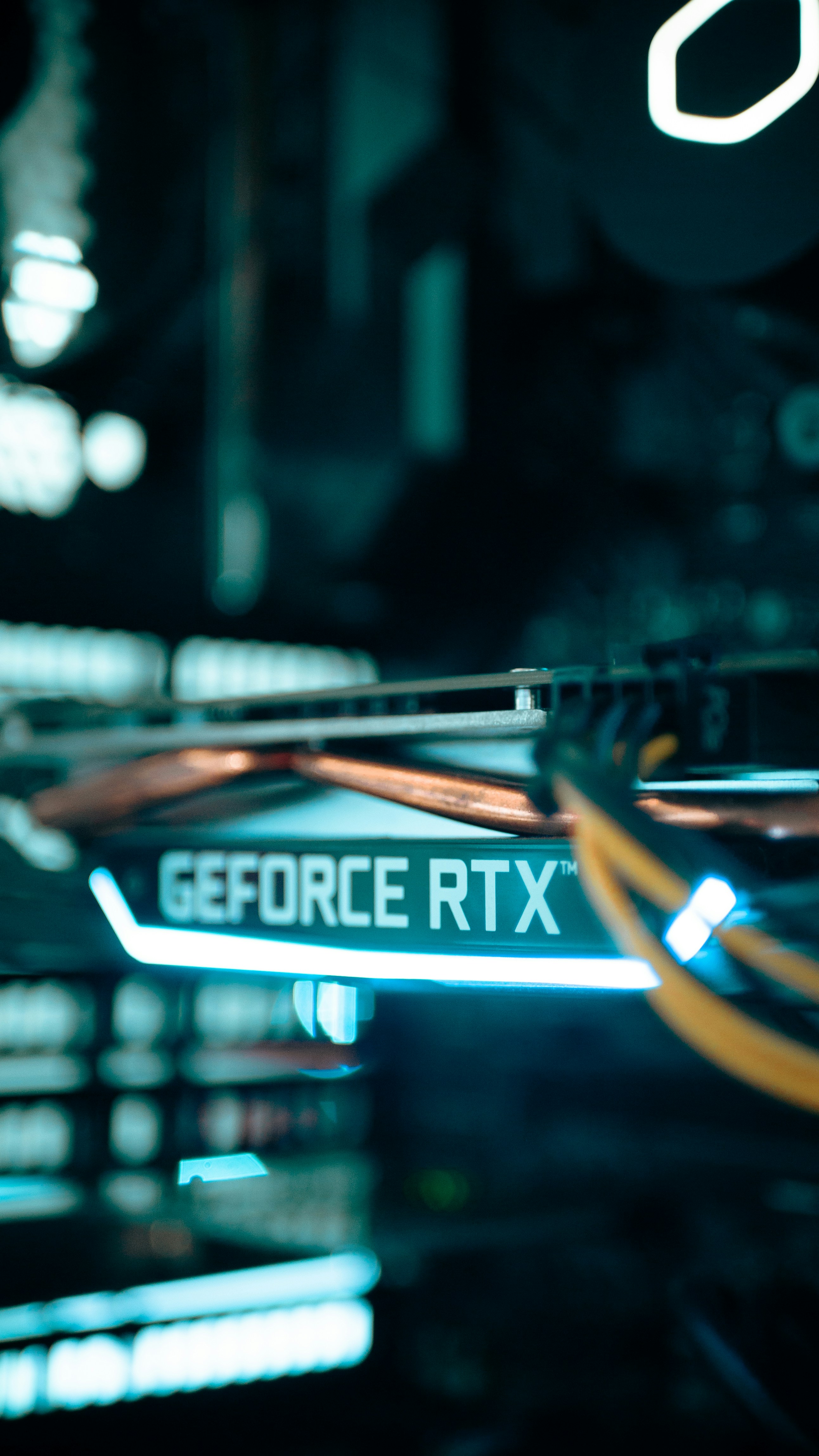
A cornerstone of the IndiaAI Mission is the introduction of 38,000 GPU compute resources, which are expected to revolutionize AI research within smaller cities. This enhancement is designed to democratize access to high-performance computing, enabling researchers who may not have previously had the opportunity to leverage such powerful tools. The significance of this initiative cannot be overstated, as it aims to empower local talent and promote AI solutions tailored to address specific regional needs and challenges.
By equipping researchers with state-of-the-art GPU access, the IndiaAI Mission aspires to inspire groundbreaking research projects and foster collaboration between academia and industry. This effort will not only elevate the quality of AI research in Tier-2 and Tier-3 cities but will also contribute to India’s positioning as a global leader in AI innovation.
In summary, the IndiaAI Mission’s distinct focus on providing GPU access underlines its commitment to nurturing an inclusive AI environment across the nation. The goal is to catalyze a wave of innovation that maximizes the potential of AI technology, ultimately benefiting diverse sectors and communities throughout India.
Understanding GPU Compute and Its Importance
Graphics Processing Units (GPUs) serve as specialized hardware designed to accelerate computing tasks, making them invaluable in the realms of artificial intelligence (AI) and machine learning (ML). Unlike their traditional counterparts, Central Processing Units (CPUs), which handle a limited number of tasks sequentially, GPUs excel at parallel processing. This capability allows them to perform numerous calculations simultaneously, which is particularly beneficial for processing large datasets that are characteristic of modern AI applications.
In the context of data science, GPU compute facilitates the rapid analysis and modeling of data. Data scientists often work with extensive datasets that require substantial computational power to derive insights and build predictive models. The parallel architecture of GPU compute significantly reduces the time it takes to train machine learning models, enabling researchers to iterate more rapidly on their experiments and improve overall efficiency.
Moreover, in fields such as image processing and neural networks, the role of GPU resources becomes even more pronounced. Neural networks, particularly deep learning models, necessitate the processing of vast amounts of data to learn intricate patterns and make predictions. GPUs are specifically designed to handle such workloads effectively, thus enhancing the performance and responsiveness of AI applications. Additionally, image processing tasks, which involve operations on high-dimensional data, also benefit greatly from the rapid computation capabilities of GPUs, as they can manage numerous operations concurrently.
Ultimately, the advancement and accessibility of GPU compute resources empower researchers, particularly in Tier-2 and Tier-3 cities, to engage more fully in cutting-edge projects that were previously constrained by resource limitations. By leveraging GPU technology, researchers can enhance their capabilities, leading to innovation and progress in the AI landscape.
The Landscape of Tier-2/3 Cities in India
The landscape of research in Tier-2 and Tier-3 cities of India presents a complex picture characterized by both potential and significant challenges. Cities such as Airoli, part of the Navi Mumbai region, serve as a microcosm of the broader trends affecting researchers working outside the megacities. One of the foremost issues is the lack of adequate funding. Many educational institutions and research bodies in these cities struggle to secure financial support for their projects, which greatly limits their ability to conduct cutting-edge research in critical areas, including artificial intelligence.
In addition to funding, access to advanced technology remains a daunting obstacle for researchers. While urban centers may showcase the latest in computational resources, researchers in Tier-2 and Tier-3 cities often find themselves reliant on outdated equipment or limited access to high-performance computing facilities. This deficit in technological resources can severely undermine their ability to produce impactful research outcomes and engage competitively in the AI landscape.
Moreover, scholars in these regions frequently experience isolation from the larger academic community. This isolation can lead to fewer collaborative opportunities, limiting researchers in Tier-2 and Tier-3 cities from sharing knowledge, accessing mentorship, and participating in significant research discussions. Networking events, workshops, and conferences tend to occur in more populous urban areas, leaving researchers in smaller cities out of critical dialogues shaping their fields.
Research ecosystems in places like Airoli exemplify these challenges but also reflect an underlying potential. There exists a burgeoning interest among younger researchers and students to engage in AI-related studies; however, without addressing the resource gaps, funding shortfalls, and accessibility to technology, their contributions may continue to be marginalized. Enhancing the research landscape in these cities is essential for fostering innovation and harnessing the collective intellectual capacity of the nation.
How the GPU Compute Access Supports Local Researchers
The recent initiative to make 38,000 GPU compute resources available under the IndiaAI Mission represents a pivotal advancement for researchers located in Tier-2 and Tier-3 cities, specifically for those engaged in AI research in Airoli and Navi Mumbai. This initiative offers significant benefits directly aligned with the needs of local researchers, enhancing their research capabilities and increasing the potential for innovation.
One of the foremost advantages is the acceleration of research capabilities. Access to high-performance GPU computing allows researchers to process complex datasets and run advanced machine learning algorithms at unprecedented speeds. Tasks that previously required extensive time and computational resources can now be executed more efficiently, enabling researchers to focus on results rather than the limitations of their computing power. This capability is especially beneficial for experiments that require real-time processing, such as natural language processing or image recognition, which are crucial in AI developments.
Furthermore, the availability of GPU resources fosters improved collaboration among researchers. With most modern AI projects requiring interdisciplinary approaches, GPU compute access facilitates the sharing of findings and methodologies among peers within the region. Researchers can engage in cooperative projects with enhanced computational resources, strengthening their overall contributions to the field and facilitating community-building among AI practitioners.
The new compute resources also open doors for innovation by enabling local researchers to explore new avenues and conduct experiments they might not have previously considered feasible. For example, they can test more expansive models, carry out simulations, or run augmented datasets that can significantly enhance the depth and breadth of their research outcomes. By leveraging these advancements, researchers can contribute more meaningfully to the global body of AI knowledge and push the boundaries of what is possible in their respective fields.
Case Studies: Local Researchers Making an Impact
The recent expansion of GPU compute access under the IndiaAI mission has provided local researchers in Tier-2 and Tier-3 cities with a powerful tool to enhance their work. These resources are not merely technical upgrades; they represent a transformative opportunity that enables innovative research and practical applications across a variety of fields. Several case studies illustrate this impact vividly.
One notable example is Dr. Neha Gupta, a researcher from a Tier-2 city who focused on environmental studies. Utilizing the new GPU access, Dr. Gupta developed an advanced machine learning model to predict air quality in urban areas. Her project not only garnered attention from local authorities but also influenced policy changes regarding pollution control in her city. This underscores how access to robust computational resources can help local researchers tackle significant societal challenges.
Another case worth mentioning is that of Mr. Ramesh Patel, a computer science professor who and his students leveraged GPU computing power to create an innovative agricultural solution. By implementing deep learning techniques to analyze crop data, they were able to optimize farming practices, thus improving yield predictions. This project has had a direct impact on local farmers, helping them make informed agricultural decisions and boosting both productivity and income.
Additionally, a team of biomedical researchers from a smaller city has utilized GPU access to explore genetic variations related to rare diseases. Their findings have the potential to significantly advance treatments available within the medical community. By harnessing the power of GPU computing, these researchers have gained quick access to computational resources that were previously out of reach, thus propelling their research to new heights.
Through these demonstrated successes, it becomes evident that the GPU compute capabilities provided by the IndiaAI mission empower local researchers, enabling them to not only conduct impactful research but also contribute to their communities and industries in meaningful ways.
Collaborative Opportunities and Networking
The initiative to provide access to 38,000 GPU compute resources under the IndiaAI Mission presents a significant opportunity for researchers situated in Tier-2 and Tier-3 cities. This access not only equips these researchers with advanced computational capabilities but also lays the groundwork for enhanced collaboration across various segments of the academic and technological landscapes. With GPU resources, researchers can engage in more ambitious projects that require intensive computational power, thereby opening avenues for partnership.
By utilizing this GPU access, institutions in smaller cities can effectively collaborate with universities and research centers in larger metropolitan areas. These collaborations often result in joint projects that leverage the strengths and perspectives of diverse teams. For instance, a research team in a Tier-2 city may specialize in local environmental issues, while a team in a metropolitan area might focus on advanced modeling techniques. Together, they can produce comprehensive studies that benefit from both local insights and cutting-edge technology.
Moreover, the introduction of these GPU resources facilitates networking opportunities that were previously limited for researchers outside major urban centers. Online platforms and collaborative tools enable seamless interaction between researchers in Tier-2 and Tier-3 cities and their counterparts globally. Through webinars, virtual meet-ups, and collaborative projects, these researchers can share knowledge, refine their methodologies, and widen their access to potential funding opportunities.
Additionally, partnerships with industries and tech organizations may blossom as researchers demonstrate their capabilities using GPU power. This fosters a culture of innovation and technological advancement in regions that historically faced barriers to high-end research. The collaborative spirit ignited by the GPU access can pave the way for a thriving ecosystem of research and innovation that not only uplifts individual researchers but also transforms the academic landscape in Tier-2 and Tier-3 cities.
Potential Challenges and Solutions
The introduction of 38,000 GPU units under the IndiaAI mission opens a wealth of opportunities for researchers in Tier-2 and Tier-3 cities. However, the effective utilization of these GPU resources is not without its challenges. Primary among these is the learning curve associated with adopting new technologies. Many researchers may find themselves unfamiliar with the ecosystem of GPU programming, which can initially hinder their ability to leverage these computational resources fully.
An additional challenge is the lack of access to advanced training programs or workshops specifically tailored to GPU-based computing. While there are numerous online resources available, the disparity in skill levels and prior experience among researchers can create barriers to effective learning. Furthermore, researchers may experience feelings of isolation due to their geographical location, potentially impacting their motivation and engagement with new technologies.
To address these challenges, it is essential to implement targeted solutions that cater to the specific needs of these researchers. First and foremost, the establishment of comprehensive training programs focused on GPU computing can provide the necessary foundational knowledge. These programs should not only cover the technical aspects of GPU usage but also include hands-on labs and real-world applications. Additionally, creating community-building initiatives, such as online forums and local study groups, will enable researchers to share experiences, troubleshoot issues collaboratively, and foster a sense of support and camaraderie.
Moreover, partnerships with academic institutions and industry leaders can facilitate mentorship opportunities, bridging the gap between experienced professionals and novice users. This mentorship can offer invaluable insights and guidance, helping less experienced researchers build confidence as they navigate the complexities of GPU technology. Ultimately, through a combination of effective training programs and a supportive community, researchers in Tier-2 and Tier-3 cities can successfully overcome the challenges that come with accessing GPU resources and harness their full potential for innovative research.
Future Scope: Enhancing Research Capabilities
The allocation of 38,000 GPU compute units under the IndiaAI Mission represents a transformative opportunity for researchers in Tier-2 and Tier-3 cities. This unprecedented access to advanced computational resources is likely to catalyze the development of research capabilities in these regions, which have long been underrepresented in the technological landscape. Enhanced access to GPU compute resources is intended to foster a conducive environment for innovation, thereby allowing local researchers to engage in cutting-edge projects that were previously unattainable due to resource constraints.
With the establishment of innovation hubs, we can foresee collaborative ecosystems emerging within these cities. Researchers will not only benefit from access to powerful computational tools but also from connections with industry leaders, academia, and government entities. This collaborative approach will provide a platform for shared knowledge, aiding researchers in refining their skills and methodologies while driving substantial contributions to the artificial intelligence (AI) landscape. As a result, these hubs could become incubators for disruptively innovative ideas that bridge the gap between urban and rural research outputs.
Furthermore, the long-term implications of improved research capacities could lead to a sustainable technology ecosystem in Tier-2 and Tier-3 cities. With increased investment in education and infrastructure, the potential for local talent to thrive is considerable. Enhanced GPU compute access will encourage researchers to experiment with diverse applications of AI, thereby contributing to sectors like healthcare, agriculture, and environmental science. In this manner, we are not just improving research capabilities; we are fostering a culture of innovation and intellectual growth, contributing to the broader goal of a digitally empowered India.
Conclusion and Call to Action
The introduction of 38,000 GPU compute resources under the IndiaAI Mission represents a significant advancement for researchers based in Tier-2 and Tier-3 cities across India. These cutting-edge computational resources have the potential to democratize access to technology, fostering an environment where innovation can thrive beyond the traditional centers of research. With the ability to conduct complex analyses and simulations, local researchers can now contribute more effectively to various fields, including artificial intelligence, machine learning, and data science.
By equipping a broader spectrum of researchers with these GPUs, the IndiaAI Mission is not only enhancing the scientific output but also stimulating economic growth within these cities. The agility and capacity to handle large datasets will empower these researchers to create applications that address local challenges, ultimately leading to sustainable development and improvement in quality of life. This initiative underscores the commitment to nurturing talent uniformly across the country, bridging the gap between urban and rural research capabilities.
It is crucial for various stakeholders—including government bodies, academic institutions, and private sector organizations—to recognize and act upon the opportunities presented by this initiative. Collective support and investment in infrastructure, training, and mentorship programs are necessary to maximize the potential of these resources. By fostering collaboration and encouraging knowledge sharing among researchers, we can build a stronger research ecosystem that benefits not only individual researchers but also the society at large. As we move forward, it will be essential to assess and refine these initiatives continuously, ensuring that they remain responsive to the evolving needs of researchers in Tier-2 and Tier-3 cities. Together, we can harness the power of technology to unlock new frontiers in research and innovation.