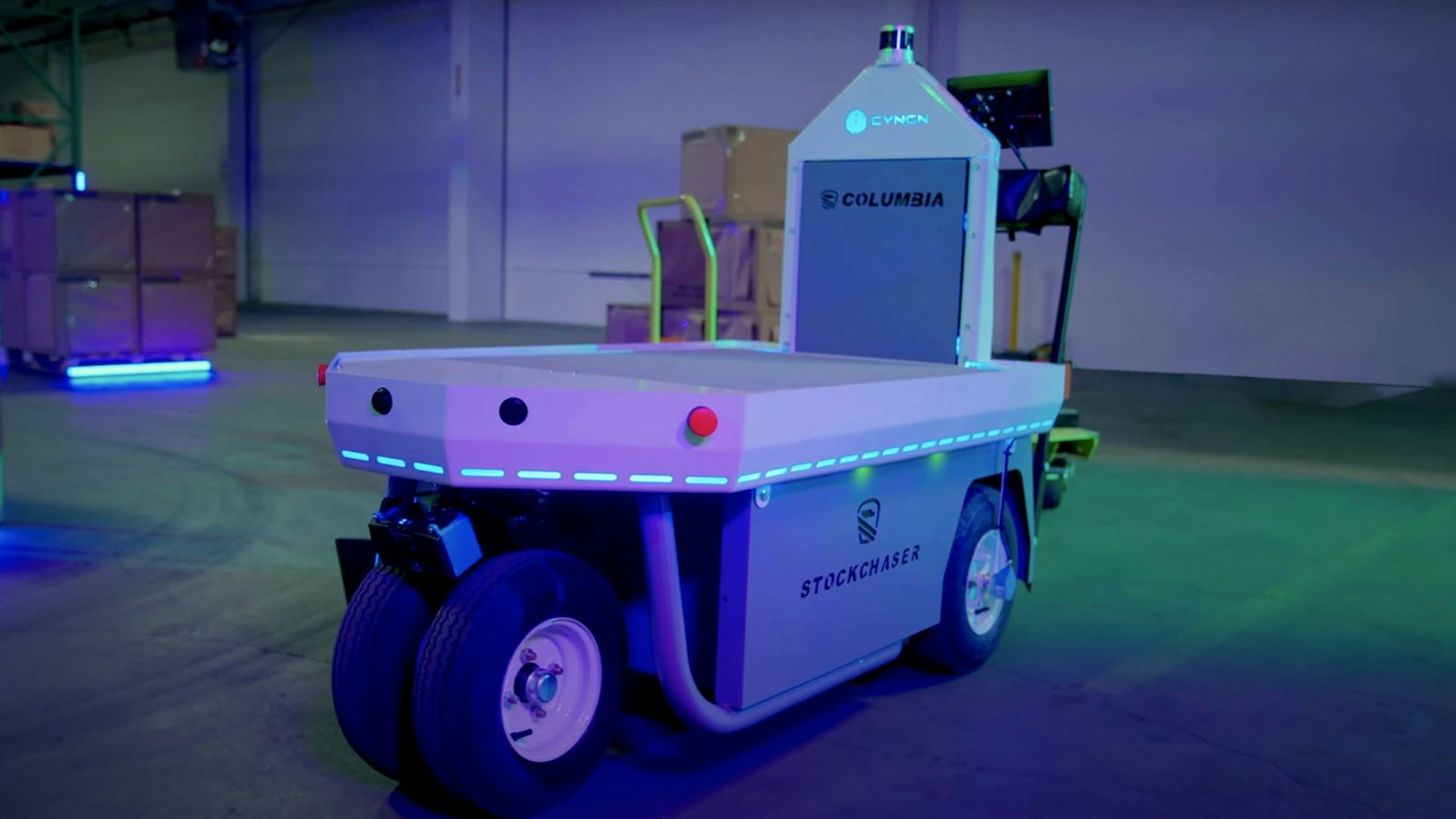
Introduction to Physical Intelligence in Robotics
Physical intelligence in robotics refers to a robot’s capacity to understand and interact with the physical world in a manner that emulates human-like proficiency. This umbrella term encompasses various capabilities, such as perception, manipulation, and navigation, allowing robotic systems to tackle complex tasks in dynamic environments. As robots become increasingly integrated into various sectors, particularly logistics, the importance of physical intelligence has grown significantly.
The relevance of physical intelligence can be observed in its application within warehouse and port logistics. In these settings, robots equipped with advanced sensors, vision systems, and machine learning algorithms can assess their surroundings, make informed decisions, and perform intricate tasks such as picking, sorting, and transporting goods. This enables not only efficiency improvements but also enhances safety and reduces human error. For instance, a robot that can identify obstacles and adjust its path accordingly demonstrates high physical intelligence, facilitating seamless operations in crowded environments.
Moreover, as supply chains become increasingly complex, the need for smarter, more adaptable robots has intensified. By implementing physical intelligence, companies can ensure their robotic workforce is capable of multitasking and adapting to unforeseen circumstances. Optimization of logistics operations through the application of physical intelligence can lead to reduced operational costs and improved service levels.
In conclusion, the concept of physical intelligence in robotics serves as a transformative force in logistics, particularly in places like Airoli warehouses and port facilities. As technology evolves, the ability of robots to navigate and interact with the physical environment will be crucial in redefining workflows and enhancing overall efficiency.
The Importance of Robotics in Warehouse and Port Logistics
In the rapidly evolving landscape of logistics, particularly within warehouses and port environments, the integration of robotics is becoming increasingly vital. Currently, these sectors face several challenges, including labor shortages, the need for increased efficiency, and the rising expectations for faster delivery times. Traditional logistics operations often struggle with manual handling issues, leading to inefficiencies that can hinder the overall supply chain. Therefore, the growing demand for automation is not only a trend but a response to these persistent challenges.
Robotics plays a crucial role in addressing the complexities of warehouse and port logistics. By employing automated systems, companies can enhance productivity and streamline operations. Robotics technologies, such as autonomous mobile robots (AMRs) and automated guided vehicles (AGVs), are now essential components in modern supply chains. These systems are capable of efficiently transporting goods, managing inventory, and optimizing storage solutions, thereby minimizing human error and significantly reducing operation times.
The adoption of advanced robotics technology offers substantial benefits, including consistency in tasks, improved accuracy in inventory management, and the ability to operate in challenging environments. In warehouses, robots can undertake repetitive tasks, such as picking and packing, freeing up human workers to focus on more strategic activities. At ports, robotic systems can assist with container handling, enhancing turnaround times and ensuring better use of space. As the logistics industry continues to evolve, integrating such technologies is not merely advantageous but imperative for maintaining competitive advantage.
Thus, the importance of robotics in warehouse and port logistics cannot be overstated. The shift towards automation is critical in overcoming current challenges and meeting future demands. Businesses that effectively leverage robotics are likely to experience improved operational efficiencies, ultimately leading to enhanced customer satisfaction and long-term sustainability within the supply chain framework.
Key Characteristics of Physically Intelligent Robots
Physically intelligent robots possess a variety of essential characteristics that enable them to operate effectively in complex environments such as warehouses and ports. One fundamental trait is adaptability. These robots are designed to analyze their surroundings and adjust their actions based on real-time data. This capability facilitates operations in dynamic settings where conditions can change rapidly, allowing robots to respond to unforeseen challenges efficiently.
Another vital characteristic is dexterity. Physically intelligent robots are equipped with advanced articulation and manipulation capabilities that enable them to perform a wide range of tasks, from picking up fragile items to moving heavy loads. This level of dexterity is crucial for operations in logistics, where precision and care are paramount. The development of robotic arms and grippers that mimic human-like movement enhances their ability to interact with diverse objects in a controlled manner.
Perception also plays a significant role in defining physically intelligent robots. These machines leverage an array of sensors, including cameras, LiDAR, and ultrasonic sensors, to gather data about their environment. This sensory information allows robots to navigate through cluttered spaces, identify obstacles, and understand the context of their surroundings. By integrating visual and spatial data, they can make informed decisions, ensuring safe and efficient movement.
Finally, the ability to interact safely within complex environments is paramount. Physically intelligent robots are programmed with sophisticated algorithms that allow them to recognize and respond to nearby humans and other machines. This feature not only improves operational efficiency but also enhances safety, preventing accidents and ensuring smooth collaboration between robots and human workers. Collectively, these traits form the foundation of physically intelligent robots, making them vital assets in modern logistics.
Applications of Physical Intelligence in Airoli Warehouses
In the rapidly evolving landscape of logistics, the incorporation of physically intelligent robots in Airoli warehouses stands out as a significant advancement. These robots are designed to perform various tasks that range from sorting items to managing inventory, thereby enhancing operational efficiency and reducing the risks associated with human labor.
One of the primary applications of physical intelligence in these warehouses involves sorting goods. Robots equipped with advanced sensors and vision systems can identify and categorize items based on size, weight, and type. This automation not only speeds up the sorting process but also minimizes errors that could arise from manual sorting. As a result, warehouses can achieve higher throughput, enabling them to meet increasing consumer demands effectively.
Another critical task that physically intelligent robots can perform is inventory management. These robots utilize real-time data to track inventory levels, monitor stock movements, and even forecast future inventory needs. By automating this process, warehouses reduce the chances of overstocking or stockouts, thus optimizing their supply chain. Moreover, with continuous updates and precise data reporting, decision-makers can operate more efficiently, having access to accurate information when needed.
Order picking, a fundamental activity in warehouses, is another area where physical intelligence has made a notable impact. Robots can maneuver through aisles efficiently to locate and retrieve products for orders. This not only saves time but also reduces the physical strain on human workers, who are often required to lift heavy items or navigate through compact spaces. Enhanced order accuracy and reduced picking times contribute significantly to overall productivity and customer satisfaction.
In conclusion, the integration of physically intelligent robots in Airoli warehouses showcases a transformative approach to logistics. By automating sorting, inventory management, and order picking, these robots improve operational efficiency and ensure safer working conditions for human employees, thereby representing a significant leap towards modernized logistics solutions.
Enhancing Port Logistics with Robotic Solutions
The integration of robotic solutions in port logistics marks a significant advancement in efficiency and effectiveness. By leveraging physical intelligence, these systems can enhance container handling, streamline loading and unloading operations, and optimize transport between docks. One notable example is the implementation of automated guided vehicles (AGVs) within several major ports worldwide. These AGVs can carry containers from ships to storage areas, operating with minimal human intervention, thereby reducing labor costs and increasing safety.
In the bustling port of Rotterdam, the use of robotic cranes has revolutionized the loading and unloading process. These cranes utilize advanced sensors and artificial intelligence algorithms to perform tasks with remarkable precision, significantly decreasing turnaround times for vessels. Such improvements directly translate to increased throughput, allowing ports to handle a greater number of ships and containers within the same time frame. This efficiency is crucial in a competitive logistics environment where timely delivery can greatly impact overall supply chain performance.
Moreover, a case study from Airoli involved the deployment of robotic systems that handle not only container movement but also data collection for inventory management. By employing machine learning techniques to monitor the flow of goods, the system helps to predict demand and optimize stock levels at precise intervals. As a result, ports utilizing these intelligent robotic solutions witness enhanced reliability and reduced delays, factors that are paramount in the logistics sector.
The trend towards incorporating robotics in port logistics is expected to grow, driven by continued advancements in technology and a pressing need for operational efficiency. The implementation of these solutions not only transforms the operational landscape of ports but also sets a new standard for logistics practices globally. By embracing physical intelligence, ports can significantly improve their services, heightening their competitiveness in the ever-evolving logistics market.
The Role of Artificial Intelligence in Enhancing Physical Intelligence
The integration of artificial intelligence (AI) in robotics has revolutionized the physical intelligence capability of robots, particularly in complex environments such as warehouses and logistics operations. AI empowers robots with the ability to perceive, analyze, and interact with their surroundings autonomously. This enhancement begins with machine learning algorithms that allow robots to learn from their experiences and adapt their behaviors accordingly.
By processing vast amounts of sensory data, AI algorithms enable robots to recognize patterns and make informed decisions. For instance, in Airoli warehouses, this could mean identifying the most efficient routes for transporting goods or optimizing storage space through intelligent categorization of items. Such adaptations lead to improved operational efficiency, minimizing human error and enhancing the overall workflow.
Furthermore, advanced computer vision techniques, supported by AI, enable robots to interpret visual information with high accuracy. For example, robots can detect and differentiate between various items, thereby streamlining the picking process. In logistics ports, this capability translates to the effective unloading and loading of containers, ensuring that processes are not only faster but also safer.
AI also plays a critical role in predictive maintenance for robots, which is essential for reducing downtime in operations. By continuously monitoring the status of robotic systems, AI can forecast potential failures and suggest timely maintenance actions. This proactive approach significantly enhances the reliability and longevity of robotic systems used in logistics.
In essence, the role of artificial intelligence in augmenting physical intelligence is multifaceted. As robots become increasingly capable of independent operation through AI, they are poised to improve efficiency, accuracy, and reliability in logistics tasks at optimizing locations like Airoli warehouses and distribution ports. The ongoing advancements in AI technology continue to push the boundaries of what physically intelligent robots can achieve in various operational landscapes.
Challenges and Limitations of Implementing Robotics in Logistics
The integration of physically intelligent robotics into logistics operations, particularly in environments such as warehouses and ports in Airoli, poses several challenges and limitations that businesses must navigate. One of the primary concerns is cost. The initial investment required for acquiring, implementing, and maintaining advanced robotic systems can be substantial. Organizations may struggle to justify these expenses, especially in sectors where profit margins are relatively slim.
Technical limitations of current robotic technologies also present significant hurdles. While advancements in robotics have led to improved automation levels, there are still constraints regarding adaptability and precision. Robotic systems may not be able to handle a wide variety of tasks simultaneously or operate effectively in all environments, particularly those that require human intuition or complex decision-making skills.
Another major challenge is workforce resistance. The prospect of automation can create anxiety among employees who fear job displacement. Resistance from the workforce can lead to decreased morale and productivity. It is essential for companies to effectively communicate the benefits of robotic implementation and possibly re-skill their staff, helping them transition into augmented roles rather than viewing robotics as a replacement.
Finally, there is a significant requirement for skilled personnel to operate and maintain robotic systems. This need for specialized knowledge can create a talent gap in the logistics sector, where there may not be enough qualified individuals to manage these advanced technologies. Organizations must invest not only in robotics but also in training and development initiatives to equip their workforce with the necessary capabilities to leverage these innovative tools effectively.
Future Trends in Robotics for Logistics and Warehousing
The rapidly evolving field of robotics is poised to revolutionize logistics and warehousing, particularly through advancements in physical intelligence. These innovations are set to enhance operational efficiency in environments such as Airoli warehouses and ports. One prominent trend is the integration of artificial intelligence (AI) and machine learning in robotic systems, allowing robots to analyze large sets of data and optimize their performance in real-time. This capability will not only streamline inventory management but also improve demand forecasting, leading to reduced operational costs and increased efficiency.
Additionally, the focus on sustainability within the logistics sector has led to a shift towards greener robotics. Companies are increasingly designing robots that utilize renewable energy sources, such as solar-powered systems, and are implementing energy-efficient practices. These initiatives contribute to the reduction of the carbon footprint in warehouses and ports, aligning with global sustainability goals.
Furthermore, the emergence of collaborative robots, or cobots, marks another significant trend. These robots are designed to work alongside human workers, enhancing safety and productivity in the workplace. Cobots can assist in various tasks, from picking and packing to sorting and inventory checks, thus allowing human employees to focus on higher-level decision-making roles. The synergy cultivated between humans and robots will redefine workforce dynamics in logistics and warehousing.
Moreover, advancements in sensor technology and robotics will enable greater adaptability, allowing robots to navigate complex environments with ease. This capability is particularly essential for port logistics, where varying conditions and operational challenges constantly arise. Overall, the future of robotics in logistics and warehousing is bright, driven by innovation in physical intelligence, sustainability efforts, and the collaborative paradigm. The ongoing evolution in this sector promises to enhance productivity, improve operational effectiveness, and address pressing challenges in the industry.
Conclusion: The Future of Physical Intelligence in Airoli’s Logistics
As industries increasingly rely on automation and advanced technologies, the emergence of physically intelligent robotics marks a pivotal shift in logistics operations, particularly in regions like Airoli. This blog post has explored how the integration of physical intelligence in robotics is not just a trend but a necessity for improving the efficiency, reliability, and productivity of logistics processes at warehouses and ports. The profound implications of these innovations are multifaceted, spanning enhanced inventory management to optimized space utilization, which collectively bolster the operational capacities of logistics providers.
The journey towards embracing physically intelligent robotics entails noteworthy investments in research, development, and training. It is essential for organizations to undertake initiatives that elevate the skillset of their workforce while equipping them to work alongside advanced robotic systems. This dual approach fosters a harmonious coexistence between human expertise and robotic precision, promoting an environment of collaboration that can lead to groundbreaking advancements.
Furthermore, the commitment towards sustainable operations cannot be overlooked. Automated robots, designed with sophisticated sensory frameworks, not only streamline processes but also contribute to minimizing waste and reducing carbon footprints. As businesses in Airoli look to the future, adopting these technologies will not only enhance operational efficiency but also position them as responsible players within the global logistics arena.
In conclusion, the future of logistics in Airoli hinges on the effective utilization of physically intelligent robotics. By investing in these transformative technologies, industries are poised to unlock unprecedented levels of efficiency, ultimately reshaping logistics practices for the better. As Airoli’s warehouses and ports evolve, they must embrace this shift to remain competitive and relevant, thereby ensuring a robust logistics framework for years to come.