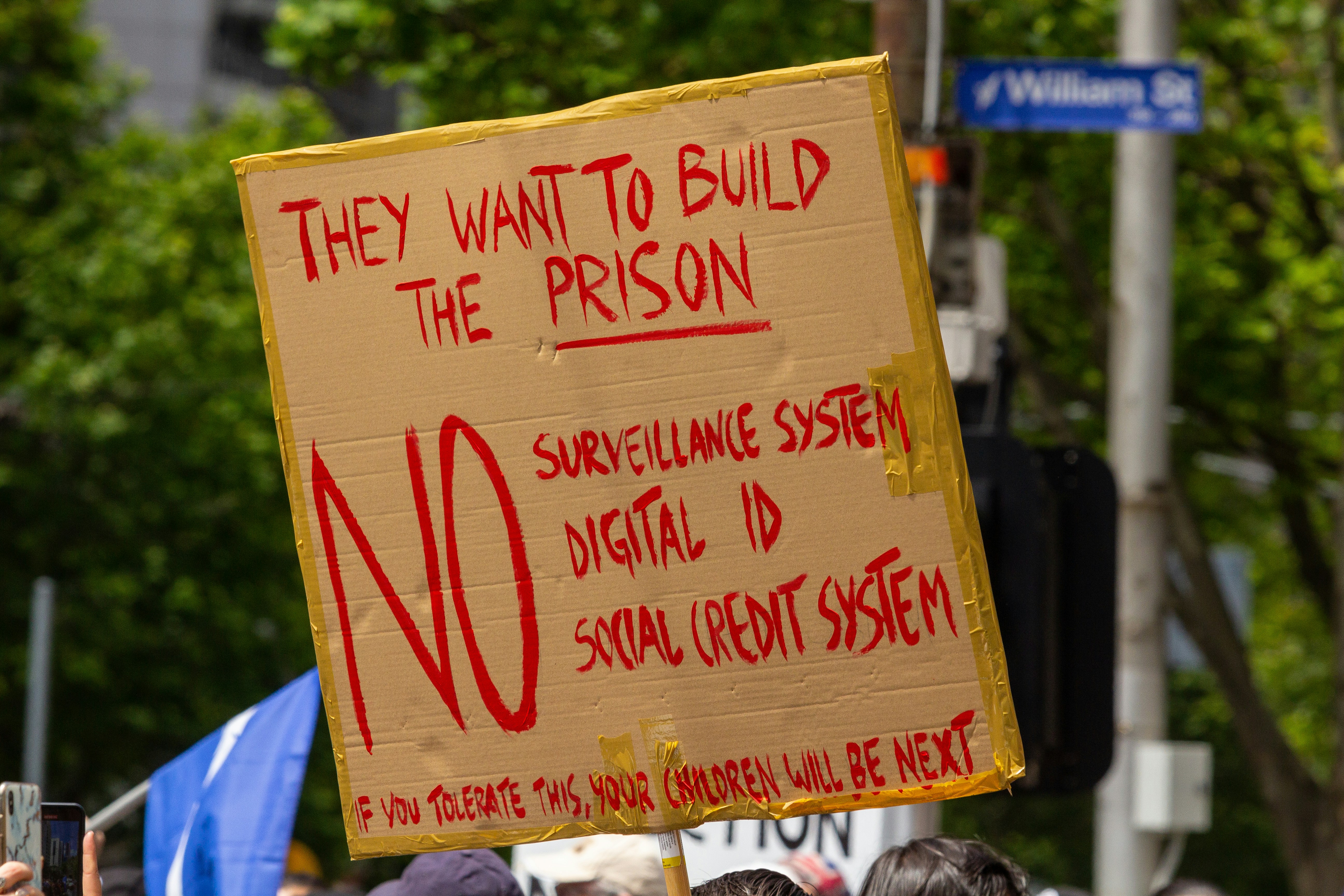
Introduction to Ethical AI Surveillance
Artificial Intelligence (AI) surveillance refers to the use of advanced technologies that enable monitoring and analysis of data in real-time, often through the deployment of cameras and sensors across public spaces. In the context of smart cities, such as Navi Mumbai, the integration of AI surveillance systems is increasingly becoming a cornerstone for enhancing public safety, efficiency, and urban management. However, the implementation of these technologies raises significant ethical concerns that must be addressed to ensure the well-being of residents.
Ethical considerations in AI surveillance encompass various issues, including privacy rights, data security, and the potential for bias in algorithmic decision-making. As smart cities evolve, the deployment of surveillance technologies can lead to an erosion of personal privacy unless safeguards are in place. Residents may feel that their movements are constantly monitored, leading to concerns about whether such surveillance is truly serving the public interest or infringing upon individual freedoms.
Moreover, ethical AI surveillance must consider the accuracy and fairness of the algorithms employed. If these systems are trained on biased datasets, they might yield discriminatory results, disproportionately affecting certain demographics within the community. This raises questions about accountability, transparency, and trust in the technologies that guide urban life. Addressing these ethical dilemmas is crucial for the successful integration of surveillance technologies into Navi Mumbai’s smart city vision for 2026.
Understanding the implications of AI surveillance on the rights and well-being of residents is essential for fostering a harmonious balance between technology and ethical governance. It is imperative that stakeholders engage in a dialogue about these challenges to ensure that the benefits of AI enhancements do not come at the cost of fundamental human rights.
The Smart City Initiative in Navi Mumbai
The Smart City Mission, launched by the Indian government in 2015, aims to promote sustainable and inclusive urban development across various cities. Navi Mumbai was selected as one of the smart cities due to its strategic location and potential for growth. The initiative seeks to leverage advanced technology to enhance urban living, making cities safer, more efficient, and better organized for the future. One of the core components of this mission is the integration of Information and Communication Technology (ICT) in urban planning.
As part of the Smart City initiative, Navi Mumbai is looking to implement a range of technological solutions that facilitate modernization in governance, security, and infrastructure management. Among these solutions is the deployment of Artificial Intelligence (AI) surveillance systems designed to enhance security and monitoring across the city. These AI technologies enable the real-time analysis of data collected from various sources, improving responsiveness and decision-making within urban management.
The intended benefits of AI surveillance in Navi Mumbai encompass not only public safety but also efficient traffic management, environmental monitoring, and resource allocation. By utilizing connected systems, the city aims to reduce crime rates, improve disaster response, and streamline municipal services. For example, AI-driven video analytics can help identify suspicious activities in public spaces, allowing law enforcement agencies to respond promptly.
The integration of smart technologies in Navi Mumbai represents a shift towards a data-driven approach in urban governance, encapsulating the city’s vision for 2026. While this presents numerous benefits, it also raises essential questions about privacy and ethical implications. As the city continues to evolve under the Smart City Mission, balancing these technologies’ advantages with ethical considerations becomes crucial for its sustainable development.
Potential Benefits of AI Surveillance in Navi Mumbai
As Navi Mumbai progresses towards its ambitious Smart City initiative, the integration of AI surveillance technologies promises to yield various societal benefits that align with the city’s developmental goals. One of the most significant advantages is the enhancement of public safety. By utilizing advanced surveillance systems powered by AI, law enforcement agencies can improve crime detection and prevention strategies. The ability to analyze real-time data allows for quicker response times to incidents, fostering a safer environment for residents and visitors alike.
In addition to public safety, AI surveillance can contribute significantly to traffic management improvements. By deploying intelligent video analysis systems, traffic flow can be monitored in real-time, enabling more efficient control of congestion. AI can process vast amounts of data to optimize traffic signals, adjust speed limits, and provide dynamic routing suggestions to drivers. This not only reduces travel times but also minimizes the environmental impact of traffic congestion.
Furthermore, the implementation of AI surveillance technologies can lead to more efficient urban services. For instance, surveillance systems can monitor waste management processes and evaluate the performance of public utilities, leading to timely maintenance and resource allocation. Such systems can gather data that inform better planning and execution of urban services, ultimately enhancing the quality of life in Navi Mumbai.
Lastly, the integration of AI surveillance supports data-driven decision-making across various sectors. By harnessing analytical tools, city planners and administrators can gain insights into patterns of public behavior, identifying areas for development and investment. This aligns with the city’s vision of creating a responsive urban ecosystem that evolves with the needs of its inhabitants, fostering sustainable growth and development.
Ethical Concerns Surrounding AI Surveillance
As cities like Navi Mumbai integrate advanced artificial intelligence (AI) surveillance technologies into their infrastructure, a myriad of ethical concerns has emerged. One of the primary issues revolves around the potential for privacy violations. As data collection becomes increasingly pervasive, individuals may feel that their personal lives are subject to constant scrutiny, fundamentally altering the social contract between citizens and the state. The worry stems from the ability of AI systems to analyze vast amounts of personal data, leading to potential unauthorized access to sensitive information.
Another critical concern related to AI surveillance is the potential misuse of collected data. The information gathered through surveillance technologies can be exploited in various ways, from targeted advertising based on personal habits to oppressive state actions against dissenters. The risk of such misuse raises questions about who controls the data and how it is safeguarded, which is paramount in establishing trust among the populace. Without strict guidelines and transparent regulations, there exists a plausible scenario wherein the data could be used discriminatorily or maliciously, challenging fundamental human rights.
Moreover, AI surveillance can lead to profiling and tracking of individuals, resulting in a culture of fear and suspicion. The implications of monitoring behavior based on demographic information can create a disproportionate impact on marginalized communities. Profiling risks not only mischaracterizing individuals based on algorithms but also normalizing intrusive monitoring practices that may establish a surveillance state. Such outcomes prompt serious ethical considerations about the balance between enhanced security measures and the protection of individual freedoms. As Navi Mumbai progresses towards its smart city vision for 2026, it is essential to address these ethical concerns head-on, ensuring that technological advancements do not come at the expense of civil liberties.
The Role of Legislation and Policy in AI Surveillance
In the rapidly evolving landscape of artificial intelligence (AI) surveillance, particularly within the context of Navi Mumbai’s Smart City Vision for 2026, it is crucial to evaluate the legislative and policy frameworks that govern the use of such technologies. Currently, India’s legal landscape regarding surveillance is hindered by a lack of explicit laws specifically aimed at regulating AI-driven monitoring systems. However, several existing regulations, such as the Information Technology Act, 2000, and the Indian Penal Code, do offer some foundational guidelines.
The effectiveness of these regulations is often undermined by ambiguity in terms of application and enforcement, especially concerning personal privacy rights. Local governments, like those in Navi Mumbai, are uniquely positioned to address these challenges by developing robust policies that not only encapsulate the ethical considerations of AI surveillance but also prioritize the rights of citizens. This becomes particularly important as cities embrace technology to enhance safety and efficiency. Establishing clear protocols for data collection, retention, and sharing is essential to ensure that surveillance initiatives do not infringe on individual liberties.
Moreover, there is an urgent need for local authorities to engage in transparent dialogue with stakeholders, including community groups, tech firms, and legal experts. This collaborative approach can facilitate the development of comprehensive policies that harmonize technological advancement with ethical oversight. In navigating these complex issues, policymakers should focus on creating regulations that are adaptable to the rapid changes in surveillance technology while ensuring accountability and fostering public trust.
Thus, the intersection of legislation and AI surveillance underscores the pressing imperative for an ethical framework that safeguards citizens’ rights while embracing the potential benefits of technology. As Navi Mumbai progresses towards its Smart City Vision, the adequacy and enforcement of these regulations will be critical in shaping a surveillance system that aligns with democratic values.
Case Studies of AI Surveillance Misuse
The integration of artificial intelligence (AI) in surveillance practices has led to significant ethical concerns globally. Several case studies exemplify the potential misuse of AI surveillance technologies and highlight the urgent need for ethical frameworks.
One notable example comes from the United States, where the deployment of facial recognition technology by law enforcement agencies has generated controversy. A case in Detroit, Michigan, involved the wrongful arrest of a Black man due to inaccuracies in facial recognition algorithms. The technology misidentified him as a suspect in a theft case, raising questions about racial bias inherent in AI systems. This incident underscores critical ethical dilemmas surrounding the accuracy and fairness of AI surveillance, particularly when certain demographic groups are disproportionately affected.
In India, a growing reliance on AI surveillance has led to various ethical challenges as well. The implementation of a surveillance system in Mumbai, aimed at enhancing security, inadvertently brought forth concerns regarding privacy infringements. Public protests emerged following reports that surveillance footage was being misused by authorities to monitor citizen behavior beyond security needs. These incidents highlight the necessity of stringent regulations to prevent the misuse of AI technology, ensuring that surveillance practices do not compromise individual rights.
Another alarming example is found in China, where the government employs extensive AI surveillance systems for social credit assessments. The use of AI for monitoring citizen behavior has raised ethical questions about freedom and autonomy, prompting concerns over the potential for a ‘Big Brother’ state. Critics argue that such systems cultivate an environment of distrust and fear among the population, ultimately undermining democratic ideals.
These case studies emphasize the importance of addressing the ethical implications associated with AI surveillance. They serve as a stark reminder of the potential ramifications when ethical considerations are overlooked, reinforcing the need for robust ethical standards and accountability.
Public Perception and Community Engagement
The deployment of AI surveillance technologies in Navi Mumbai’s smart city vision for 2026 raises considerable ethical questions, particularly surrounding public perception and community engagement. Residents’ opinions regarding these technologies are shaped by various factors, including perceived benefits, privacy concerns, and the level of transparency maintained by local authorities. Effective community engagement initiatives are essential to foster dialogue and address any apprehensions among the residents.
To gauge public sentiment, it is critical for city planners and authorities to implement a series of community outreach programs. Workshops, town hall meetings, and public forums serve as platforms for residents to voice their opinions on AI surveillance efforts. Such initiatives promote inclusivity and ensure that the voices of diverse community members are heard, contributing to a broader understanding of differing perspectives on privacy and security.
Transparency plays a pivotal role in shaping public trust towards AI surveillance technologies. When community members are adequately informed about how data is collected, used, and protected, and when they have access to clear guidelines on the surveillance systems in place, they are more likely to support such initiatives. This trust can be nurtured through proactive communication strategies that elucidate the technological, ethical, and legal frameworks governing surveillance practices.
Moreover, ongoing engagement is necessary to reassure residents that their concerns are being taken seriously. Mechanisms for feedback and involvement in decision-making processes can help mitigate fears about surveillance overreach and potential abuse of power. As Navi Mumbai embarks on its journey toward becoming a smart city, addressing the complexities of public perception will be crucial to ensuring ethical AI surveillance practices that resonate with the community and promote a secure, informed environment.
Proposed Ethical Guidelines for AI Surveillance in Navi Mumbai
The integration of AI surveillance within the urban landscape of Navi Mumbai necessitates the establishment of comprehensive ethical guidelines. These guidelines should emphasize four core principles: accountability, transparency, citizen engagement, and fairness.
Accountability is paramount in ensuring that AI surveillance systems operate under defined standards and regulations. Stakeholders must be clearly identified, including government agencies, technology providers, and data managers, to ensure that responsibility is assigned for any potential misuse or unethical use of surveillance data. Regular audits and evaluations of the AI systems should be mandated to ascertain compliance with ethical norms and policies.
Transparency is equally crucial, as it serves to build trust between the authorities and the citizens. Clear communication regarding how data is collected, utilized, and stored must be maintained. This can be achieved through public disclosures and open forums where citizens can voice their concerns and understand the operational framework of AI surveillance technologies.
Citizen engagement should be actively promoted, encouraging individuals to participate in discussions surrounding AI surveillance governance. Mechanisms such as public consultations and feedback channels can foster an informed citizenry and enhance public acceptance. Involving diverse community stakeholders allows for the identification of varying perspectives and concerns, contributing to more robust policies.
Finally, fairness must be embedded within the ethical guidelines to prevent discriminatory practices. AI surveillance systems should be designed to avoid biases against any social or demographic groups. Continuous monitoring and recalibration of algorithms can help mitigate systematic inequalities and promote fair treatment for all members of society.
By adhering to these ethical principles, Navi Mumbai can pave the way toward responsible and equitable integration of AI surveillance into its smart city initiatives, ensuring that technology benefits the entire community while safeguarding individual rights.
Conclusion and Future Outlook
As we advance towards the realization of Navi Mumbai’s Smart City vision for 2026, the importance of addressing ethical concerns surrounding AI surveillance cannot be overstated. The integration of advanced technologies, particularly artificial intelligence, holds the potential to enhance urban living significantly. However, it also raises critical issues related to privacy, security, and the ethical use of data. Throughout this exploration of ethical AI surveillance, it has become clear that without strategic planning and ethical considerations, there may be detrimental effects on societal trust and individual rights.
Proactively addressing these concerns involves a collaborative approach among key stakeholders, including government officials, technology developers, and civil society. It is crucial to establish a regulatory framework that not only promotes technological innovation but also safeguards citizens’ rights. The formulation of transparent policies and guidelines will be essential for ensuring that AI surveillance systems are implemented within an ethical context. Moreover, ongoing dialogues with community members will foster a sense of accountability and public engagement in the decision-making processes that affect their lives.
Looking ahead, the future of smart cities in India, including Navi Mumbai, hinges on balancing technological advancement with robust ethical standards. As urban areas increasingly adopt smart technologies, it is imperative that citizen welfare remains the focal point of these initiatives. The collective vision for a smart city must prioritize the protection of individual liberties, ensuring that the promises of modernization do not come at the cost of our fundamental rights. In conclusion, navigating the landscape of AI surveillance will require vigilance, collaboration, and a steadfast commitment to ethical principles as we pave the way for a more connected and advanced urban future.