Introduction: Mumbai in 2035 – A New Era
As we look ahead to the year 2035, the bustling metropolis of Mumbai stands on the brink of transformation. This vibrant city, known for its rich cultural heritage and economic prowess, has long grappled with significant challenges, particularly in the areas of traffic congestion, water scarcity, and public health. Each day, millions navigate its crowded streets, often facing prolonged travel times and frustration. Meanwhile, water shortages have posed serious threats to the city’s population, exacerbating issues related to sanitation and urban living. Additionally, the healthcare system has struggled to keep pace with the needs of a growing population, leading to disparities in access and quality of medical services.
In this envisioned utopian Mumbai, the integration of artificial intelligence (AI) technology plays a pivotal role in combating these pressing issues. AI has the potential to revolutionize urban living, enabling more efficient traffic management systems that can adapt to real-time conditions, thus alleviating congestion. Smart algorithms can analyze traffic patterns and optimize routes, significantly reducing travel times for commuters. Such advancements in AI not only promise to enhance the daily experience of residents but also contribute to lower carbon emissions, aligning with global sustainability goals.
In parallel, AI-driven innovations in water management could transform how Mumbai approaches its water scarcity. By utilizing predictive analytics, the city can optimize water distribution networks and prioritize areas facing acute shortages. Additionally, AI can facilitate the detection and repair of leaks, ultimately conserving precious resources.
Furthermore, through the deployment of intelligent health monitoring systems and telemedicine solutions, healthcare accessibility can be significantly improved. AI applications can streamline patient management, ensuring that healthcare providers reach underserved communities effectively.
The potential for AI to address these multifaceted challenges sets the stage for a new era in Mumbai. By harnessing cutting-edge technology, the city can anticipate a future marked by enhanced livability and resilience.
The Traffic Dilemma: Understanding Mumbai’s Congestion Issues
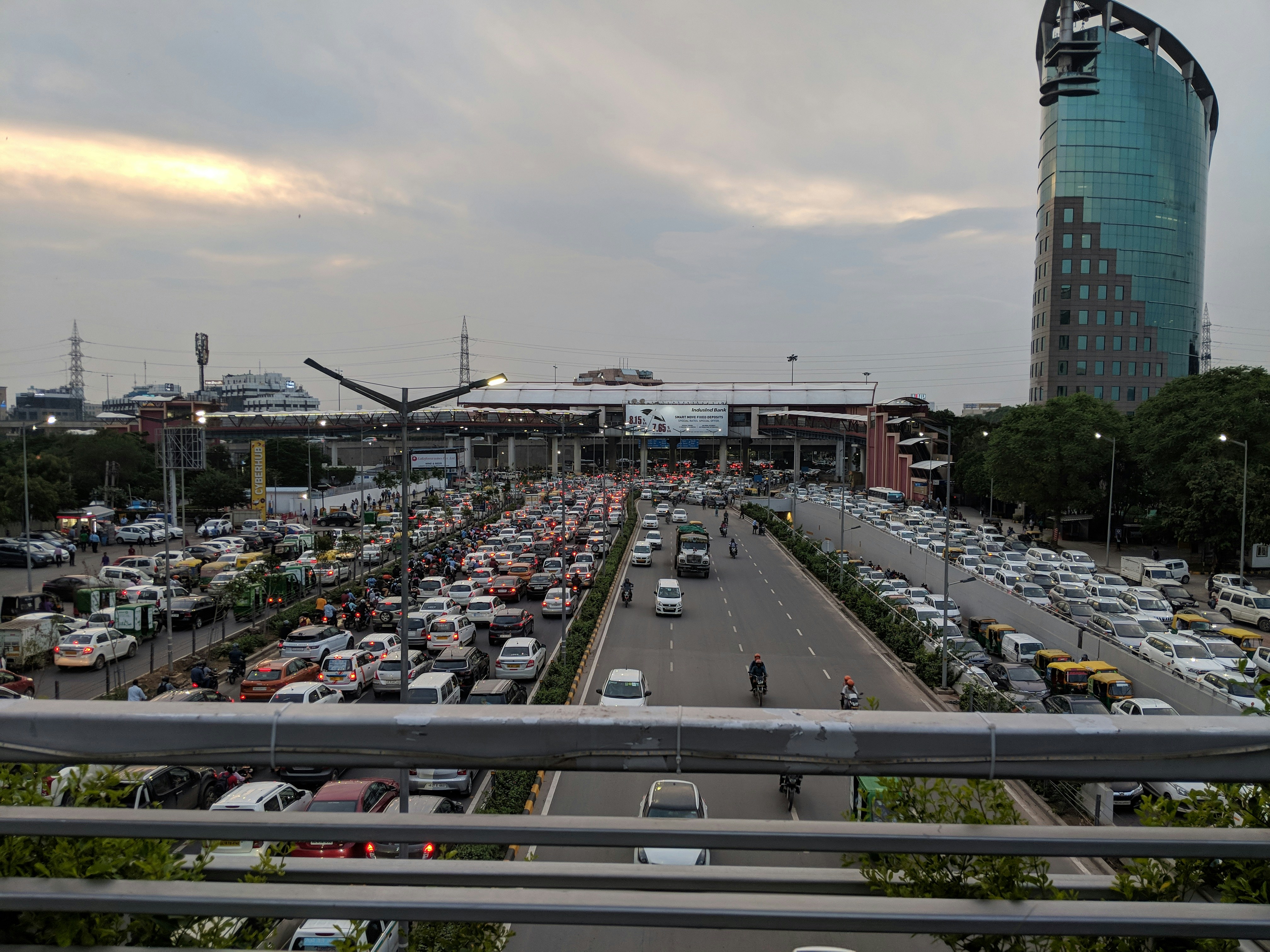
Mumbai, a bustling metropolis with a population exceeding 20 million people, confronts significant traffic congestion issues. According to recent reports, it is estimated that the average commuter in Mumbai spends over 60% of their daily commute time stuck in traffic. This congestion results from various factors including rapid urbanization, inadequate public transportation infrastructure, and a profound reliance on personal vehicles.
The city’s road network, which spans over 2,000 kilometers, struggles to accommodate its growing population. Estimates suggest that Mumbai’s vehicle count is increasing at a staggering rate of about 8% annually. The rise in the number of vehicles not only exacerbates congestion but also contributes to a rise in air pollution levels, potentially affecting the health of millions. Moreover, vehicle ownership among the middle class has surged, further intensifying the traffic dilemma.
This traffic congestion has far-reaching implications on daily life. Commuters often report higher levels of stress due to prolonged travel times, leading to a decline in overall quality of life. Businesses also suffer as delayed deliveries and tardiness impact productivity. Traffic congestion disrupts the economy, contributing to estimated losses of up to ₹100 crores daily, which translates to billions on an annual basis.
As a response to these issues, there is a burgeoning demand for innovative technologies, particularly artificial intelligence (AI), to address traffic management. AI applications, such as smart traffic signals and real-time traffic monitoring systems, are emerging as potential solutions to alleviate congestion. These technologies aim to optimize traffic flow, thereby improving commute times and reducing the environmental impact associated with heavy traffic.
AI-Powered Traffic Management Systems
Mumbai, one of the most densely populated cities in the world, faces significant traffic congestion challenges that impact the daily lives of its residents. To alleviate these issues, the city has increasingly turned to artificial intelligence (AI) as a crucial tool in revolutionizing traffic management systems. AI-powered solutions have been implemented to optimize traffic flow, thus enhancing urban mobility and reducing travel times.
One of the standout developments in this domain is the introduction of smart traffic signals, which use AI algorithms to adapt signal patterns based on real-time data. These intelligent systems analyze traffic conditions continuously, adjusting the duration of red and green lights accordingly. For example, during rush hours, if a particular route experiences heavy traffic, the system can automatically extend the green light duration for that route, thereby minimizing wait times and facilitating smoother traffic flow.
In addition to smart signals, Mumbai has incorporated real-time traffic monitoring through advanced analytics tools. These tools utilize data gathered from various sensors, cameras, and mobile applications to provide live updates on traffic conditions. This information is then made accessible to commuters through mobile apps, allowing them to make informed decisions about their travel routes. Such systems also enable city planners to assess traffic patterns and adjust infrastructure investment accordingly, ensuring better long-term traffic management.
Moreover, the advent of autonomous vehicles offers an exciting pathway for future traffic solutions. These vehicles communicate with AI traffic management systems to optimize their routes and speeds, effectively reducing congestion. Pilot projects involving autonomous shuttles have already shown promising results, demonstrating decreased traffic volume in key areas and improved overall traffic efficiency.
Overall, Mumbai’s embrace of AI-powered traffic management systems signifies a progressive step towards tackling urban challenges. By integrating these technologies, the city is better equipped to manage traffic congestion, making daily commutes more predictable and less stressful for its citizens.
Water Scarcity: The Context of Mumbai’s Water Crisis
Mumbai, the bustling metropolis of India, faces a severe water crisis that presents a significant challenge for its residents. The complexity of this issue is heightened by seasonal shortages and the inefficiency of water distribution systems. During the summer months, the demand for water surges, often outstripping supply and leading to an increase in water scarcity. This phenomenon is exacerbated by the city’s rapid urbanization, which has placed immense pressure on existing water resources.
Distribution inefficiencies are another critical factor contributing to Mumbai’s water scarcity. The city relies heavily on an aging water supply network that frequently suffers from leaks and maintenance issues. This not only leads to wastage of valuable resources but also exacerbates the already strained water availability for the population. Moreover, inequitable access to water has emerged as a persistent societal challenge. Certain neighborhoods receive ample water supply, while others are left to contend with acute shortages, leading to significant disparities in living conditions.
The impact of water scarcity on the residents of Mumbai is profound. Frequent shortages can lead to health issues, sanitation problems, and increased economic strain on families. Many households are forced to resort to purchasing water at inflated prices from private suppliers, further burdening their already limited financial resources. Additionally, water scarcity can lead to conflicts within communities, as people vie for access to this essential resource. The dire situation necessitates immediate action to rejuvenate water resource management, and cutting-edge technologies like artificial intelligence can play a pivotal role in addressing these challenges.
Innovative AI Solutions for Water Management
Mumbai, a bustling metropolis, faces a significant challenge in managing its water resources. With the growing population and increasing demand for water, innovative AI solutions have emerged as vital tools in addressing the city’s water crisis. Leveraging advanced technologies, these AI applications enhance water management through predictive analytics, smart metering, and leakage detection systems.
Predictive analytics plays a crucial role in demand forecasting. By analyzing historical data and current usage patterns, AI algorithms can project future water demand, allowing city planners and water authorities to optimize distribution strategies. This foresight is essential for effectively allocating resources, reducing waste, and ensuring that all residents have equitable access to water. Such analytical tools can predict fluctuations due to seasonal changes, festivals, or emerging urban developments, providing a comprehensive view that human planners might overlook.
In addition, smart metering technologies have been widely implemented across Mumbai. These meters collect real-time data on water consumption and facilitate immediate billing. The widespread adoption of smart meters not only simplifies the billing process but also enables consumers to monitor their usage patterns, encouraging conservation. Furthermore, this data serves utility companies by pinpointing areas of excessive water use or potential leaks almost instantaneously.
Leak detection systems further complement these initiatives by utilizing AI and sensor technologies to identify leaks in the distribution network. Such systems can analyze pressure data and flow rates, alerting maintenance teams to any variances that may indicate leaks. Timely detection and repair of leaks help minimize water loss, which is especially critical in a city with severe water scarcity issues.
Overall, the integration of AI technologies into Mumbai’s water management framework fosters not only efficiency but also equity within an increasingly challenged urban environment.
Health Challenges: The Strain on Mumbai’s Healthcare System
Mumbai, as one of the world’s most densely populated cities, faces considerable health challenges. The strain on its healthcare system is evident, with overcrowding in hospitals becoming a significant issue. With a population exceeding 20 million, the demand for medical services often outstrips supply, leading to long wait times and suboptimal care for patients. Furthermore, many healthcare facilities are ill-equipped to handle the volume of patients, resulting in a system that is under significant pressure.
Access to healthcare is another critical challenge facing the citizens of Mumbai. Despite the existence of several public and private hospitals, comprehensive access remains elusive for many. The socio-economic divide in the city has resulted in disparities in healthcare access, with lower-income populations often relying on overcrowded public hospitals, which may lack the necessary resources and facilities. As a consequence, patients frequently encounter barriers such as cost, distance, and insufficient infrastructure, which can delay treatment and exacerbate health issues.
Moreover, the prevalence of diseases in Mumbai adds another layer of complexity to the healthcare situation. The city grapples with both communicable and non-communicable diseases, including high rates of tuberculosis and diabetes. Poor sanitation and limited access to clean water further complicate these health challenges, contributing to a lower quality of life for many residents. As the population grows, the healthcare system is increasingly pressured to address these systemic issues, emphasizing the urgent need for innovative and efficient healthcare solutions.
In light of these challenges, it is imperative to explore how advancements in technology, specifically artificial intelligence, can address the pressing healthcare needs in Mumbai. By leveraging AI for efficient resource allocation, predictive analysis, and improved patient outcomes, there is potential to alleviate the current strain on the healthcare system, ultimately enhancing the quality of health services available to all residents.
AI Transforming Healthcare Delivery in Mumbai
The integration of artificial intelligence (AI) into the healthcare sector in Mumbai represents a significant advancement in medical service delivery. The adoption of telemedicine has paved the way for remote consultations, allowing patients in underserved areas to access healthcare professionals without the need for physical travel. This development is particularly beneficial in a densely populated city like Mumbai, where traffic congestion can delay timely medical assistance.
AI diagnostics are another layer of evolution in Mumbai’s healthcare landscape. By utilizing machine learning algorithms, healthcare providers can analyze medical images and data at an unprecedented scale and speed. For instance, AI systems can accurately detect anomalies in X-rays or MRIs, enhancing the accuracy of diagnoses and facilitating early intervention for critical conditions. This technological prowess not only streamlines the diagnostic process but also significantly reduces the burden on medical professionals.
Predictive analytics is an essential tool powered by AI, enabling healthcare practitioners to forecast patient outcomes based on behavioral patterns and clinical data. By analyzing vast datasets, AI applications can identify trends and predict disease outbreaks, thus informing public health responses more effectively. The insights gained from these predictive models support proactive healthcare measures, improving the overall health environment in Mumbai.
Furthermore, personalized medicine has emerged as a promising approach, wherein AI assists in tailoring treatments to individual patient profiles. This methodology considers genetic factors and lifestyle choices, ultimately enhancing treatment effectiveness and patient satisfaction. The success stories emanating from AI-driven personalized healthcare initiatives in Mumbai illustrate the transformative potential of technology in improving health outcomes.
As we progress towards the envisioned utopian future of 2035, the role of AI in healthcare delivery in Mumbai continues to strengthen. The amalgamation of telemedicine, AI diagnostics, predictive analytics, and personalized medicine not only enhances individual health but also fortifies the public health infrastructure, making significant strides toward a healthier society.
Challenges and Ethical Considerations in AI Implementation
The integration of artificial intelligence (AI) in Mumbai to address pressing urban challenges like traffic congestion, water management, and healthcare improvements brings forth numerous challenges and ethical dilemmas. One of the primary concerns is data privacy. As AI systems rely heavily on data collection to function effectively, there is an increasing risk of sensitive personal information being exposed or misused. Citizens may express apprehension regarding how their data is utilized, raising the need for stringent data protection measures that ensure individuals’ privacy is safeguarded while leveraging AI technologies.
Moreover, the potential for biases in AI algorithms presents another significant challenge. Algorithms that drive AI can inadvertently reflect the biases present in the data used to train them. This could lead to inequitable solutions, further perpetuating existing social inequalities in Mumbai. For example, if an AI system primarily trained on data from affluent neighborhoods is deployed to manage healthcare resources, it may overlook the specific needs of underrepresented and marginalized communities. Therefore, it is imperative to ensure that AI systems are developed using diverse datasets to promote fairness and equality in their applications.
To navigate these challenges, the establishment of comprehensive regulatory frameworks becomes essential. Regulatory measures should focus on ensuring transparency in AI operations, mandating accountability from developers and organizations deploying AI solutions, and fostering public trust. Such frameworks will not only ensure equitable access to AI advancements but also protect citizens from potential abuses. This approach will empower stakeholders, ensuring that the benefits of AI technology are shared fairly across all segments of Mumbai’s diverse population. By addressing these challenges and ethical considerations head-on, the city can maximize the positive impact of AI while minimizing potential harm.
Conclusion: A Vision for Sustainable Utopian Cities
As we reflect on the transformative impact of artificial intelligence in Mumbai, we come to understand the broader implications of these advancements for urban living around the globe. The integration of AI in managing traffic flow, optimizing water resources, and enhancing healthcare services illustrates a progressive step toward creating sustainable cities. Mumbai stands as a pioneer, showcasing how technology can effectively address long-standing urban challenges, thereby setting a precedent for other metropolitan areas worldwide.
The potential of AI to revolutionize city management offers a glimpse into a future where urban environments can be more efficiently governed. By streamlining processes, AI not only improves day-to-day operations but also fosters an atmosphere of innovation in public service. This digital transformation advocates for a tech-driven approach, promoting a model that encourages other cities to follow suit. The emphasis on sustainability is paramount, as cities face increasing pressures from climate change, population growth, and resource scarcity.
Moreover, the application of AI encourages community engagement as citizens become active participants in the decision-making processes. By empowering individuals with data and insights, cities can tailor their strategies to meet the specific needs of their populations. This community-centric model is essential for fostering a sense of belonging and ownership, which ultimately leads to a more resilient urban framework.
In conclusion, the advancements in AI technology present an unprecedented opportunity for cities like Mumbai to thrive sustainably. The successful implementation of AI-driven solutions offers valuable lessons, enabling a pathway for other urban centers to adopt similar strategies. As we move toward 2035 and beyond, embracing a combination of technology and environmental stewardship will be crucial in shaping the utopian cities of the future.