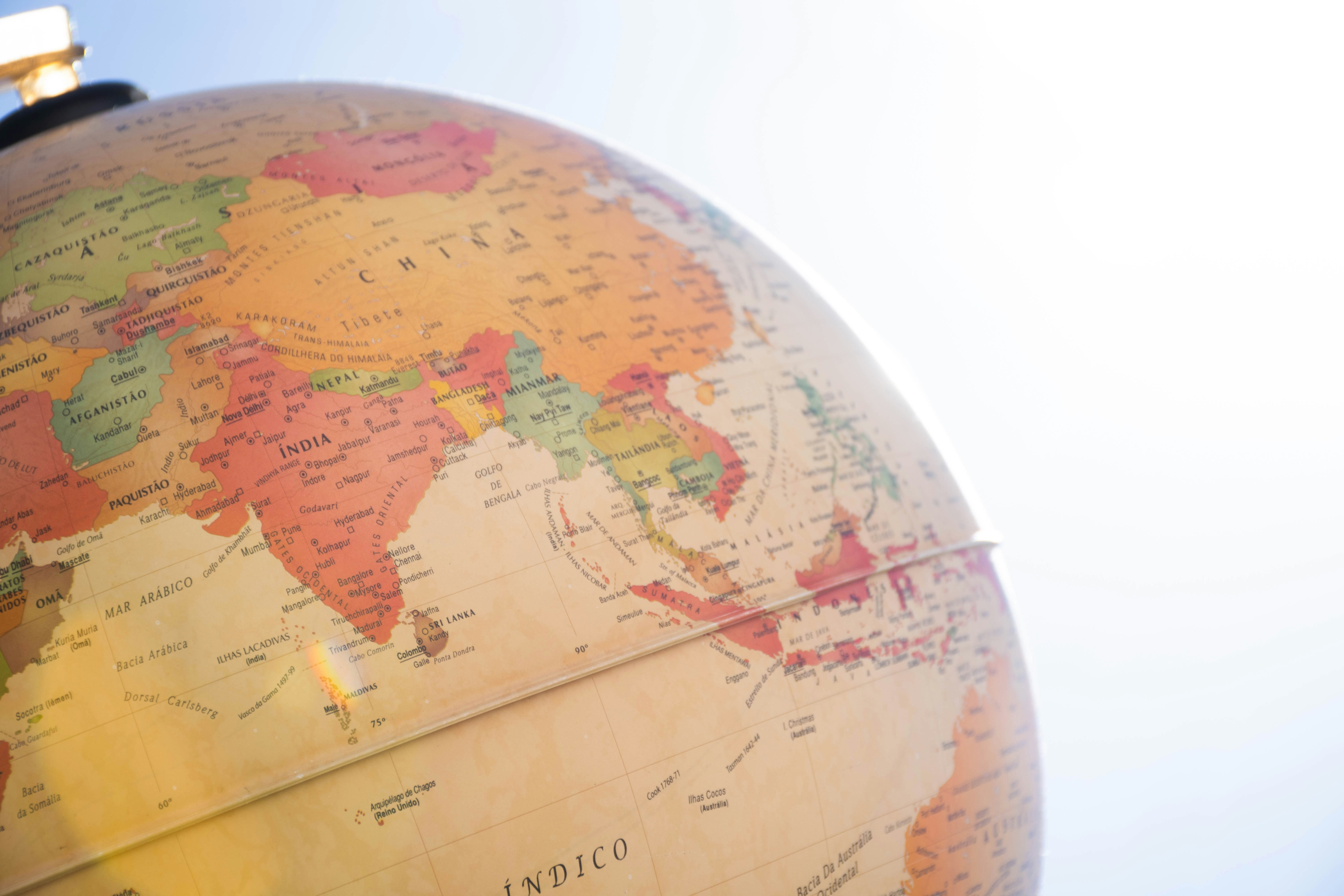
Introduction: The Rise of the Triad
The geopolitical landscape of the 21st century is predominantly shaped by the interactions among three major powers: the United States, China, and India. These nations represent a significant triad in global politics, each holding substantial influence over regional and international affairs. The United States, with its established power dynamics, coupled with China’s rapid economic ascent and India’s emerging status as a global player, creates a complex interplay of cooperation and conflict, positioning them as pivotal actors on the world stage.
This triad is characterized by evolving relationships where collaboration in some arenas contrasts sharply with tensions in others. For example, while the US and India have deepened their strategic partnership in areas such as defense and trade, their relationship with China remains fraught with challenges, particularly regarding territorial disputes and economic competition. Similarly, China and India have engaged in both cooperative initiatives, such as climate negotiations, and confrontational stances evident in border conflicts. This dual dynamic reflects the broader patterns of global interaction and underlines the need to analyze these relations closely.
The strategic interests of these three nations often overlap, but they also diverge in significant ways. As globalization continues to weave the fabric of international relations, the necessity for these powers to navigate their connections becomes even more crucial. Factors such as economic interdependence, military capabilities, and diplomatic strategies play a vital role in shaping their interactions. Observers of global politics must consider how their respective policies can foster cooperation or exacerbate conflicts, impacting regional stability as well as global governance structures.
Historical Context: Evolution of US-China-India Relations
The geopolitical landscape of the United States, China, and India has been shaped significantly by historical events that have influenced their bilateral and trilateral relationships. The Cold War era marked the inception of a complex interplay among these nations, initiating a series of strategic alignments and conflicts. The late 20th century saw the U.S. align closely with India, particularly during the early years of the Cold War, aiming to counterbalance Chinese influence in Asia. Conversely, China leveraged its relationship with Pakistan as a counterweight to both India and the United States.
In the post-Cold War period, the dynamics shifted considerably. With the dissolution of the Soviet Union, the U.S. emerged as the predominant global power and sought to integrate China into the world economy. Initiative for cooperation was apparent as both nations recognized the importance of economic interdependence. However, this engagement was intermittently overshadowed by issues such as human rights, China’s military expansion, and trade disputes, foreshadowing the contentious relationship that characterizes their interactions today.
Meanwhile, India, embarking on economic liberalization in the 1990s, began to redefine its foreign policy postures, resulting in an enhanced relationship with the U.S. This shift laid the groundwork for partnerships on various fronts, including defense and counterterrorism. Nevertheless, tensions with China continued to simmer due to border disputes and regional strategic competition. The dynamics among the three nations today are deeply entrenched in this historical context, as past alliances and rivalries inform current strategies and policies.
Current Cooperation: Areas of Partnership
The geopolitical dynamics among the United States, China, and India have seen significant areas of cooperation, reflecting a multifaceted engagement that transcends competition. One prominent area of partnership is in trade agreements, where each nation strives to optimize their economic interests while fostering mutual growth. For instance, the US and India have been working to enhance their trade relationship, focusing on sectors such as technology, pharmaceuticals, and agricultural goods. Such agreements aim to bolster economic ties and facilitate greater market access, benefiting respective industries.
Another critical dimension of cooperation is the commitment to combat climate change. The three nations have recognized the importance of collaborative efforts in addressing environmental challenges. Initiatives such as the US-led Power Africa program and China’s investments in renewable energy have encouraged synergistic projects involving India. These transnational ventures not only promote sustainable development but also enhance scientific and technological exchanges that are vital for innovative solutions.
Technological exchanges represent yet another avenue of collaboration among the US, China, and India. For example, joint ventures in technology sectors, ranging from information technology to biotechnology, have yielded significant advancements. The cooperation in research and development between these countries has led to breakthroughs that address various global challenges. This partnership underscores how interconnected these economies are, while also highlighting the potential for shared benefits.
In summary, the current cooperation between the United States, China, and India showcases a variety of platforms where these nations can work together for common advantages. From trade agreements to environmental cooperation and technology transfers, their collaborative undertakings offer a framework for enhancing bilateral relationships while addressing broader global issues. As they navigate their complex interrelations, continued partnerships will likely play a crucial role in shaping the future geopolitical landscape.
Conflict Points: Friction Among Giants
The geopolitical landscape encompassing the United States, China, and India is characterized by a complex interplay of cooperation and conflict. Analyzing the conflict points among these major powers reveals significant areas of tension that shape international relations and affect global stability.
One prominent area of friction is border disputes. China and India have a historically contentious relationship regarding their shared border, specifically in regions like Aksai Chin and Arunachal Pradesh. The 1962 Sino-Indian War set a precedent for ongoing skirmishes and military confrontations, leading to increased militarization in the area. In contrast, the United States has taken a supportive stance towards India, which further complicates the dynamics of Sino-American relations, manifesting as strategic partnerships aimed at countering Chinese influence in the Indo-Pacific region.
Military posturing represents another key conflict point. The rise of China as a military power has prompted the United States to engage in freedom of navigation operations in the South China Sea, which China perceives as a direct threat to its sovereignty. Meanwhile, India’s military modernization efforts, backed by the US, signify a mutual endeavor to bolster defense mechanisms in light of perceived aggression from China. This military buildup contributes to regional tensions, raising concerns about the potential for miscalculations that could escalate into larger conflicts.
Economic rivalry also plays a significant role in the friction between these nations. The United States and China have been engaged in tariffs, trade negotiations, and competition for influence in emerging markets. Meanwhile, India has sought to position itself as a manufacturing hub, competing with China and aiming to benefit from trade negotiations with the US. This economic landscape is crucial as it impacts not only bilateral relations but also the geopolitical strategies of each nation.
In essence, the conflict points among the US, China, and India are multifaceted, encompassing border disputes, military posturing, and economic rivalry. These tensions play a pivotal role in shaping the current geopolitical climate, making it essential to observe how these dynamics evolve over time.
The Role of Economic Competition: Trade and Investment
The economic competition among the United States, China, and India significantly influences their geopolitical dynamics, particularly in trade and investment. In recent years, the relationships among these three nations have been characterized by escalating trade wars, tariffs, and a complex landscape of foreign direct investment (FDI). This competition mirrors not only their economic policies but also their broader strategic interests on the global stage.
Trade relations between the United States and China have been increasingly strained, highlighted by the imposition of tariffs and retaliatory measures. The U.S. government has expressed concerns over China’s trade practices, including allegations of intellectual property theft and state-supported subsidies, prompting a reevaluation of its trade strategy. As a result, tariffs on a variety of Chinese imports have been enacted, aiming to protect American industries and stimulate domestic production. This economic friction inevitably has repercussions for India, which finds itself navigating a path between these two major powers while also seeking to bolster its own economic standing.
India’s role in this geopolitical triangle is evolving; it views the current economic landscape as an opportunity to expand its trade relationships with both the U.S. and China. The country has implemented policies to attract FDI, aiming to position itself as a viable alternative to China in global supply chains. Furthermore, with its ambitious “Make in India” initiative, India seeks to enhance domestic manufacturing capabilities, lessen dependence on imports, and promote self-reliance. India’s competitive advantage in terms of a large labor force and a growing consumer market makes it an attractive destination for foreign investors, especially amid rising uncertainties associated with U.S.-China relations.
In essence, the economic competition driven by trade and investment policies among the United States, China, and India continues to reshape their diplomatic ties and strategic partnerships. Each nation continuously adapts, seeking favorable deals and improved economic outcomes while managing the inherent risks linked with global trade dynamics.
Security Dilemmas: Military Postures and Alliances
The military strategies and alignments of the United States, China, and India significantly shape the geopolitical landscape in which they operate. Each nation has developed unique defense policies and military postures that reflect their security needs, regional ambitions, and strategic calculations. Central to these dynamics is the formation of alliances and partnerships that may serve to either mitigate conflicts or intensify rivalries.
The United States, with its extensive network of alliances, particularly in the Indo-Pacific region, seeks to counterbalance China’s growing influence. The United States has entered into various defense agreements, such as the Quad Security Dialogue with India, Australia, and Japan. This alliance is underpinned by joint military exercises, intelligence sharing, and enhancing interoperability among the armed forces. Such collaborations underscore a common commitment to maintaining regional stability, yet they can also be perceived by China as confrontational, exacerbating existing tensions.
Conversely, China has strategically expanded its military capabilities and established strong ties with nations that challenge U.S. dominance. The Belt and Road Initiative (BRI) not only aims to create economic corridors but also enhances military cooperation with partner countries. Additionally, China has engaged in military drills in the South China Sea, asserting its territorial claims, which have raised alarm among U.S. allies and neighboring states, including India, that view these activities as aggressive and destabilizing.
In the case of India, its military posture is influenced by longstanding border tensions with China and ongoing strategic partnerships with the United States. India has sought to modernize its armed forces while also participating in multilateral forums to enhance its security framework. The balance between caution and assertiveness in India’s military strategy is indicative of its complex position in this geopolitical triangle.
In conclusion, the military strategies and alliances of the US, China, and India reflect a complex interplay between competition and collaboration. While defense agreements and military drills can potentially provoke tensions, they also provide pathways for enhanced cooperation and dialogue among these prominent nations.
Global Impact: What It Means for Other Nations
The geopolitical dynamics between the United States, China, and India have far-reaching implications for smaller nations around the globe. As the three powers navigate their complex relationships, countries that lie in their vicinity or maintain economic ties are often caught in the crossfire of cooperation and conflict. These dynamics significantly influence smaller nations’ foreign policies, economic strategies, and security frameworks.
For many nations, the U.S.-China rivalry presents a strategic dilemma. Countries in Southeast Asia, such as Vietnam and the Philippines, are compelled to strengthen their alliances with the United States while also balancing their economic relationships with China. Additionally, India’s rising power as a counterweight to China offers a strategic alternative for smaller nations that seek to bolster their own security. This triangular interaction often results in smaller countries aligning themselves either with the U.S. or India to counterbalance Chinese influence, thereby reshaping regional power dynamics.
Furthermore, the economic initiatives and trade agreements proposed by these three powers directly impact global markets and political landscapes. For instance, China’s Belt and Road Initiative (BRI) has presented an opportunity for developing nations to attract investment, yet it has also raised concerns about debt dependency and sovereignty. Concurrently, U.S. efforts to enhance its economic presence in Asia through partnerships run parallel to India’s initiatives, which target sustainable development and regional connectivity. Smaller nations must navigate these opportunities carefully, as their decisions can have lasting implications on their sovereignty and political stability.
The relationships formed or strained due to the dynamics among these three powers create a ripple effect felt globally. Nations with vested interests must remain agile within this geopolitical landscape, taking into account the shifting alliances and emerging economic trends dictated by the interplay of the U.S., China, and India. The ongoing changes will undoubtedly shape the international order for years to come.
Future Scenarios: Predictions and Possibilities
The evolving dynamics among the United States, China, and India present various potential scenarios for the future of their relations. As global powers, each nation influences not only their direct interactions but also broader regional stability and economic developments. One scenario theorizes a possible realignment wherein India emerges as a stronger counterbalance to China’s influence, fostering deeper partnerships with the United States. This shift may be influenced by shared democratic values and mutual interests in security, particularly in the Indo-Pacific region.
Another possible trajectory involves the persistence of competition between China and the United States, potentially leading to heightened tensions in trade and military affairs. As both powers maintain their strategic interests, the risk of conflict could escalate. Amid these pressures, India’s role may evolve further, either by acting as a mediator or by aligning more closely with one side, thereby reshaping its own foreign policy objectives while navigating the complexities of regional geopolitics.
Economic dependencies are another crucial factor in shaping future relations. For instance, a scenario where China continues to expand its Belt and Road Initiative may ignite further friction with the U.S. and India. Conversely, an economic downturn in China could necessitate a recalibration of its foreign policy, potentially favoring more conciliatory approaches towards both the U.S. and India.
Moreover, climate change and global health challenges may prompt unusual alliances. As these issues demand international cooperation, the potential for collaborative efforts among the three nations might bridge current divides, promoting a discourse centered around shared global challenges.
Ultimately, the geopolitical triangle of the US, China, and India is marked by flux and complexity. While the future remains uncertain, understanding how these nations may interact is vital in predicting shifts in the global power landscape.
Conclusion: Toward a Sustainable Geopolitical Future
As we reflect on the intricate dynamics of cooperation and conflict among the United States, China, and India, it becomes evident that a balanced approach is crucial in fostering a stable international order. The geopolitical triangle formed by these three powers plays a significant role in shaping global economic, political, and security landscapes. It is imperative for each country to recognize the importance of collaboration, even in the face of its competitive instincts.
The shared responsibilities in addressing global challenges, such as climate change, terrorism, and economic instability, necessitate a shift from confrontation to constructive dialogue. Enhanced economic interdependence among the US, China, and India could serve as a catalyst for reducing tensions and promoting sustainable development. Trade partnerships and cooperative initiatives can create mutual benefits, fostering an environment where conflict becomes less appealing.
Furthermore, multilateral forums offer platforms for these nations to engage with one another and other stakeholders. Participation in regional dialogues such as the East Asia Summit or the Shanghai Cooperation Organization can facilitate communication and reduce misunderstandings. It is essential for these countries to foster trust not only among themselves but also with their respective regional allies.
Ultimately, the path toward a sustainable geopolitical future relies on the collective commitment of the US, China, and India to find common ground amidst their differences. As their influence continues to shape world affairs, it is vital that they embrace a cooperative spirit that prioritizes stability over rivalry. Through mutual respect and understanding, the potential for creating a more peaceful and prosperous international order can be realized, benefiting not just these nations, but broader global society as well.