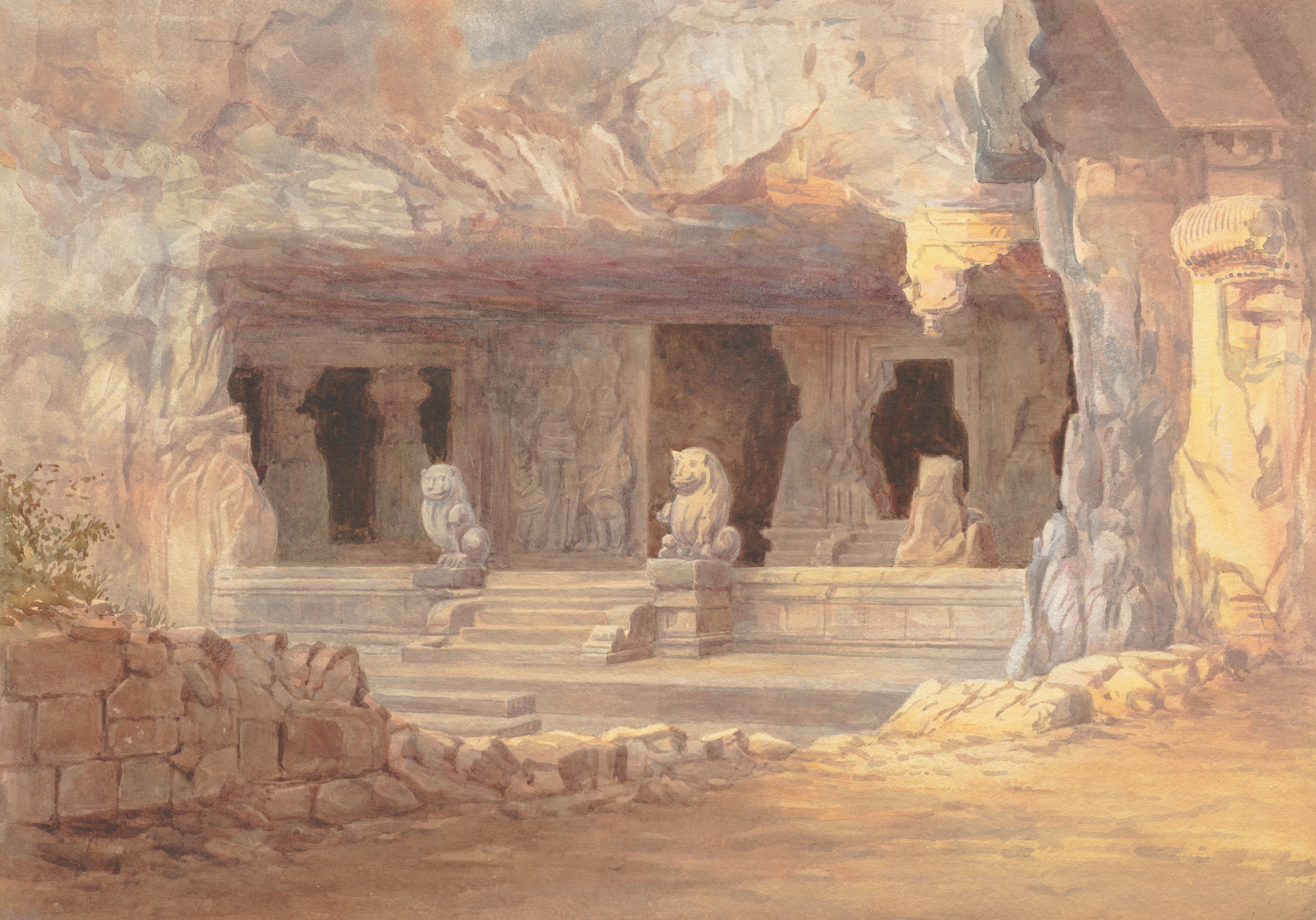
Introduction to Elephanta Caves
The Elephanta Caves, nestled on Elephanta Island, are a renowned archaeological site located approximately 11 kilometers to the east of the bustling city of Navi Mumbai. This remarkable complex of cave temples is celebrated for its astounding rock-cut sculptures, which primarily pay homage to the Hindu deity Shiva. The caves are divided into two main groups: Hindu caves and Buddhist caves, with the former exhibiting an array of exquisite sculptures that date back to the 5th to 7th centuries AD. Their historical significance has earned them a designation as a UNESCO World Heritage Site, recognizing their cultural and artistic value.
These caves were formed through a combination of geological processes, including volcanic activity and erosion, leading to their intricate structures adorned with elaborate carvings. The most notable artwork within these caves includes the colossal Trimurti — a 20-foot depiction of a three-headed Shiva — which stands as a testament to the artistic mastery of the artisans of that era. The caves not only represent a peak of Indian rock-cut architecture but also serve as an important site for scholars and enthusiasts interested in the evolution of ancient Indian art and religious practices.
Furthermore, the Elephanta Caves hold significant archaeological relevance, showcasing archaeological findings that provide insights into the socio-cultural landscape of ancient India. These findings, along with the innovative design of the caves themselves, contribute to a deeper understanding of India’s artistic and religious heritage. For visitors to Navi Mumbai, the Elephanta Caves represent more than just a tourist attraction; they offer a profound glimpse into India’s rich historical tapestry and its enduring legacy in the realm of art and architecture.
Getting to Elephanta Caves from Navi Mumbai
Reaching the Elephanta Caves from Navi Mumbai offers various options for tourists eager to explore this UNESCO World Heritage Site. The most popular and scenic method of transport is via the ferry service that operates from the Gateway of India in Mumbai. Ferry services typically run every 30 minutes to an hour; however, checking local schedules in advance is advisable, especially during peak tourist seasons. The journey across the Arabian Sea provides picturesque views and takes approximately 1 hour to complete.
For those who prefer land travel, the local train system is an efficient means to minimize travel time. Tourists can take a train from Navi Mumbai to CST (Chhatrapati Shivaji Maharaj Terminus) or Churchgate and subsequently make their way to the Gateway of India by taxi or bus. The local trains are generally reliable; however, it is advisable to avoid peak hours to enjoy a more comfortable ride.
Taxis and ride-sharing services also constitute another convenient option. Booking a taxi for a direct ride to the Gateway of India may be particularly beneficial for those traveling in groups or with heavy luggage. Pre-arranged taxis are readily available, but tourists should ensure that they negotiate fares or use app-based services to avoid overcharging.
The best time to visit the Elephanta Caves is during the winter months, from November to February, when the weather is cooler and more suitable for exploration. It’s important to note that entry tickets can be purchased on-site, and a nominal fee for ferry rides applies. Also, while visiting, tourists should follow any guidelines set forth by authorities to preserve the historical significance of this remarkable site. Adequate planning can ensure a memorable trip to the Elephanta Caves from Navi Mumbai.
The Unique Architecture of the Caves
The Elephanta Caves, situated on Elephanta Island near Navi Mumbai, present a remarkable testament to ancient Indian architecture, particularly noted for their intricate sculptures and carvings. Dating back to between the 5th and 8th centuries, these caves primarily reflect Hindu and Buddhist influences, showcasing a unique blend that characterizes their design and structure.
One of the most prominent features of the Elephanta Caves is the renowned Trimurti statue, which depicts a three-headed representation of the Hindu god Shiva. This iconic sculpture stands approximately 20 feet high and intricately carves three distinct faces, symbolizing the three aspects of the divine—creation, protection, and destruction. The surrounding reliefs, detailing various stories from Hindu mythology, further accentuate the artistic prowess of the period, capturing the dynamic interplay between spirituality and artistry.
The layout of the cave complex is equally as impressive as its sculptures. The caves consist of two main groups—Hindu caves and Buddhist caves—each demonstrating unique architectural styles. The Hindu caves, specifically, are carved out of solid basalt rock, with high ceilings and expansive halls that create a dramatic atmosphere. Visitors can explore numerous chambers adorned with exquisite carvings that narrate tales from the Puranas and epics, contributing to a profound spiritual experience.
Moreover, the combination of natural rock formations with human artistry exemplifies the ingenuity of ancient artisans. The architecture of the Elephanta Caves not only serves religious purposes but also symbolizes the harmonious relationship between nature and human creativity. As tourists traverse through these historic caves, they are met with an architectural narrative that offers insight into the cultural and spiritual heritage of India, making it a significant site for both architectural enthusiasts and spiritual seekers alike.
The 3D Technology: Enhancing Your Visit
The Elephanta Caves, a UNESCO World Heritage Site, are not only a treasure trove of ancient artistry but also a significant site for modern technology integration. The introduction of 3D technology is transforming the way tourists engage with these magnificent caves. By employing virtual reality (VR) experiences and 3D scanning, visitors are offered an interactive journey that enriches their exploration.
Virtual reality stations have been set up in various locations within the Elephanta Caves, allowing users to don VR headsets and immerse themselves in the vibrant history of the site. This technology creates realistic environments showcasing the intricate sculptures and paintings within the caves. The immersive nature of VR provides detailed visualizations, bringing to life the skillful artistry that has remained unchanged for centuries, while offering an engaging way to understand the cultural significance of the carvings.
The benefits of using 3D technology, such as 3D scanning, cannot be overstated. These advanced scanning methods create precise digital replicas of the caves and their artwork. Tourists can access these models through dedicated applications, which enable them to explore the caves virtually at their own pace. Enhanced guided tours are made possible through this accessible technology, as the digital platforms not only deliver information but also include audio commentary that enhances the learning experience. In turn, this fosters a deeper appreciation for the historical context of the Elephanta Caves.
Overall, the introduction of 3D technology in the exploration of Elephanta Caves has led to an engaging educational experience for tourists. By showcasing the grandeur of this cultural landmark through interactive guided tours and detailed visualizations, visitors are able to appreciate the rich heritage while benefiting from the advancements in technology.
Planning the Perfect Visit
Planning a visit to the Elephanta Caves requires careful consideration to maximize the experience. The best time to visit is during the cooler months from October to February when the weather is most pleasant. Early mornings or late afternoons are ideal as temperatures remain manageable and the site is less crowded. This allows visitors ample time to explore without feeling rushed.
When preparing for your outing, the right attire is essential. Since the caves involve some walking and possibly uneven terrain, comfortable clothing and sturdy footwear are recommended. Breathable fabrics will enhance comfort during the heat of the day. Additionally, given the tropical climate, a wide-brimmed hat and sunglasses can provide much-needed sun protection.
An essential aspect of your visit should include the right supplies. Carry plenty of water to stay hydrated, especially if you’re visiting during warmer months. Snacks can also be beneficial, as the climbing and exploration may require energy replenishment. Although local food options exist, it’s wise to bring some portable snacks to avoid potential disappointments.
Furthermore, sunscreen is vital when spending extended periods outdoors. Even on cloudy days, UV rays can contribute to skin damage. A lightweight backpack would be useful to hold all your essentials, keeping your hands free for exploring.
Allocate at least three to four hours for the visit to the Elephanta Caves. This timeframe allows sufficient opportunity to appreciate the impressive sculptures, take photos, and soak in the cultural significance of this UNESCO World Heritage Site. By carefully planning your visit, you ensure a rewarding experience at the Elephanta Caves, showcasing both their historical grandeur and natural beauty.
Local Legends and Myths Surrounding the Caves
The Elephanta Caves, located a short distance from Navi Mumbai, are more than just an archaeological marvel; they are steeped in local legends and myths that add depth to their historical narrative. One of the most notable legends associates these caves with the Hindu deity Lord Shiva, specifically in his form as ‘Maheshmurti’. Stories tell of how these sacred spaces were once the site of elaborate rituals and ceremonies, attracting devotees from every corner of the region. This spiritual significance enhances the allure of the site, drawing not only tourists but also pilgrims who seek to connect with their heritage.
Another fascinating tale revolves around the name ‘Elephanta’, which reportedly originates from a large stone elephant that once stood at the base of the island. This statue, thought to be a tribute to the island’s rich history, was said to have magical qualities. According to locals, the elephant disappeared mysteriously one night, a phenomenon attributed to the enchanting spirits believed to inhabit the area. Such stories not only deepen cultural appreciation but also spark curiosity for visitors exploring the caves.
Moreover, the caves themselves have inspired countless myths. Local folklore suggests that treasure is hidden deep within these chambers, guarded by mystical creatures from ancient times. This idea contributes to a sense of intrigue; tourists often embark on explorations hoping to uncover ancient secrets or relics. These shared narratives enrich the overall tourism experience at Elephanta Caves, as visitors are encouraged to engage with both the historical and mythical dimensions of the site. The merging of fact and folklore transforms a mere visit into a captivating journey filled with adventure and discovery.
Visitor Experience: What Tourists Say
The Elephanta Caves, a UNESCO World Heritage Site, have garnered a wealth of reviews from tourists who have experienced its allure firsthand. Visitors frequently express amazement at the intricate carvings and statues that make these caves a significant archaeological treasure. Many testimonials highlight the grandeur of the main cave, especially the magnificent Trimurti sculpture of Lord Shiva, which captivates history enthusiasts and casual tourists alike.
One of the recurrent themes in the feedback from tourists is the serene atmosphere that envelops the island. Many recount how the short ferry ride adds to the overall experience, providing scenic views of Mumbai’s coastline. Tourists appreciate the combination of natural beauty and cultural richness found on Elephanta Island.
Visitors often recommend setting aside ample time for exploration, allowing for a leisurely stroll through the caves and the surrounding landscapes. Some tourists suggest hiring a local guide to enhance the experience, as knowledgeable guides can provide context and enrich understanding of the sculptures’ historical significance. However, others have pointed out the need for better signage and directions within the site, which could facilitate a smoother experience for newcomers.
Despite the overwhelmingly positive feedback, a few challenges have been noted. Tourists occasionally mention the physical effort required to navigate the steep paths and steps leading to the caves, which may be daunting for some, particularly elderly visitors and those with mobility issues. Additionally, visitors recommend planning trips during the cooler months to avoid the sweltering heat while enjoying the outing.
In conclusion, the testimonials from tourists reflect a generally high level of satisfaction with their visit to the Elephanta Caves. The mix of stunning artistry and natural beauty continues to leave lasting impressions, encouraging future visitors to explore and appreciate this historical gem.
Conservation Efforts for Elephanta Caves
The Elephanta Caves, an exquisite example of Indian rock-cut architecture, are not only a heritage site but also a vital part of India’s cultural identity. To preserve these remarkable caves for future generations, considerable conservation efforts are underway, driven by both government initiatives and the involvement of non-governmental organizations (NGOs) as well as local communities.
The Archaeological Survey of India (ASI) is at the forefront of the conservation efforts for the Elephanta Caves. Their work focuses on maintaining the structural integrity of the caves while ensuring that any restoration activities respect the original artistry and craftsmanship exhibited in the ancient sculptures. Regular monitoring and assessments are performed to identify areas needing immediate attention, ensuring that deterioration is minimized.
Additionally, various NGOs play a crucial role in raising awareness about the importance of this site. They organize workshops and educational programs aimed at both tourists and locals to foster a sense of responsibility towards preserving this cultural heritage. These programs encourage community involvement, where locals are given the opportunity to participate in clean-up drives and cultural events that highlight the significance of the caves.
Community awareness initiatives are vital in creating a protective environment around the Elephanta Caves. Many local residents are engaged in advocating for sustainable tourism practices that mitigate the environmental impact of visitors. Through collaboration with local businesses and the government, these communities are increasingly involved in tourism management, which helps maintain the ecological balance while promoting the rich history of the site.
Overall, the concerted efforts from various stakeholders underscore the commitment to preserving the Elephanta Caves as a symbol of heritage and cultural significance, ensuring that this magnificent site remains a source of inspiration and learning for generations to come.
Conclusion: Elephanta Caves as a Must-Visit Destination
The Elephanta Caves, located on Elephanta Island near Navi Mumbai, represent a monumental blend of history, spirituality, and artistic expression. These ancient rock-cut caves, which date back to the 5th to 8th centuries, showcase intricate sculptures and carvings that are primarily dedicated to the Hindu god Shiva. Their significance is underscored by their designation as a UNESCO World Heritage Site, attracting art lovers, historians, and tourists alike. Visitors can appreciate the remarkable craftsmanship that has withstood the test of time, providing an invaluable insight into India’s artistic legacy.
As a tourist destination, the Elephanta Caves offer not only a glimpse into ancient Hindu culture but also an opportunity to enjoy the serene beauty of the surrounding landscape. The journey to these caves involves a scenic ferry ride from the city, allowing visitors to experience stunning views of the Mumbai skyline and the Arabian Sea, thus integrating a journey of visual delight with cultural immersion.
Moreover, advancements in technology have enhanced the tourist experience. The introduction of a 3D interactive guide allows visitors to explore the caves in greater detail, bridging the gap between ancient art and modern technology. This innovative feature enables tourists to engage more deeply with the rich history and artistic nuances of the sculptures, making their visit even more enriching.
In summary, the Elephanta Caves are more than just a historical site; they are a vibrant representation of India’s cultural heritage. For those visiting Navi Mumbai, this site is undoubtedly a must-visit destination, promising an unforgettable experience that intertwines history, art, and stunning natural beauty. Plan your visit to immerse yourself in this captivating journey through time.