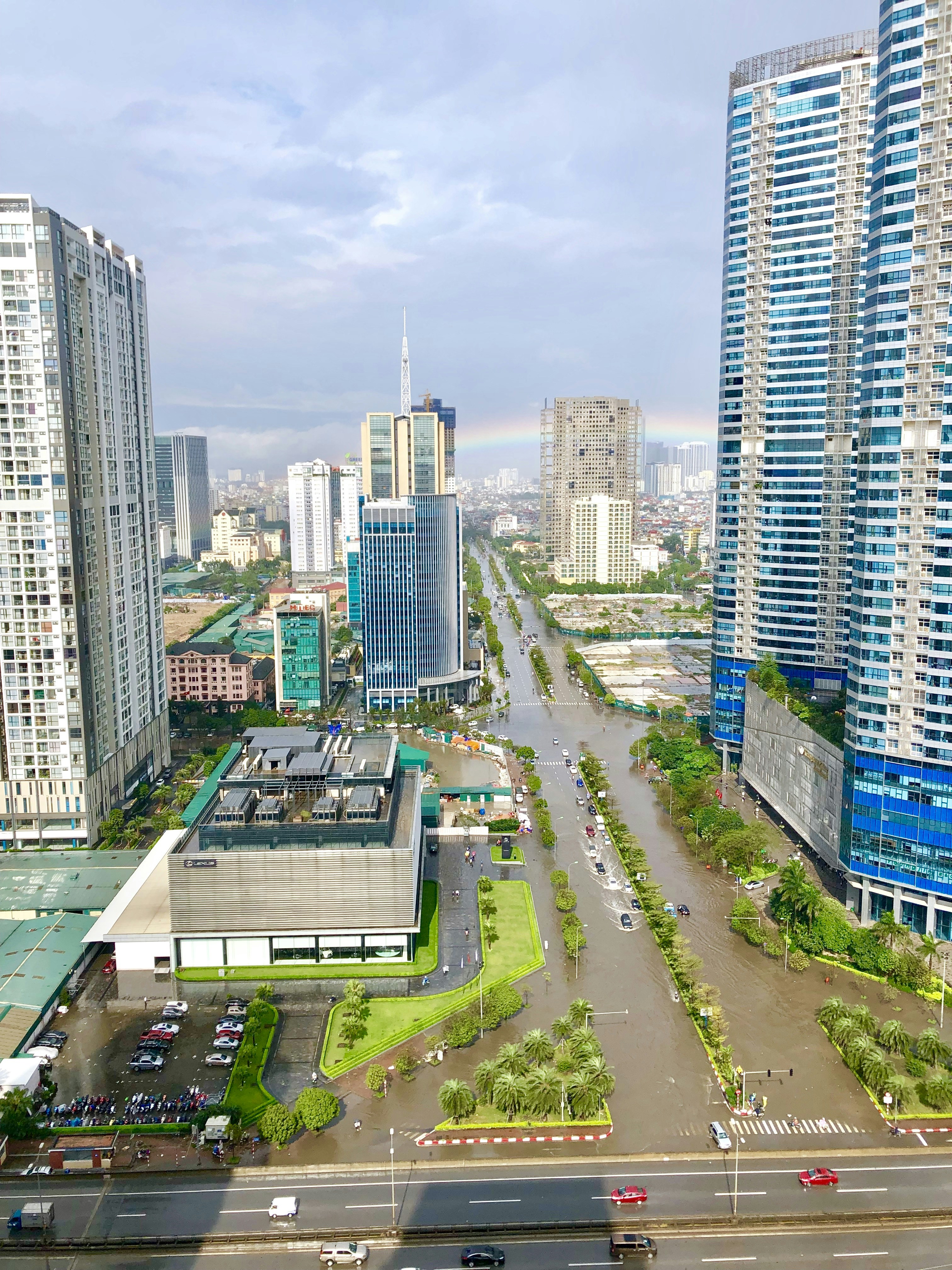
Introduction to Mumbai’s Climate Challenges
Mumbai, the bustling financial capital of India, faces significant climate challenges that have been exacerbated by its geographical and environmental conditions. The city’s coastal location along the Arabian Sea places it in a tropical climate zone, characterized by distinct seasonal variations, particularly during the annual monsoon period. This monsoon season typically spans from June to September, bringing heavy rainfall that can result in severe flooding.
During this season, Mumbai experiences intense rainfall due to the southwest monsoon winds that converge over the region. The average rainfall can exceed 2,500 millimeters during this period, with some areas recording extreme precipitation that can lead to inundation. The complexity of these weather patterns is heightened by the urban landscape, which includes extensive concrete structures and limited green spaces. This urbanization has significantly altered the natural drainage systems that once efficiently managed rainfall runoff.
Moreover, with an ever-growing population, the infrastructure in Mumbai has struggled to keep pace with the increased demand for housing and amenities. Overcrowding has led to the encroachment on natural drainage areas and the improper disposal of waste, further aggravating the flooding situation. As a result, during heavy rainfall events, the city’s drainage systems become overwhelmed, leading to temporary waterlogging and the disruption of daily life.
The interplay of climatic challenges presented by heavy rains, combined with the urban environment, makes Mumbai acutely vulnerable to flooding. Understanding these conditions is crucial for developing strategies to mitigate the impacts of climate change and enhance the resilience of the city.
Historical Context of Flooding in Mumbai
The city of Mumbai, facing the Arabian Sea, has a long history of flooding influenced by its unique geographical and climatic conditions. Over the decades, the frequency and severity of these flooding events have been shaped by both natural phenomena and human activities. One of the earliest recorded significant flood events occurred in 1961, when heavy monsoon rains inundated large parts of the city, resulting in extensive damage to infrastructure and displacing countless residents.
In subsequent years, particularly catastrophic floods were experienced in 2005, when unprecedented rainfall led to the submergence of large parts of the city. This event highlighted the vulnerabilities within Mumbai’s aging drainage systems and the impact of urbanization on natural water flow. The immediate aftermath saw a community response characterized by resilience, as citizens came together to aid those affected. Such instances have underscored the importance of community networks in disaster management.
Over time, the cultural practices and responses to flooding have evolved. Historically, Mumbai’s populace relied heavily on traditional knowledge and community-driven initiatives to cope with flooding challenges. In contrast, modern responses have included government interventions such as improved drainage systems and flood management strategies. However, the increasing rate of urbanization and climate change introduces new complexities to these challenges.
Through its rich tapestry of history, the city has demonstrated resilience amid adversity. Various cultural organizations and local governments have worked collaboratively to enhance disaster preparedness and implement mitigation measures. As Mumbai continues to navigate the threats posed by flooding, the historical context serves as a crucial lens for understanding both the challenges and the adaptive strategies of its communities.
Cultural Responses to Natural Disasters
The city of Mumbai, with its rich tapestry of cultures and traditions, has exhibited remarkable resilience in the face of recurrent flooding incidents. Over the years, the populace has developed a variety of cultural responses aimed at coping with the impacts of these natural disasters. Community resilience is often evident through collective efforts, where locals come together to aid one another in recovery and rebuilding efforts. Such solidarity not only strengthens communal bonds but also reinforces a sense of identity and belonging among the city’s residents.
Moreover, local myths and folklore often take on new meanings during times of flooding. These narratives, passed down through generations, serve as both explanations for the disasters and lessons on humanity’s relationship with nature. For instance, certain stories depict the rivers as living entities, hoping to register their discontent when disrespected by human actions. This belief system fosters a deeper connection to the environment and promotes a culture of respect towards natural elements.
In addition, rituals and religious practices play a vital role in the cultural response to flooding. Post-disaster, many communities engage in ceremonies that seek blessings and protection from future calamities. These rituals often provide emotional relief, giving individuals and families a sense of agency amidst helplessness. Participatory art forms such as street art, performances, and local music also emerge in the aftermath of flooding, reflecting the experiences and emotions of those affected. Such artistic expressions encapsulate the spirit of resilience and hope, making the community’s collective suffering visible and thus fostering healing.
Ultimately, the diverse cultural responses of Mumbai’s residents to natural disasters illustrate how deeply intertwined their identity is with their experiences. The creative manifestations that arise from adversity highlight the resilience of the people and signify an ongoing journey towards adaptation and recovery.
Urban planning and infrastructure form the backbone of effective flood risk management in Mumbai, a city often besieged by heavy monsoon rains and resultant flooding. The city’s rapid expansion has led to the need for updated urban planning strategies that not only address housing and commercial development but also integrate resilient infrastructure conditions that can withstand climatic impacts. The primary challenge lies in mitigating the consequences of intense rainfall combined with rising sea levels due to climate change.
One critical area of improvement within urban planning is the enhancement of drainage systems. Over the years, improper waste management has clogged existing drains, significantly hampering their capacity. Upgrading and maintaining drainage infrastructure is imperative to ensure that stormwater can be effectively channeled away from vulnerable areas. Furthermore, retrofitting existing infrastructure with advanced materials and designs can bolster resistance to flooding, reducing risks for communities embedded within these flood-prone areas.
Challenges persist, particularly regarding the alignment of urban development with environmental considerations. Developers often prioritize economic gain over sustainability, leading to encroachment on natural floodplains and mangroves, which traditionally functioned as vital buffers against flooding. This calls for a shift in urban planning policies, where environmental regulations are enforced to preserve these natural defenses.
Moreover, incorporating green infrastructure, such as permeable pavements and rain gardens, can significantly enhance stormwater management. These solutions not only mitigate flooding risks but can also improve the urban ecosystem. Stronger collaboration between government agencies, environmentalists, and urban planners is essential to ensure comprehensive strategies are in place that prioritize both development needs and ecological stability.
Climate Change and Increased Flooding Incidences
The city of Mumbai has long been susceptible to flooding, but recent climate change trends have exacerbated the situation significantly. Scientific research indicates a clear linkage between climate change and the heightened frequency and intensity of flooding incidents experienced in the region. One of the primary concerns is the rising sea levels, which result from climate change-driven factors such as the melting of polar ice caps and the thermal expansion of seawater. In Mumbai, where much of the infrastructure is situated along vulnerable coastal areas, even modest increases in sea levels can lead to substantial flooding.
Alongside rising sea levels, changing weather patterns in the region have played a critical role in enhancing the risk of flooding. Monsoon seasons, traditionally characterized by a predictable pattern of rainfall, are undergoing transformation, leading to abnormal weather behaviors. These new patterns may produce extreme rainfall events, which can overwhelm Mumbai’s drainage systems, resulting in widespread inundation. Research has shown that climate change has led to an increase in the intensity and unpredictability of precipitation events, which directly contributes to the flood risks the city faces.
Furthermore, the current state of urban development in Mumbai amplifies its vulnerabilities. Rapid urbanization has altered the landscape, reducing the natural capacity of the city to absorb rainfall. The concrete jungle, marked by an increase in impervious surfaces, prevents proper drainage, causing water to accumulate and flood streets. The combination of climate change, extreme weather events, and insufficient urban infrastructure creates a perfect storm for flooding incidents in Mumbai. As the impacts of climate change worsen, addressing these vulnerabilities becomes imperative for enhancing the city’s resilience against future flooding.
Case Studies of Community Action
In the face of recurrent flooding, communities in Mumbai have come together to implement innovative solutions to mitigate its impact. One notable initiative is the “Mumbai Mangroves Project,” which focuses on restoring and conserving mangrove ecosystems along the coastline. These natural barriers not only provide protection against storm surges but also enhance biodiversity and improve local water quality. The collaborative effort involves local residents, environmental NGOs, and academic institutions working together to raise awareness and propel reforestation efforts in coastal areas.
Another significant case study is the “Residents’ Association of Dahisar,” which formed in response to severe flooding during the monsoon season. The association mobilized residents to engage in community cleanup drives and set up an early warning system, ensuring that families are alerted about impending floods. This grassroots movement not only fosters a sense of camaraderie among community members but also emphasizes proactive risk management and resilience-building in urban planning.
The “Community-Led Drainage Project” in Versova exemplifies how local knowledge can enhance urban infrastructure. Residents worked in partnership with local authorities to redesign drainage systems that had historically failed to cope with heavy rain. By incorporating input from the community, the project has resulted in more effective drainage solutions that account for the specific geographic and climatic challenges faced by the area.
These case studies underscore the power of community action in addressing the challenges posed by flooding in Mumbai. By combining grassroots initiatives with support from various stakeholders, these projects not only address immediate concerns but also contribute to the long-term sustainability of urban living in the face of climate-induced challenges.
Government Policies and Initiatives
The increasing frequency and severity of flooding in Mumbai has led to a critical evaluation of government policies and initiatives aimed at managing this complex issue. Various frameworks have been established to address the challenges posed by climate change and urbanization. At the forefront of these efforts is the Mumbai Climate Action Plan (MCAP), which seeks to integrate climate resilience into the city’s development strategies. This plan encompasses a series of measures designed to enhance the city’s capacity to cope with heavy rainfall and flooding.
Additionally, the Brihanmumbai Municipal Corporation (BMC) has launched initiatives focused on improving drainage systems and increasing the city’s green cover. Investments in infrastructure, such as the construction of underground stormwater drainage systems and the restoration of natural water bodies, demonstrate a proactive approach to flood management. These developments, however, require robust funding and careful planning to ensure long-term sustainability.
Collaboration among various stakeholders is pivotal in effective flood management. The government has partnered with non-governmental organizations (NGOs) and community groups to foster a shared responsibility for flood resilience. These collaborations have facilitated awareness programs aimed at educating residents about disaster preparedness and response. Furthermore, the input of local communities is being increasingly recognized in the planning process, ensuring that initiatives are inclusive and contextually relevant.
Despite these efforts, challenges remain in the implementation of policies. Issues such as bureaucratic delays, inadequate funding, and the lack of comprehensive data on vulnerable areas impede the progress of initiatives. Continuous monitoring and adaptation of policies are required to ensure their effectiveness in mitigating the impacts of flooding. Engaging the community and leveraging existing resources will be essential to enhance resilience and minimize the risks of future flooding events in Mumbai.
Lessons from Other Flood-Prone Cities
As Mumbai grapples with severe flooding issues, it is imperative to examine the best practices and mitigation strategies employed by other cities globally that have faced similar challenges. By evaluating these strategies, Mumbai can glean valuable insights into improving its flood management framework.
One notable city is New Orleans, which has implemented an extensive levee system coupled with a pump network to control water levels. Post-Hurricane Katrina, the city reinforced its flood protection infrastructure significantly. This proactive approach not only aims to manage flood risks but also includes extensive community engagement to inform and prepare the populace for potential flooding events.
Similarly, the Netherlands has a well-documented history of flood management, ingrained in its national policies. Their approach emphasizes the use of integrated water management techniques, which combine land use planning, technical solutions, and the natural landscape to mitigate flood risks. Furthermore, their national program known as “Room for the River” allows rivers to expand during high water events, thus alleviating pressure on flood defenses.
On the other hand, Tokyo has implemented an advanced drainage system complemented by effective disaster education and response mechanisms, which serve to minimize flooding impact. The city’s flood response includes a series of underground reservoirs capable of storing excess rainwater. This mitigates flooding in urban areas while ensuring swift drainage during events of heavy rainfall.
It is beneficial for Mumbai to explore these lessons learned from cities like New Orleans, the Netherlands, and Tokyo. By adopting an integrated approach that combines advanced engineering solutions with community measures and natural landscape considerations, it can enhance its resilience against flooding. Such strategies could inform future infrastructural developments and emergency preparedness initiatives, ultimately mitigating the flood risks faced by the city.
Conclusion: A Call for Sustainable Practices
In reflecting on the interplay between culture, community resilience, and climate change, it becomes abundantly clear that Mumbai’s struggles with flooding are not merely environmental issues; they represent a critical intersection of urban policy and social dynamics. The frequent inundations challenge existing infrastructure and expose vulnerabilities among various communities, revealing the urgent need for a cohesive response that marries ecological sustainability with cultural awareness.
To address the challenges posed by flooding in Mumbai, it is imperative that we shift towards sustainable practices. This approach requires a comprehensive understanding of local ecosystems and the adaptation of urban policies that prioritize resilience. Sustainable urban planning should incorporate green spaces, advanced drainage systems, and community-engaged infrastructure projects, which not only mitigate flooding risks but also enhance the overall quality of life for residents. Such measures will empower communities by fostering a sense of agency and collective responsibility.
Furthermore, collaboration between government entities, non-profit organizations, and local residents is essential in creating effective and culturally sensitive solutions. By leveraging local knowledge and resources, stakeholders can develop initiatives that promote sustainability in daily life and encourage adaptive behaviors in response to climate change. Education around environmentally-conscious practices should be integral to this process, empowering citizens to take part in their urban environment and contributing to long-term resilience against future flooding.
Ultimately, securing a future where Mumbai can withstand the challenges of flooding necessitates a commitment to sustainable development paired with a recognition of the cultural dimensions involved. Only through unified efforts can we pave the way for a more resilient and sustainable Mumbai, prepared to face the uncertainties of climate change head-on.