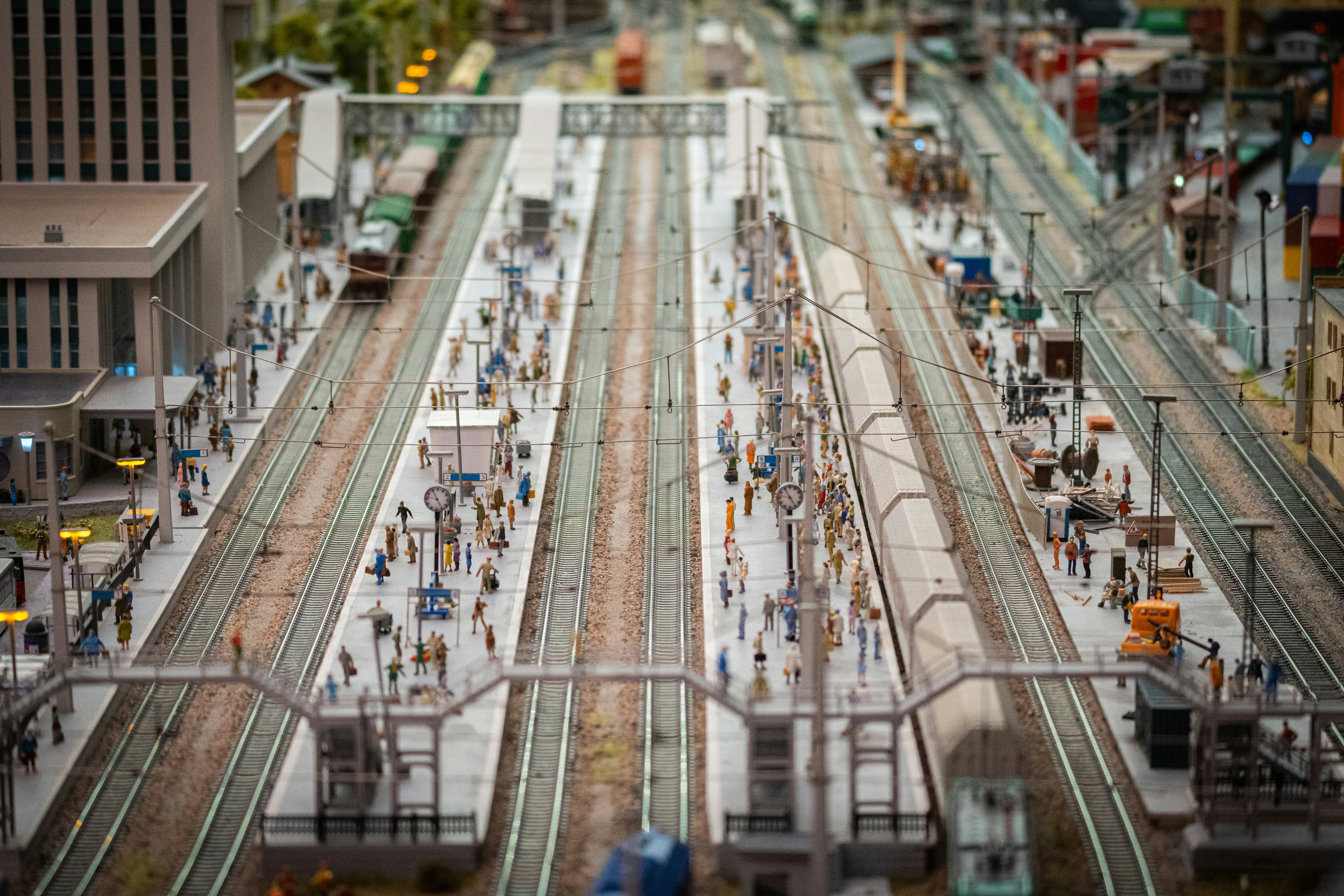
Introduction to Traffic Prediction in Urban Environments
Traffic prediction plays a crucial role in managing urban environments as cities continue to experience rapid growth and increased vehicular movement. With the constant influx of residents and visitors, effective traffic management has become essential for maintaining not only commuting efficiency but also the overall quality of life in urban areas. In this context, traffic prediction models leverage various data sources, including historical traffic patterns, weather conditions, and real-time sensor data, to forecast future traffic conditions with remarkable accuracy.
The significance of traffic prediction extends beyond mere convenience. It has far-reaching implications for city planning and management. Accurate predictions enable urban planners to make informed decisions about infrastructure development, such as optimizing road networks, enhancing public transport systems, and implementing traffic regulations. Furthermore, these models can help reduce congestion, thereby improving air quality and minimizing the environmental impact of urban transportation.
As cities like Mumbai grapple with growing populations and increasing traffic burdens, the need for innovative solutions becomes paramount. Traffic modeling technologies can identify bottlenecks and suggest interventions to ease congestion, thus enhancing the overall commuting experience for residents. Additionally, traffic predictions can facilitate better emergency response times by providing real-time insights into traffic flow, allowing first responders to navigate more effectively.
In summary, traffic prediction in urban settings is a dynamic field that holds the potential to transform urban transportation management. Understanding and harnessing the power of traffic models serves as the foundation for fostering sustainable urban growth and promoting efficient, environmentally friendly commuting practices in the years ahead.
Understanding World Models and Their Application
World models are sophisticated representations that encapsulate the characteristics of systems in a structured manner, allowing researchers and practitioners to simulate, analyze, and predict various real-world scenarios. These models have evolved significantly, especially with advancements in artificial intelligence (AI) and machine learning technologies. Initially, they were simple statistical models, but as computational power increased, so did their complexity and applicability in diverse fields, including economics, environmental studies, and urban planning.
The primary components of world models include the environment, the agents operating within it, and the rules or dynamics that govern their interactions. By incorporating these elements, world models create a framework that enables simulations of how systems change over time. In the context of urban traffic, for example, these models can assimilate data such as vehicle counts, traffic signals, and road conditions to predict patterns of movement and congestion.
World models play a crucial role in the prediction of dynamic systems. They are particularly significant as they allow for real-time adjustments based on changing variables, providing deeper insights into the consequences of different scenarios. In urban traffic management, world models can be used to assess the impact of new infrastructure projects or changes in traffic regulations on overall traffic flow. Consequently, city planners and traffic engineers leverage these predictive insights to enhance transportation efficiency and reduce congestion.
In this context, the prediction of Mumbai train traffic in 2026, for example, could involve the use of a world model that factors in population growth, urban development, and the introduction of new transport modes. By modeling these variables, planners can devise strategies that ensure smoother transit operations and improved commuter experiences. Overall, world models underscore the importance of integrating systematic approaches to predict and manage complex systems effectively.
The Role of GenIE 3 in Transportation Data Analysis
The GenIE 3 framework represents a significant advancement in the field of transportation data analysis, particularly in predicting traffic patterns and optimizing transportation systems. This system integrates artificial intelligence and machine learning methodologies to process vast amounts of transportation data, allowing it to derive insights that were previously unattainable.
At the core of GenIE 3, a robust data processing engine harnesses a multitude of data sources, including real-time traffic feeds, historical data, and geographical information. By analyzing various attribute layers such as peak traffic hours, weather conditions, and socio-economic factors, the framework is capable of identifying trends and anomalies within the transportation network. This data-driven approach not only enhances the accuracy of traffic prediction models but also provides city planners and transport authorities with actionable intelligence.
Moreover, GenIE 3 employs advanced predictive analytics techniques, enabling operators to forecast potential congestion points and implement proactive measures to mitigate traffic issues. For instance, in a bustling metropolis like Mumbai, such capabilities can significantly improve the efficiency of the city’s transportation systems. With relevant predictions, authorities can optimize public transport schedules, manage road usage more effectively, and ultimately enhance the commuter experience.
Additionally, the framework’s learning algorithms continuously adapt and improve over time, ensuring that predictions remain relevant as urban dynamics evolve. By focusing on the particularities of Mumbai’s transit issues, GenIE 3 can provide tailored insights that contribute to more resilient and sustainable urban transportation strategies. The implications of this technological advancement promise not only to enhance situational awareness for stakeholders but also to pave the way for future innovations in traffic management and infrastructure development.
Analyzing the Mumbai Train System: Current Challenges
The Mumbai train system, the lifeline for millions of daily commuters, is currently beset by numerous challenges that undermine its efficiency and reliability. One of the most pressing issues faced by this transportation network is overcrowding. With an estimated ridership of over 7.5 million passengers each day, the trains often operate at or beyond their capacity. This situation not only affects passenger comfort but also compromises safety, as crowd management becomes increasingly difficult during peak hours.
Furthermore, delays in the train schedules are a common occurrence, causing frustration among commuters. These delays can result from various factors, including technical failures, inadequate infrastructure, or operational inefficiencies. The ripple effect of such delays can lead to missed connections and increased travel times, further exacerbating the already strained commuter experience. As the population of Mumbai continues to grow, these delays are projected to worsen without proactive measures.
In conjunction with overcrowding and delays, the aging infrastructure is another significant challenge facing the Mumbai train system. Many stations and tracks require urgent upgrades to accommodate the growing number of users and to enhance overall service reliability. The lack of modern signaling systems and maintenance facilities contributes to frequent service interruptions, prolonging commuters’ wait times and complicating traffic management.
These existing challenges underline the necessity for improved traffic prediction systems. Enhanced forecasting capabilities can aid decision-makers in optimizing train schedules, effectively managing crowds, and implementing timely maintenance strategies. Addressing these issues with a focus on predictive analytics is crucial to the future sustainability and efficiency of the Mumbai train system.
Traffic Prediction Models: V-JEPA Overview
In recent years, the growing complexity of urban transportation systems has necessitated the development of advanced traffic prediction models. One such innovative framework is the Variational Jointly Embedded Predictive Architecture (V-JEPA). This model leverages the power of machine learning to enhance the accuracy of traffic predictions, making it a formidable tool for urban planners and traffic management authorities.
At its core, V-JEPA operates on the principle of joint embedding, which involves integrating various data sources to create a comprehensive representation of the traffic environment. By utilizing deep learning techniques, V-JEPA can analyze patterns and correlations in historical data, allowing it to make robust predictions about future traffic conditions. This approach not only improves the specificity of the predictions but also enhances the overall performance of traffic management systems.
One of the distinguishing features of V-JEPA is its variational inference framework, which addresses uncertainties inherent in traffic data. Traditional models often struggle with unpredictable elements such as accidents or weather conditions, leading to significant deviations from actual traffic flow. V-JEPA, however, utilizes variational methods to account for these uncertainties, providing a more reliable framework for forecasting. Furthermore, the model’s capacity for real-time data processing means it can adapt to changes in traffic dynamics promptly, offering more relevant predictions for users.
Additionally, V-JEPA’s application extends beyond mere prediction; it can also play a critical role in optimizing traffic flow in real time. By interpreting data from multiple sensors and sources within the urban landscape, the model can inform decision-making processes that enhance traffic efficiency, reduce congestion, and contribute to the overall sustainability of urban transport systems.
Projected Traffic Patterns for Mumbai in 2026
The urban landscape of Mumbai is continually evolving, with projections indicating significant changes in traffic patterns by the year 2026. The integration of advanced modeling techniques, including world models and GenIE 3, provides valuable insights into future transportation dynamics. Enhancements in infrastructure, population growth, and urbanization are key elements influencing these projections.
According to recent analyses, the exponential growth of Mumbai’s population, which is expected to reach approximately 24 million by 2026, will drive an increase in vehicular traffic. Models predict a substantial rise in private vehicle ownership, exacerbated by urban sprawl. In parallel, the ongoing development of public transportation systems, such as metro lines and the expansion of bus rapid transit, aims to accommodate the growing demand while alleviating congestion.
However, while improvements in public transportation are forecasted to provide some relief, challenges remain. The reliance on personal vehicles may counteract efforts to reduce traffic density. As noted in findings from V-JEPA, increased urbanization and economic activity further complicate the traffic ecosystem, resulting in potential bottlenecks at key junctions and increased travel times across the city.
Moreover, infrastructural changes, such as the widening of roads and the introduction of smart traffic management systems, are essential components of these future traffic scenarios. These advancements are projected to enhance traffic fluidity and safety. Nevertheless, the interaction between evolving patterns of mobility and environmental factors, including air quality and climate change, must be carefully monitored to ensure sustainable urban living conditions.
Overall, the projected traffic patterns for Mumbai in 2026 represent a complex interplay of growth, infrastructure enhancement, and technological adoption. Continuous analysis and responsive strategies will be critical in addressing the challenges that come with this growth and in ensuring that Mumbai remains a livable and economically vibrant city.
Implications of Traffic Predictions on Urban Planning
Accurate traffic predictions play a crucial role in shaping effective urban planning strategies in Mumbai. By forecasting traffic patterns and vehicle densities, urban planners can devise targeted policy recommendations that aim to address potential congestion problems. These forecasts will drive sensible decision-making processes, encouraging initiatives that enhance traffic flow and resource distribution.
One significant implication of traffic predictions is the identification of key bottlenecks in the current transportation infrastructure. Understanding where these congestion points are likely to emerge allows city planners to prioritize infrastructure developments effectively. Investments in roads, bridges, and public transport systems can be efficiently allocated to areas predicted to experience increased traffic, thus enabling smoother transportation dynamics in the future.
Moreover, accurate traffic predictions assist in the optimization of public transit systems. Enhancing the capacity and frequency of services based on projected user demand will improve the commuting experience significantly. Planners can create more effective public transit routes, encouraging a shift from personal vehicles to mass transport solutions, which is crucial for reducing overall congestion. Additionally, incorporating real-time data and predictive analytics can create adaptive traffic management systems that respond promptly to actual conditions.
Furthermore, these predictions can serve as a foundation for sustainable urban initiatives. By understanding the expected growth in vehicle use, urban planners can implement measures to promote sustainable transport alternatives such as cycling and walking paths, contributing to a reduction in carbon emissions and improving air quality.
In conclusion, leveraging accurate traffic predictions allows Mumbai’s urban planners to create comprehensive strategies that not only alleviate future congestion but also foster societal wellness through improved public transit experience and environmental sustainability.
Potential Benefits for Residents and Commuters
The advancement of traffic prediction technologies, such as those developed through GenIE 3, is expected to bring notable benefits to residents and commuters in Mumbai by 2026. One of the most significant advantages is the potential for reduced travel times. By utilizing predictive modeling, traffic congestion can be managed more effectively, allowing for smoother flow and less time spent on the roads. This enhancement can lead to quicker commutes, thereby allowing individuals to allocate their time more efficiently, whether for work or personal activities.
Moreover, the integration of improved traffic prediction systems can lead to better public transportation options. With accurate data on traffic conditions, transit authorities can adjust schedules, optimize routes, and even implement real-time updates for passengers. This means that commuters utilizing public transport can expect more reliable travel experiences, which can encourage greater use of these services. In turn, this can alleviate pressure on road networks, contributing further to reduced congestion and improved air quality in Mumbai.
The quality of life for residents stands to benefit significantly as well. Improved traffic management can lead to less noise and air pollution, contributing to a healthier urban environment. Moreover, residents can enjoy more pleasant urban spaces as traffic congestion decreases, making neighborhoods more pedestrian-friendly and enhancing the overall livability of the city. As travel becomes more efficient and public transportation becomes a more appealing option, the stress associated with long commutes may also diminish, fostering a more relaxed atmosphere in daily living.
By focusing on these advancements, it is clear that the use of enhanced traffic prediction technologies can result in a plethora of benefits for both residents and commuters in Mumbai, culminating in a more efficient and enjoyable living experience.
Conclusion: The Future of Transportation in Mumbai
The future of transportation in Mumbai is poised for a transformative shift, characterized by advancements in predictive technologies and innovative models. As discussed throughout this blog post, the integration of World Models and GenIE 3 is crucial for understanding and improving urban transit systems. With Mumbai’s growing population and intensified traffic congestion, predictive technologies will play a vital role in enhancing the efficiency and effectiveness of transportation solutions.
By harnessing the capabilities of data-driven insights, urban planners and policymakers can better anticipate traffic patterns and commuter needs. The application of advanced modeling techniques will enable stakeholders to optimize railway networks and reduce commuter waiting times, ultimately improving the overall travel experience for thousands of daily passengers.
Furthermore, the implementation of these predictive models can significantly contribute to sustainable urban transport infrastructures. By prioritizing efficiency, Mumbai can reduce its carbon footprint while accommodating increased use of public transport, thereby leading to a greener city. Utilizing technologies such as artificial intelligence and machine learning allows for real-time updates and alerts, adapting to unforeseen changes in traffic dynamics.
In conclusion, the next few years are critical for Mumbai as it embraces these innovations to create a more efficient urban transport system. The combination of predictive analytics and enhanced technology marks a significant step toward alleviating the challenges faced in public transportation. By investing in and prioritizing these advancements, Mumbai can pave the way for a smarter, more responsive transportation network by 2026 and beyond.