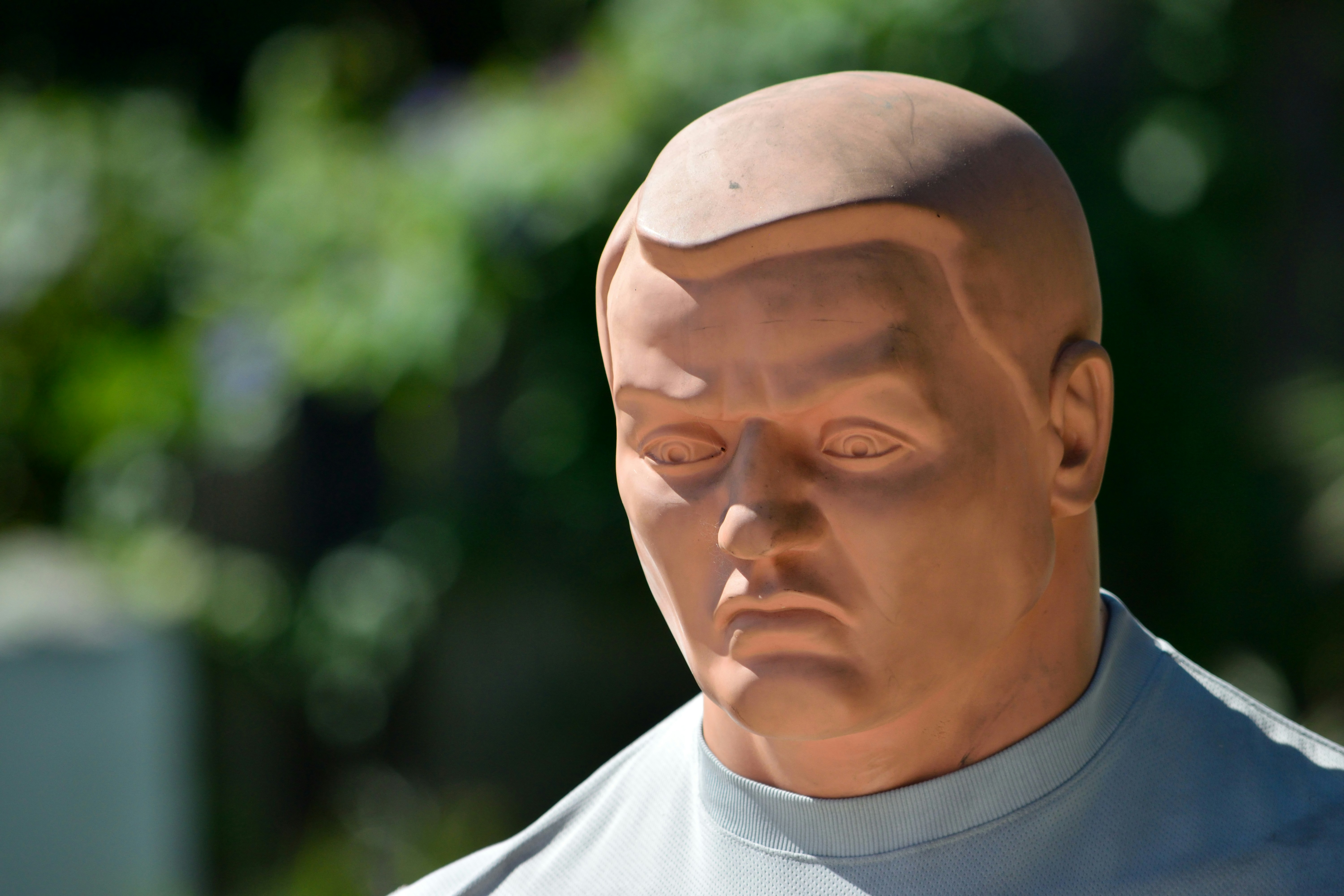
Introduction to Deepfakes and Their Rise
Deepfake technology has seen unprecedented advancements in recent years, leveraging artificial intelligence to create hyper-realistic audio and video content. The term “deepfake” arose from the combination of deep learning and fake, a nod to the machine learning algorithms that enable this transformative technology. Initially, it gained notoriety through manipulated videos that misrepresented individuals, often raising ethical concerns. However, beyond its controversial applications, deepfake technology is beginning to emerge as a valuable tool in various fields, including media, entertainment, and education.
As the technology behind deepfakes has evolved, so too has its potential for creative and educational purposes. Today, professionals in the digital space are exploring how deepfakes can be utilized for storytelling, particularly when it comes to preserving the legacy of historical figures. For instance, reviving voices and personas from the past could offer a unique method for enhancing educational narratives. This innovative approach not only allows students to engage with history but also helps bring to life lessons from influential personalities who have shaped societal discourse.
The rising prominence of deepfake technology prompts an important conversation surrounding its ethical implications. While it presents exciting opportunities for enhancing comprehension and retention in historical education, there are also risks associated with manipulation and misrepresentation. It is crucial for educators, technologists, and policy-makers to navigate these ethical waters carefully. As advocates promote the responsible use of deepfakes, we must consider the ways in which they can enrich educational content while guarding against their potential misuse.
Overall, the increasing presence of deepfakes in the educational landscape demonstrates both the promise and challenges that come with technological innovation. Engaging with this phenomenon allows for a robust discussion about how technology intersects with our understanding of history and the figures that have impacted our world.
Who Was Bal Thackeray?
Bal Thackeray, born on January 23, 1926, was a prominent Indian politician and the founder of the Shiv Sena party, which played a pivotal role in Maharashtra’s political landscape. He was not only a controversial figure but also a charismatic leader who significantly influenced the regional politics of the state. Thackeray, also recognized as a cartoonist, demonstrated a unique ability to connect with the masses through his political cartoons that often criticized various societal issues and political opponents.
After establishing Shiv Sena in 1966, Thackeray aimed to champion the rights of the Marathi-speaking population in Maharashtra. His stance on regional pride resonated with many, leading to the party’s rise as a formidable force within the state’s political arena. Under his leadership, the Shiv Sena shifted from being a cultural organization advocating for Marathi interests to a significant political entity, winning multiple elections and establishing a solid foothold in Mumbai and its suburbs.
Throughout his political career, Thackeray was known for his polarizing views on various issues, including immigration and competition for jobs, particularly focused on the native population of Maharashtra. His ability to articulate the aspirations of the local populace made him an influential figure, but also earned him criticism for fostering sectarian divisions. Despite this, he maintained a loyal following, and his impact on Maharashtra’s political and cultural identity remains palpable.
Thackeray’s legacy today is a topic of ongoing debate. His contributions to Maharashtra’s socio-political fabric have made a lasting impression, influencing numerous political movements and parties that came after him. Even after his death in 2012, Bal Thackeray’s ideals continue to evoke strong sentiments among his supporters and critics alike, solidifying his place in the annals of Maharashtra’s history.
Understanding the Ethics of Deepfakes
Deepfake technology utilizes artificial intelligence to create hyper-realistic video and audio content that can convincingly mimic the likeness and voice of individuals. While this technology has the potential for innovative applications in entertainment and education, it raises significant ethical concerns that must be addressed. Central among these is the issue of consent. Using someone’s likeness or voice without permission can infringe upon their personal rights and lead to a violation of privacy. This becomes even more contentious when the individual is deceased, as seen in discussions about reviving historical figures like Bal Thackeray for educational purposes.
Another pressing ethical consideration is authenticity. The ability of deepfakes to distort what is real can have severe implications for how historical events are perceived and understood. When deepfakes are used to portray events that never occurred or to manipulate context, they risk reshaping public opinion based on false narratives. This alteration of reality can pose dangers, particularly in political and social contexts, where manipulated content may spread misinformation swiftly. It is crucial that content created with deepfake technology is clearly labeled as such, ensuring that viewers and listeners can distinguish between what is genuine and what is fabricated.
Additionally, the potential for misuse is an important facet of the discussion surrounding deepfakes. Scenarios where these tools are weaponized for political propaganda or harassment signify a profound ethical dilemma that society must confront. As deepfake technology continues to evolve, fostering public discourse around its ethical utilization becomes increasingly vital. Stakeholders must consider not only the technological capabilities but also the moral implications of using deepfake content, prioritizing integrity and respect for individuals involved.
Using Deepfakes for Educational Purposes
Deepfake technology has revolutionized various sectors, and education stands to benefit significantly from its potential. By reviving historical voices through deepfakes, educators can provide students with a more immersive learning experience. The ability to hear the words of historical figures, such as Bal Thackeray, brings a sense of authenticity and relatability to the study of history, thus fostering greater interest and engagement among students.
One of the educational benefits of utilizing deepfake technology lies in its capacity to create realistic, interactive lessons. For instance, when students encounter a historical narrative through a digital representation of Thackeray, they are likely to perceive the material as more vivid. This format can help students not only remember important events but also connect emotionally to the characters involved, ultimately making it easier for them to grasp complex societal issues and developments.
Moreover, deepfakes can enhance visual learning. Incorporating realistic avatars and audio of historical figures in classroom discussions offers a versatile tool for educators. They can use these technological advancements to illustrate pivotal moments in history, providing students with a dynamic representation of past events rather than static images or text-based information.
Critically, while the educational potential of deepfakes is substantial, it is essential to approach this technology with a sense of responsibility. Educators must ensure accuracy and authenticity in portrayals, guiding students to differentiate between fact and fabrication. With proper context, deepfakes can be an innovative tool to evoke curiosity and enhance critical thinking skills related to history and society.
The Bal Thackeray Deepfake Project: A Case Study
The Bal Thackeray Deepfake Project represents an intriguing intersection of technology, education, and historical preservation. The main objective of this project is to create a realistic deepfake of Bal Thackeray, the founder of the Shiv Sena party, to be used as an educational tool in Maharashtra history classes. By utilizing advanced artificial intelligence and machine learning techniques, the project aims to resurrect his voice and likeness, enabling students to engage with history in a novel and interactive way.
To produce this deepfake, developers would likely employ a combination of video footage, audio recordings, and textual sources. Initially, extensive research would be conducted to gather authentic material from Thackeray’s speeches, writings, and publicly available statements. This data would serve as the backbone for creating a digital representation that authentically reflects Thackeray’s character, perspective, and historical significance. The project would also prioritize ethical considerations, attempting to present Thackeray’s persona in a manner that respects his legacy while encouraging critical discourse about the implications of using deepfake technology.
Expected outcomes of the Bal Thackeray Deepfake Project include enhanced student engagement and a more profound understanding of Maharashtra’s political landscape. By experiencing the charisma and rhetoric of Thackeray first-hand, students might develop a deeper connection to their state’s history. However, the reception of this project by both the public and experts could be mixed. While some may embrace the innovative method of teaching, others might raise ethical concerns regarding the authenticity of digital representations and the potential for misinformation. It is essential to address these concerns transparently, ensuring that the deepfake serves educational purposes without distorting historical facts. Overall, the Bal Thackeray Deepfake Project could pave the way for future initiatives aimed at leveraging technology in history education.
Public Reaction and The Debate
The resurgence of Bal Thackeray’s voice through deepfake technology has sparked a multifaceted debate, eliciting varied reactions from the public. Supporters, particularly educational advocates, argue that reviving the voice of such a prominent figure in Maharashtra’s history serves an educational purpose. They propose that utilizing deepfake technology can help engage younger generations, making history more relatable and accessible. By enabling historical figures to ‘speak’ directly to the audience, advocates believe this approach could foster a richer understanding of regional history and culture.
On the other hand, there exists a substantial faction that raises ethical concerns regarding the use of deepfake technology. Critics argue that resurrecting Bal Thackeray’s voice could mislead audiences about his actual beliefs and statements. Since deepfake technology can manipulate audio and video, there are apprehensions about its potential misuse, especially in politically charged contexts. Critics emphasize the need for transparency and caution, as portraying historical figures in a manner that could distort their legacies raises ethical dilemmas.
Furthermore, the discussion encompasses a broader discourse on the implications of deepfakes in media and education. While some view deepfake technology as a revolutionary educational tool, others warn of the erosion of trust in historical verification. This aspect raises critical questions about how future generations will discern between authentic historical accounts and artificially recreated narratives. Ultimately, the debate surrounding the revival of Bal Thackeray’s voice through deepfake technology hinges on balancing educational innovation with ethical responsibility, ensuring that history is represented authentically without infringing on the legacy of those who shaped it.
Legal Implications and Regulations
The advent of deepfake technology has brought forth a myriad of legal challenges and ethical considerations that need to be addressed, particularly in the realm of historical education. As deepfakes can easily mimic voices and appearances of public figures, they fall under various legal frameworks related to copyright and personality rights. The question of who holds the rights to a person’s likeness and voice is central to this discussion, especially when it involves figures like Bal Thackeray, whose legacy is pivotal in Maharashtra’s history.
Currently, the legal landscape surrounding deepfakes is fragmented. In many jurisdictions, existing copyright laws may apply, but they often fail to address the unique nuances of deepfake technology. This ambiguity raises concerns about intellectual property rights, as creators of deepfake content might inadvertently infringe on copyright if they misuse original materials. Furthermore, personality rights—which protect against unauthorized use of an individual’s likeness—also come into play. When it comes to reviving Bal Thackeray’s voice using deepfake technology, any use without proper consent could lead to significant legal ramifications.
Ongoing debates among lawmakers and stakeholders suggest the need for robust regulations governing the use of deepfake technology, particularly for educational purposes. Some advocates argue for a specific regulatory framework that defines permissible uses of deepfakes in education, ensuring that such technologies are employed ethically and responsibly. This proposed framework could include guidelines on consent, transparency, and respect for personal rights, ensuring that the educational benefits of deepfakes do not come at the cost of infringing on legal rights.
As society grapples with these pressing issues, it is clear that establishing a clear and comprehensive legal framework is essential for the responsible use of deepfake technology in education, to honor and accurately represent historical figures like Bal Thackeray while safeguarding legal interests.
Future of Deepfakes in Education and History
The advancement of deepfake technology presents transformative possibilities for education and historical preservation. As this technology becomes more sophisticated and accessible, it has the potential to meaningfully enhance learning experiences and foster a deeper understanding of historical contexts. In the coming years, we can expect to see greater integration of deepfakes in various educational frameworks, particularly in the realms of history and the arts.
One significant area where deepfakes could find application is in the revitalization of historical figures. Educational institutions may use this technology to recreate speeches, interactions, and experiences associated with influential personas from the past, thereby fostering a more immersive learning atmosphere. Imagine history classes where students can engage with a hyper-realistic representation of a notable leader, experiencing their rhetoric and perspectives firsthand. This innovative approach could bring history to life in a manner that traditional methods cannot accomplish.
Additionally, deepfakes can facilitate personalized learning experiences. With customized educational content tailored to individual learning preferences, students may engage more effectively with complex topics. The potential to create dynamic historical narratives using authentic deepfake representations can spark curiosity and engagement that might have otherwise been lacking in conventional educational settings.
As society continues to grapple with the ethical implications of deepfakes, it is essential to strike a balance between innovation and responsibility. Ensuring that educational applications of deepfake technology uphold integrity while still promoting meaningful learning experiences will be crucial. Moreover, training educators to harness these tools effectively can contribute to the responsible use of deepfakes in academia.
Ultimately, the future of deepfakes in education hinges on a collaborative effort among technologists, educators, and ethicists. By fostering open dialogues around the ethical considerations, we can ensure that the evolution of deepfake technology serves as a valuable asset in the quest for knowledge and preservation of history.
Conclusion: Balancing Technology and Ethics
As we have explored throughout this blog post, the integration of deepfake technology in educational contexts, particularly in the revival of Bal Thackeray’s voice for Maharashtra history education, raises significant ethical questions. The advances in artificial intelligence have made it possible to recreate historical figures in a manner previously thought unattainable, allowing students to engage with history in innovative ways. However, this capability comes with great responsibility.
First and foremost, it is essential to address the ethical implications of using deepfake technology. While it offers an exciting opportunity to immerse learners in the history of Maharashtra, it also risks misrepresentation and can lead to misunderstandings regarding the intentions of historical figures. Consequently, it is crucial to ensure that the portrayal of such figures is handled sensitively and accurately, preserving the integrity of their legacies.
Furthermore, engaging with deepfake technology necessitates a robust framework for transparency and consent. Educational institutions must navigate the legal and ethical landscape to establish guidelines that respect the wishes of descendants and the public awareness of historical narratives. The deployment of this technology should not merely serve entertainment purposes but should be aligned with educational goals that promote critical thinking and informed discussions among students.
In light of these considerations, striking a balance between technological innovation and ethical responsibility becomes paramount. As we continue to develop and apply deepfake technology in educational settings, rigorous ethical standards must guide our practices, ensuring that we honor historical figures like Bal Thackeray while fostering an environment grounded in honesty and respect. Only through such careful deliberation can we hope to enrich historical education without falling prey to potential ethical pitfalls.