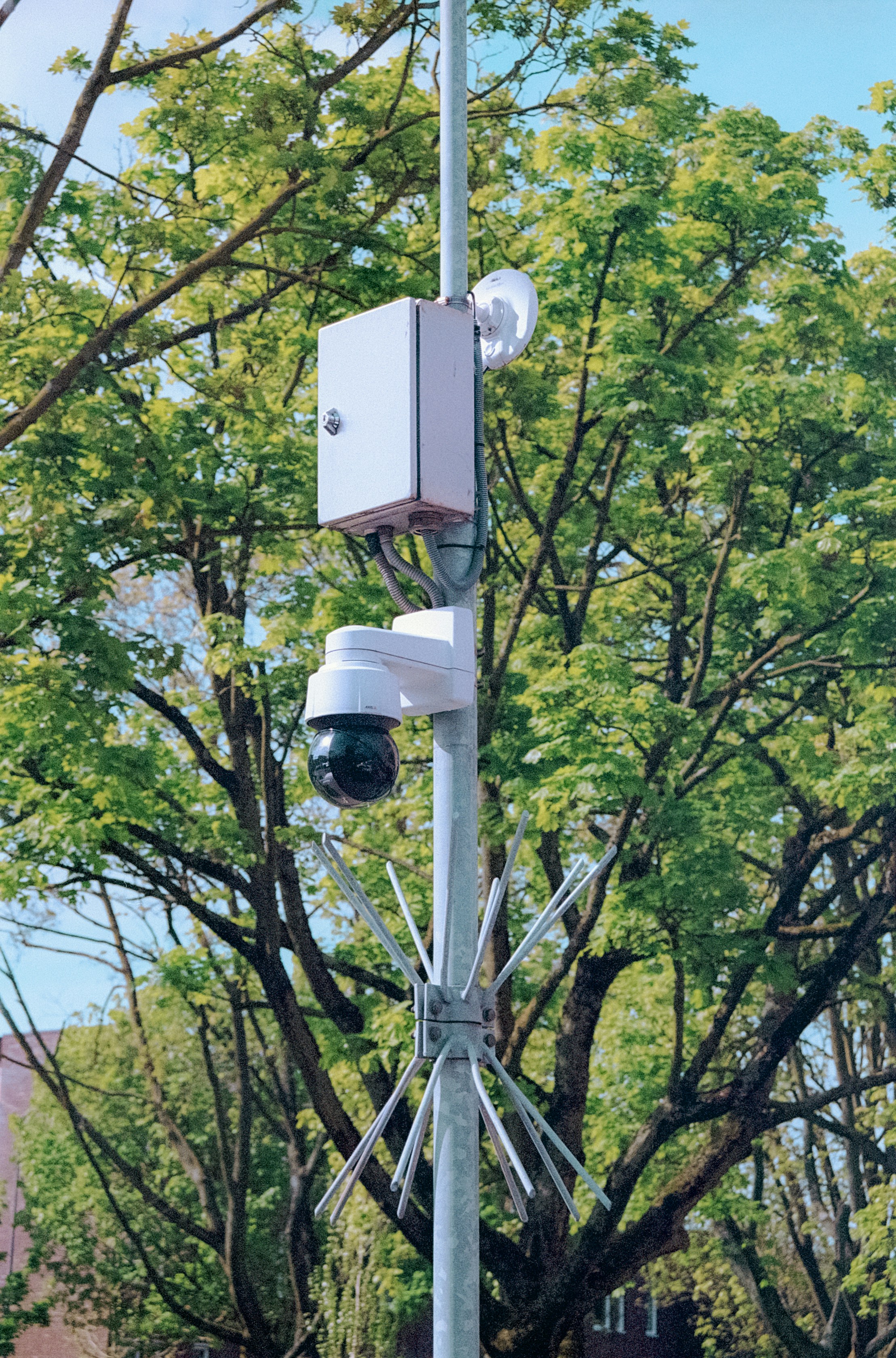
Introduction to Smart Cities and AI Surveillance
The concept of smart cities has gained significant traction globally, representing an evolution in urban living characterized by the integration of advanced technologies to improve the quality of life for residents. Navi Mumbai, a planned city built to alleviate the population pressure on Mumbai, is at the forefront of this transformation. The vision for Navi Mumbai as a smart city includes the incorporation of various technologies, particularly Artificial Intelligence (AI), aimed at enhancing urban management and governance.
AI surveillance, as a pivotal component of smart city initiatives, plays a vital role in streamlining urban operations. This technology leverages data analytics and machine learning algorithms to monitor and manage public spaces efficiently. With the implementation of AI surveillance systems, city officials can gain valuable insights into traffic patterns, public safety, and resource allocation, improving decision-making processes. Such systems are designed to help in real-time monitoring, helping authorities respond swiftly to emergent situations and optimizing city functionalities.
Moreover, the introduction of AI surveillance in Navi Mumbai aims to create a safer environment for its residents. Through innovative camera systems equipped with facial recognition and analytics capabilities, the city can enhance its security measures. The intended impact includes reduced crime rates and improved emergency response times, contributing to a more secure urban landscape. Additionally, AI can facilitate effective traffic management by predicting congestion and analyzing vehicular movements, ensuring smoother commutes.
As Navi Mumbai progresses towards its smart city goals, the effective integration of AI technologies marks a critical step towards achieving an efficient urban ecosystem, with AI surveillance at the center of these advancements. Understanding the balance between technological advancements and ethical considerations will be paramount as the city navigates its smart city trajectory.
The Promise of AI in Urban Development
As urban centers increasingly embrace technological advancements, the implementation of Artificial Intelligence (AI) in the framework of Navi Mumbai’s Smart City initiative holds significant promise. By enhancing public safety, managing traffic efficiently, optimizing resource usage, and promoting sustainable living, AI has the potential to reshape urban life profoundly.
One of the foremost advantages of AI in urban development is its ability to improve public safety. Through the deployment of surveillance systems powered by AI, authorities can monitor crowded environments, detect unusual activities, and respond to emergencies in real-time. For instance, facial recognition systems, when integrated responsibly and ethically, can aid in the identification of individuals involved in criminal activities, thereby contributing to a safer urban environment.
Additionally, AI can optimize traffic management, addressing one of the most pressing issues in urban living. With machine learning algorithms analyzing traffic patterns, cities can adapt traffic signals dynamically to alleviate congestion, minimizing wait times and improving overall flow. This not only enhances accessibility but also assists in reducing carbon emissions by decreasing the duration vehicles spend idling in traffic.
Furthermore, AI technologies promote resource efficiency through data-driven decision-making. For example, smart sensors can monitor energy and water consumption in real-time, allowing managers to make informed choices about resource distribution and usage. Such innovations contribute to a sustainable urban environment, where resources are conserved and environmental impact is minimized.
Lastly, AI can support sustainable living initiatives by facilitating the development of smart infrastructure, such as energy-efficient buildings and integrated public transport systems. By analyzing user behavior and preferences, AI can optimize urban services, ensuring they are tailored to the needs of the community while promoting a more sustainable lifestyle.
Understanding Ethical AI Surveillance
Ethical AI surveillance can be defined as the application of artificial intelligence technologies within monitoring frameworks that uphold moral standards and respect individual rights. As smart cities like Navi Mumbai evolve, the implementation of surveillance technologies must be guided by principles that prioritize privacy, fairness, and transparency. By aligning AI surveillance systems with ethical guidelines, we can ensure that these technologies contribute positively to society while minimizing potential harm.
These principles often revolve around a few core tenets: informed consent, data minimization, accountability, and the right to privacy. Informed consent implies that individuals should be aware of when they are being monitored and how their data will be used. Data minimization necessitates collecting only the information essential for achieving specific objectives, thus reducing the risks associated with expansive data collection practices. Accountability requires that organizations deploying these systems remain answerable to regulatory bodies and the public for their actions, ensuring that ethical standards are maintained throughout the surveillance process.
In the context of public spaces, ethical considerations become even more paramount as individuals often have limited control over their environment. The deployment of AI surveillance systems can significantly alter the dynamics between authority and citizens, leading to heightened concerns over civil liberties and potential abuses. Therefore, integrating ethical guidelines into the development and implementation stages of AI surveillance is essential. Proper governance structures must also be established, providing mechanisms for oversight and feedback from the community to address ethical concerns proactively.
In conclusion, understanding ethical AI surveillance involves a commitment to balancing technological advancements with the preservation of fundamental rights and freedoms. This balance is crucial not only for the successful integration of AI technologies in public spaces but also for fostering trust and cooperation among the stakeholders involved, including the government, tech companies, and the citizens of Navi Mumbai.
Current AI Surveillance Initiatives in Navi Mumbai
Navi Mumbai has initiated several artificial intelligence (AI) surveillance projects aimed at enhancing urban safety, security, and efficiency. These initiatives are part of the broader objective to transform Navi Mumbai into a smart city by the year 2026. A prime focus is on utilizing cutting-edge technologies such as facial recognition systems and public sensors to monitor urban environments.
One of the notable projects involves the deployment of intelligent camera systems throughout the city. These cameras are equipped with AI-driven facial recognition technology that aims to assist law enforcement in identifying individuals involved in criminal activities. The integration of this technology is expected to significantly reduce response times during emergencies and enhance public safety.
Another essential AI surveillance initiative includes the implementation of smart public sensors. These sensors are designed to collect real-time data on various urban metrics, including traffic patterns, air quality, and crowd density. By analyzing this data, city officials can optimize resource allocation and improve city management strategies. In particular, the insights gained from traffic monitoring sensors can facilitate better traffic flow and reduce congestion, ultimately enhancing the urban commuting experience.
Additionally, the use of AI algorithms helps in threat detection and predictive analysis, allowing security agencies to preemptively address potential risks or incidents. It is anticipated that these AI surveillance programs will foster a safer urban environment by not only responding to issues as they arise but also preventing them through advanced monitoring and data analysis.
As these initiatives progress, continuous evaluation of their effectiveness, privacy implications, and ethical considerations will be essential to ensure they align with community standards and expectations. The successful implementation of these AI surveillance technologies will be critical in shaping Navi Mumbai’s future as a pioneering smart city.
Privacy Concerns and Public Perception
The implementation of AI surveillance technologies in Navi Mumbai’s Smart City initiative raises critical privacy concerns, particularly among the city’s residents. Many citizens express apprehension about the extent to which their movements and behaviors are monitored by smart cameras and data analytics systems. With advancements in artificial intelligence, the capability of these technologies to analyze vast amounts of data in real-time illustrates a departure from traditional forms of surveillance, prompting a reconsideration of privacy norms.
Public perception plays an essential role in shaping the discourse surrounding AI surveillance. Surveys conducted in urban areas around the world often highlight a dichotomy in perspectives; while a segment of the population believes that enhanced security measures justify such surveillance systems, others regard it as an infringement on personal privacy. This conflict raises important ethical considerations. Residents may feel conflicted about their safety being prioritized at the potential expense of their privacy, creating a sense of unease within communities.
Furthermore, it is crucial to recognize the potential for overreach. Many individuals fear that constant monitoring could lead to misuse of their personal data, ultimately eroding trust between the public and city authorities. The narratives surrounding AI surveillance often reflect a broader anxiety about technology’s encroachment on civil liberties, prompting advocates for privacy rights to call for transparency and accountability in how AI systems are deployed. Striking a balance between leveraging technology for public safety and preserving individual privacy rights forms the crux of ongoing discussions among policymakers, technologists, and residents alike.
Regulatory Frameworks and Best Practices
In recent years, the increasing deployment of artificial intelligence (AI) technologies, especially in surveillance, has raised important ethical concerns worldwide. In India, various laws and regulations shape the framework governing the use of AI and surveillance systems. Notably, the Information Technology Act of 2000 provides a foundational legal framework for data protection and privacy. Additionally, there are specific guidelines from the Ministry of Electronics and Information Technology (MeitY) aiming to enhance the ethical deployment of AI.
The Personal Data Protection Bill, which is anticipated to become law, also aims to establish comprehensive data protection rights to individuals, including provisions for consent, data processing, and the right to be forgotten. These legal instruments collectively work towards ensuring that AI surveillance implementations prioritize the protection of citizens’ rights and privacy.
Best practices for ethical AI surveillance are critical in shaping how these technologies are deployed. Organizations are encouraged to adopt transparency measures, ensuring that the systems in place for surveillance are clearly communicated to the public. Additionally, conducting regular audits and assessments of AI systems can help organizations to mitigate biases and ensure compliance with regulations.
Globally, the principles laid out by organizations such as the OECD and the European Union’s General Data Protection Regulation (GDPR) serve as exemplary benchmarks for ethical AI deployment. These frameworks advocate for accountability, fairness, and the necessity of oversight in the development and implementation of AI systems. Adapting such global standards to the local context of Navi Mumbai can stimulate an ethical approach towards the integration of AI in smart city initiatives.
In conclusion, a robust regulatory framework, combined with the adherence to best practices, is pivotal for the ethical implementation of AI surveillance technologies within Navi Mumbai’s Smart City project. Establishing such a framework not only respects individual rights but also enhances public trust in these advanced technologies.
The implementation of AI surveillance systems in various smart cities worldwide provides insightful case studies that can inform Navi Mumbai’s approach as it navigates ethical concerns related to these technologies. One notable example is the deployment of AI surveillance in London, which integrated facial recognition technology to enhance public safety. While the initiative succeeded in significantly reducing crime rates in certain areas, it faced severe backlash regarding privacy violations and data misuse. Key lessons from this case suggest that transparency in operations and robust data protection measures are essential in gaining public trust.
Another pertinent case is located in San Francisco, which was among the first cities to ban facial recognition technology due to concerns over racial bias and infringement on civil liberties. The city’s decision led to a broader debate on the balance between public safety and individuals’ rights, highlighting the necessity of involving community voices in discussions about surveillance technologies. This case underscores the importance of ethical considerations and the adaptability of AI surveillance systems to local contexts and values.
In contrast, the implementation of AI surveillance in cities like Singapore has been largely successful, combining cutting-edge technology with a strong emphasis on ethical standards and community engagement. The city’s approach involved ongoing dialogue between government officials and citizens, fostering a sense of trust and cooperation. This collaborative model emphasized the value of public partnerships in mitigating the ethical implications of surveillance, providing a potential framework for Navi Mumbai to explore.
Overall, studying these case studies reveals varied outcomes influenced by different regulatory frameworks, community involvement, and ethical policies surrounding AI surveillance. As Navi Mumbai prepares for the rollout of its Smart City initiative in 2026, it is essential to consider these examples to build a surveillance program that safeguards public welfare while respecting individual rights.
Future Prospects and Challenges
As Navi Mumbai progresses towards its vision of becoming a Smart City by 2026, the integration of AI surveillance technologies is anticipated to play a crucial role in shaping urban management and public safety. The future landscape will likely see the adoption of advanced AI systems capable of real-time data analysis, enhancing the city’s ability to monitor traffic flows, manage crowd control, and maintain safety in public spaces. These innovations promise to streamline city operations, thereby optimizing resource allocation and improving overall quality of life for residents.
However, the incorporation of AI surveillance also brings forth significant challenges and ethical considerations that must be rigorously addressed. Amongst the foremost concerns is the potential for invasion of privacy, as sophisticated surveillance systems could inadvertently infringe on individual rights. The struggle to strike a balance between security enhancement and preservation of personal freedoms poses a crucial dilemma for policymakers. The city authorities will need to ensure that the deployment of AI surveillance technologies complies with legal frameworks and respects citizens’ civil liberties.
Technology advancements in areas such as facial recognition, behavior analysis, and predictive analytics represent the cutting edge in AI capabilities. As these systems become more sophisticated, their deployment must be accompanied by transparent governance frameworks that define accountability and oversight measures. Ensuring responsible AI use will require ongoing dialogue between technologists, ethicists, and the public to weigh the benefits of surveillance against the potential for misuse. Furthermore, as Navi Mumbai embraces these technological trends, it must stay vigilant against the risks associated with bias in AI algorithms, maintaining fairness in their operations.
Conclusion: Striking a Balance Between Innovation and Ethics
As Navi Mumbai embraces the Smart City initiative with a focus on artificial intelligence (AI) surveillance systems, it is imperative that the conversation shifts towards balancing technological innovation and ethical considerations. The integration of advanced AI in urban management offers significant advantages, ranging from enhanced public safety to improved traffic management. However, it simultaneously raises crucial ethical issues, especially regarding privacy, consent, and the potential for misuse of personal data.
Throughout this discussion, the importance of implementing robust frameworks to govern AI surveillance practices has been made clear. Proper regulations are essential to prevent infringements on individual rights while still allowing for the benefits that AI technology can provide. Strategies should be put in place to ensure transparency in how data is collected, stored, and utilized. By fostering a culture of accountability among stakeholders—government entities, technology providers, and the general public—Navi Mumbai can set a precedent for ethical AI surveillance.
Additionally, stakeholders must engage the community in dialogues about their rights and the implications of surveillance. Public trust is crucial for the successful deployment of smart technology, and informed consent should become a standard practice. Collaboration among various sectors can lead to the establishment of ethical guidelines that align with local values and legal frameworks.
Therefore, while AI surveillance has the potential to transform urban development positively, careful consideration must be given to ethical implications. Striking a balance between innovation and ethics is not merely a recommendation; it is a necessity to ensure that the future of Navi Mumbai remains inclusive, respectful, and in alignment with the fundamental rights intrinsic to its citizens.