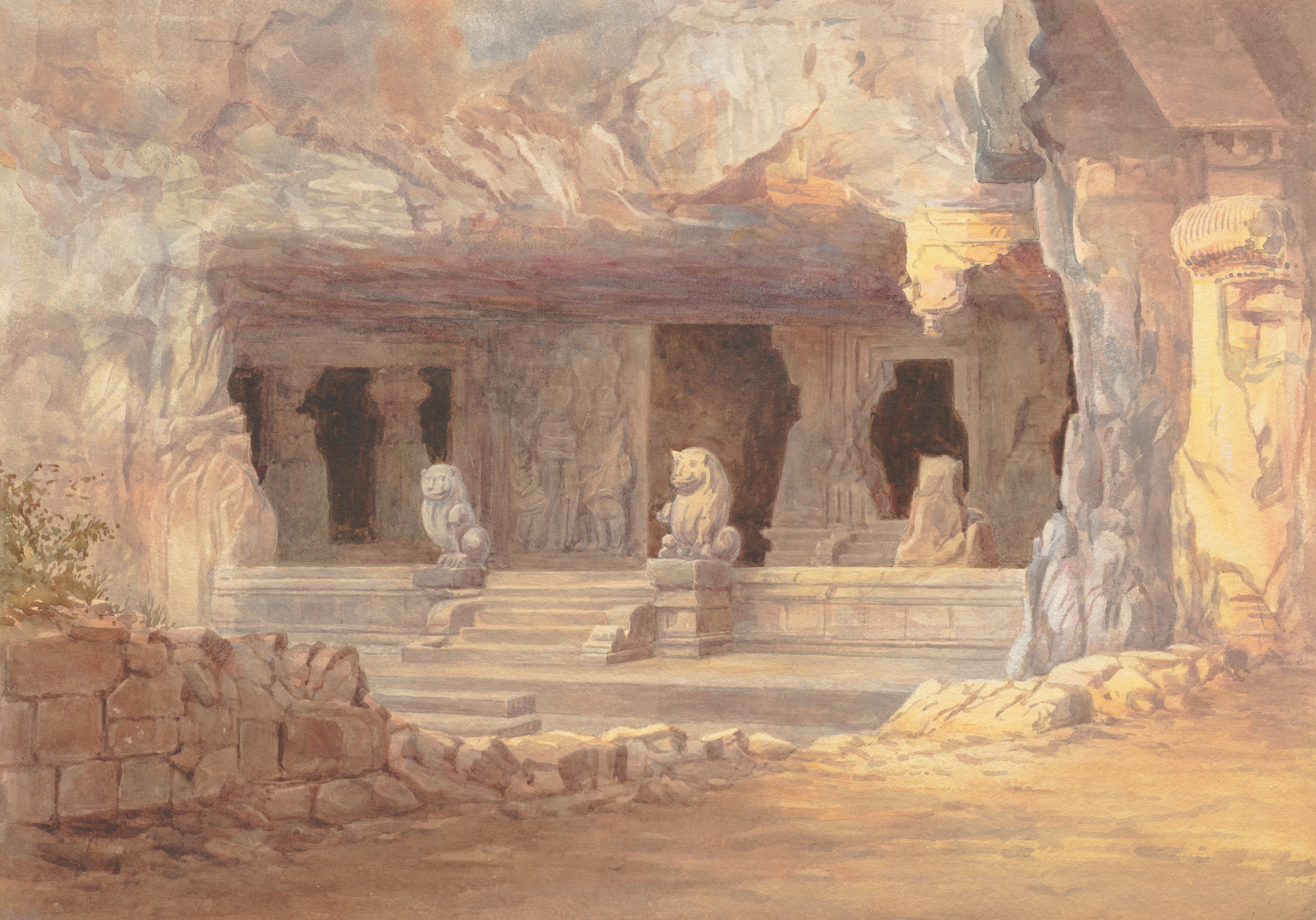
Introduction to Elephanta Caves
The Elephanta Caves are a complex of sculpted caves located on Elephanta Island, which lies approximately 11 kilometers to the east of the bustling metropolis of Navi Mumbai. This UNESCO World Heritage Site has captivated the imagination of historians, archaeologists, and tourists alike, thanks to its rich tapestry of ancient rock-cut sculptures and their deep cultural significance. The origins of these caves can be traced back to around the 5th to 8th centuries, at a time when the island was a significant religious center for Hindu and Buddhist philosophies.
Comprised of two primary groups of caves, Hindu and Buddhist, the Elephanta Caves predominantly feature intricate carvings that showcase various deities, with the most renowned being the colossal three-headed monument of Trimurti, representing the divine trinity of Brahma, Vishnu, and Shiva. These stunning sculptures not only illustrate the artistic prowess of ancient artisans but also serve as a testament to the vibrant spiritual life that once flourished in the region.
Geographically, Elephanta Island is characterized by its lush greenery and rocky landscapes, offering a scenic contrast to the urban environment of Mumbai. The blend of natural beauty with architectural grandeur creates a unique ambiance, which has led to the caves being a coveted destination for both heritage seekers and casual visitors.
As we delve deeper into this historical marvel, it is essential to reflect on how contemporary technologies, such as artificial intelligence and 3D graphics, are being utilized to enhance the overall visitor experience. These innovations not only provide enriching insights into the history of the Elephanta Caves but also help in preserving their magnificent artistry for future generations. The intersection of technology and heritage thus offers an exciting perspective on exploring our shared past.
The Historical Significance of the Elephanta Caves
The Elephanta Caves, situated on Elephanta Island near Mumbai, represent a pinnacle of historical and cultural significance in India. These rock-cut caves date back to the 5th to 8th centuries CE, showcasing an extraordinary blend of art and architecture that reflects ancient Indian civilization. The caves are primarily dedicated to Lord Shiva, indicating the prominence of Shaivism during this period. Their artistic expressions provide insight into the religious fervor and cultural practices that prevailed in ancient India.
Archaeological studies have revealed various inscriptions, sculptures, and reliefs that highlight the artistic influences of the time. The most prominent of these is the colossal sculpture of Trimurti, representing a three-headed figure of Shiva, which encapsulates the essence of the divine in Hindu mythology. The intricate carvings and detailed narratives inherent in the cave’s artwork demonstrate a high level of craftsmanship that merged local traditions with influences from various dynasties, including the Chalukyas and the Rashtrakutas.
Furthermore, several theories explain the origin and purpose of the Elephanta Caves. Some scholars posit that they served as a significant religious center for early practitioners of worship, while others suggest that they were intended as a royal retreat or a ceremonial site. The findings indicate a flourishing nexus of trade and cultural exchange, further marking the significance of these caves in India’s historical trajectory. As such, the Elephanta Caves offer a rich tapestry of narratives that contribute to our understanding of India’s heritage and the evolution of religious practices. The site continues to be an invaluable resource for historians and archaeologists alike, highlighting the need for ongoing exploration and preservation in light of its cultural importance.
AI Technology in Tourism and Heritage Conservation
As global tourism continues to evolve, the integration of AI technology has become a significant aspect of enhancing the visitor experience while simultaneously preserving cultural heritage sites. The Elephanta Caves, renowned for their intricate sculptures and rich history, serve as a prime example of how artificial intelligence can facilitate both tourism and heritage conservation efforts. Through innovative applications, AI not only aids in protecting these cultural landmarks but also provides tailored experiences for visitors.
One of the remarkable uses of AI in this context is the development of virtual tours. These AI-driven platforms enable remote exploration of sites like the Elephanta Caves, allowing audiences worldwide to appreciate their beauty and historical significance without the need for physical presence. By using 3D graphics and immersive technologies, these virtual experiences can replicate the ambiance of the caves, showcasing their artistry and cultural value. Furthermore, incorporating AI algorithms aids in creating interactive and engaging content, thus enhancing visitor engagement.
Additionally, AI technologies can analyze visitor data and behavior patterns, providing insights that help in optimizing the tourist experience. By understanding peak visiting times, preferred attractions, and visitor demographics, heritage management teams can streamline operations, ensuring that the Elephanta Caves remain an accessible and enjoyable destination. Personalized recommendations powered by AI can also guide tourists through their visits, enhancing overall satisfaction while fostering a deeper appreciation for the site’s history.
As we continue to leverage the advances in AI technology for tourism and heritage conservation, it is crucial to find a balance between visitor engagement and the preservation of cultural integrity. This interplay not only safeguards sites like the Elephanta Caves for future generations but also enriches the experience of contemporary visitors seeking to connect with history in meaningful ways.
3D Graphics and Augmented Reality Experiences
The Elephanta Caves, a UNESCO World Heritage site, are renowned for their intricate sculptures and rock-cut temples that date back to the 5th century. To enhance visitor engagement and appreciation, the implementation of 3D graphics and augmented reality (AR) is playing an increasingly pivotal role. By merging advanced technology with history, AR helps to bridge the gap between the past and present, providing an accessible means of exploring the caves’ wonders.
Through AR technologies, visitors can utilize their smartphones or designated devices to view the Elephanta Caves in a new light. Imagine pointing a device at a mere stone wall and having it come alive with colorful animations depicting the creation of the sculptures or the rituals that took place thousands of years ago. This level of interactivity fosters a deeper connection with the site, enabling visitors to visualize historical contexts that are often lost in time.
Moreover, the use of sophisticated 3D graphics allows for the reconstruction of damaged or eroded areas of the caves. Visitors can witness the original vibrancy of the cave art and architectural structures, thereby enhancing their understanding of the craftsman’s skill and intent. Additionally, guided AR tours can provide real-time information, unlocking stories behind the intricate carvings of Hindu deities and the symbolism involved in the artwork.
As tourism shifts towards digital experiences, the integration of AR in historical exploration not only provides educational benefits but also elevates the overall visitor experience. Engaging with the Elephanta Caves through these innovative technologies fosters a sense of wonder and discovery, ensuring that the significance of this historical site continues to resonate with generations to come.
Tourist Attractions in Navi Mumbai
Navi Mumbai, often overlooked by travelers heading towards its more famous neighbor, Mumbai, boasts a variety of attractions that enrich the travel experience. After exploring the enigmatic Elephanta Caves, visitors can conveniently immerse themselves in several notable sites nearby, each offering a unique glimpse into the region’s culture and natural beauty.
One of the prominent attractions is the Nerul Balaji Temple, a beautifully constructed temple that replicates the style of the famed Tirupati temple in Andhra Pradesh. This spiritual site attracts devotees and tourists alike, providing an atmosphere of peace and devotion. Moreover, the temple complex features intricate sculptures and serene gardens that enhance its appeal.
Another must-visit location is Rock Garden in Navi Mumbai. This tranquil space is adorned with numerous rock formations, lush greenery, and artificial waterfalls, making it an ideal spot for picnics or leisurely strolls. The beauty of nature is perfectly complemented by the artistry involved in the garden’s design.
For those interested in wildlife, the Navi Mumbai Wildlife Sanctuary serves as a great excursion. This sanctuary exhibits a wide array of flora and fauna, providing a perfect opportunity for nature enthusiasts and bird watchers. The serene landscape creates an immersive experience for visitors looking to connect with nature.
Sports fans can visit the D Y Patil Stadium, which hosts a multitude of sports events, including cricket and football matches. Attending a game can add an exciting element to any itinerary.
As visitors explore Navi Mumbai, they will discover vibrant markets, halting at traditional eateries that serve local delicacies, effectively highlighting the region’s culinary heritage. These activities and attractions collectively position Navi Mumbai as an enriching destination that complements a visit to the renowned Elephanta Caves, further enhancing the travel experience in this remarkable area.
Planning Your Visit to the Elephanta Caves
When planning a visit to the Elephanta Caves, it is essential to consider several factors that contribute to a rewarding experience. First and foremost, reaching the Elephanta Caves, located on Elephanta Island near Mumbai, involves a ferry ride from the Gateway of India. The ferry service operates daily, with departures approximately every 30 minutes. It is advisable to check the local ferry schedules ahead of time, especially during the monsoon season, as weather conditions may affect service. The journey across the Arabian Sea offers picturesque views, making it an integral part of the trip.
Entry fees for the Elephanta Caves are relatively modest, with a nominal charge for Indian citizens and a higher fee for foreign tourists. Additionally, it is prudent to bring cash as card facilities may not always be available on the island. Visitors should also be aware that there may be additional charges for photography, which is common in many historical sites.
To make the most of your exploration of the caves, timing is significant. The best months to visit are between October and March when the weather is pleasant and conducive for outdoor activities. Avoid planning your trip on weekends or public holidays if you prefer a quieter experience, as these days can see larger crowds. Moreover, wear comfortable footwear, as the journey involves walking up a series of stairs to reach the caves. Given the lush surroundings, bringing sun protection and hydration essentials is also advisable. In conclusion, by keeping these tips in mind, visitors can enhance their experience and enjoy the rich history the Elephanta Caves have to offer.
Cultural Experiences at Elephanta Island
Visiting Elephanta Island offers an array of unique cultural experiences that connect visitors with the vibrant traditions and heritage of this historic site. The island is not only famous for its ancient rock-cut caves but also for its rich tapestry of local culture that invites exploration and engagement.
One notable aspect of cultural experiences on Elephanta Island is the opportunity to participate in traditional activities. Tourists can witness local performances showcasing classical Indian dance forms or participate in art workshops led by experienced artisans. These hands-on experiences provide insights into the skills and dedication required to preserve such art forms. Engaging with these activities allows visitors to appreciate the cultural significance of the island beyond its architectural wonders.
Furthermore, Elephanta Island is known for its delicious local cuisine, which reflects the culinary traditions of the region. Visitors can indulge in a variety of dishes that capture the essence of Indian flavors, from spicy street food to more sophisticated dining options. Restaurants lining the paths leading to the caves often serve freshly prepared seafood and vegetarian specialties, allowing guests to savor the authentic tastes of Maharashtra. Sampling local delicacies not only pleases the palate but also serves as a means to understand the island’s cultural identity through its food.
Interactions with local artisans present yet another enriching experience for tourists. Visitors have the chance to engage with craftsmen who skillfully create souvenirs, such as intricate sculptures and handmade textiles. These exchanges not only support the local economy but also foster a deeper understanding of the island’s craftsmanship. By purchasing local handicrafts or simply conversing with artisans about their work, tourists can gain a greater appreciation for the culture of Elephanta Island.
Visitor Engagement through Social Media and Digital Platforms
The advent of social media and digital platforms has revolutionized the way visitors engage with historical sites, including the Elephanta Caves. This UNESCO World Heritage Site, renowned for its remarkable rock-cut sculptures and intricate carvings, has found new life through various online platforms that share user-generated content.
Social media platforms such as Instagram, Facebook, and Twitter have become instrumental in attracting prospective visitors. Users often share their experiences through captivating photographs and personal narratives, which not only enhance engagement but also create a sense of community among admirers of this historical landmark. User-generated content serves as authentic endorsements and provides an insight into the visitor experience, influencing travel decisions and perceptions of the site.
Additionally, online reviews on platforms like TripAdvisor play a critical role in shaping visitors’ expectations. These reviews offer practical information and personal evaluations, which can help potential tourists determine the best time to visit and what to prioritize during their trip. The integration of reviews with visual content can significantly impact a visitor’s interest and can also guide improvements in service offerings at the site.
Furthermore, the rise of virtual sharing through digital storytelling allows for an immersive experience of the Elephanta Caves even before a physical visit. By leveraging 3D graphics and virtual reality experiences, potential tourists can explore the caves remotely, fostering a deeper appreciation of the site. As a result, this heightened engagement not only generates curiosity among prospective visitors but also encourages them to plan their visit, thereby driving tourist traffic.
The Future of Tourism at Elephanta Caves
The Elephanta Caves, a UNESCO World Heritage Site, represent a unique intersection of history, culture, and art, attracting millions of visitors annually. As tourism continues to evolve, the integration of technology will play a pivotal role in enhancing the visitor experience while preserving the site’s integrity. The use of AI and 3D graphics, for instance, not only enriches archaeological research but also serves as an engaging platform for tourists to appreciate the intricate carvings and historical significance of the site.
Technological innovations, such as virtual reality and augmented reality, are transforming the way visitors interact with the Elephanta Caves. These technologies can provide immersive experiences that educate tourists about the caves’ history without contributing to wear and tear. This shift is crucial in managing the delicate balance between attracting tourists and protecting cultural heritage. Furthermore, higher accessibility through mobile applications can encourage responsible tourism practices, providing information that promotes sustainability and respectful engagement with the site.
Community involvement is equally vital in the sustainable development of tourism at Elephanta Caves. Engaging local communities ensures that the benefits of tourism are shared widely while fostering a sense of ownership among residents. Programs aimed at awareness and education can empower communities to take an active role in conservation efforts. Coupled with ethical tourism practices, this approach can mitigate negative impacts while enhancing the overall visitor experience.
In conclusion, the future of tourism at Elephanta Caves hinges on innovative technologies, sustainability initiatives, and community engagement. This holistic approach is essential to ensuring that the cultural and historical value of the site remains intact for future generations while catering to the interests of modern travelers.