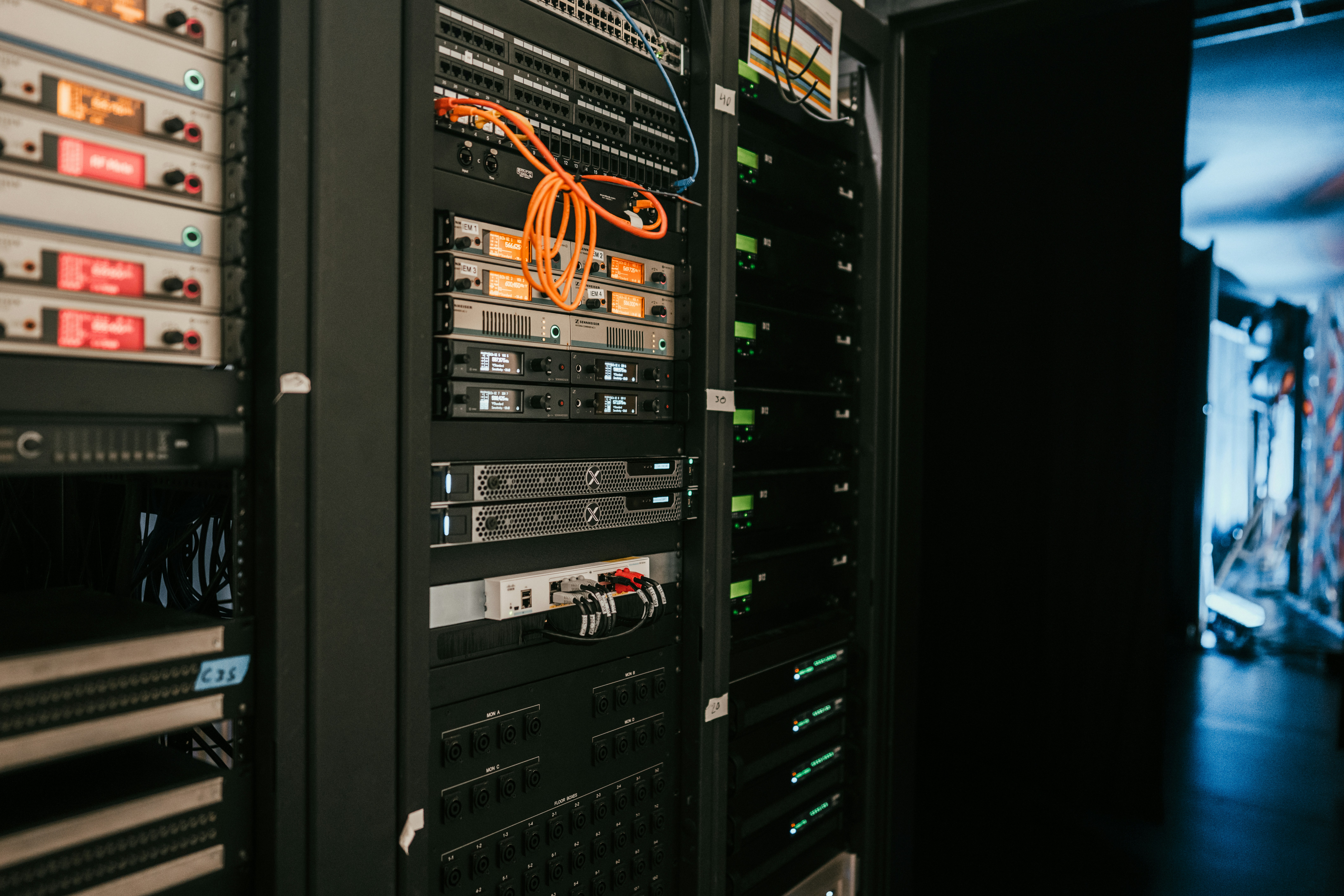
Introduction to Navi Mumbai’s Data Center Landscape
The data center industry in Navi Mumbai has witnessed significant growth over recent years, establishing itself as a critical component of India’s digital infrastructure. This region has become increasingly important as businesses and consumers alike rely on digital services for daily operations and communication. The burgeoning demand for data storage, processing capacity, and networking solutions has driven this industry’s expansion, making it a vital player in enhancing operational efficiency and connectivity in the realm of information technology.
Navi Mumbai’s strategic location adjacent to Mumbai, a well-known commercial hub, significantly contributes to its appeal as a prime location for data centers. The city’s connectivity through extensive road networks, railways, and waterways ensures that it can effectively support the telecommunications and data demands of both local and multinational businesses. Furthermore, the increasing reliance on cloud computing and digital services, propelled by the ongoing initiatives for digital transformation throughout the country, has catalyzed the establishment of more data centers in this area.
Several factors fuel the demand for data centers in Navi Mumbai, including the incessant growth of e-commerce, the rise in online services, and the Internet of Things (IoT) proliferation. With businesses striving to leverage data analytics, customer relationship management tools, and scalable IT infrastructures, the need for robust data centers equipped with advanced technologies and compliance standards becomes paramount. Additionally, governmental policies favoring investment in digital infrastructure further enhance the appeal of the data center market in Navi Mumbai, indicating a healthy outlook for future growth.
As we look ahead to 2027, the convergence of technological advancements and infrastructural investments signals a promising trajectory for Navi Mumbai’s data center landscape. This growth trend will not only cater to regional demands but also positions Navi Mumbai as a key player on the global digital stage.
Understanding Data Center Demand and Supply Dynamics
The demand for data centers in Navi Mumbai is experiencing significant growth, reflecting the rapid advancements in technology and digital infrastructure needs. With the projected demand reaching 800 MW, it is essential to understand the various factors contributing to this increase. Major drivers include the surge in cloud computing, the rise of artificial intelligence, and the expanding scope of big data analytics.
Cloud computing has fundamentally transformed how organizations manage their data and applications. As more businesses shift to cloud-based solutions, the requirement for robust data center facilities intensifies. This trend not only enhances operational efficiency but also demands advanced infrastructure to support high availability and reliability. Furthermore, the proliferation of AI technologies necessitates processing capabilities far beyond traditional systems, contributing to the escalating power demand.
Moreover, big data analytics is increasingly adopted across industries to glean insights from vast amounts of data, driving the requirement for high-capacity and efficient data centers. As companies strive to leverage the power of data for competitive advantage, their dependence on scalable and secure data storage solutions continues to grow. This evolving landscape directly influences the infrastructure requirements, prompting facilities in Airoli and adjacent areas to adapt systematically.
Additionally, factors such as geographical advantages, tax incentives, and the availability of reliable power sources play a critical role in shaping the supply dynamics of data centers in Navi Mumbai. Airoli’s strategic location enhances connectivity and access to essential resources, making it an attractive destination for data center investments. As the market continues to evolve, understanding these demand and supply dynamics will be crucial for stakeholders looking to navigate the future of data infrastructure.
The Role of AI in Data Center Operations
Artificial intelligence (AI) is progressively becoming a pivotal component in the optimization of data center operations, significantly impacting various aspects such as efficiency, power management, cooling systems, and security protocols. In the context of the Airoli region, which is anticipated to experience considerable growth in data center demand by 2027, the integration of AI technologies promises to streamline operations and enhance service delivery.
One primary area where AI demonstrates its effectiveness is in power management. Data centers demand large amounts of energy, and through AI-driven algorithms, operators can analyze energy consumption patterns and detect anomalies. This allows for predictive power management, ensuring that resources are used more efficiently. By forecasting peak usage times, AI can implement dynamic load balancing strategies that optimize energy consumption while minimizing costs.
Moreover, AI is vital in regulating cooling systems, which are crucial for maintaining optimal operating temperatures in data centers. Traditional cooling methods often lead to overcooling, which can result in unnecessary energy expenditure. AI can learn from real-time temperature data and adjust cooling parameters automatically, thereby enhancing cooling efficiency while reducing environmental impact. This not only conserves energy but also prolongs the lifespan of the hardware.
Security protocols also benefit significantly from AI integration. With rising cybersecurity threats, AI can bolster data security through advanced anomaly detection systems that monitor network traffic and user behavior in real-time. By identifying unusual patterns and potential security breaches, AI enables quicker responses to threats, thus safeguarding sensitive information.
In summary, the role of AI in data center operations extends beyond mere automation; it encompasses a comprehensive rethinking of how data centers can operate more efficiently, effectively, and securely. With Airoli positioned for substantial growth, leveraging AI technologies will be crucial in meeting the increasing demands and ensuring sustainable data center operations.
Technological Advancements Driving Growth
The growth of data centers in Navi Mumbai, particularly in Airoli, is significantly driven by various technological advancements. Innovations in hardware, such as ultra-efficient servers and advanced storage solutions, have fundamentally transformed the landscape of data center infrastructure. These efficient servers not only enable higher processing capabilities but also contribute to reductions in energy consumption, which is critical as the demand for data services continues to surge. As companies ramp up their cloud offerings, data centers must adapt to these new hardware requirements.
Additionally, software advancements play a crucial role in optimizing data center operations. Modern data centers now incorporate sophisticated management software that leverages artificial intelligence (AI) and machine learning (ML) to enhance operational efficiency. These technologies enable predictive maintenance, real-time monitoring, and efficient resource allocation, ensuring that data centers can meet the increasing capacity demands of their clients. With AI-driven analytics, operators can optimize workloads, ensuring that their infrastructure remains responsive and capable of handling sudden spikes in demand.
Network designs have also witnessed significant innovation. The implementation of software-defined networking (SDN) provides remarkable flexibility in managing network resources. By decoupling the network control from the physical hardware, SDN allows for more dynamic and scalable network architectures, essential for meeting the needs of modern data traffic. This adaptability is crucial as data centers prepare for the anticipated 800 MW demand in Airoli by 2027.
As these technological advancements converge, they not only enhance the operational efficiency of data centers but also position Navi Mumbai’s data infrastructure for the future. It is evident that embracing these innovations will be essential for data centers to thrive in an increasingly data-driven world.
Airoli as a Strategic Location for Data Centers
Airoli, a prominent area within Navi Mumbai, presents several strategic advantages that make it an ideal location for data centers. Firstly, the geographical positioning of Airoli is exceptionally favorable; it is situated near the Thane creek, providing a natural buffer against flooding while minimizing the risk associated with environmental factors. This geographical advantage is crucial for data centers, which require stable and secure locations to support their operations.
Additionally, Airoli boasts proximity to major connectivity routes, including the Mumbai-Pune Expressway, the Eastern Freeway, and the upcoming Trans Harbour Link. These routes not only facilitate easy access to the metropolitan area but also offer seamless connectivity for the transport of data and equipment. Having a strategically located data center can significantly reduce latency, enhance operational efficiency, and improve overall service delivery for businesses relying on cloud and IT services.
Furthermore, the availability of land is another pivotal factor in making Airoli an attractive option for data center establishments. Compared with other urban locations, Airoli provides relatively affordable land options, enabling organizations to invest in larger facilities. This availability is complemented by the Navi Mumbai Development Planning Authority’s efforts to promote industrial growth, which further enhances Airoli’s appeal.
Government incentives, including tax breaks and infrastructure subsidies for establishing data centers, contribute significantly to the overall business environment in Navi Mumbai. By offering these incentives, the local government is actively encouraging investments in technology and infrastructure development. As companies increasingly seek operational efficiency and strategic growth, Airoli’s combination of geographical benefits, connectivity, land availability, and supportive government policies positions it as a prime candidate for future data center expansions.
Environmental Considerations in Data Center Development
The rapid expansion of data centers, particularly in regions like Navi Mumbai, presents significant environmental challenges that require urgent attention. A primary concern is the high energy consumption associated with data center operations. According to estimates, data centers account for roughly 2% of global electricity use, a figure expected to grow if sustainable practices are not adopted. Consequently, ensuring that these facilities operate efficiently is paramount.
To address energy consumption, data center operators can deploy advanced cooling technologies that reduce the need for power-intensive air conditioning systems. For instance, using evaporative cooling or liquid cooling systems can significantly lower energy demands while maintaining optimal performance levels. Implementing high-efficiency power supplies is another critical measure that can minimize energy waste.
In addition to optimizing energy use, data centers must also comply with stringent environmental regulations that various jurisdictions enforce. These regulations often focus on reducing greenhouse gas emissions and promoting renewable energy sources. By adhering to these standards, operators not only mitigate their environmental impact but also enhance their reputation in an increasingly eco-conscious market.
Furthermore, the use of renewable energy sources, such as solar and wind power, can greatly contribute to minimizing the carbon footprint of data centers. Initiatives like installing solar panels on-site or purchasing renewable energy certificates can enhance sustainability. Additionally, adopting practices such as e-waste recycling and water conservation strategies can further improve environmental outcomes.
Overall, the path to sustainable data center development lies in the collective efforts of operators to implement energy-efficient technologies, adhere to environmental regulations, and embrace renewable energy solutions. Through these initiatives, the industry can reduce its ecological impact and pave the way for a greener future.
Government Policies and Support for Data Centers
The growth of data centers in Navi Mumbai, particularly in areas like Airoli, is significantly influenced by government policies and regulatory frameworks. Both local and federal authorities have recognized the critical role of data infrastructure in enhancing economic productivity and are actively pursuing initiatives to attract investment. This strategic focus on data centers not only addresses the increasing demand for digital services but also aims to transform Navi Mumbai into a key player in the global digital economy.
One of the main government initiatives is the “Digital India” campaign, which aims to improve online infrastructure and connectivity across urban and rural areas. Under this program, there are several incentives, such as tax breaks, land subsidies, and streamlined permission processes, specifically tailored for data center investments. These measures are designed to lower operational costs for data center operators and enhance the overall feasibility of establishing new facilities in the region.
Furthermore, the local government has developed a policy framework to ensure that data centers are equipped with sufficient energy supplies and robust infrastructural support, including high-speed internet and logistical networks. This infrastructure development is crucial as it directly correlates with the operational efficiency of data centers and their ability to support various sectors, such as AI and cloud computing. With AI infrastructure projected to climb by 2027, supportive government policies can provide a substantial boost to this growth trajectory.
Additionally, collaboration between the private sector and government institutions promotes innovation and sustainable practices within data centers. The regulatory landscape encourages the adoption of green technologies, aligning with global sustainability goals. This not only enhances the environmental profile of data centers but also attracts investors looking for eco-friendly opportunities. In summary, the government policies and support mechanisms play a vital role in establishing a conducive environment for the expansion of data centers in Navi Mumbai.
Future Projections for the Navi Mumbai Data Center Market
The Navi Mumbai data center market is poised for substantial growth leading up to 2027, driven by increasing demand for cloud services, digital transformation initiatives, and the proliferation of data-driven technologies. As businesses continue to migrate towards cloud-based solutions, the need for robust data center infrastructure becomes more critical. Airoli, as a prominent hub within Navi Mumbai, is expected to emerge as a significant player in this evolving landscape.
According to various industry reports, the Navi Mumbai data center sector might witness a compound annual growth rate (CAGR) of around 15-20%. This growth can be attributed to several key factors including the rising adoption of Internet of Things (IoT) devices, artificial intelligence (AI) applications, and the demand for enhanced data storage solutions. Furthermore, as organizations increasingly rely on real-time analytics to drive business decisions, the requirement for low-latency data processing will necessitate an expansion of local data center facilities.
Experts predict a trend towards sustainability within the data center market. By 2027, it is likely that we will see more facilities adopting green technologies to reduce carbon footprints and optimize energy consumption. The implementation of renewable energy sources and efficient cooling technologies will play crucial roles in this transition. Additionally, advancements in AI and machine learning could enhance data center operations, enabling predictive maintenance and smarter resource allocation.
The economic impact of the Navi Mumbai data center sector cannot be understated. The anticipated growth will likely lead to job creation, boosting the local economy and attracting further investment in related industries. As Airoli solidifies its position as a key technology hub, the synergy between academic institutions, local government, and private enterprises will be instrumental in optimizing growth across the ecosystem.
Conclusion: Preparing for the Data Center Revolution in Airoli
As we look ahead to 2027, it is evident that the demand for data centers in Navi Mumbai, particularly in Airoli, is poised for significant growth. This escalation is driven by an array of factors, including increased internet consumption, the rise of artificial intelligence, and the burgeoning need for seamless connectivity across industries. Stakeholders must recognize these trends and prepare vigorously for the impending data center revolution.
For businesses, adapting to this shift involves not only embracing cloud technologies but also investing in advanced data management and processing capabilities. Collaborations between local enterprises and data center providers will be vital in aligning technological advancements with business strategies.
Government agencies, too, play a critical role in this transformation. They must establish a conducive regulatory framework that fosters innovation while ensuring security and environmental sustainability. Encouragement of public-private partnerships could catalyze investment and enhance infrastructure development, making Airoli a strategic hub for data centers.
Furthermore, technology providers must remain agile, offering scalable and efficient solutions to meet the surging digital demands. The integration of green technologies and practices will not only bolster their offerings but also align with global sustainability objectives. Developing a robust digital infrastructure is essential to support the evolving requirements of various sectors, from finance and healthcare to entertainment and e-commerce.
In conclusion, navigating the upcoming data center revolution in Airoli necessitates collaborative efforts from various stakeholders. By pooling resources, sharing insights, and committing to investment, Navi Mumbai can position itself as a leading data center destination in the region, ultimately fostering economic growth and technological advancement.