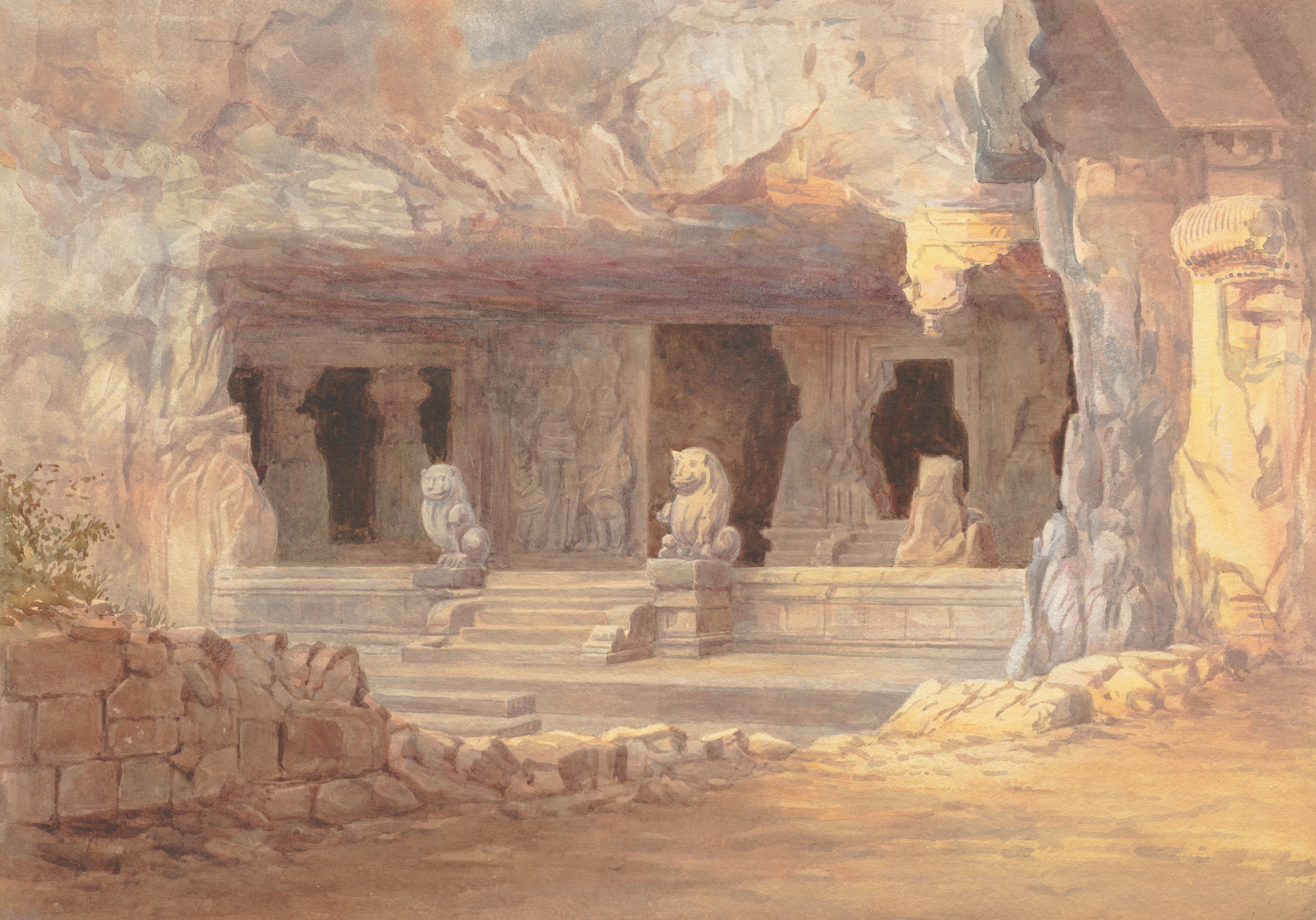
Introduction to Elephanta Caves
The Elephanta Caves, located on Elephanta Island off the coast of Mumbai, are a prominent archaeological site renowned for their exquisite rock-cut sculptures that date back to the 5th to 8th centuries. This UNESCO World Heritage site is celebrated for its extraordinary artistry and intricate carvings, which primarily depict Hindu deities, with a significant emphasis on Lord Shiva. These caves not only showcase remarkable craftsmanship but also serve as a vital glimpse into India’s ancient history and religious practices.
Situated approximately eleven kilometers from the bustling city of Mumbai, Elephanta Island is accessible via a short ferry ride, making it an ideal excursion for tourists seeking a mix of natural beauty and cultural exploration. The caves are divided into two sections: Hindu caves, which are more prominent, and Buddhist caves, reflecting the diverse religious landscape of the area. Among the highlights is the large sculpture of Trimurti, a magnificent representation of a three-headed Shiva, which exemplifies the artistic skill and spiritual depth associated with the region.
Tourists flock to Elephanta Caves not only for their historical and cultural significance but also for the serene environment that surrounds them. The lush greenery of Elephanta Island, combined with the grandeur of the sculptures, offers a unique atmosphere that encourages reflection and admiration. Visitors can experience guided tours that delve into the historical context and religious significance of the sculptures, enhancing their understanding of this remarkable site. Overall, the Elephanta Caves present a quintessential experience for both history enthusiasts and casual visitors in Navi Mumbai, making them a must-visit destination in the region.
Getting to Elephanta Caves
Reaching the Elephanta Caves, a UNESCO World Heritage Site located on Elephanta Island, is a straightforward process for tourists starting from Navi Mumbai. The island, known for its stunning rock-cut sculptures and breathtaking landscapes, is accessible primarily by ferry, which offers a scenic journey across the Arabian Sea.
Ferries depart from the Gateway of India in Mumbai, one of the most popular departure points. Tourists can expect a travel time of approximately 45 minutes to an hour. Ferries typically run every 30 to 60 minutes, depending on the time of year and demand. It is advisable for visitors to check the ferry schedule in advance, especially during peak tourist seasons or monsoons when timings may be affected.
On arriving at Elephanta Island, tourists can explore the caves after purchasing an entrance ticket. The ticket prices are quite affordable, with a nominal fee for Indian nationals and a slightly higher rate for foreign tourists. As of the latest updates, the ticket prices are around ₹40 for Indian citizens and ₹600 for foreign visitors. This fee helps in the maintenance and preservation of the site.
For a comfortable journey, tourists should consider traveling in the morning when the weather is cooler. It is also recommended to wear comfortable shoes as exploring the caves involves climbing a series of steps. Once on the island, visitors will find a variety of amenities including food stalls and rest areas. The journey to the Elephanta Caves not only promises a rich cultural experience but also offers picturesque views that make it all worthwhile.
The Marvels of 3D Graphics in the Elephanta Caves Experience
The Elephanta Caves, a UNESCO World Heritage Site, boast ancient rock-cut sculptures that echo centuries of artistry and spirituality. To truly appreciate these historical marvels, modern technology, specifically artificial intelligence and 3D graphics, is now employed to enhance the visitor experience significantly. By utilizing cutting-edge augmented reality (AR), tourists can engage with the caves in transformative ways that bring art and history to life.
Through advanced 3D graphics, visitors are offered immersive visualizations that accurately reconstruct the original splendor of the sculptures and surrounding environments. These high-resolution recreations provide a glimpse into how these ancient artworks may have appeared at the height of their cultural significance. The experience is not merely about observation; AR allows for interactive learning, where visitors can point their devices at specific carvings to receive instant information about their historical context, significance, and the intricacies of their craftsmanship.
Additionally, the integration of soundscapes and narrative elements enriches the journey through the Elephanta Caves. As tourists move through the site, they can experience audio guides that are synchronized with their surroundings. For instance, as one approaches the Great Cave, which houses the iconic Trimurti statue, visitors can hear a voice describing the legends associated with this deity, further deepening their appreciation of the artwork.
The marriage of 3D graphics and artificial intelligence within this context does not merely recreate the past; it allows for a personalized exploration of cultural heritage. Tourists can curate their journey, choosing what to focus on, which enhances their overall experience at the Elephanta Caves. Overall, these technological innovations are shaping a more engaging and informative interaction with one of India’s most remarkable historical sites.
AR Technologies in Heritage Tourism
Augmented Reality (AR) technologies have progressively found their niche within the heritage tourism sector, amplifying the way tourists perceive and engage with cultural landmarks. By seamlessly blending digital information with the real world, AR enriches visitors’ experiences, enabling a deeper understanding of historical narratives and artistic expressions. The application of AR at heritage sites not only captivates attention but also enhances educational opportunities, making cultural heritage accessible to a diverse audience.
Several renowned heritage sites globally have successfully integrated AR technologies into their visitor experiences. For instance, the Colosseum in Rome features an AR application that allows tourists to view virtual gladiators battling in the arena, thereby providing a glimpse into its glorious past. Likewise, The Louvre Museum in Paris incorporates AR tools that help visitors explore famous artworks in interactive formats, offering additional context and historical significance that traditional brochures might overlook. These examples highlight the transformative potential of AR in presenting historical content in an engaging manner.
The primary benefits of utilizing AR in heritage tourism are multifaceted. Firstly, it captivates younger audiences who are often inclined toward technology, thereby making learning about culture more appealing. Secondly, it enhances visitor engagement by offering personalized experiences that can cater to individual interests. Furthermore, AR can bridge language barriers, as tourists can access information in multiple languages, ensuring inclusivity. By fostering a dynamic interaction between the visitor and the cultural site, AR technologies play an indispensable role in elevating the appreciation of heritage. As a result, tourists leave with meaningful connections to histories and traditions that might otherwise remain unexplored.
Guided Tours and AR Experiences
The Elephanta Caves, a UNESCO World Heritage Site, offer a breathtaking glimpse into ancient Indian rock-cut architecture, with intricate sculptures and rich historical narratives. Guided tours have become a favored option for tourists seeking to enrich their visit, particularly as many operators now integrate Augmented Reality (AR) experiences. These tours not only provide contextual insights but also engage visitors in an interactive exploration of the caves.
Several operators in Navi Mumbai offer diverse tour packages that include AR technology, enriching the traditional guided experience. For instance, companies such as “Explore Mumbai Tours” and “Viva India” provide professional guides who utilize AR-enabled devices, bringing the magnificent artwork of the caves to life. Through these applications, tourists can view virtual overlays of the sculptures and gain deeper insights into their historical significance, enhancing their overall understanding of the site.
In addition to traditional guided tours, there are various mobile applications available that serve as interactive audio guides. These apps empower visitors to engage in self-guided tours at their own pace, providing detailed narratives and interactive 3D visuals of the cave carvings. For example, the “Elephanta AR” app allows users to point their devices at specific carvings, instantly revealing detailed descriptions and historical context. Such functionalities not only foster a greater appreciation for the artistic achievements but also encourage educational exploration.
Moreover, these AR experiences have the potential to cater to a wide audience. Families, history enthusiasts, and even school groups can benefit from the enriched learning environment that these technologies create, making visits to the Elephanta Caves more memorable. Thus, integrating guided tours with AR experiences significantly enhances the understanding and enjoyment of the caves’ remarkable artwork, solidifying Elephanta Caves as not just a destination but an immersive historical journey.
Features of Elephanta Caves
The Elephanta Caves, a UNESCO World Heritage Site located on Elephanta Island near Mumbai, are renowned for their rock-cut sculptures that reflect the artistic and cultural heritage of ancient India. These caves, believed to date back to the 5th to 8th centuries, are primarily dedicated to Shiva, the Hindu god, and showcase intricate carvings that are a testament to the craftsmanship of their creators.
The site comprises two groups of caves: Hindu and Buddhist. Among these, the most notable caves include Cave 1, the main cave adorned with stunning sculptures and a vast courtyard. This cave features the iconic Trimurti, a monumental sculpture of a three-headed figure representing three aspects of Shiva—Brahma (the creator), Vishnu (the preserver), and Shiva (the destroyer). The artistic significance of the Trimurti lies not only in its colossal size, approximately 20 feet tall, but also in its symbolism of the Hindu pantheon and the philosophical ideals prevalent during that era.
In addition to the Trimurti, several other notable carvings warrant attention, such as the Ardhanareshvara, depicting Shiva and Parvati as a single entity, which embodies the union of opposites. The cave also features numerous sculptures of deities, celestial beings, and mythological narratives, all meticulously carved into the rock. Inscriptions found within the caves offer insights into the socio-cultural context, hinting at the patronage enjoyed by the artists from local royalty.
Overall, the Elephanta Caves provide a remarkable glimpse into the religious fervor and artistic expression of ancient India, making them a vital part of India’s cultural heritage and an essential stop for tourists visiting Navi Mumbai.
The Cultural and Spiritual Relevance of the Caves
The Elephanta Caves represent a significant cultural and spiritual site that embodies the artistic and religious heritage of India. Located on Elephanta Island, these caves date back to between the 5th and 8th centuries and are renowned for their rock-cut sculptures that depict various deities, chiefly Lord Shiva. The intricate carvings not only illustrate the extraordinary craftsmanship of ancient artisans but also reflect the syncretic blend of spirituality and art that ancient Indian culture celebrated.
The caves are particularly important to the local community, with many residents partaking in rituals and festivals aimed at honoring the divine figures represented in the sculptures. Various festivals associated with Lord Shiva, such as Maha Shivaratri, see a surge of devotees who visit the caves to participate in communal prayers and gatherings. These events reinforce the caves’ role as a spiritual sanctuary, promoting a sense of unity among worshippers and visitors alike. The interactions during these festivals nurture a vibrant cultural landscape that attracts tourists seeking both spiritual enrichment and historical insight.
Moreover, the Elephanta Caves serve as a vital repository of Indian mythology. They offer glimpses into the stories that have shaped the cultural ethos of the region. The primary deity, the Trimurti — a colossal representation of three aspects of Lord Shiva — symbolizes the ultimate reality in Hinduism, further emphasizing the caves’ significance as a spiritual focal point. The enduring legacy of the Elephanta Caves illustrates how sacred spaces can transcend time, becoming metaphors for devotion, creativity, and community cohesion. Their importance is reflected in the increasing interest from scholars, tourists, and spiritual seekers who visit to experience the unique blend of history, culture, and spirituality that the caves encapsulate.
Tips for Tourists Visiting Elephanta Caves
For those planning a trip to the Elephanta Caves, located a short ferry ride from the bustling city of Mumbai, various practical considerations can enhance your experience. The first aspect to take into account is what to bring. Visitors are advised to carry ample water, light snacks, and sun protection, such as hats and sunscreen, to ensure comfort during exploration. The caves can be quite humid, so breathable clothing is recommended. Additionally, sturdy footwear is essential due to the uneven terrain and numerous steps leading to the caves.
The best time to visit the Elephanta Caves is during the cooler months, from October to March, when the weather is more pleasant for outdoor activities. Arriving early in the day can also help you avoid crowds and allow more time to appreciate the intricate sculptures and carvings that depict Hindu deities.
Being mindful of local customs is another crucial aspect for tourists. Respect for the sacred nature of the site is paramount. Visitors should dress modestly, removing shoes before entering certain areas, and maintaining silence while in place to honor the spiritual significance of the caves. Photography is often permitted but be sure to ask about restrictions in specific areas where it may be prohibited.
Safety precautions should also be top of mind. The ferry ride to the island is an enjoyable experience, but travelers should follow safety guidelines provided by operators and remain vigilant during their crossing. While exploring, it’s wise to keep an eye on personal belongings and be aware of your surroundings, as large crowds can sometimes lead to pickpocketing. Employing these practical tips will help ensure a smooth visit to the Elephanta Caves and allow you to fully enjoy this UNESCO World Heritage site.
Conclusion and Future of AR at Elephanta Caves
The Elephanta Caves, with their impressive rock-cut sculptures and rich historical significance, stand as an exceptional cultural landmark in Navi Mumbai. These caves not only embody the artistic prowess of ancient Indian civilization but are also a symbol of the cultural heritage that attracts thousands of visitors annually. As tourism continues to evolve, the integration of Augmented Reality (AR) technology presents a transformative opportunity to enhance the visitor experience at these iconic sites.
AR applications can provide visitors with immersive narratives, allowing them to visualize historical events and understand the cultural context of the carvings in ways that traditional methods often fall short. By superimposing digital information onto the physical environment, AR can engage tourists on a deeper level, fostering a connection between past and present. This technological adoption will likely result in more informative and engaging tours, thereby increasing visitor satisfaction and educational value.
Looking towards the future, one can foresee several potential developments for AR at the Elephanta Caves. Collaborations between heritage organizations and technology developers could lead to the creation of interactive apps that enhance self-guided tours. These could include features such as animated historical figures narrating the stories behind the sculptures, timed events that dramatize significant moments in history, or interactive games that educate visitors about the art and architecture.
Moreover, utilizing AR technology will not only beautify the experience for visitors but also contribute to the preservation of the Elephanta Caves. By creating digital replicas of the sculptures and documenting their condition, conservation efforts could be supported in real-time, ensuring that this cultural heritage remains intact for future generations to admire. In essence, the embracing of AR at Elephanta Caves represents a significant step forward in the fusion of culture and technology, enhancing understanding and appreciation of our shared history.