Introduction to Mumbai’s 2035 Vision
The concept of a utopian Mumbai in 2035 embodies a dynamic vision for the future of one of the world’s most populous cities. Envisioning a Mumbai where artificial intelligence (AI) plays a pivotal role creates an enticing prospect for addressing some of the city’s most pressing challenges. Presently, Mumbai faces significant issues such as traffic congestion, water scarcity, and inadequate healthcare, which have a profound impact on the quality of life for millions of its inhabitants.
As the commercial and financial hub of India, Mumbai is characterized by its rich cultural diversity and vibrant economy. However, this same vibrancy has led to specific urban issues that necessitate innovative solutions. Traffic congestion is a persistent headache, with rising population density leading to increased vehicular congestion on the roads. Likewise, the city grapples with water scarcity, given its vast population and the supplementary demand placed on its water resources from both residential and commercial sectors. Furthermore, healthcare accessibility remains a challenge, as healthcare facilities often struggle to serve the vast urban population amidst resources stretched thin.
In light of these complications, the vision for a Utopian Mumbai in 2035 emphasizes the potential of AI to revolutionize urban management. By tapping into AI technologies, the city can optimize traffic flow, enhance water distribution efficiency, and improve healthcare delivery systems. The aim is to create an intelligent infrastructure that learns from real-time data, supports sustainable practices, and elevates the overall living conditions for its residents. This foresight presents a roadmap for developing a city that is not only efficient but also resilient, adapting to the challenges of urbanization.
Current Challenges: Traffic and Congestion in Mumbai
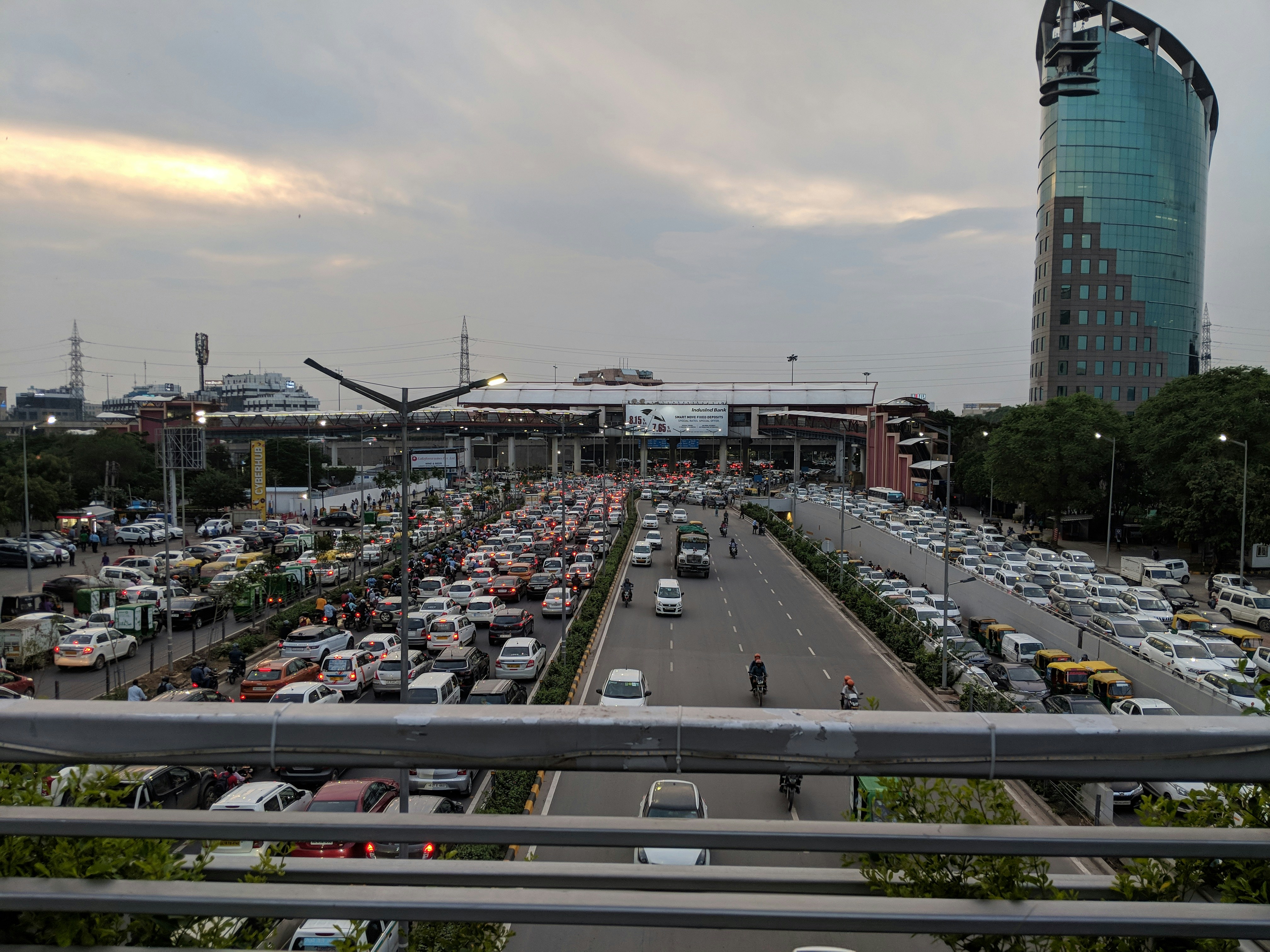
Mumbai, one of the most densely populated cities in the world, faces significant traffic and congestion issues that profoundly affect daily life and the urban environment. The city’s extensive road network is often gridlocked, with an estimated 4.5 million vehicles on the roads, leading to an average travel speed of around 18 km/h during peak hours. This sluggish pace results in increased commuting times, with many residents spending over two hours in transit daily.
In addition to the personal toll on commuters, these traffic woes have economic ramifications. A report from the Mumbai Traffic Police indicates that congestion costs the economy approximately ₹60,000 crore annually, an amount that could otherwise be invested in infrastructure and public services. Moreover, the environmental impact is equally concerning; vehicle emissions contribute significantly to air pollution, which is linked to numerous health issues and reduced quality of life for residents.
Anecdotal evidence, such as commuters reporting frustration and stress during their daily commutes, illustrates the personal dimensions of these traffic challenges. Case studies reveal that the problem is exacerbated during the monsoon season, when flooding can further hinder mobility and lead to extended delays. The lack of efficient public transport options, which could alleviate reliance on personal vehicles, intensifies the situation.
Key reasons for traffic congestion include rapid urbanization, inadequate infrastructure development, and a predominance of private car usage. Traffic bottlenecks are common at major junctions and areas surrounding places of employment and education. These systemic issues underscore the urgent need for innovative solutions that incorporate technology and strategic urban planning to tackle Mumbai’s traffic and congestion challenges effectively.
Artificial Intelligence: A Solution for Traffic Management
As urbanization accelerates, traffic congestion has emerged as one of the foremost challenges for mega-cities like Mumbai. In this context, Artificial Intelligence (AI) presents a transformative solution for traffic management. Smart traffic systems powered by AI analyze real-time data to optimize traffic signal timings, thereby reducing vehicular delays and enhancing traffic flow. By utilizing machine learning algorithms, these systems can predict peak traffic hours and adapt signals accordingly, leading to a more efficient utilization of road networks.
AI-based route planning tools also play a crucial role in managing traffic congestion. These applications aggregate information from various sources, such as GPS devices, and assess multiple route options. By recommending the most efficient paths to drivers, they not only help in avoiding congested areas but also distribute traffic more evenly across the urban infrastructure. Furthermore, vehicle tracking solutions enabled by AI help in real-time monitoring of transportation fleets, allowing for timely interventions and route adjustments based on current traffic conditions.
Several cities worldwide provide successful case studies for AI integration in traffic management. For instance, Barcelona has implemented an intelligent traffic management system that employs AI to adjust traffic signals dynamically based on real-time data. This initiative has reportedly reduced travel times by up to 20%. Similarly, Singapore’s traffic management infrastructure leverages AI for predictive analytics, leading to significant improvements in traffic conditions. These examples underscore the potential of AI as a vital tool for enhancing mobility in urban environments.
In conclusion, the deployment of AI technologies in traffic management holds the promise of alleviating congestion challenges in cities like Mumbai. With intelligent systems capable of optimizing signal timings, planning efficient routes, and monitoring vehicles, AI can fundamentally reshape urban transit and ensure a smoother movement for residents.
Water Scarcity: The Crisis at Hand
Mumbai, a bustling metropolis and one of the most populous cities in India, is grappling with an alarming water scarcity issue. The situation has become increasingly critical due to several interrelated factors, including rapid population growth, inadequate infrastructure, and the effects of climate change. As Mumbai’s population continues to swell, the demand for water has surged, exacerbating the already strained water supply system.
The city’s water supply relies heavily on monsoon rains. Unfortunately, erratic rainfall patterns due to climate change have led to inconsistent water availability, resulting in significant shortages during dry months. Furthermore, the existing infrastructure struggles to distribute water efficiently across various neighborhoods, with many communities experiencing chronic under-supply. This systemic inefficiency not only affects daily life but also hampers economic activities, as businesses and industries depend on reliable water access for operations.
The implications of water scarcity are profound, impacting both residents and businesses alike. For households, limited water access can result in health hazards, poor sanitation, and lower quality of life. Residents often resort to purchasing costly water from private suppliers, which further strains their budgets and exacerbates socio-economic disparities within the city. Businesses, particularly those in manufacturing and hospitality, face similar challenges as they grapple with heightened operational costs and diminished productivity due to intermittent water access.
In summary, Mumbai’s water scarcity crisis is a complex problem rooted in population growth, inadequate infrastructure, and climate variability. Addressing these challenges is crucial not only for preserving public health but also for sustaining the city’s economic resilience and overall quality of life for its residents.
AI-Powered Solutions for Water Management
As urban areas continue to grow, efficient water management becomes increasingly critical, particularly in a densely populated city like Mumbai. Leveraging artificial intelligence (AI) offers innovative solutions to address water scarcity and inefficiency. One such solution is through predictive analytics, which facilitates accurate water demand forecasting. By analyzing historical water usage patterns, weather data, and population growth projections, AI algorithms can predict future water demands with remarkable precision. This foresight enables water resource managers to make informed decisions about reservoir levels, distribution, and infrastructure investment, ensuring that supply aligns with the evolving needs of both residential and commercial users.
Another vital aspect of AI in water management is its application in leak detection and maintenance. Traditional methods often rely on manual inspections, which can be time-consuming and prone to human error. However, by deploying advanced sensors equipped with AI capabilities, municipalities can continuously monitor water distribution systems in real-time. These systems can rapidly identify leaks through anomalies in flow rates or pressure, minimizing water loss and reducing the costs associated with extensive repairs. Moreover, integrating AI with geospatial data allows for proactive maintenance scheduling, further extending the lifespan of existing infrastructure.
Additionally, smart irrigation systems powered by AI contribute significantly to water conservation efforts. These systems utilize data from soil moisture sensors, weather forecasts, and evapotranspiration rates to optimize irrigation schedules. By delivering the right amount of water at the right time, these smart systems not only enhance agricultural productivity but also significantly reduce water waste. Implementing such AI-driven solutions in Mumbai can lead to more sustainable water usage, ensuring that water resources are used efficiently and responsibly, ultimately contributing to a more resilient urban environment.
Healthcare Challenges in Mumbai
Mumbai, being one of the largest urban centers in India, grapples with significant healthcare challenges that affect its diverse population. The city is home to over 20 million people, and the healthcare infrastructure often struggles to keep pace with this rapid urbanization. Accessibility remains a foremost issue, as many residents do not have adequate access to essential healthcare services. Public healthcare facilities are frequently overburdened, leading to long wait times and reduced quality of care.
The strain on healthcare facilities can be attributed to various factors, including an increased patient load, lack of adequate funding, and insufficient numbers of healthcare professionals. Many public hospitals are plagued by outdated equipment and inadequate staffing levels, making it challenging to provide proper treatment and emergency care. The scenario is further complicated for those living in low-income areas, where healthcare services may be minimal or non-existent.
Disparities in health outcomes are evident across different socio-economic groups in Mumbai. While affluent neighborhoods might boast well-equipped private hospitals, lower-income communities often rely on over-stretched public healthcare that cannot meet their needs. This inequity results in significant differences in health indicators such as maternal mortality rates, infant mortality rates, and the prevalence of chronic diseases, which are markedly higher in underserved populations.
Given these challenges, healthcare reform is paramount for enhancing the quality and accessibility of services in Mumbai. Initiatives that aim to bridge the gap between various socio-economic groups, improve facilities, and increase healthcare personnel can significantly transform health outcomes. By implementing strategic health policies and embracing innovative solutions, Mumbai can aspire to create a more equitable healthcare landscape to better serve all its residents.
Revolutionizing Healthcare with AI Technologies
The healthcare landscape in Mumbai is on the cusp of a transformative shift, driven by the integration of artificial intelligence (AI) technologies. AI has the potential to enhance healthcare delivery, making it significantly more accessible, affordable, and efficient for millions of citizens in this bustling metropolis.
One of the pivotal advancements in healthcare is the rise of telemedicine, which utilizes AI to deliver healthcare services remotely. Through telemedicine platforms, patients can consult healthcare professionals from the comfort of their homes, thereby reducing the burden on urban medical facilities. AI algorithms can streamline the appointment process, analyze patient data, and provide preliminary health assessments, ensuring a swift and convenient experience.
In addition to telemedicine, AI diagnostic tools are emerging as essential resources in healthcare. These systems leverage machine learning algorithms to analyze medical images, laboratory results, and patient histories with remarkable accuracy. For example, AI can assist in early detection of diseases such as cancer through detailed image analysis, facilitating timely interventions that can save lives. This level of accuracy not only boosts diagnostic confidence but also enhances the overall effectiveness of treatment protocols.
Furthermore, predictive analytics powered by AI enables healthcare practitioners to forecast disease outbreaks and patient admissions. By analyzing vast datasets, AI can identify trends and patterns that inform public health strategies, resource allocation, and preventative measures. This capability is crucial for densely populated areas like Mumbai, where rapid urbanization can strain existing healthcare infrastructures.
Ultimately, the incorporation of AI technologies into healthcare signifies a monumental shift towards improving health outcomes and patient experiences in Mumbai. By fostering an environment where healthcare is not only more capable but also more intuitive, AI holds the promise of a healthier future for all residents of this vibrant city.
The Role of Government and Public Policy
The successful implementation of artificial intelligence (AI) solutions in addressing Mumbai’s traffic, water, and health challenges largely hinges on the proactive involvement of the government and public policy frameworks. One of the essential requirements is the establishment of a regulatory framework that guides the ethical deployment of AI technologies. Governments must ensure that systems are in place to protect citizens’ data privacy and promote transparency in AI operations, effectively alleviating public concerns regarding surveillance and misuse of data.
Moreover, public-private partnerships are crucial in fostering innovation and enhancing the capabilities of existing infrastructures. Collaborative efforts between government bodies and technology firms can lead to the development of tailored AI solutions that specifically address the city’s unique challenges. Such partnerships can facilitate knowledge sharing and resource allocation, ultimately driving efficiency in traffic management systems, water distribution, and healthcare services.
Funding also plays a significant role in accelerating the integration of AI technologies. Governments need to allocate adequate budgets towards developing smart transportation networks, efficient water systems, and advanced healthcare analytics. This funding can be further supplemented through incentives or grants aimed at private enterprise initiatives that align with public interests. Encouraging investment in AI can stimulate economic growth while addressing pressing urban issues.
Public acceptance is another key factor that the government must consider. Through community engagement and awareness campaigns, citizens can be informed about the benefits of AI in improving their quality of life, thereby garnering public support essential for the smooth rollout of these technologies. Overall, a well-thought-out approach involving regulatory frameworks, adequate funding, and strong public-private collaboration is indispensable for the effective application of AI in Mumbai’s development plans.
Conclusion: A Vision for Utopian Mumbai
As we envision a Utopian Mumbai in 2035, the transformative potential of artificial intelligence (AI) emerges as a cornerstone for addressing the city’s most pressing challenges. The innovative applications of AI in traffic management promise to alleviate the chronic congestion that plagues the city’s roadways. Through predictive algorithms and smart traffic systems, we can foresee a Mumbai where traffic flows seamlessly, significantly enhancing mobility and reducing commute times for citizens.
Moreover, AI’s role in optimizing water management cannot be understated. By utilizing advanced data analytics and real-time monitoring technologies, we can ensure the equitable distribution of water resources across different regions of the city. This proactive approach will not only mitigate the water scarcity issues that Mumbai faces but also promote sustainability by minimizing wastage and effectively managing reserves.
Further, healthcare in Mumbai stands to benefit immensely from AI-driven innovations. From telemedicine and remote diagnostics to personalized treatment plans based on predictive analytics, the integration of AI in healthcare will improve patient outcomes and increase accessibility to vital medical services. This holistic improvement in health and wellness standards contributes to a better quality of life for all Mumbai residents.
Realizing this Utopian vision necessitates a harmonious collaboration among government bodies, technology firms, and the community. Proactive planning, along with the commitment to embrace technological advancements, will be instrumental in steering Mumbai toward a more sustainable, efficient, and equitable future. As we look towards 2035, the journey towards a smarter Mumbai must commence now, uniting efforts to transform the city’s challenges into opportunities for growth and improvement.