Introduction: A Landscape of Challenges
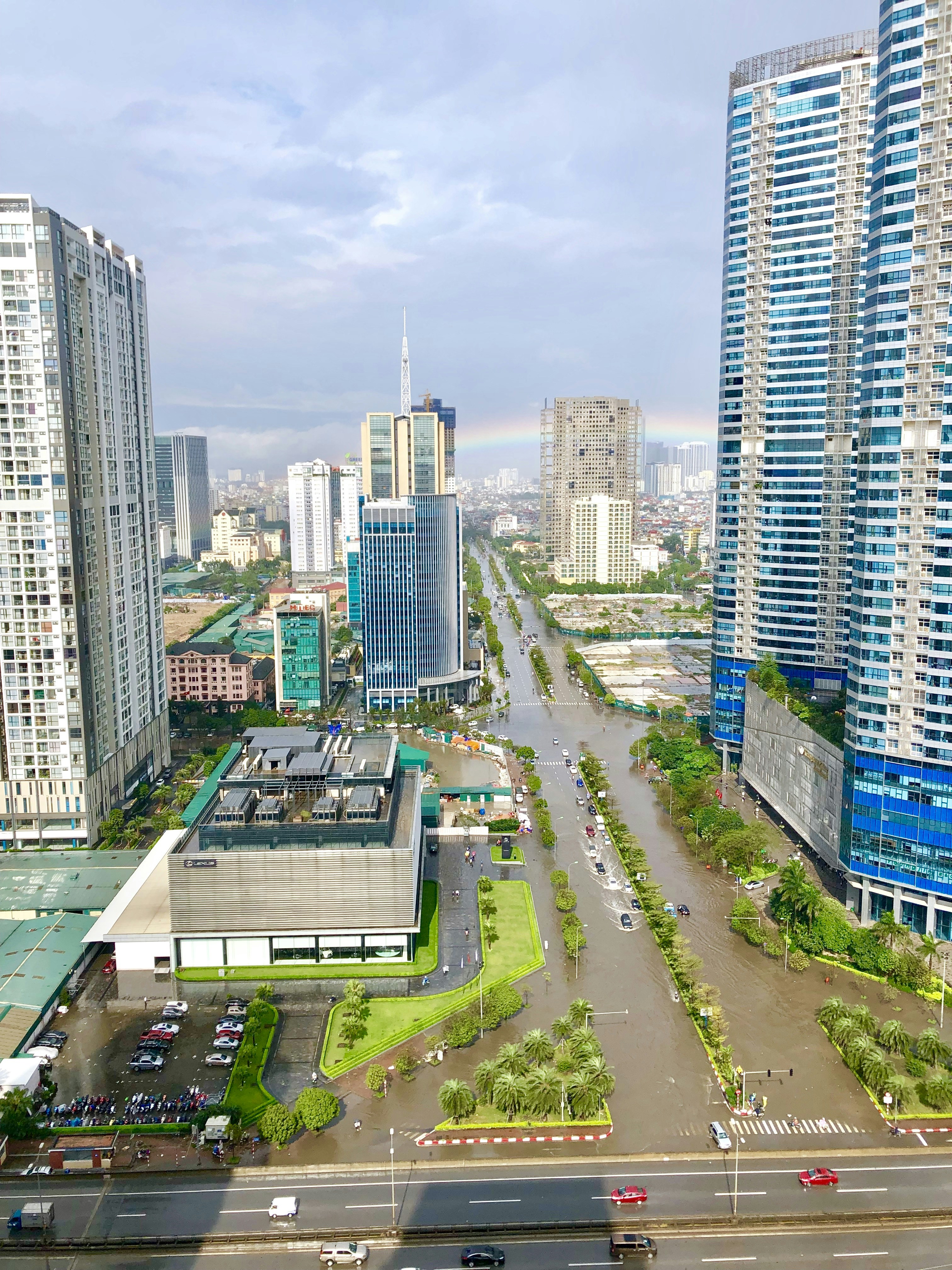
Climate change represents one of the most urgent global issues of our time, reshaping various dimensions of human life, particularly within urban environments. The City of Mumbai, characterized by its vibrant culture and dense population, exemplifies the profound impacts of climate dynamics. The coastal metropolis has been increasingly susceptible to extreme weather events, including a marked rise in the frequency and intensity of flooding. Such circumstances expose the enduring vulnerabilities of urban infrastructure and highlight the need for adaptive measures.
Recent climate trends indicate that the world has been experiencing rising temperatures that lead to erratic monsoon patterns and increased precipitation. For Mumbai, these changes manifest through torrential downpour events that overwhelm existing drainage systems, causing widespread disruption and damage. As urban landscapes continue to experience these extremes, the implications are dire, affecting not only the physical environment but also the socio-economic fabric of the city.
In addressing the recurring flood scenarios within Mumbai, it is crucial to integrate an understanding of local cultural dynamics. The city’s inhabitants possess unique knowledge and practices shaped by their historical relationship with the landscape. Community resilience—rooted in cultural identity—can significantly enhance the ability to adapt and respond to climatic challenges. Stakeholders must consider these local factors when formulating strategies aimed at mitigating flood-related risks.
As urban centers grapple with the realities of climate change, the Mumbai flood experience serves as an illustrative case in which the intersection of world models, cultural dynamics, and climate challenges can be analyzed. Understanding these complex interactions is vital for developing effective responses that not only address structural inadequacies but also empower communities to thrive amidst adversity.
Mumbai, the financial capital of India, is a bustling megacity with a population exceeding 20 million, making it one of the most populous urban areas in the world. Situated on the western coast of India, this vibrant city spans approximately 603 square kilometers, comprising a natural harbor that has historically contributed to its economic prominence. Mumbai’s geographic location is characterized by a coastal climate, with a tropical monsoon season that significantly influences rainfall patterns and water management.
The city’s demographic composition is notably diverse, with various ethnic groups, religions, and languages. This social tapestry is enriched by migrants from different parts of India and overseas, all seeking economic opportunities. However, Mumbai’s rapid urbanization and population growth have engendered sprawling informal settlements, exacerbating the challenge of providing adequate services and infrastructure to its citizens. The intersection of high population density and limited land availability places immense pressure on the city’s resources.
Socio-economic factors contribute to Mumbai’s vulnerability to climate change-related events. The disparity in income levels results in significant portions of the population, particularly in lower-income communities, lacking adequate housing and access to essential services. Poor urban planning combined with inadequate drainage systems makes parts of Mumbai susceptible to flooding, especially during the monsoon season. When heavy rains occur, the city often experiences severe waterlogging and inundation, which not only disrupts daily life but also poses risks to health and safety.
Additionally, the coastal areas of Mumbai are increasingly threatened by rising sea levels and extreme weather events, further underscoring the urgency of addressing climate change impacts. As a megacity facing unique challenges, Mumbai exemplifies how urban growth, environmental vulnerabilities, and socio-economic divisions intersect to create a complex scenario demanding comprehensive strategies for sustainable development.
The Historical Context of Floods in Mumbai
Mumbai, a sprawling metropolis on India’s western coast, has a long and challenging history with flooding. The city’s geographical attributes, combined with its rapid urbanization, have made it particularly vulnerable to flood events. One of the most significant flooding incidents occurred in July 2005, when relentless monsoon rains led to an unprecedented deluge, resulting in over 1,000 fatalities and substantial economic losses estimated at around $1.2 billion. This event highlighted systemic flaws in Mumbai’s infrastructure, underscoring inadequate drainage systems and urban planning.
Over the decades, Mumbai has experienced numerous floods attributed to the monsoon season. Historical records trace devastating floods back to the 19th century, with several instances in the early 20th century exacerbating the plight of densely populated areas. For instance, the floods of 1961 and 1989 left significant scars on the city, compelling authorities to implement various flood management strategies. However, the persistent recurrence of these floods suggests that measures taken have often been insufficient to address the underlying vulnerabilities.
The impact of flooding in Mumbai extends beyond immediate physical destruction. Socially, these floods have deepened the divide between affluent and marginalized communities, often leaving the latter in precarious situations due to inadequate housing and resources. Economically, businesses face disruptions that can take years to recover from. Additionally, the environmental degradation caused by urbanization has played a role in intensifying flood risks, as natural waterways have been obstructed and green cover diminished.
Furthermore, these flood events have prompted discussions regarding responsible urban planning and the need for sustainable solutions to mitigate future occurrences. Lessons learned from each incident are critical in informing policies that enhance resilience against such climate-induced challenges in the future. As Mumbai encounters more frequent and intense weather patterns attributed to climate change, the historical context of its flooding demonstrates the need for a proactive approach to safeguard its citizens and infrastructure.
Climate Change and Its Implications for Mumbai
Mumbai, a bustling metropolis in India, is increasingly facing the repercussions of climate change, manifesting prominently through severe flooding events. The city’s vulnerability stems from a combination of rising temperatures, altered rainfall patterns, and the escalating threat of sea-level rise. As global temperatures climb, the urban landscape of Mumbai becomes less resilient to these challenges, leading to significant implications for the city’s infrastructure and its inhabitants.
One notable effect of climate change on Mumbai is the alteration of rainfall patterns. Traditionally, the city experiences a distinct monsoon season; however, recent years have witnessed unpredictable rainfall intensities and distributions. This erratic behavior can result in extended dry spells followed by torrential downpours, overwhelming drainage systems and leading to significant urban flooding. Increased rainfall intensity during the monsoon months not only exceeds the capacity of Mumbai’s stormwater management systems but also exacerbates waterlogging in various neighborhoods, putting immense strain on local communities.
Moreover, the rising sea levels, attributable to the melting polar ice caps and thermal expansion of seawater, pose an existential threat to Mumbai. The city’s geographical position along the Arabian Sea makes it particularly susceptible to coastal flooding and erosion. Higher sea levels amplify the impact of storm surges during cyclones, which are becoming more frequent and severe due to climate change. This combination of factors emphasizes the need for comprehensive urban planning and mitigation strategies to tackle these challenges.
In light of these realities, it is imperative for urban planners, policymakers, and residents to recognize the urgent need for adaptive measures that address the intricate relationship between climate change and urban landscapes in Mumbai. Sustainable development practices and investment in resilient infrastructure will be key to safeguarding the city against the harsh effects of climate change.
Cultural Resilience and Adaptation Strategies
The interplay between local culture and resilience strategies is crucial in the context of urban flooding, particularly in Mumbai, where heavy rains can lead to devastating floods. The residents’ cultural practices significantly influence their approach to disaster preparedness and response. Community engagement is central to this cultural resilience, with local neighborhoods often rallying together during crises. Such communal support systems are essential, as they foster a sense of belonging and collective responsibility.
Traditional practices provide another layer of adaptation strategies. Many Mumbai residents rely on knowledge passed down through generations, which includes understanding the local environment and weather patterns. This knowledge enables families and communities to implement preventive measures, such as elevating homes or creating makeshift barriers to protect against flooding. Moreover, these practices are often aligned with the cultural identity of the local population, making them more effective and widely adopted.
Grassroots organizations play a significant role in enhancing resilience by facilitating disaster preparedness training and community workshops. These organizations leverage local knowledge and cultural insights to promote strategies that resonate with residents. Initiatives often include educating the community about emergency plans, providing resources for better construction practices, and encouraging participation in local government decision-making processes regarding infrastructure development. This community-oriented approach not only reinforces social ties but also empowers individuals to take proactive steps toward mitigating the impacts of flooding.
In summary, the intersection of cultural dynamics and community engagement shapes the resilience of Mumbai’s residents in the face of climate challenges such as urban flooding. The integration of traditional knowledge, coupled with active participation in local initiatives, serves to strengthen their adaptability and preparedness in uncertain weather conditions.
Urban Planning and Policy Responses
The increasing frequency and intensity of flooding in Mumbai necessitates a comprehensive approach to urban planning and policy response. In recent years, the city has implemented a series of measures aimed at mitigating the impacts of climate change on its urban landscape. These strategies encompass infrastructural developments, policy reforms, and collaborative efforts involving various stakeholders, including government agencies, non-governmental organizations (NGOs), and local communities.
One prominent initiative undertaken by the Mumbai Municipal Corporation is the enhancement of the city’s drainage system. This includes the construction of new stormwater drains and the deepening and widening of existing ones to enhance capacity and efficiency. Furthermore, the adoption of green infrastructure measures, such as creating retention basins and promoting the installation of permeable surfaces, has also been encouraged to effectively manage surface runoff during heavy rainfall.
In addition to infrastructural solutions, the local government has focused on policy frameworks that emphasize sustainable urban development. Regulatory measures encouraging responsible land use planning and zoning have been put in place to limit construction in flood-prone areas. Alongside this, the government has engaged in public awareness campaigns aimed at educating citizens on flood preparedness and resilience-building strategies.
The importance of collaboration cannot be understated in the context of Mumbai’s urban planning. Engaging with NGOs has proven beneficial, as they often bring local insights and innovation to the table. Various partnerships have led to projects aimed at enhancing community resilience against floods and educating marginalized populations on disaster risk management.
Finally, innovative practices such as the use of technology in flood forecasting and emergency response coordination are being increasingly integrated into urban planning efforts. These advancements aim to create a more resilient Mumbai that can effectively tackle the dual challenges of flooding and climate change.
Case Studies: Cultural Responses to Recent Floods
Mumbai, a megacity known for its vibrant culture and resilience, has faced significant flooding challenges in recent years. Various communities within the city have devised innovative responses to these climate-induced calamities, demonstrating the importance of cultural dynamics in addressing such emergencies. One notable instance is the response by local fishing communities during the flooding of 2020. These communities, deeply connected to their ecological environment, organized efforts to not only rescue stranded residents but also to protect their habitats from the rising waters. Their approach was grounded in traditional knowledge of local waterways, coupling this with modern technology to create effective evacuation routes.
Another compelling example is the initiative taken by the youth groups in the Dadar region. Faced with severe flooding in 2021, these young activists mobilized quickly, organizing relief operations to distribute essential supplies to affected households. They utilized social media platforms to raise awareness and funds, showcasing how digital tools can amplify community solidarity during crises. Their collaborative efforts not only helped in immediate relief but also brought attention to long-term infrastructure issues that require urgent governmental action.
Yet, not all responses have been successful. In some areas, miscommunication and lack of proper planning led to ineffective rescue efforts, highlighting systemic deficiencies within emergency response mechanisms. For instance, in certain neighborhoods, the reliance on outdated flood maps resulted in delays in reaching some of the most affected communities. This discrepancy serves as a critical reminder of the need for integrating local knowledge with formal disaster management protocols.
These case studies illustrate the complex interplay between culture, community action, and governmental frameworks in response to climate challenges. They underscore the necessity of fostering resilient cultural identities that can adapt to environmental changes while promoting collective action for safer urban living.
The Role of Technology and Modern Solutions
The increasing occurrence of floods in Mumbai necessitates a comprehensive approach to manage and mitigate these climate challenges. Technology plays a pivotal role in this endeavor, facilitating advanced methods for predicting, managing, and responding to flooding events. Among the various technological innovations, data analytics has emerged as a critical tool. By leveraging large datasets, city planners and environmental scientists can identify patterns and trends in rainfall and water accumulation, consequently offering finer predictions of imminent flood conditions.
Furthermore, early warning systems have been significantly enhanced through the adoption of cutting-edge technologies. These systems utilize real-time meteorological data and computational models to forecast rainfall and possible inundation areas. Alerts can be disseminated rapidly to residents and local authorities through mobile phones and digital platforms, allowing for timely evacuations, preparations, and ultimately saving lives.
In addition to these predictive technologies, community-oriented applications have been developed to foster resilience among Mumbai’s citizens. These apps not only serve to alert users about impending floods but also encourage community engagement by allowing citizens to report localized flooding incidents in real-time. This grassroots approach enhances situational awareness and empowers residents to take proactive measures, thereby improving communal resilience.
Moreover, technology is being harnessed in the design and implementation of smart drainage systems and improved urban planning. By integrating sensor technology and data-driven decision-making into infrastructure projects, Mumbai can better manage stormwater and reduce vulnerabilities. Innovations such as green roofs, permeable pavement, and enhanced water retention areas are also being promoted, leveraging technology to create more sustainable urban environments.
Overall, the integration of technology into flood management strategies is crucial for adapting to the increasing severity of climate challenges in Mumbai. By combining predictive analytics, early warning systems, and community engagement platforms, the city is taking significant steps toward building a more resilient future.
Conclusion: Toward a Sustainable Future
The pressing issue of climate change manifests itself in various forms, one notable example being the flooding crises experienced in Mumbai. The interplay of cultural dynamics, demographic trends, and climate challenges illustrates the complexity of urban resilience in this densely populated city. Acknowledging these interconnections is vital for developing effective strategies to combat climate-induced flooding.
Local knowledge and cultural practices have historically shaped the responses to environmental challenges. Indigenous strategies, such as traditional drainage systems, community-driven flood preparedness, and the incorporation of local customs into disaster management, play a pivotal role in enhancing resilience. Engaging with local communities enables the integration of their insights and experience into contemporary planning, which is essential for addressing the unique circumstances faced by each neighborhood in Mumbai.
Moreover, innovative solutions that leverage technology and design can significantly improve urban infrastructure, creating systems that accommodate the realities of climate change. Sustainable urban development practices, when combined with cultural sensitivity, can lead to a more cohesive approach to disaster management. For instance, developing green spaces that can act as natural buffers against flooding not only addresses the immediate threat but also promotes social cohesion and biodiversity.
Ultimately, a holistic approach to disaster management must encompass local knowledge, cultural dynamics, and state-of-the-art technologies. This comprehensive strategy presents an opportunity not only to mitigate the impacts of flooding but also to foster a sustainable future for Mumbai, where diverse communities thrive amidst the challenges posed by climate change. By learning from the past and acting thoughtfully now, city planners, policymakers, and community members can collaboratively craft resilient infrastructures that will secure a safer and more sustainable living environment for generations to come.