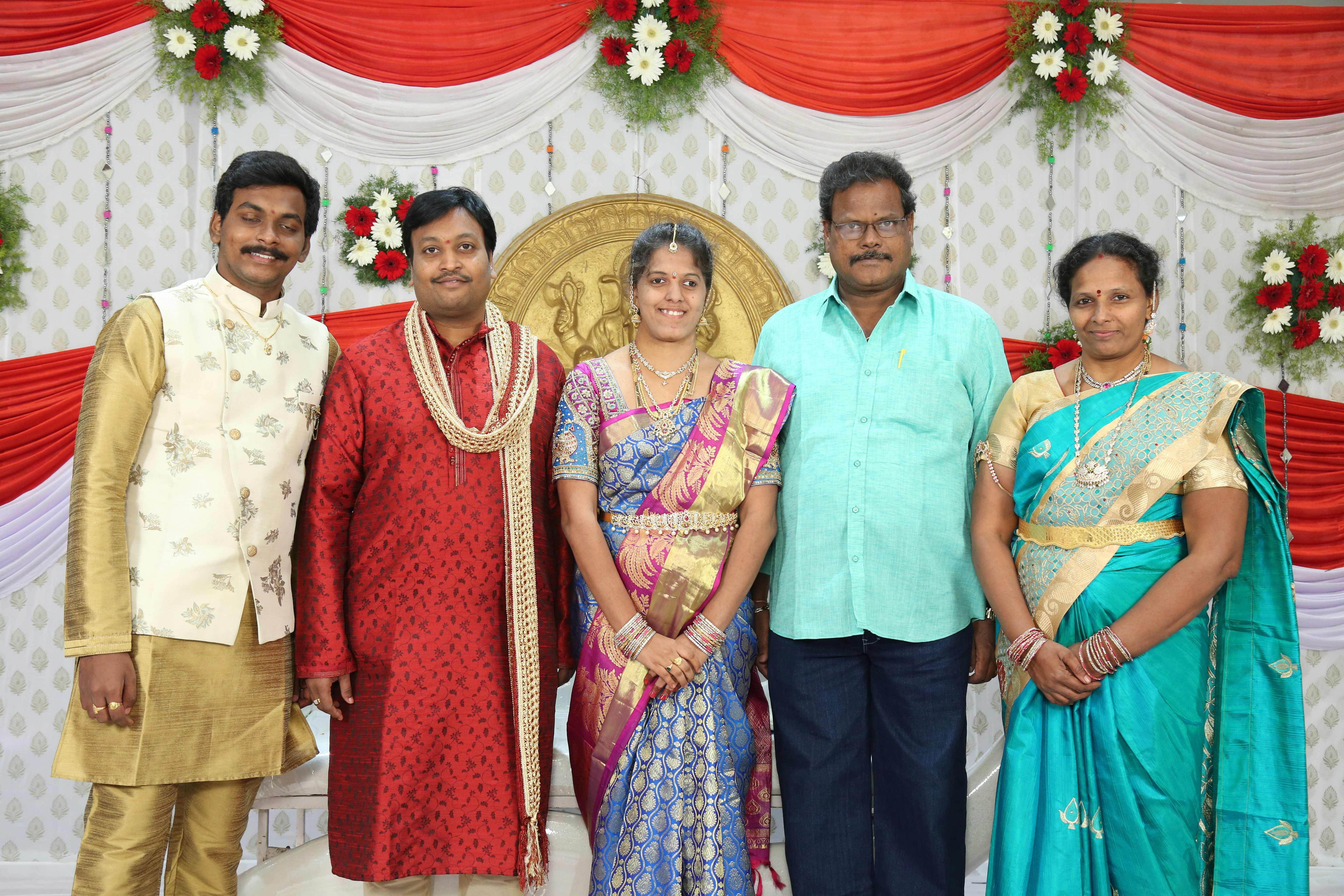
Introduction to Indian Values and Modern Debates
Indian values are deeply rooted in the subcontinent’s long-standing traditions, which encompass a diverse range of cultural, religious, and social aspects. At the heart of these values lies the concept of unity in diversity, which underscores the coexistence of various ethnicities, languages, and beliefs within India. This rich tapestry of heritage has significantly influenced the moral and ethical framework of Indian society.
Religious beliefs play a pivotal role in shaping Indian values. With major religions such as Hinduism, Islam, Christianity, Sikhism, and Buddhism coexisting, the moral teachings derived from these faiths contribute to societal norms and practices. Concepts like respect for elders, family integrity, and the importance of education and hard work resonate across diverse communities. Additionally, traditional practices like festivals and rituals further affirm the collective identity of various groups, fostering a sense of belonging and unity.
However, as India progresses into a modern era characterized by globalization and technological advancements, the clash between traditional values and contemporary debates has become increasingly prominent. Issues surrounding politics, gender roles, and education highlight the tensions between the preservation of Indian values and the demand for progress and reform. For instance, women’s rights and gender equality have emerged as critical areas of discussion, challenging age-old perceptions of gender roles that have historically been upheld by traditional norms.
This intersection between enduring values and modern debates is crucial for understanding the complexities of Indian society today. It brings to light how younger generations interpret and negotiate their identities in relation to traditional norms while advocating for progressive changes that address contemporary issues.
The Historical Context of Indian Values
The evolution of Indian values is a complex narrative that intertwines ancient philosophies, spiritual doctrines, and socio-political influences. Historically, Indian values have been primarily derived from foundational texts such as the Vedas, Upanishads, and epics like the Mahabharata and Ramayana. These texts not only encapsulate ethical principles but also offer insights into the character and culture of ancient Indian society. Concepts such as Dharma (duty), Artha (prosperity), Karma (action), and Moksha (liberation) have been pivotal in shaping the moral framework that governs personal and communal life.
Over centuries, these values were further nuanced by various philosophical schools, including Buddhism, Jainism, and later, Islamic and Christian influences. The multifaceted nature of these beliefs has contributed to a rich tapestry of values that emphasize community, spirituality, and the respect for diverse traditions. Despite the presence of regional variations, the core ideals often reflect a collective ethos that prioritizes familial ties, social cohesion, and respect for elders.
However, this traditional framework faced significant challenges with the advent of colonial rule in the 18th and 19th centuries. British colonization imposed foreign legal systems, educational curricula, and introduced capitalist economic structures that disrupted age-old practices. The societal norms that had been firmly established began to shift, leading to an identity crisis among many communities. The nationalist movements that emerged in response to colonial oppression sought to reclaim and redefine Indian values, often by reinterpreting historical texts and practices through a modern lens.
In the contemporary era, globalization has further transformed Indian values, leading to a synthesis of traditional and modern ideals. Technological advancements and exposure to Western lifestyles have sparked debates about the relevance of traditional values in the face of rapid change. As Indian society continues to grapple with these transformations, understanding the historical context of its values becomes essential for navigating the delicate balance between preserving cultural heritage and embracing modernity.
Current Societal Debates Around Indian Values
India, a nation characterized by its rich tapestry of culture and tradition, is currently engaged in a series of profound debates that reflect the evolving nature of its values. Central to these discussions are issues such as caste dynamics, gender equality, religious tolerance, and nationalism, each presenting unique perspectives that highlight the interplay between traditional and modern ideologies.
The discourse surrounding caste dynamics remains a pivotal concern in Indian society. On one hand, there is a strong push for the abolition of caste-based discrimination, advocating for equal opportunities and rights regardless of social standing. Conversely, some argue that caste identities are integral to maintaining cultural heritage, leading to a duality where tradition meets modern ethos, challenging the effectiveness of policies aimed at reform.
Gender equality is another arena of contentious debate, as voices across the spectrum call for varying degrees of reform. While many assert the necessity of empowering women through legal and social reforms, others argue that traditional gender roles still hold significant importance in maintaining familial stability. This creates a clash where cultural perceptions of gender must be reevaluated in light of contemporary demands for equality.
Religious tolerance also occupies a central role in current discussions about Indian values. The country’s pluralistic society faces tensions between different religious groups, with some advocating for a more integrated approach that respects diversity, while others may exhibit exclusivist tendencies that adhere firmly to traditional beliefs. This divergence often leads to debates on how national identity can coexist with a multicultural populace.
Lastly, the issue of nationalism has emerged as a crucial theme, as differing interpretations of what it means to be “Indian” fuel conflicting narratives. Some favor a nationalism that embraces India’s diverse heritage, while others promote a more homogeneous view reflective of particular cultural or religious ideologies. This ongoing dialogue showcases the complexity of aligning Indian values with modern realities.
Impact of Globalization on Indian Values
Globalization has significantly impacted Indian values, leading to both the adoption of Western ideals and potential tensions within the cultural fabric of India. With the proliferation of technology and mass media, traditional values are increasingly challenged by new societal norms that are often rooted in Western culture. This shift can be observed across various aspects of life, including family dynamics, gender roles, and even religious practices.
One of the positive influences of globalization is the access to a broader spectrum of ideas and choices. Individuals are now exposed to different cultural practices, beliefs, and lifestyles, allowing for a more inclusive framework within which Indian society can operate. Young people, in particular, may find empowerment through global narratives that advocate for equality, social justice, and individual freedom. This infusion of diverse ideologies has the potential to invigorate social reform, promoting progressive movements that challenge outdated customs.
Conversely, the pressures of globalization can create significant challenges in preserving cultural identity. Many individuals may find themselves torn between traditional practices and the allure of modern living, leading to a form of cultural dissonance. Family structures that once emphasized collectivism may begin to erode, as individual aspirations take precedence over communal obligations, impacting the very core of Indian social fabric.
Moreover, the commercialization of cultural symbols in a global marketplace often leads to the dilution of their meaning. Traditional attire, festivals, and practices can be appropriated in ways that strip them of their original significance. As global brands capitalize on these cultural elements, the authenticity of Indian values risks fading away amidst a growing trend of superficial commodification.
In summary, the impact of globalization on Indian values is multifaceted, encompassing both positive advancements and challenging complexities. While contemporary influences bring forth opportunities for societal growth, they simultaneously pose a threat to the preservation of India’s rich cultural heritage. Striking a balance between embracing modernity and upholding tradition remains a crucial task for future generations.
Youth Perspectives on Indian Values
The youth of India, a dynamic and diverse demographic, play a crucial role in shaping the narrative surrounding Indian values. As they navigate the complexities of cultural heritage and modernity, their perspectives are often marked by a blend of traditional beliefs and contemporary influences. Globalization and technological advancements have introduced young Indians to a myriad of cultures, creating a unique interplay between indigenous traditions and new ideas.
For many youngsters, Indian values such as family loyalty, respect for elders, and communal harmony remain significant. However, these values are increasingly viewed through a modern lens. The younger generation tends to embrace change, often advocating for a reinterpretation of values that align with current social norms. This shift is reflected in their engagement with societal debates, where they challenge outdated practices while still holding onto core principles that resonate with their identity.
Furthermore, technology acts as a double-edged sword. On one hand, it facilitates the dissemination of knowledge and fosters critical thinking, encouraging youth to explore and question traditional values. Conversely, it can lead to the erosion of cultural nuances, as young people may find themselves swayed by global trends that conflict with their roots. The challenge lies in striking a balance—preserving the essence of Indian culture while being receptive to the evolving global landscape.
Consequently, Indian youth often articulate a vision for the future that integrates respect for tradition with the necessities of a modern society. Their perspectives foster a dialogue that seeks to harmonize cultural heritage with contemporary realities, thereby enriching the broader conversation about Indian values in a rapidly changing world.
Media’s Role in Shaping Debates on Indian Values
The media plays a pivotal role in shaping public perception and discourse on Indian values, a subject increasingly relevant in contemporary society. From traditional news outlets to emerging digital platforms, the spectrum of media influences how cultural narratives are constructed and how various facets of Indian life are interpreted. Social media, in particular, serves as an influential tool for dissemination, enabling diverse voices to contribute to the ongoing discussions about what constitutes Indian values.
News platforms often highlight specific issues such as caste, gender roles, and familial expectations, influencing public opinions and, consequently, the debates surrounding these topics. For example, during the #MeToo movement in India, media coverage and public dialogue saw a significant shift, leading to broader recognition of issues related to women’s rights, thus reshaping perceptions of gender values within the Indian context. The narratives presented by various media formats not only inform but also often dictate societal norms and expectations.
Moreover, entertainment media, including films and television, reflects and shapes cultural norms, with storylines often centered around traditional versus modern conflicts. Successes and failures of characters in these narratives often serve as commentary on broader societal values. For instance, movies portraying the tension between modern relationships and traditional family structures both mirror and influence public sentiment. Such portrayals frequently trigger discussions on how contemporary values align or conflict with longstanding traditions within Indian society.
In light of these dynamics, it is essential to recognize the media’s dual role as a reflector and shaper of cultural narratives. Its power in framing debate and influencing public opinion on Indian values cannot be overstated. As the dialogue continues to evolve, understanding the media’s impact provides insight into the cultural shifts occurring within India and enables a more nuanced discussion regarding values in a rapidly modernizing society.
Educational Institutions and Value Formation
Educational institutions play a pivotal role in the formation and dissemination of values within society, acting as a bridge between traditional perspectives and modern sensibilities. In India, where cultural heritage is rich and diverse, schools and universities are tasked with the challenge of imparting traditional values while simultaneously fostering critical thinking and adaptability among students. This dual responsibility is essential in ensuring that young minds can navigate the complexities of contemporary society.
The curriculum often serves as the foundation upon which value formation occurs, incorporating subjects that emphasize Indian heritage, philosophy, and ethics alongside modern educational frameworks. For instance, subjects such as history and social studies not only focus on factual knowledge but also encourage students to explore moral dilemmas and the relevance of traditional values in today’s context. Through this integrated approach, educational institutions aim to equip students with the ability to reflect on their cultural identity while developing analytical skills that are crucial for the modern world.
Moreover, extracurricular activities, such as debates, cultural programs, and community service projects, further reinforce this objective. By participating in these activities, students engage with both Indian values and contemporary social issues, thereby enabling them to appreciate the nuances of their culture while cultivating a sense of responsibility towards society. These experiences are instrumental in highlighting the importance of ethics, empathy, and social awareness, which are foundational to the idea of value formation.
Ultimately, the role of educational institutions in value formation extends beyond academic instruction. It encompasses the holistic development of students, guiding them to become not only informed individuals but also socially conscious citizens. In this manner, educational institutions remain key players in navigating the delicate balance between preserving traditions and embracing modernity.
Future Outlook: Balancing Tradition and Progress
The future of Indian values exists within a complex interplay of tradition and progress, especially in a rapidly evolving sociopolitical landscape. As globalization continues to influence cultural dynamics, the challenge remains to harmonize long-standing traditions with the demands of modernity. This juxtaposition requires a nuanced approach that respects the essence of Indian heritage while simultaneously embracing change.
To navigate this delicate balance, a collective effort involving policymakers, educators, and community leaders is essential. Education plays a pivotal role in fostering an understanding of traditional values while introducing contemporary perspectives. Incorporating Indian history, philosophy, and cultural achievements into curriculums can deepen appreciation and respect among younger generations, ensuring that these values are not lost as society evolves.
Furthermore, forums for open dialogue and debate should be established to encourage discourse on the relevance of traditional values in today’s context. These forums can provide a platform for diverse voices, promoting acceptance and understanding while negotiating the integration of progressive ideals. Engaging different stakeholders in discussions can facilitate a mutual understanding that respects both traditional wisdom and innovative thought.
Technology also presents unique opportunities to connect traditional values with modern sensibilities. Digital platforms can help disseminate cultural narratives and practices, making them accessible to younger audiences worldwide. By harnessing social media and other digital resources, advocates for traditional Indian values can present them in fresh, relatable ways that resonate with contemporary society.
Ultimately, the future outlook for Indian values hinges on a conscious commitment to preserving heritage while fostering growth and acceptance. The path forward involves not an erasure of the past but rather a thoughtful integration of tradition and progress, ensuring the richness of Indian identity remains intact as society advances.
Conclusion: The Path Forward for Indian Society
As Indian society continues to evolve, navigating the delicate balance between tradition and modernity becomes increasingly important. Throughout this discussion, key points have underscored the necessity for a comprehensive understanding of cultural values, historical context, and contemporary challenges. Earlier, we examined the fundamental elements of Indian culture, embracing its rich heritage and diverse traditions, while recognizing the influence of globalization and modern societal changes.
The dialogue surrounding Indian values is essential for cultivating harmony within a pluralistic society. Open conversations that honor diverse perspectives can lead to a more inclusive understanding of what it means to be Indian in today’s world. Engaging in respectful debates allows individuals to explore different viewpoints, enhancing their appreciation for both historical roots and modern advancements. This engagement not only helps bridge generational divides but also fosters unity in a society with multifaceted identities.
Furthermore, it is crucial to acknowledge that modernization does not necessitate the abandonment of cherished traditions. Instead, a synthesis of the two can create a more coherent value system that respects cultural legacies while adapting to contemporary realities. Educational institutions, in particular, play a vital role in this endeavor by promoting critical thinking and encouraging students to explore ethical dilemmas that arise from the interplay of tradition and modern values.
Ultimately, the path forward for Indian society lies in embracing both its illustrious past and its dynamic present. With a commitment to dialogue and mutual respect, society can navigate the complexities of modern living without losing sight of the traditions that define its identity. By fostering a culture of open discussion and understanding, India can successfully chart a course that celebrates both its historical richness and its aspirations for progress.