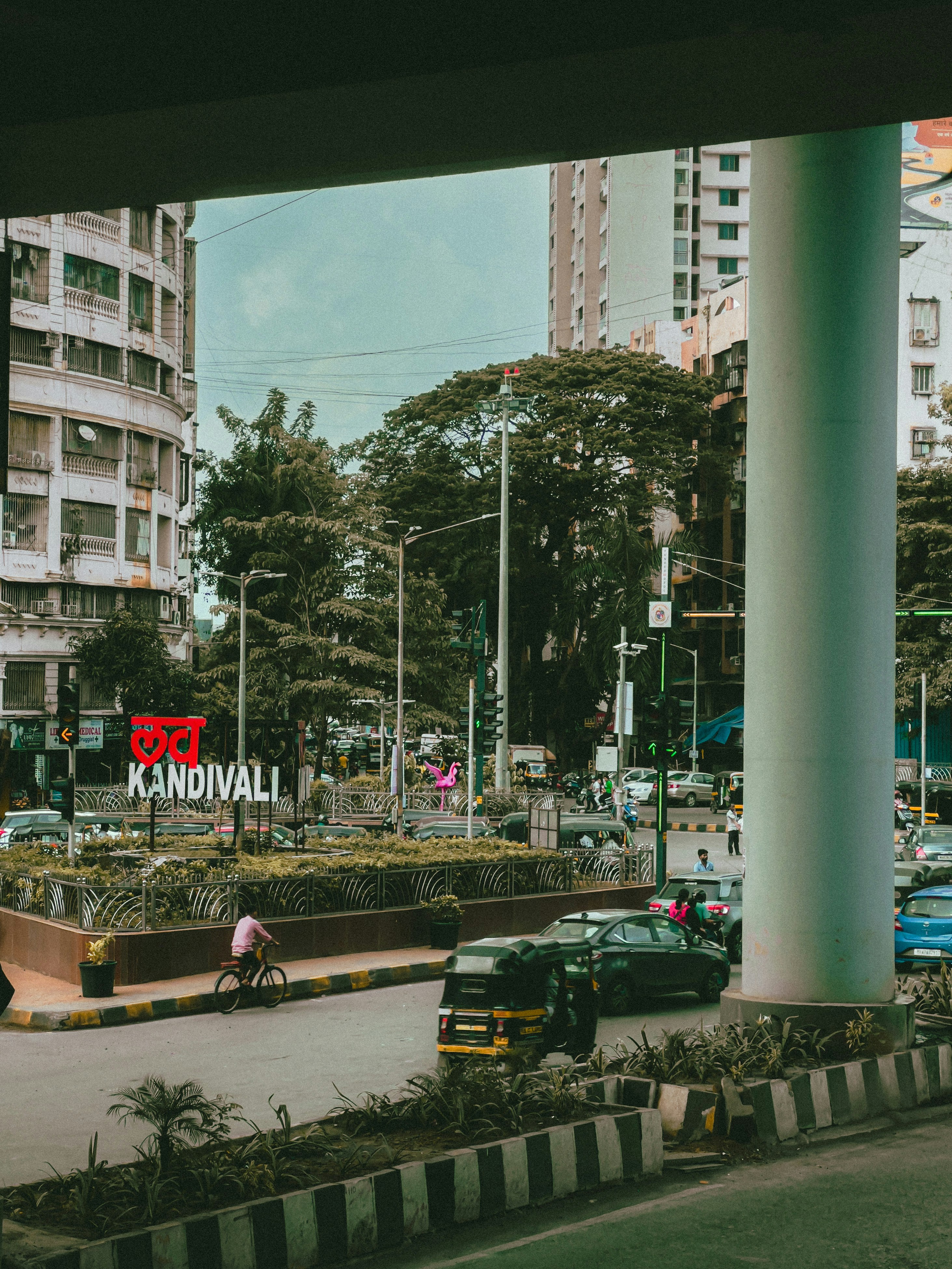
Introduction to Airoli: The Sovereign AI Traffic Tool
Airoli, as a sovereign AI traffic management tool, represents a significant leap forward in urban transportation technologies. Developed with the primary aim of improving traffic flow and ensuring greater safety on roads, Airoli utilizes advanced artificial intelligence to analyze real-time traffic data. This tool has emerged out of a necessity for more efficient traffic management, as cities globally grapple with increasing congestion and corresponding safety concerns.
The origins of Airoli can be traced back to a collective initiative among urban planners, data scientists, and technology experts who recognized the urgent need for a transformative solution in traffic management. By harnessing the power of machine learning algorithms and big data analytics, Airoli has been designed to not only monitor traffic patterns but also predict potential disruptions and optimize route guidance for vehicles on the road. This proactive approach facilitates smoother transit experiences for commuters and reduces the occurrence of bottlenecks, thereby fostering a safer, more efficient transportation ecosystem.
As urban populations continue to rise, the importance of adopting innovative tools, like Airoli, becomes increasingly paramount. Modern transportation networks face numerous challenges, including environmental pressures, infrastructure limitations, and the need for sustainable mobility solutions. Integrating a sophisticated AI tool can enhance decision-making processes regarding traffic management, leading to improved response times to incidents and a more interconnected transport infrastructure. Thus, Airoli positions itself as a critical ally for cities aiming to address the complexities of contemporary urban transit systems while enhancing safety and efficiency.
The Technology Behind Airoli
Airoli represents a new frontier in transportation technology, employing sophisticated algorithms and machine learning techniques to address the challenges of urban traffic management. At its core, Airoli integrates various data sources and employs advanced artificial intelligence methodologies to process real-time traffic information. The tool analyzes data from multiple sensors, cameras, and connected vehicles, allowing it to develop a comprehensive understanding of traffic patterns and conditions.
Machine learning algorithms play a pivotal role in Airoli’s functionality. These algorithms are designed to identify patterns within vast datasets collected from various sources. By learning from historical traffic data, Airoli can predict potential congestion and implement strategies to alleviate delays before they manifest. Continuous learning ensures that the system adapts to changing traffic conditions, such as road works or seasonal variations, enhancing the overall traffic flow optimization.
Furthermore, Airoli’s real-time monitoring capabilities are instrumental in its effectiveness. With constant assessment of traffic conditions, Airoli can make immediate adjustments to traffic signals and route recommendations, improving vehicle throughput and reducing waiting times. The integration of data analysis techniques also enables Airoli to evaluate the impact of various traffic management strategies, allowing for informed decision-making and evidence-based policy development.
Through the utilization of state-of-the-art technology, including cloud computing and big data analytics, Airoli is equipped to handle an enormous amount of data efficiently. The system’s architecture ensures scalability, enabling it to be deployed in diverse urban environments. By leveraging these technological advancements, Airoli stands out as a transformative solution that not only streamlines traffic flow but also contributes to the sustainability of urban transportation systems.
Features of Airoli: What Sets It Apart
Airoli is distinguished by several unique features that significantly enhance traffic management processes. At the forefront is its real-time analytics capability. This feature enables traffic management authorities to access current data on traffic flows, incidents, and congestion levels. With real-time updates, decision-makers can promptly address issues, ultimately leading to more efficient traffic management. For instance, cities employing Airoli have reported a marked reduction in congestion during peak hours due to proactive traffic signal adjustments based on live data.
Another notable feature is Airoli’s predictive modeling. By leveraging historical data and advanced algorithms, this tool can forecast traffic patterns with remarkable accuracy. Predictive modeling allows for the anticipation of potential traffic jams or accidents before they occur. This foresight empowers agencies to implement temporary adjustments or proactive measures, such as deploying additional traffic personnel at critical junctions, thereby preventing disruptions and enhancing safety for all road users.
Moreover, Airoli integrates seamlessly with smart infrastructure, making it a cutting-edge solution for 21st-century cities. Its compatibility with smart traffic lights, connected vehicle technologies, and urban mobility applications fosters a cohesive transportation network. An example of this integration can be seen in a pilot project where Airoli optimized traffic flow based on vehicle-to-infrastructure communications, leading to substantial reductions in travel times across major thoroughfares.
Lastly, Airoli is designed with user experience in mind, featuring a user-friendly interface. This aspect allows traffic operators, regardless of their technical expertise, to navigate the system effortlessly. By simplifying the interaction between users and the technology, Airoli enhances operational efficiency and accelerates the decision-making process. In summary, the combination of real-time analytics, predictive modeling, smart infrastructure integration, and a user-friendly interface sets Airoli apart from traditional traffic management systems, thus unlocking a new era in transportation efficiency.
Benefits of Implementing Airoli in Urban Areas
The implementation of Airoli, the Sovereign AI Traffic Tool, in urban areas presents a myriad of advantages that can significantly enhance the quality of life for residents and optimize urban mobility. One of the primary benefits is improved traffic efficiency. By utilizing AI-driven data analytics, Airoli can analyze real-time traffic patterns and adjust traffic signals to reduce waiting times, thus facilitating smoother traffic flow. Studies indicate that cities equipped with intelligent traffic management systems experience up to a 30% decrease in average travel times.
In addition to traffic efficiency, Airoli contributes to the substantial reduction of congestion, which is one of the most pressing issues in modern cities. Congestion not only leads to frustration among commuters but also increases the likelihood of accidents. As a proactive measure, Airoli can direct vehicles along optimized routes, decreasing vehicular density in critical areas. For instance, a case study in a major metropolitan area showed a 25% decline in peak congestion hours due to the implementation of Airoli.
Enhancing road safety is another crucial benefit that Airoli brings to urban settings. By monitoring traffic conditions and analyzing accident data, Airoli can predict hazardous situations, alerting authorities in advance and enabling quicker responses. This predictive capability is instrumental in lowering accident rates and ensuring pedestrian safety, which is particularly vital in densely populated areas.
From an environmental standpoint, reducing congestion and enhancing traffic flow directly contributes to lower greenhouse gas emissions. According to research, improved traffic management through AI tools like Airoli can lead to a 20% reduction in carbon emissions, promoting a greener urban ecosystem.
Lastly, the economic benefits cannot be overlooked. Local businesses often suffer during peak traffic times due to decreased customer access. By reducing congestion and enhancing traffic efficiency, Airoli not only facilitates a better commuting experience but also supports local economies by improving customer accessibility. Cities implementing Airoli can transform their transport systems, leading to renewed commercial activity and development.
Challenges and Considerations in Deploying Airoli
The introduction of Airoli, a sovereign AI traffic tool, presents a remarkable opportunity to streamline urban transportation systems. However, the deployment of such advanced technology is not without its challenges. Cities must confront significant technological hurdles that could impede the effective integration of Airoli into existing systems.
Firstly, the implementation of Airoli necessitates substantial upgrades to current infrastructure. Many cities may operate on outdated transportation systems that lack the capability to support advanced AI functionalities. Upgrading these systems often involves considerable financial investment and meticulous planning to ensure compatibility with Airoli’s advanced algorithms. Stakeholders will need to evaluate existing hardware and software to devise a strategy for seamless integration, which can be both resource-intensive and time-consuming.
Another challenge lies in potential community resistance. The deployment of Airoli could raise concerns among residents regarding privacy, data handling, and the implications of algorithms dictating traffic flow. Stakeholders must engage with the community to address these apprehensions and foster trust in the system. Public consultations and transparency about how Airoli operates may help mitigate fears and encourage acceptance.
Moreover, an essential consideration is the need for continuous maintenance and updates of the Airoli system post-deployment. As the technology landscape evolves, Airoli will require ongoing support to remain effective. This includes regular software updates, troubleshooting, and user feedback incorporation to enhance functionality.
Ultimately, the successful implementation of Airoli hinges on addressing these challenges comprehensively. By investing in the necessary infrastructure, building community trust, and planning for ongoing maintenance, cities can navigate potential pitfalls and ensure that Airoli fulfills its promise of transforming urban transportation.
Case Studies: Airoli in Action
Airoli has made significant strides in improving urban traffic management across various cities, demonstrating its capacity as a sovereign AI traffic tool. One notable case study involves its deployment in San Francisco, where traffic congestion has historically been a pressing issue. By utilizing Airoli, city planners were able to analyze real-time traffic data and reroute vehicles dynamically to alleviate congestion. This implementation resulted in a reported 25% reduction in travel times during peak hours, showcasing Airoli’s effectiveness in optimizing traffic flow.
Another noteworthy example is the adoption of Airoli in Austin, Texas. Here, local authorities leveraged Airoli’s predictive analytics to forecast traffic patterns accurately. This allowed for timely adjustments to traffic signals and optimal allocation of police resources during high-traffic events, such as music festivals. The outcome was a commendable decrease in traffic standstills, contributing to a smoother commuting experience for residents and visitors alike.
Feedback from local governments and commuters has been overwhelmingly positive. City officials have praised Airoli for providing actionable insights that facilitate informed decision-making. Residents reported feeling safer and noticing fewer delays, which enhances their overall travel experience. These case studies underscore Airoli’s versatility and potential to revolutionize traffic management across diverse urban environments.
As cities continue to grow and evolve, the role of advanced traffic management tools like Airoli will become increasingly vital. The evidence from these implementations reflects not only the effectiveness of the technology but also the commitment of city planners to create sustainable and efficient urban transport systems. The success witnessed in these case studies illustrates that the future of smart transportation lies in the integration of AI tools like Airoli, paving the way for improved mobility and reduced congestion.
Future Developments and Innovations for Airoli
The landscape of urban transportation is in a state of rapid transformation, and tools like Airoli are at the forefront of this evolution. As a sovereign AI traffic management system, Airoli is designed to adapt to the ever-changing demands of city traffic while remaining aligned with broader smart city initiatives. Future developments for Airoli will likely focus on seamless integration with various smart city technologies, enhancing its capabilities and efficiency.
One anticipated advancement is the incorporation of Internet of Things (IoT) devices throughout urban infrastructure. These devices can provide Airoli with real-time data from traffic signals, public transport systems, and even personal vehicles. By leveraging this data, Airoli can offer more accurate traffic predictions, optimize route planning, and reduce congestion across the urban landscape. Furthermore, advancements in sensor technology and machine learning models will enable Airoli to better understand patterns in vehicular behavior, thus allowing for adaptive traffic management strategies.
In addition to technological integrations, Airoli is expected to evolve in response to societal changes and transportation challenges. As cities become more crowded, the emergence of autonomous vehicles will necessitate innovative traffic solutions. Airoli may develop capabilities to manage mixed traffic scenarios, involving both conventional and autonomous vehicles, ensuring safety and efficiency. This includes designing algorithms that can predict and mitigate the impact of autonomous vehicle interactions with human drivers on roadways.
Continuous innovation in AI traffic tools like Airoli is essential for supporting the demands of future urban mobility. As cities globally look to enhance their transportation systems, tools that provide real-time solutions and dynamic traffic management will become indispensable. By fostering an environment conducive to smart advancements, Airoli will not only adapt but lead the charge in developing intelligent traffic systems that cater to the evolving needs of urban centers.
Comparing Airoli with Other Traffic Management Solutions
The landscape of traffic management solutions is diverse, characterized by various technologies and methodologies employed to optimize urban mobility. Airoli, as a sovereign AI traffic tool, emerges as a notable contender among established solutions. One must evaluate Airoli against various existing platforms, such as traditional traffic signal systems and more advanced software solutions, to understand its position in the market.
One of the chief advantages of Airoli is its use of advanced artificial intelligence algorithms, which enable dynamic traffic management based on real-time conditions. Unlike conventional traffic systems that rely on fixed timings, Airoli continuously adapts to changing traffic patterns, significantly reducing congestion and travel times. This adaptability can be a game-changer in urban environments, where traffic flow is often unpredictable.
Conversely, other traffic management solutions, such as those utilizing fixed signal timings or basic sensor systems, may lack the responsiveness needed for today’s complex urban traffic scenarios. They often cannot analyze and react to traffic fluctuations promptly, which can exacerbate congestion during peak hours. However, traditional systems tend to be less costly in terms of implementation and maintenance, appealing to budget-conscious municipalities.
Another aspect to consider is the scalability of Airoli. Its AI-driven model is designed to integrate seamlessly with existing infrastructure, making it suitable for both small towns and large metropolitan areas. In comparison, some legacy systems may require extensive upgrades to leverage modern technologies, leading to higher costs and longer implementation times.
Despite its advantages, Airoli is not without challenges. Its reliance on data analytics necessitates robust data collection processes, which may be a barrier for some cities lacking the necessary infrastructure. Additionally, integrating such a high-tech solution may face resistance from stakeholders accustomed to traditional methods.
In summary, Airoli distinguishes itself with its adaptive, AI-driven traffic management capabilities while facing competition from traditional solutions that may offer lower initial costs but lack flexibility. Understanding these nuances can help stakeholders make informed decisions about implementing traffic management technologies that best suit their urban mobility needs.
Conclusion: The Role of Sovereign AI Traffic Tools in the Future of Transportation
The advent of Sovereign AI traffic tools, such as Airoli, signifies a pivotal moment in the evolution of urban transportation systems. These innovative technologies harness the power of artificial intelligence to optimize traffic management, resulting in improved efficiency and reduced congestion in increasingly crowded urban areas. The insights gained from data analytics enable city planners and traffic authorities to make informed decisions, enhancing the overall traffic flow and enabling a more sustainable form of urban mobility.
Through the integration of real-time data, AI-driven traffic tools facilitate effective monitoring and management of transportation networks. They employ advanced algorithms to predict traffic patterns, allowing for proactive measures to be implemented to alleviate potential bottlenecks before they occur. Such measures not only improve commute times but also contribute to lowering vehicle emissions, thus tackling pressing environmental issues faced by modern societies.
Moreover, as the urban landscape continues to evolve with the introduction of smart city concepts, the role of Sovereign AI traffic tools becomes increasingly crucial. They foster collaboration among various stakeholders, including government agencies, transportation companies, and citizens, ensuring that the implemented solutions are beneficial to all parties involved. By advocating for the deployment of Airoli and similar technologies, communities can actively participate in shaping a more efficient and environmentally conscious future.
In summary, the successful integration of Sovereign AI traffic tools has the potential to revolutionize urban transportation. They present a forward-thinking approach to addressing the complexities of traffic management in today’s cities, ultimately improving the quality of life for residents and visitors alike. As we look towards the future of transportation, the role of AI in optimizing traffic systems cannot be overstated, making it imperative that we embrace and champion these technologies in our local areas.