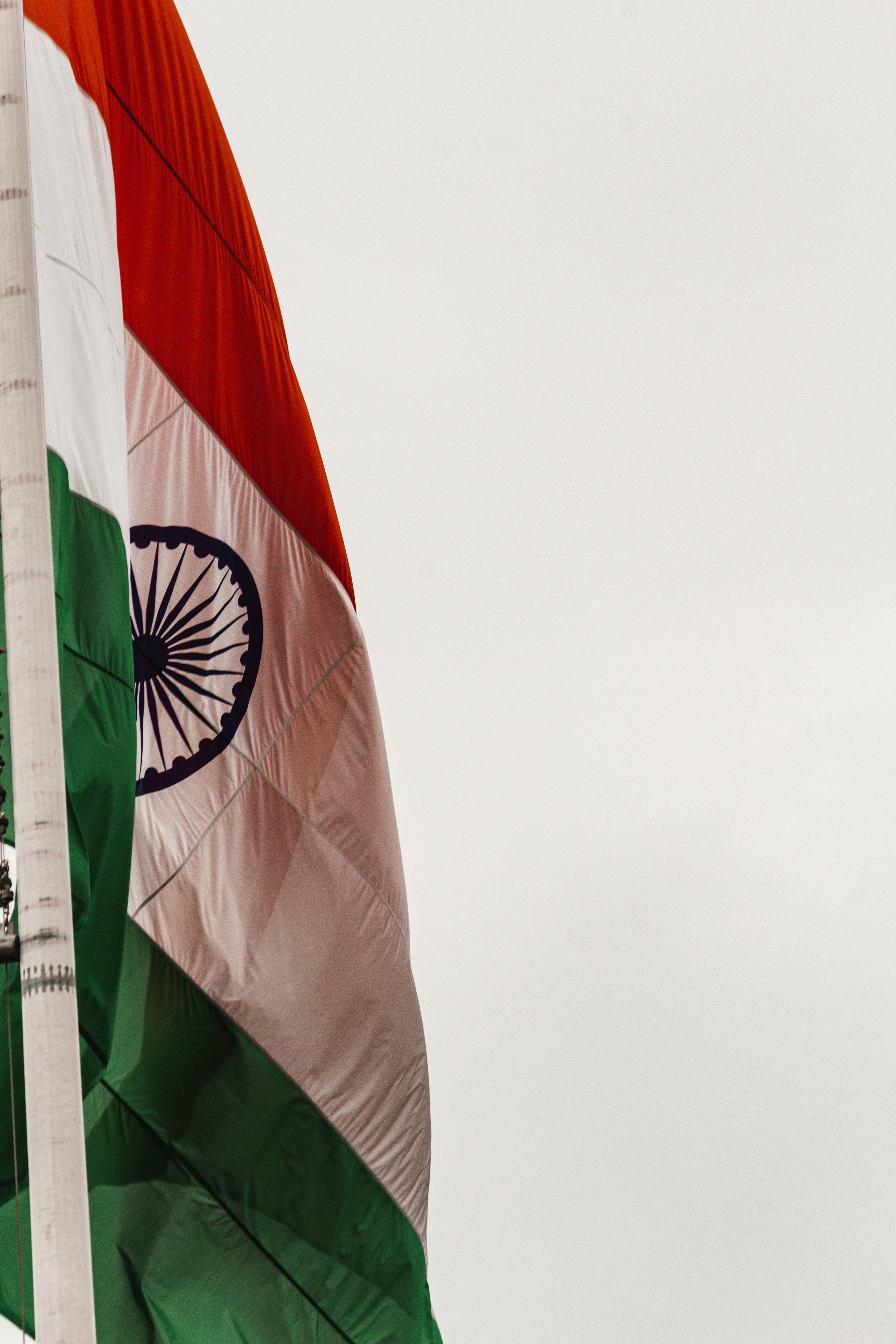
Introduction to Indian Values
Indian values embody a rich tapestry woven from the nation’s historical, cultural, and philosophical legacies. These values, shaped over millennia, have their roots in various ancient texts, traditions, and practical lifestyles of different communities across the subcontinent. The core of these values often revolves around concepts such as respect for elders, the importance of family, community solidarity, and a deep spiritual connection to life and nature.
Historically, Indian values can be traced back to the Vedas and Upanishads, establishing a foundation that emphasizes dharma (righteousness), karma (action), and moksha (liberation). These philosophical ideas not only define individual behavior but also outline essential societal norms that govern interactions within communities. The intricate blend of these principles reflects the dignity of human life and the moral order of society, resonating through India’s diverse cultural practices and social structures.
Culturally, Indian values manifest in various forms, such as festivals, rituals, and community gatherings. For instance, festivals like Diwali and Eid promote togetherness, while weddings emphasize familial bonds and commitments. This cultural framework fosters unity and cooperation, ensuring that traditional values are preserved and celebrated amid rapid modernization and globalization.
Significantly, the relevance of Indian values is more pronounced in the contemporary context. As society faces numerous challenges, such as urbanization, individualism, and technological transitions, these age-old values provide an anchor that reinforces social cohesion and moral integrity. The emphasis on collective well-being over individual gain is particularly critical in addressing contemporary social issues. Consequently, understanding and aligning with Indian values is essential in navigating today’s complex world, leading to a more harmonious and inclusive society.
Core Indian Values and Their Meanings
Indian philosophy is rich with values that have not only shaped the country’s cultural identity but also continue to resonate in contemporary society. One of the most revered values is Satya, or truth. This principle emphasizes the importance of honesty and integrity in thoughts, words, and actions. It encourages individuals to remain truthful not only to others but also to oneself, thereby fostering a sense of authenticity and trust within interpersonal relationships.
Another cornerstone value is Ahimsa, which translates to non-violence. Rooted deeply in Hinduism, Buddhism, and Jainism, Ahimsa advocates for compassion towards all living beings. This value acts as a guiding principle for ethical living, promoting peaceful coexistence and respect for life, while also encouraging individuals to confront injustice and cruelty through non-violent means.
Respect for elders is another fundamental tenet within Indian culture. This value underscores the importance of honoring and valuing the wisdom and experiences of the older generation. Such respect fosters strong familial bonds and contributes to a social structure wherein knowledge is transmitted from one generation to the next, ensuring continuity of values and traditions.
In a world that often emphasizes individualism, the Indian value of placing community over individualism encourages collective responsibility and social cohesion. This perspective nurtures a supportive environment, wherein people are encouraged to contribute to the welfare of others, thereby strengthening societal ties and building a sense of belonging.
Lastly, spirituality plays a significant role in the Indian ethos, transcending mere religious boundaries. It refers to a deep-seated connection to something greater than oneself, often manifesting through practices such as meditation and reflection. Spirituality in India promotes inner growth and a quest for meaning, which is integral to the holistic development of individuals.
The Relevance of Indian Values in Modern Times
In an era characterized by rapid globalization and unparalleled technological advancements, the significance of Indian values remains profoundly relevant. These traditional values, including respect for elders, the importance of community, and a commitment to moral integrity, serve as crucial moral compasses in a world often overshadowed by individualism and materialism.
Indian society, with its rich tapestry of cultural and spiritual heritage, emphasizes the interconnectedness of all beings. This perspective is increasingly pertinent today, as societies face challenges such as social isolation, mental health crises, and environmental degradation. Embracing values such as compassion (daya) and selflessness (seva) can help foster a sense of belonging and responsibility among individuals, counteracting feelings of disconnection that often accompany modern urban life.
Moreover, the principle of ‘Satyam’, or truthfulness, has enduring relevance as it underscores the importance of honesty and ethical conduct in personal and professional realms. In the contemporary landscape, where misinformation is rampant, adhering to values of transparency can guide individuals in making informed decisions, thus contributing to a more accountable society.
Furthermore, traditions such as family unity and respect for elders can guide contemporary interactions, nurturing a framework of support within families and communities. These values offer a roadmap for navigating complex relationships, encouraging individuals to prioritize empathy and understanding over conflict and competition.
In essence, as the world continues to evolve, integrating these enduring Indian values into our daily lives not only preserves cultural heritage but also provides essential moral guidance. Such alignment helps individuals negotiate the complexities of modern existence while ensuring a collective commitment to harmony and ethical conduct.
Alignment with Indian Values in Personal Life
Aligning personal life with Indian values is an essential endeavor that can profoundly influence individual behavior, relationships, and overall wellbeing. Indian values, often rooted in ancient philosophy, emphasize harmony, respect, compassion, and community. These values can be integrated into daily practices and lifestyle choices, enhancing personal ethics while fostering meaningful relationships.
One way to incorporate Indian values into personal life is through daily rituals that reflect mindfulness and gratitude. For instance, starting each day with meditation or yoga, practices influenced by Indian philosophy, can contribute to mental clarity and emotional stability. Such routines not only ground individuals but also cultivate a sense of inner peace, grounding them in their values as they navigate daily challenges.
Moreover, aligning with Indian values involves prioritizing ethical choices in one’s lifestyle. This may include adopting sustainable habits that reflect respect for the environment, a core principle in many Indian teachings. Consuming locally sourced food, minimizing waste, and supporting ethical brands can resonate with the values of balance and respect for nature found in various Indian cultural narratives.
Furthermore, building strong relationships based on mutual respect and understanding is critical. Indian values advocate for familial bonds and community ties, emphasizing the importance of empathy and compassion in interactions. Investing time in family, engaging with the community, and practicing active listening can foster trust and open communication, essential for nurturing personal relationships.
By consciously incorporating Indian values into personal life, individuals can enhance their ethical standards, improve their relationships, and lead a more fulfilling life. This alignment not only reflects one’s cultural identity but also contributes to a holistic and meaningful existence in today’s fast-paced world.
Alignment in Professional Life
In today’s globalized economy, the integration of Indian values into the workplace is not only a matter of ethical importance but also a strategic advantage. Values such as honesty, respect, empathy, and teamwork can significantly enhance collaboration and productivity. Professionals who embrace these values often find themselves creating a more positive and inclusive corporate culture, thereby increasing employee satisfaction and retention.
One effective approach to aligning with Indian values in a professional setting is fostering open communication. Encouraging team members to share their thoughts and feelings creates an environment of transparency and trust. This can be facilitated through regular feedback sessions and inclusive meetings where every voice is heard. Such transparency promotes accountability and strengthens the bonds among colleagues.
Additionally, promoting a sense of community within the workplace can be instrumental. Celebrating cultural festivals, engaging in team-building activities, and encouraging employees to participate in philanthropic efforts not only reinforces Indian values but also nurtures teamwork. These initiatives support a shared sense of purpose, inspire collaboration, and remind employees of their collective responsibilities.
Moreover, organizations can provide training and development programs focusing on ethical decision-making and leadership guided by Indian values. These educational opportunities can enhance awareness and understanding, empowering professionals to navigate workplace challenges with integrity. Encouraging mentorship programs is another strategy to instill these values in budding professionals, as they benefit from the wisdom and experience of seasoned leaders.
Ultimately, by integrating Indian values into the work ethic and corporate culture, organizations can cultivate a harmonious and productive work environment that drives success. Such alignment not only benefits the individuals within the organization but also contributes positively to the larger community and society at large.
Case Studies: Organizations Upholding Indian Values
In recent years, numerous organizations across various sectors have successfully integrated Indian values into their operational frameworks. These values, deeply rooted in concepts such as respect for diversity, community service, and ethical governance, have fostered both positive company culture and significant societal impact. One prominent example is Tata Group, a conglomerate that has consistently upheld values such as integrity, excellence, and unity. The Tata Trusts, which form a significant part of the group’s philanthropic efforts, exemplify the commitment to social responsibility and community engagement. Through initiatives in education, healthcare, and rural development, Tata Group demonstrates how aligning business objectives with Indian values can lead to enhanced brand loyalty and employee satisfaction.
Another interesting case is Infosys, a leading IT services provider, that has embraced the principles of transparency and ethical conduct. The company has established a robust governance structure that emphasizes accountability and integrity. By fostering a culture of open communication and mutual respect, Infosys not only attracts top talent but also enhances collaboration among its workforce. This alignment with Indian values has translated into innovation and sustainable growth, thereby positioning the organization as a global leader.
Leveraging traditional Indian concepts, Wipro has also made significant strides in promoting sustainability and social responsibility. The organization actively engages in initiatives that support environmental conservation and community welfare. Wipro’s efforts towards addressing social issues reflect the intrinsic Indian value of ‘Sarvodaya,’ which emphasizes upliftment and holistic development for all. Such alignment with Indian values has not only strengthened the company’s reputation but also created a resilient workforce committed to shared goals.
Through these case studies, we see that organizations incorporating Indian values reap numerous benefits, including a strong sense of community, enhanced employee morale, and a positive public image. Such alignment not only leads to improved operational efficiency but also cultivates an environment conducive to long-term success.
Challenges of Keeping Indian Values Alive
In today’s rapidly evolving society, the preservation and promotion of Indian values face numerous challenges. One of the most pressing issues is the impact of modernization, which often leads to a shift in traditional practices and beliefs. As urbanization and technology proliferate, younger generations become increasingly influenced by global cultures, which may dilute their connection to indigenous values. This phenomenon is further exacerbated by the proliferation of digital media, where western ideals often replace traditional narratives.
Cultural dilution is another significant challenge that threatens the fabric of Indian identity. As various aspects of Indian culture, including language, festivals, and customs, become less practiced or slowly transform to fit modern contexts, there is a risk of losing the richness of traditions that have been passed down through generations. Schools and educational institutions, while focusing on contemporary skill development, may inadvertently neglect teaching the values that form the core of Indian society.
Westernization poses a unique set of challenges as well. The allure of western lifestyles often leads to an erosion of cultural practices in favor of more globally recognized habits. While embracing aspects of globalization can foster progress, an imbalance may occur, resulting in the abandonment of essential values that resonate with the heart of Indian society.
To counter these adversities, several strategies can be employed. Encouraging dialogue about the importance of Indian values in educational curricula can instill a sense of pride and belonging among youth. Additionally, community-driven initiatives that celebrate traditional festivals and customs can reinforce the importance of cultural heritage. Parents and guardians play a crucial role by actively engaging their children in cultural practices, fostering a genuine appreciation for their heritage. In this way, while adapting to modernization is important, it remains vital to nurture and celebrate the unique values that define Indian culture.
The Global Impact of Indian Values
Indian values have transcended geographical boundaries and have made significant contributions to various aspects of global culture and philosophy. These values, deeply rooted in traditions and beliefs, encompass a range of teachings about morality, spirituality, and community that resonate with individuals across the world.
One of the most prominent influences of Indian culture is the practice of yoga, which has gained immense popularity beyond the Indian subcontinent. This ancient discipline not only emphasizes physical well-being but also promotes mental clarity and spiritual enlightenment. Many people worldwide have embraced yoga as a holistic practice, integrating its principles into their daily lives, which has fostered a greater appreciation for inner peace and mindfulness.
Additionally, Ayurveda, the traditional system of medicine originating in India, has gained recognition for its natural approach to health and wellness. It advocates for a balance between body, mind, and spirit, which many have found appealing as an alternative to conventional medical practices. Ayurveda’s holistic view encourages individuals to take charge of their health by understanding their own bodies and making informed lifestyle choices. This framework has influenced numerous global wellness trends and has led to a growing interest in herbal remedies and natural healing methods.
Beyond physical practices, Indian values have also impacted global ethical frameworks. Concepts such as non-violence (ahimsa) and truthfulness (satya) have inspired movements worldwide, including civil rights campaigns and peace movements. Such principles have encouraged individuals to strive for justice and compassion in their interactions and have fostered unity among diverse communities.
Overall, the global impact of Indian values is profound and far-reaching, contributing significantly to various domains including personal development, healthcare, and social justice, creating a more interconnected and ethically aware world.
Conclusion: The Future of Indian Values
As we navigate through the complexities of a rapidly evolving global landscape, the significance of aligning with Indian values remains ever pertinent. These values, deeply rooted in the rich cultural tapestry of India, provide essential guidance and framework for ethical living and sustainable development. In a world where materialism and instant gratification often overshadow deeper ethical considerations, revisiting these foundational principles can offer a path toward a more balanced and fulfilling life.
Aligning with Indian values such as respect for nature, community welfare, and holistic well-being not only cultivates individual growth but also contributes positively to societal development. The emphasis on harmony, particularly with nature, encourages sustainable practices that are crucial in combating climate change and preserving biodiversity. Moreover, these values foster a spirit of cooperation and empathy, essential components for social cohesion in diverse communities.
Furthermore, the principles of selflessness and service, which are integral to Indian ethos, urge individuals to look beyond personal gain and consider the collective welfare. This collective approach is vital in addressing contemporary challenges such as inequality, poverty, and educational disparities. By instilling these values in younger generations, we nurture a sense of responsibility and encourage future leaders to prioritize ethical solutions over expedient choices.
In conclusion, the future of Indian values lies in their continued relevance and integration into the daily lives of individuals and communities. Fostering these principles is not merely an act of preserving culture; it is imperative for creating a sustainable future that respects both human and environmental dignity. As we move forward, let us commit to embedding Indian values in our personal and collective endeavors, ensuring they continue to illuminate the path toward a more ethical and harmonious world.