Understanding USB Technology
The Universal Serial Bus (USB) technology was developed in the mid-1990s to create standardized connections for peripherals to computers, making it easier to connect and communicate with various devices. The primary function of USB is to facilitate a simple and efficient connection method for data transfer and supply power across multiple devices, significantly improving user experience.
Initially, USB technology was designed to replace the multitude of interfaces that were prevalent at the time, such as serial and parallel ports. The first version, USB 1.0, emerged in 1996, offering a maximum data transfer rate of 1.5 Mbps for low-speed devices and 12 Mbps for full-speed devices. This marked a significant leap forward from older technologies, allowing multiple devices to connect through a single, unified interface.
Over the years, USB has evolved dramatically. Subsequent versions, such as USB 2.0, USB 3.0, and the latest USB4, have introduced increased speeds, enhanced power delivery capabilities, and support for a wider range of devices. This evolution has been crucial in adapting to the increasing demands of technology, where data transfer rates and connections play vital roles in user satisfaction and device performance.
Understanding the data transfer rate of USB 1.0 is essential, as it serves as a benchmark against which newer versions are measured. Recognizing the limitations of USB 1.0 helps users appreciate the advancements made in subsequent iterations. For instance, the significant improvements in data rates and functionalities in USB 2.0 and beyond showcase how technology has progressed to accommodate higher bandwidth needs, which are now a necessity in contemporary applications.
What is USB 1.0?
Universal Serial Bus (USB) 1.0 is recognized as the first official USB standard, introduced in January 1996. This innovative interface was developed to simplify the connection between computers and various peripheral devices, such as printers, scanners, and keyboards. The introduction of USB 1.0 marked a significant advancement in data transfer technology, enabling users to connect multiple devices efficiently without the need for diverse cables.
USB 1.0 supports a maximum data transfer rate of 1.5 megabits per second (Mbps) for low-speed devices and up to 12 Mbps for full-speed devices. This capability enhanced the efficiency of data transfer, allowing quicker communication between the host computer and connected peripherals. Moreover, USB 1.0 facilitated plug-and-play functionality, meaning that users could connect devices without rebooting their systems, making it user-friendly.
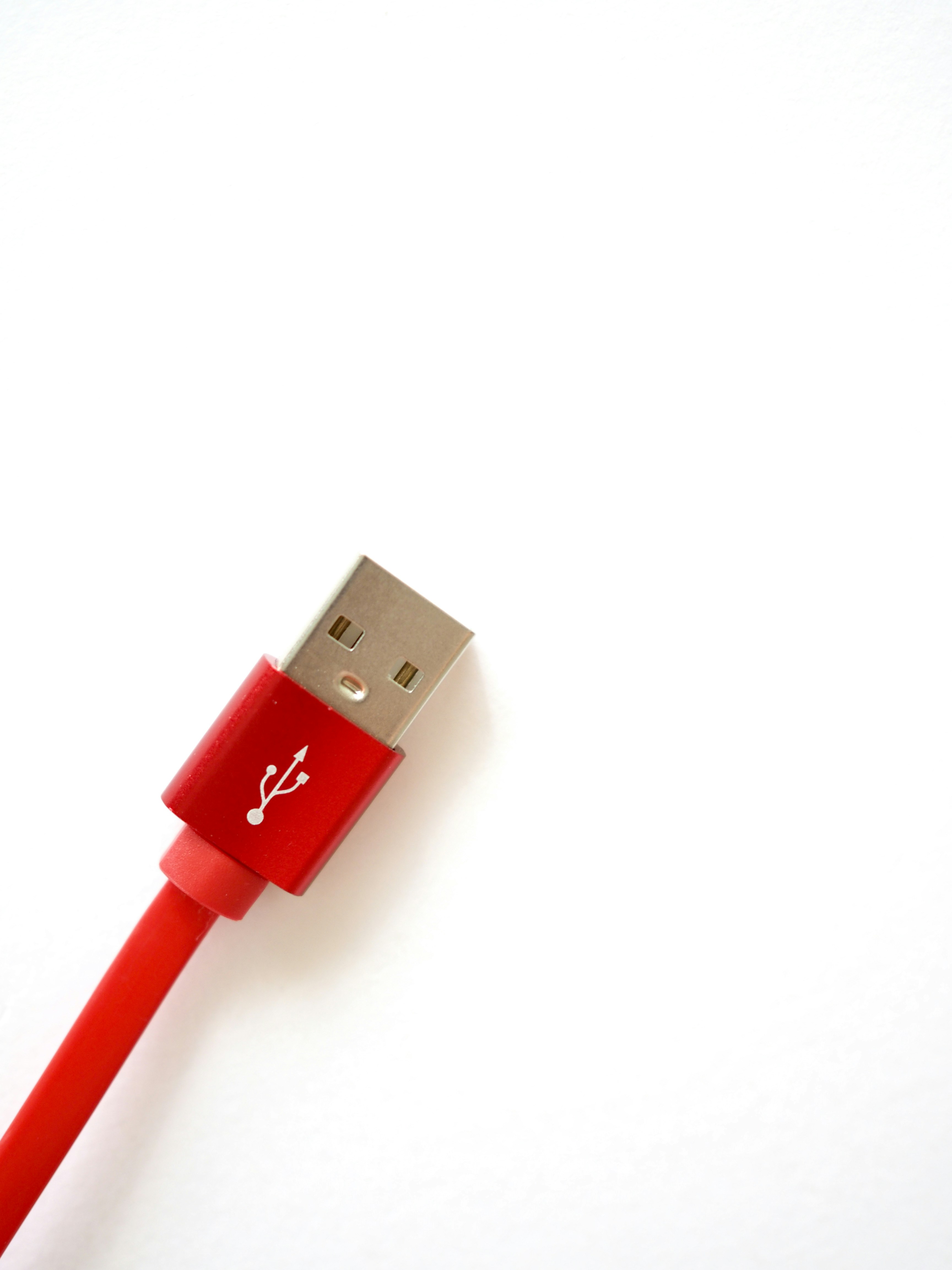
The USB 1.0 standard also defined the physical dimensions of connectors, establishing a universal design that manufacturers adhered to. The standard delineated two main types of connectors: Type-A and Type-B. The Type-A connectors were typically used on host devices like computers, while Type-B connectors were meant for peripheral devices. This aspect ensured compatibility across various devices, reducing the confusion and the need for multiple connections.
Overall, USB 1.0 set the groundwork for subsequent versions of the Universal Serial Bus standards. It addressed the growing need for a standardized connectivity solution that could support increasing peripheral device usage in personal and professional environments. Its legacy continues to influence modern USB implementations, laying the foundation for significant advancements in data transfer rates and connectivity options.
The Universal Serial Bus (USB) standard was introduced in the mid-1990s, providing a new method for connecting peripherals to computers. USB 1.0, the first generation of this standard, established significant benchmarks in data transfer capabilities. It supports two modes: low-speed, with a maximum data transfer rate of 1.5 Mbps, and full-speed, with peak performance of 12 Mbps. Understanding these rates is essential for appreciating the evolution of data transfer technologies.
The 1.5 Mbps low-speed mode was primarily designed for devices such as keyboards, mice, and game controllers, which do not require rapid data exchange. This speed was similar to that of the older serial ports, making USB 1.0 an attractive upgrade for many users. On the other hand, the full-speed mode at 12 Mbps allowed for faster data transfer, suitable for devices like printers and external storage drives. This dual-speed functionality provided versatility that was lacking in previous connection standards.
When USB 1.0 was launched, it offered a significant advantage over prevailing technologies, such as the parallel port, which could manage data transfers of up to 1.5 Mbps. However, other standards such as SCSI (Small Computer System Interface) could offer faster transfer rates, although at a much higher cost and complexity. The introduction of USB 1.0 resulted in a more user-friendly experience, which was a crucial factor in its widespread adoption.
Notably, the maximum data transfer rate of USB 1.0 was a stepping stone that set the foundation for subsequent versions. As technology evolved, later versions of USB, such as USB 2.0, dramatically increased data transfer rates, demonstrating how USB 1.0 was pivotal in shaping the landscape of connectivity and data transfer in computing.
Comparison with Other Data Transfer Standards
To understand the significance of USB 1.0 in the realm of computer data transfer, it is essential to compare it with other standards that were prevalent at the time. Among these are the Parallel Port and the Serial Port, both of which were commonly used before the advent of USB technology.
The Parallel Port, widely used in the 1980s and early 1990s, allowed for data transfer rates of up to 2 MB/s. This standard was primarily utilized for connecting printers and scanners. While the Parallel Port provided decent speeds for its time, it had several limitations, including a bulky connector with multiple pins, which made it less user-friendly compared to USB connections.
On the other hand, the Serial Port offered a different approach, employing a single pin for data transmission. It historically supported lower data transfer rates than the Parallel Port, typically in the range of 115.2 kbps to 1 Mbps. While it was simpler and more efficient for long-distance communication, the speed constraints of the Serial Port rendered it less competitive as newer technologies emerged.
USB 1.0 introduced a significant advancement in data transfer capabilities, offering a standard speed of 1.5 Mbps (Low Speed) and up to 12 Mbps (Full Speed). These rates surpassed both Parallel and Serial Port options, enabling faster connections for a range of devices, from keyboards and mice to external drives.
The introduction of USB 1.0 played a pivotal role in establishing a universal standard for data transfer. By simplifying device connectivity and enhancing transfer speeds, USB technology positioned itself as the preferred option in computing history. This evolution marked a critical transition away from older port standards, ultimately paving the way for USB’s dominance in data transfer standards today.
Limitations of USB 1.0
USB 1.0, introduced in January 1996, marked a significant development in the realm of computer connectivity, yet it came with substantial limitations that ultimately hindered its long-term usability. The most notable limitation is its maximum data transfer rate of 1.5 megabits per second (Mbps) for low-speed devices and 12 Mbps for full-speed devices. This transfer rate, while adequate for the era, appears exceedingly slow when compared to subsequent USB versions such as USB 2.0 and USB 3.0, which offer vastly improved speeds. The relatively low data transfer capabilities resulted in slower performance when transferring files, leading to user frustration as technology advanced.
Furthermore, USB 1.0’s bandwidth limitations presented challenges for various devices, especially those that demanded higher data throughput. For instance, peripherals like external hard drives, high-resolution webcams, and advanced audio interfaces often experienced bottlenecks due to the constrained bandwidth. Such limitations led to a situation where consumers were frequently dissatisfied with the performance of their devices, prompting many to seek alternatives that could accommodate their growing data transfer needs.
The impact of these limitations extended beyond mere device performance. As USB 1.0 became a standard interface for a plethora of devices, the inefficiencies began to affect user experience and productivity. Printers, scanners, and other essential peripherals often struggled to keep up with the growing demands for faster and more reliable connections. The constraints of USB 1.0 thus underscored the importance of continually evolving technology to cater to the rapid advancement of user expectations and digital requirements.
The Evolution from USB 1.0 to Modern USB Standards
The Universal Serial Bus (USB) interface was first introduced in 1996 with the USB 1.0 standard, offering a remarkable maximum data transfer rate of 1.5 Mbps (Low Speed) to 12 Mbps (Full Speed). This initial iteration laid the foundation for a versatile and unified connection interface, which addressed the complex need for various peripherals to connect seamlessly to computers.
As technology advanced, so did the requirements for speed and functionality. The release of USB 2.0 in April 2000 marked a significant leap forward in data transfer capabilities, with a maximum bandwidth of 480 Mbps. This enhancement allowed faster data transfer rates facilitating a wider array of devices such as external hard drives, digital cameras, and printers to function efficiently, thereby enhancing overall user experience.
Further evolution gave rise to USB 3.0, introduced in November 2008, which offered a staggering maximum data rate of 5 Gbps. This upgrade not only increased the speed by approximately tenfold but also introduced new features such as power management and data transfer optimization. The introduction of dual-bus architecture allowed USB 3.0 to support both legacy USB 2.0 devices and new high-speed devices, ensuring backward and forward compatibility.
Subsequent advancements led to USB 3.1 and USB 3.2, pushing the envelope even further with maximum transfer rates of 10 Gbps and 20 Gbps, respectively. These standards brought about various updates in physical connectors—such as the USB Type-C format—which enables higher power delivery and faster data transfer through a single cable. Modern USB standards now cater to a myriad of applications, including data-intensive tasks such as video editing and high-capacity storage solutions.
Overall, the progression from USB 1.0 to today’s advanced versions illustrates a remarkable trajectory of technological growth, aimed to satisfy increasing consumer demands for rapid and efficient data exchange.
Real-World Applications of USB 1.0
The advent of USB 1.0 marked a significant milestone in the connectivity landscape, establishing a versatile interface for various peripheral devices. Launched in 1996, it improved the way computers and peripheral devices communicated by offering a standardized method for connection. Many real-world applications emerged during this era, enabling substantial advancements in technology.
Printers, one of the earliest devices to leverage USB 1.0, experienced vast improvements in usability and functionality. Previously, parallel ports were the primary means of connection; however, USB provided a more efficient, plug-and-play experience that enabled faster setup and operation. The ability to connect printers using USB 1.0 allowed users to enjoy improved data transfer rates and the convenience of connecting multiple devices without hassle.
Similarly, digital cameras became accessible to a broader audience through the capabilities of USB 1.0. Before this standard, transferring images from cameras to computers was complicated and often involved proprietary interfaces or cumbersome methods like floppy disks. USB 1.0 simplified this process, allowing photographers to transfer high-resolution images directly to their computers in a fraction of the time it took before. This ease of connectivity played a crucial role in the widespread adoption of digital photography.
Storage devices, including external hard drives and flash drives, also benefited significantly from USB 1.0 technology. The protocol allowed users to connect external storage media seamlessly, facilitating the transfer of files and enabling data backup solutions accessible to everyday users. In the past, transferring large files was time-consuming and tedious, but with USB connections, it became a straightforward task, promoting the growth of portable storage solutions.
In essence, USB 1.0 was pivotal in transforming how peripheral devices connected to computers. Its adoption in printers, cameras, and storage devices not only enhanced performance but also democratized technology for the masses, paving the way for future advancements in connectivity.
Legacy of USB 1.0
The introduction of USB 1.0 marked a significant milestone in the evolution of data transfer technologies. Released in 1996, USB 1.0 brought a much-needed standardization to the way peripherals connected to computers, facilitating a streamlined user experience. Before its advent, users often faced the inconvenience of multiple connection standards, each requiring specific ports and cables. USB 1.0 simplified this by proposing a universal interface that enabled a wide range of devices—from keyboards to external hard drives—to be connected using a single type of port. This convenience set user expectations for device connectivity, paving the way for future innovations.
The technical specifications of USB 1.0 allowed for a maximum data transfer rate of 1.5 Mbps for low-speed devices and 12 Mbps for full-speed devices. Although these speeds may today be considered slow, they were revolutionary at the time, allowing for efficient data transmission between connected devices. The emphasis on user-friendly design and plug-and-play functionality not only enhanced ease of use but also influenced how manufacturers approached the development of future USB versions.
Furthermore, the legacy of USB 1.0 can be seen in its lasting impact on device interoperability and compatibility. As new technologies emerged, the need for a universal connection standard became increasingly crucial. USB 1.0’s framework laid the groundwork for subsequent versions, such as USB 2.0 and USB 3.0, which built upon its foundational principles, resulting in faster and more efficient data transfer rates. In today’s digital landscape, USB’s legacy continues to resonate, as nearly every new device incorporates USB technology in some form. Therefore, understanding the legacy of USB 1.0 is essential for appreciating the technological advancements that followed and shaping modern connectivity standards.
Conclusion: The Importance of Understanding USB 1.0
Understanding USB 1.0 is crucial as it serves as the foundation for the modern data transfer protocols we use today. Introduced in the mid-1990s, USB 1.0 revolutionized the way devices connected and communicated with computers, replacing a multitude of earlier connection methods that were cumbersome and often incompatible. The introduction of USB technology marked a significant leap in simplifying connectivity, allowing for the easy transfer of data and power between devices. Recognizing the historical significance of USB 1.0 provides valuable insight into the rapid evolution of technology.
Moreover, the maximum data transfer rate of USB 1.0, although modest by today’s standards at 1.5 Mbps for low-speed devices and 12 Mbps for full-speed devices, exemplifies the initial efforts to standardize data transfer rates in a world that had previously lacked such coherence. This initial framework paved the way for subsequent versions of USB, which improved upon speed and efficiency, culminating in the high-speed data transfers we experience with modern USB generations. Understanding this progression highlights the importance of technological advancements and their impact on our daily lives.
In conclusion, a comprehensive understanding of USB 1.0 is essential not only for appreciating the history of data transfer technology but also for recognizing how far we have come in terms of speed and functionality. As we continue to advance in a technology-driven society, the lessons learned from the development of USB standards will remain relevant, illustrating the continuing importance of innovation in the realm of data transfer protocols.