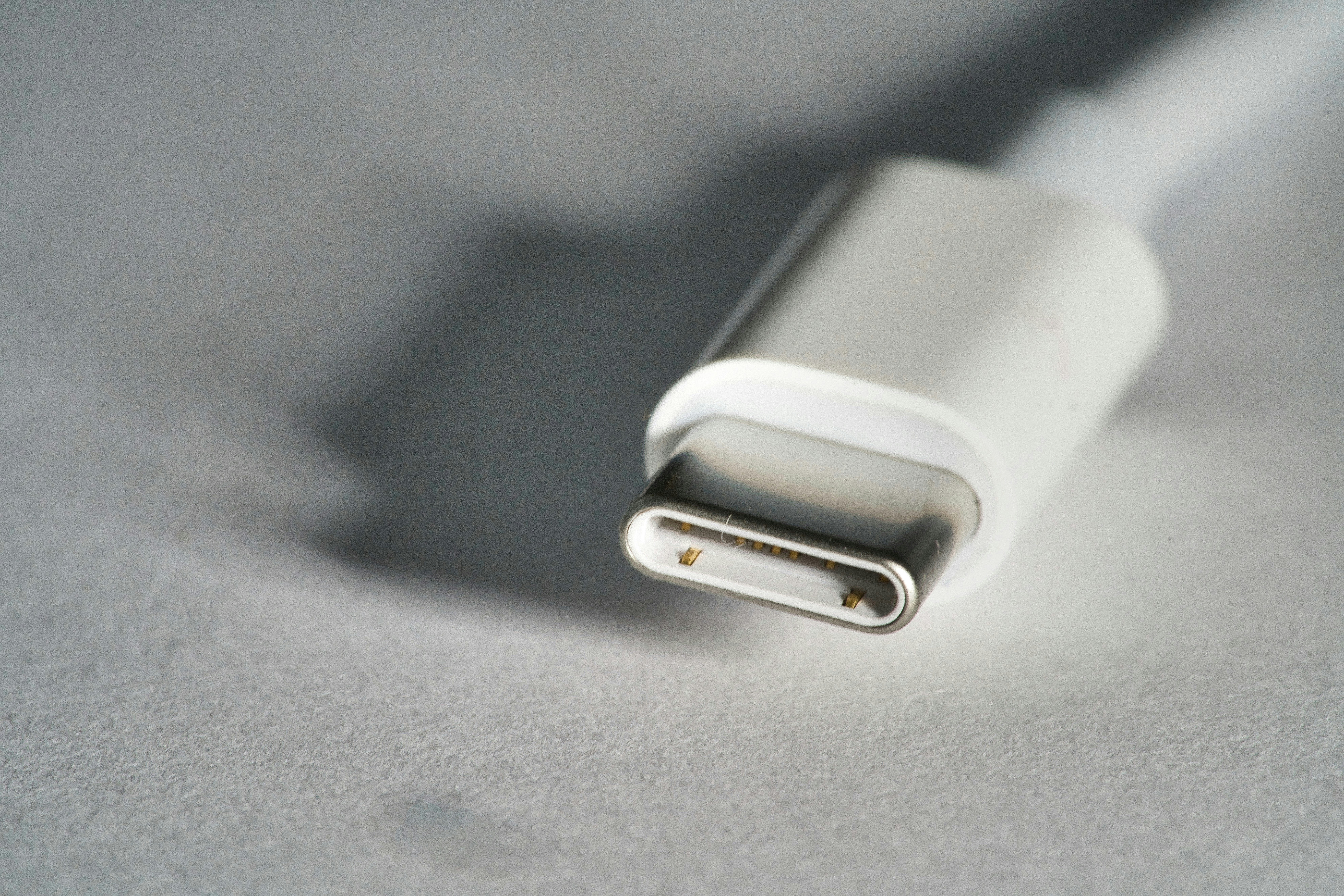
Introduction to USB Type-C
The USB Type-C connector is a universal interface designed to improve connectivity and efficiency across a variety of electronic devices. Introduced in 2014 by the USB Implementers Forum (USB-IF), this innovative connector was a significant advancement over its predecessors, such as USB Type-A and Type-B. The main goal behind its creation was to offer users a reversible connector that eliminates the frustration associated with incorrect plug orientation. This feature alone has contributed significantly to its popularity in modern technology.
USB Type-C is designed to support multiple protocols, allowing it to transmit data, video, and power simultaneously. This versatility has led to its adoption across a wide range of applications, from smartphones and laptops to tablets and accessories. Unlike older USB versions that offered limited power delivery capabilities, USB Type-C supports faster charging and can deliver up to 100 watts, which is essential for powering larger devices.
As we observe the ongoing evolution of technology, USB Type-C has swiftly gained traction within the market. Many leading tech companies have actively integrated this standard into their products, leading to a uniformity that simplifies the user experience. Consumers appreciate the convenience of using a single cable type for various needs, ranging from connecting peripherals to charging electronic devices.
Furthermore, as more devices and manufacturers embrace this standard, the economic and environmental implications become apparent. By reducing the number of cables and connectors needed, USB Type-C contributes to a decrease in electronic waste. The growing acceptance of USB Type-C within different sectors highlights not only its practicality but also its potential to reshape the landscape of connectivity in the future.
Understanding the Physical Design of USB Type-C
The USB Type-C connector represents a substantial evolution in physical design compared to its predecessors. One of the most notable attributes of this connector is its reversible design, allowing users to connect devices without worrying about the orientation of the plug. Unlike older USB connectors which had a specific insertion direction, this feature facilitates a more straightforward user experience, eliminating frustration often associated with incorrect plug insertion.
Another significant advantage of the USB Type-C design is its compactness. The dimensions of the Type-C connector are considerably smaller than those of earlier USB iterations, such as USB-A or USB-B. This reduced size makes it particularly ideal for modern electronic devices, which tend toward slimmer profiles without compromising their functionality. The compact design allows it to be used in an array of devices—from smartphones and laptops to smaller gadgets like tablets and wearables—broadening its applicability across various technology sectors.
Furthermore, the materials used in the construction of the USB Type-C connector also contribute to its durability and longevity. Typically composed of robust metals such as aluminum in the housing, along with high-quality thermoplastic for the shell, USB Type-C connectors are designed to withstand rigorous usage. Additionally, the internal wiring adheres to stringent specifications to support faster data transfer speeds and higher power delivery. This advancement in materials and design signifies a considerable leap forward, addressing the limitations posed by earlier USB types in terms of both physical integrity and practical performance capabilities.
Reversible Design: A Game Changer
The advent of USB Type-C has introduced a pivotal design feature that significantly enhances user experience: its reversible design. Unlike its predecessors, proprietary ports, and even earlier USB versions, USB Type-C connectors can be plugged in either way, which eliminates the common frustration associated with incorrect plug insertion. This simple yet revolutionary design change profoundly impacts how users interact with their devices.
This innovation addresses a frequent annoyance many users face when attempting to connect devices. Conventional USB connectors often require careful alignment before insertion, leading to repeated fumbling and orientation checks. A survey conducted by usability experts reported that 85% of users encountered difficulties, and many expressed irritation over having to flip their cables multiple times. The introduction of the reversible USB Type-C connector has mitigated these frustrations, contributing to a smoother and more efficient connecting process.
Furthermore, the ease of use offered by the USB Type-C’s reversible design is particularly beneficial in environments where users are less familiar with technology, such as in educational or senior living settings. Enhancing usability in these demographics can lead to increased adoption of technology and improved overall satisfaction.
Additionally, the intuitive design of USB Type-C promotes accessibility. Users are less likely to damage connectors or ports due to improper insertion, thereby extending the lifespan of both the cables and the devices they connect. This durability aspect adds to the overall value proposition of USB Type-C, emphasizing both convenience and functionality.
In conclusion, the reversible design of USB Type-C represents a remarkable evolution in connector technology. By prioritizing user experience and addressing common pain points associated with previous designs, USB Type-C enhances ease of use, accessibility, and reliability. The culmination of these benefits solidifies its position as a significant advancement in the world of technology connectors.
Durability and Longevity of USB Type-C
The USB Type-C connector has been designed with durability in mind, showcasing a robust build that significantly contributes to its lifespan and reliability. Unlike its predecessors, the USB Type-A and Type-B connectors, which are prone to wear and physical damage, the USB Type-C features a more resilient design. This is primarily due to its symmetrical shape and reinforced structure, which minimizes the risk of damage when inserting or removing the connector from devices.
One of the key factors that enhance the durability of USB Type-C is its construction materials. The connectors are typically made of high-quality metals and robust plastics resistant to wear and tear. This attention to material choice not only aids in physical resistance to impacts and bending but also ensures that the connectors can withstand daily use without compromising performance. Testing has shown that USB Type-C connectors have a longevity rating of up to 10,000 insertion cycles, significantly surpassing the ratings of older USB versions.
Moreover, the design of USB Type-C accommodates a secure connection, reducing the likelihood of disconnection during use. This secure fit also contributes to minimal strain on the connector and port, further preserving their integrity over time. In comparison, older USB connectors tended to wear down relatively quickly, leading to loose connections after repeated use. The versatility of USB Type-C, being bi-directional and able to support various devices, means that users are more likely to depend on this connector for multiple functionalities, enhancing its overall utility.
In an era where mobile devices are increasingly integral to daily life, the durability and longevity of USB Type-C connectors offer a vital advantage. For both users and manufacturers, investing in USB Type-C technology translates to improved performance, reduced need for replacements, and enhanced satisfaction with connectivity solutions.
Universal Compatibility: A Physical Advantage
The USB Type-C connector has emerged as a revolutionary development in the realm of electronic connectivity, providing universal compatibility across a wide array of devices. This modern interface is designed to work seamlessly with numerous technologies, including smartphones, laptops, tablets, and various peripheral accessories. As a result, it simplifies the user experience by allowing the use of a single cable type for multiple devices, which is a significant advancement over previous generations of USB connections.
One notable advantage of the USB Type-C connection is its reversibility, mean ing users can insert the connector in any orientation. This reduces the frustration often associated with traditional USB connectors which require specific alignment. Coupled with its robust design, USB Type-C not only supports faster data transfer rates but also accommodates higher power levels for quick charging of devices. This has become increasingly important as the demand for efficient charging solutions grows alongside advancements in technology.
The compatibility of USB Type-C extends beyond just smartphones and laptops; it is also utilized in modern accessories such as headphones, docks, and external storage devices. Many manufacturers have adopted this standard, ensuring that consumers can enjoy a streamlined setup that reduces clutter and enhances convenience. By eliminating the need for multiple cable types, USB Type-C fosters a more organized workspace while improving the overall user experience.
In essence, the USB Type-C’s universal compatibility represents a significant step forward in device connectivity. As technology evolves, this connector appears poised to remain at the forefront, uniting various devices under a single, efficient standard, and aiding users in their daily technology interactions.
Power Delivery and Efficient Design
The USB Type-C connector is engineered to optimize power delivery, setting it apart from its predecessors. With its unique physical design, USB Type-C enables not only enhanced data transfer rates but also accelerates charging capabilities significantly. This dual functionality makes it a versatile choice for a broad range of devices, from smartphones to laptops.
One of the key features of USB Type-C is its ability to handle up to 100 watts of power. This potent power delivery means that users can charge larger devices rapidly, reducing the downtime associated with conventional charging methods. Traditional USB connectors typically have limitations on how much power they can deliver, resulting in slower charging times. In contrast, the USB Type-C’s innovative design allows for a higher current and voltage through the same cable, thus streamlining the process of powering and syncing devices.
Additionally, the reversible nature of the USB Type-C connector enhances user convenience. There is no need to worry about the orientation of the plug, enabling a quick and intuitive connection process. This design element not only simplifies usage but also reduces wear and tear on the connectors, promoting longer durability over time.
Furthermore, the USB Power Delivery specification supports a wide range of devices, allowing for dynamic power management. This means that the power transfer can be intelligently adjusted based on the requirements of the connected devices, ensuring efficient energy usage across various applications. Consequently, tech enthusiasts and general users alike can appreciate the seamless integration of power and data transfer in a single, robust interface. The effective design of USB Type-C not only meets modern demands but paves the way for future innovations in connectivity.
Data Transfer Speeds and Format
The advent of USB Type-C has brought a significant transformation in the realm of data transmission capabilities, particularly in terms of speed and performance metrics. Unlike its predecessors, USB Type-C supports advanced protocols that enable data transfer rates of up to 40 Gbps when coupled with Thunderbolt 3 technology. This high-speed capability is essential for users across various sectors, including creative professionals, data analysts, and technology enthusiasts, who often require rapid transfer of large files and media.
One of the appealing features of USB Type-C is its versatility, supporting multiple data formats simultaneously. This means that users can connect devices that employ different protocols without the need for multiple cables. The ability to transmit data alongside video signals and power through a single cable streamlines workflows and improves overall efficiency. The physical design of USB Type-C contributes significantly to these performance metrics, with its reversible connector inevitably enhancing user convenience while contributing to a robust and stable data connection.
The implications of higher data transfer speeds extend beyond mere convenience. Industries that handle substantial data, such as video production and scientific research, benefit immensely from these advancements. The reduced time required for file transfers allows professionals to allocate more energy to creative processes rather than waiting for files to upload or download. Furthermore, as technology progresses, the demand for faster, more reliable data connections will only increase, positioning USB Type-C as a foundational element in the evolution of data transmission standards.
The Role of USB Type-C in New Technologies
The USB Type-C interface has rapidly gained prominence as a universal connectivity solution, particularly due to its versatile physical design. Unlike its predecessors, which often featured varying shapes and sizes that limited compatibility, USB Type-C boasts a symmetrical and reversible connector. This innovative design enhances user convenience and ensures that the cable can be inserted in either orientation, simplifying connections across multiple devices.
One of the most significant areas where USB Type-C has made a marked impact is in fast charging technologies. The USB Power Delivery (USB PD) protocol, utilized by USB Type-C, allows for the delivery of higher power levels. This capability means that devices can recharge significantly faster compared to traditional USB standards. Many smartphones and laptops now incorporate USB Type-C, making it easier for consumers to benefit from swift charging; ensuring that users spend less time tethered to charging cables.
In addition to fast charging, USB Type-C is becoming increasingly relevant in emerging technologies such as virtual reality (VR) and augmented reality (AR). The bandwidth capabilities of USB Type-C are instrumental in supporting high-definition graphics and low-latency data transfers, which are crucial for immersive experiences. Furthermore, as VR and AR technologies evolve, the need for adaptable and compact connection solutions becomes imperative—USB Type-C fulfills this requirement seamlessly.
Moreover, the continued adoption of USB Type-C across various sectors, including consumer electronics, automotive, and healthcare technologies, underscores its role as a key player in future tech landscapes. The design flexibility offered by USB Type-C supports a wide array of applications, further enhancing its significance in an era where devices are increasingly interlinked.
Conclusion: The Future of USB Type-C
As we have explored throughout this discussion, the USB Type-C standard boasts myriad advantages that are rapidly transforming the landscape of connectivity. Its reversible design eliminates the frustration often associated with plugging in traditional USB connectors, while providing enhanced durability that stands up to repeated use. The flexibility of USB Type-C is underscored by its capability to support a wide range of protocols, from power delivery to high-speed data transfer and multimedia output. Such versatility positions USB Type-C as a universal solution for both personal and professional applications.
Looking ahead, we can anticipate further developments and innovations surrounding USB Type-C technology. With its increasing adoption across numerous devices, including smartphones, laptops, and even peripherals, the potential for standardization in charging and data interfaces may lead to significant reductions in electronic waste. Integrating this technology across a diverse array of gadgets not only simplifies the user experience but also promotes sustainability within the tech ecosystem.
Furthermore, advancements in transmission speeds and power delivery capabilities are likely to enhance the performance of USB Type-C, making it even more appealing for future applications. As manufacturers continue to innovate and improve upon this standard, we can expect USB Type-C to become a staple in our daily technology use, streamlining how we connect and interact with our devices. In conclusion, the innovative physical design of USB Type-C does not merely serve to facilitate connections; it heralds a future teeming with potential for convenience, efficiency, and environmental consciousness for both consumers and industries alike.