Introduction to USB Technology
Universal Serial Bus (USB) technology has become a cornerstone of connectivity in the digital age, facilitating the efficient transfer of data and power across a myriad of devices. Introduced in 1996 with the USB 1.0 standard, it aimed to simplify the connection of peripherals to computers, replacing a multitude of different interfaces with a single, standardized approach. This fundamental change marked the beginning of an evolution that has seen several iterations of the USB standard, each enhancing performance and expanding the range of applications.
The transition from USB 1.0 to USB 2.0 introduced significant improvements, with data transfer rates escalating from 1.5 Mbps to 480 Mbps. This escalation opened new doors for device interconnectivity, allowing for faster and more reliable connections for a variety of applications including printers, external drives, and digital cameras. Following this, the introduction of USB 3.0 in 2008 brought yet another leap forward, with data transfer speeds reaching up to 5 Gbps, thereby accommodating the growing demands of data-intensive tasks.
As technology progressed, so too did the capabilities of USB, leading to USB 3.1 and the subsequent USB 3.2 versions, which introduced even higher speeds and enhanced power delivery. The latest iterations, including USB4, have integrated support for Thunderbolt 3 protocols, further amplifying the potential of USB technology in high-performance computing environments.
Today, USB technology is ubiquitous, found in everything from personal computers and mobile devices to gaming consoles and smart home appliances. The significance of this technology in modern electronics cannot be overstated; it has fundamentally transformed how consumers interact with their devices and has established a standard that is recognized and utilized globally. This evolution illustrates not only the adaptability of USB technology but also its lasting impact on the landscape of data transfer in contemporary electronic communication.
Understanding Superspeed USB
Superspeed USB, officially known as USB 3.0, is a significant advancement in the Universal Serial Bus (USB) standards that has transformed data transfer capabilities. Introduced in 2008, USB 3.0 marked a major leap from its predecessor, USB 2.0, which had been the prevailing standard since 2000. The hallmark of USB 3.0 is its vastly improved data transfer rate, capable of delivering speeds up to 5 Gbps, which is ten times faster than USB 2.0’s maximum rate of 480 Mbps.
One of the key features of Superspeed USB is its improved data transfer efficiency, achieved through various enhancements such as increased bandwidth, better power management, and advanced data encoding methods. The USB 3.0 specification introduced a new data path, which allows for simultaneous bi-directional data transfer. This means that data can be sent and received at the same time, a significant enhancement over the unidirectional system of USB 2.0.
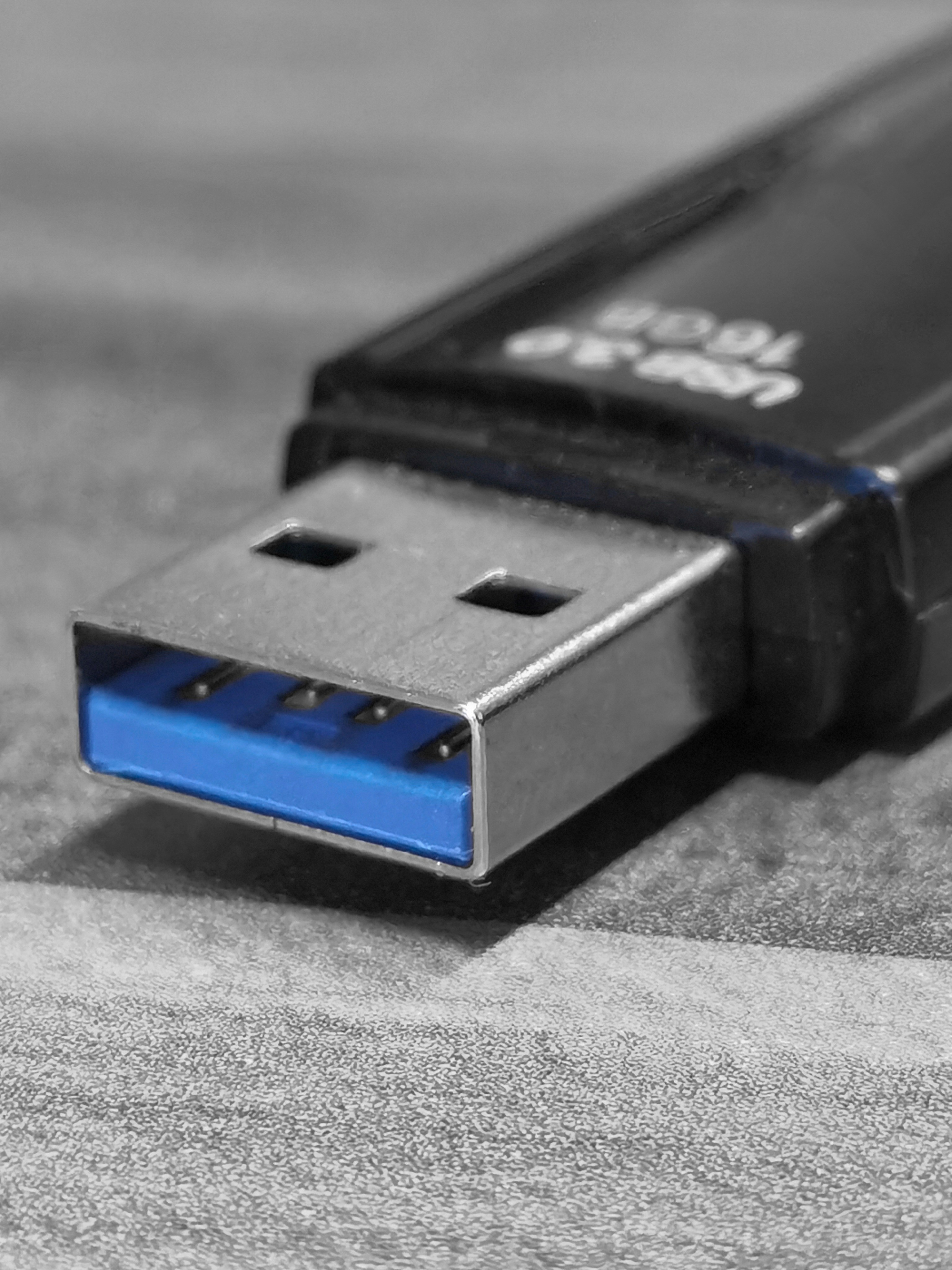
Moreover, the physical connector of USB 3.0 is designed to support backward compatibility with USB 2.0 devices, allowing users to connect older devices without a loss in functionality. This thoughtful integration has facilitated a smoother transition to USB 3.0 technology across numerous digital devices, such as external hard drives, flash drives, and various peripherals.
As technology progressed, newer iterations such as USB 3.1 and USB 3.2 emerged, further increasing data transfer rates and introducing new capabilities, such as power delivery and improved data management. Each version incrementally builds on the advancements of Superspeed USB, ensuring that users enjoy quick and reliable data transfers across a wide array of devices. This continued evolution in USB technology underlines its critical role in modern digital communication.
Technical Specifications of Superspeed USB
Superspeed USB, officially known as USB 3.0, has marked a significant advancement in data transfer technology, delivering superior performance compared to its predecessors. Primarily, the most notable feature of Superspeed USB is its maximum data transfer speed of up to 5 Gbps (gigabits per second), which is ten times faster than the USB 2.0 standard, which offers a maximum of 480 Mbps (megabits per second). This impressive speed allows for quick data transfers, making it especially beneficial for users transferring large files such as high-definition videos and extensive databases.
In addition to remarkable speed enhancements, Superspeed USB has made substantial improvements in power delivery capabilities. It supports higher power output, allowing devices to charge more rapidly, up to a nominal 900 mA compared to only 500 mA in USB 2.0. This increased power delivery not only facilitates faster charging times for smartphones and tablets but also supports a wider range of devices, such as external hard drives and peripherals that demand greater power. The implementation of power management features further optimizes energy usage, enhancing the overall efficiency of connected devices.
Compatibility is another critical aspect of Superspeed USB technology. It is designed to be backward compatible with previous USB versions, meaning that devices using USB 2.0 and even USB 1.1 can still function when connected to a Superspeed USB port. This compatibility ensures smooth transitions for users upgrading their technology while maintaining the ability to connect older hardware. By integrating better performance features while retaining legacy support, Superspeed USB continues to provide a robust and versatile solution for data transfer needs across a wide array of devices.
Benefits of Using Superspeed USB
Superspeed USB technology has significantly transformed the way devices communicate and transfer data. One of its most notable advantages is the remarkable speed of data transfer. With speeds reaching up to 10 Gbps, Superspeed USB allows users to transfer large files, such as high-definition videos or extensive databases, in a fraction of the time compared to its predecessors. This enhanced speed not only improves efficiency but also increases productivity for both personal and professional users.
Another important benefit is improved power management. Superspeed USB provides better energy efficiency through features such as power negotiation and selective suspend. These enhancements allow devices to manage power consumption more effectively, which is vital for portable and battery-operated devices. Consequently, users can enjoy longer usage times without frequent recharging, making this technology particularly beneficial for mobile devices such as smartphones, tablets, and laptops.
The capability of Superspeed USB to connect multiple devices simultaneously represents an additional advantage. With support for up to 127 devices per port, users can connect various peripherals without the hassle of constantly swapping cables. For instance, a user can connect an external hard drive, a printer, and a mouse all at once, thereby creating a more streamlined and organized workspace. This characteristic is especially beneficial in office environments and for creative professionals who rely on multiple devices to execute their tasks effectively.
In practical applications, the benefits of Superspeed USB can be observed in numerous technologies, including external storage solutions, high-definition audio and video devices, and network adapters. The combination of speed, power management, and multi-device connectivity positions Superspeed USB as a pivotal development in advancing modern technology, facilitating a more efficient and user-friendly experience.
The Role of Superspeed USB in Modern Devices
Superspeed USB technology, officially recognized as USB 3.0 and its subsequent iterations, plays a crucial role in the functionality and efficiency of contemporary devices. This evolution in USB technology allows for significantly higher data transfer rates compared to earlier USB versions. For instance, while USB 2.0 offers a maximum speed of 480 Mbps, Superspeed USB enables transfer rates of up to 5 Gbps, substantially enhancing data handling capabilities across a variety of applications.
In the realm of personal computing, the integration of Superspeed USB ports has become standard in most modern laptops and desktop computers. Users benefit from faster file transfers, whether it be moving large video files or transferring vast amounts of data between external hard drives and the computer. High-performance peripherals such as external SSDs and video capture devices leverage the speed of Superspeed USB to provide real-time performance that significantly improves workflow for creative professionals.
Moreover, smartphones have also embraced this technology, allowing users to experience quicker charging and rapid data transfer capabilities. Devices that support USB-C, which often incorporates Superspeed USB standards, can transfer data to accessories such as printers and storage devices without delay. For instance, a user transferring high-definition videos to a portable drive can accomplish the task in mere moments, an invaluable feature in today’s fast-paced environment.
Additionally, the compatibility of Superspeed USB technology with a wide range of peripherals including mice, keyboards, and audio interfaces enhances overall user experience. These devices benefit from reduced latency and improved responsiveness, ultimately contributing to a more efficient computing environment. As technology continues to advance, the presence of Superspeed USB in modern devices ensures that users are equipped for the challenges of data-heavy tasks, marking a pivotal shift in how we interact with technology.
Comparison with Other Data Transfer Technologies
In the ever-evolving landscape of data transfer technologies, Superspeed USB has established itself as a formidable contender alongside other prominent options such as Thunderbolt, Ethernet, and various wireless solutions. Understanding the strengths and weaknesses of each technology is vital for users seeking the most efficient means of data transmission.
Superspeed USB, particularly in its 3.0 and 3.1 iterations, offers impressive transfer rates of up to 5 Gbps and 10 Gbps, respectively. This makes it an ideal choice for everyday tasks, such as transferring files between external hard drives and computers. Thunderbolt, by contrast, provides even higher speeds – up to 40 Gbps with Thunderbolt 3. However, its greater complexity and higher cost often make it less accessible for average consumers and many commercial applications.
Ethernet technology frequently excels in numerous networking environments due to its reliability and stability. Standard wired Ethernet connections can handle gigabit speeds (1 Gbps), with advancements introducing even faster varieties. While Ethernet is suited for local area networks (LAN), it lacks the inherent portability of Superspeed USB devices, which can be easily transported and connected without cumbersome cabling.
Wireless solutions, including Wi-Fi and Bluetooth, offer convenience and flexibility that wired connections often cannot match. Yet, the bandwidth limitations, interference, and inherent speed reductions in wireless communications can detract from the user experience. While Superspeed USB provides robust performance in terms of speed and reliability, it does not possess the wireless convenience. Thus, each of these technologies presents unique advantages and drawbacks, underscoring the importance of selecting the appropriate solution to meet specific data transfer needs effectively.
Future of Superspeed USB Technology
The future of Superspeed USB technology holds promising advancements that could significantly alter the way data transfer is approached in various applications. As technological demands increase, the evolution of USB interfaces is critical in accommodating higher bandwidth needs. The upcoming USB 4.0, expected to deliver speeds of up to 40 Gbps, exemplifies this shift towards increased performance. This leap not only enhances data transfer speeds but also ensures compatibility across various devices, thereby streamlining the user experience.
Moreover, potential developments in Superspeed USB could introduce groundbreaking features. One such possibility is the integration of better power delivery systems. This would allow connected devices not only to transfer data at remarkable speeds but also to charge rapidly, mitigating the lengthy downtime associated with device charging. Further enhancements could involve improved cable designs aimed at minimizing interference, enhancing durability, and ensuring optimal performance standards.
In terms of connectivity, the future may see greater unification across devices, with Superspeed USB becoming the standard protocol for inter-device communication. This shift would facilitate seamless connections between a wide range of tech gadgets, further embedding this technology into daily use. The advent of wireless data transmission technologies may also interlink with Superspeed USB advancements, creating a hybrid of connectivity options that provide users with flexibility and efficiency.
Finally, as we navigate through an increasingly interconnected technology landscape, the role of Superspeed USB will be pivotal. As devices continue to demand high-speed data transfers, the enhancements made to future USB versions will undoubtedly play an essential role in meeting contemporary demands. Keeping a close watch on these developments will be crucial for stakeholders involved in technology and data management.
Common Issues and Troubleshooting Superspeed USB
As with any technology, the Superspeed USB interface can present a variety of issues that users may encounter during operation. One of the most common problems reported is connectivity issues. This may manifest as a device not being recognized by the computer or intermittent disconnections. A primary troubleshooting step is to ensure that the cables used are of good quality and compatible with the Superspeed USB standard. Inadequate or damaged cables can significantly affect performance.
Another frequent concern is data transfer speeds not meeting expectations. Users may notice their external drives or devices operating slower than promised. In these cases, it is crucial to check that both the ports on the computer and the devices connected support USB 3.0 or higher. Many systems have USB ports that are backward compatible with older versions, which may lead to a drop in transfer speed. Ensuring that the device is plugged into a Superspeed-enabled port is essential for optimal performance.
Furthermore, power supply issues can also impact functionality. Many USB devices require adequate power to operate effectively. If a device appears to be functioning erratically or is not powering on at all, checking the power source is important. For devices that are bus-powered, it may be beneficial to connect them to a powered USB hub to ensure they receive sufficient power.
Lastly, firmware and driver updates should not be overlooked. Keeping drivers for USB controllers updated can resolve compatibility issues and improve performance. Users can typically find updates on the manufacturer’s website or through system updates in their operating systems. Resuming normal operations after implementing these troubleshooting tips often provides a satisfactory resolution to common issues encountered with Superspeed USB devices.
Conclusion: The Importance of Superspeed USB in Technology
In the fast-paced digital landscape, the Superspeed USB technology significantly enhances data transfer capabilities, representing a pivotal advancement over its predecessors. With data transfer rates reaching up to 20 Gbps, this technology plays a critical role in streamlining tasks, especially for professionals dealing with large file sizes. The significance of Superspeed USB is most prominently felt in areas such as video editing, software development, and high-resolution media consumption, where speed is paramount.
The efficiency afforded by Superspeed USB translates directly into improved productivity. Devices equipped with this technology can transfer large volumes of data within a fraction of the time required by older USB versions. This not only optimizes workflow but also enhances user experiences across a multitude of applications and industries. Furthermore, the backward compatibility of Superspeed USB ensures that users are able to easily transition from older versions without sacrificing functionality.
Moreover, the continuous advancements in USB technology hint at even greater possibilities for the future. Developments such as power delivery features and enhanced security measures are paving the way for more efficient and secure data transfers. As technology evolves, remaining informed about these advancements becomes crucial for both consumers and professionals to leverage the full potential of their devices.
In conclusion, Superspeed USB stands as a cornerstone of modern technological innovation, fostering efficiency and speed in data management. Its importance in the technology landscape cannot be overstated, as it not only enhances performance but also sets a foundation for future developments in data transfer technology. Embracing this evolution is essential for all users aiming to optimize their digital experiences.