Introduction to Safety in Frontier Labs
Frontier laboratories, often characterized by their cutting-edge research and innovation, serve as crucibles for scientific and technological advancement. These spaces push the boundaries of knowledge and involve complex experiments that have the potential to transform industries and society. However, with the exhilaration of innovation comes a clear need for stringent safety measures to protect researchers, facilities, and the surrounding community. The integration of safety protocols in frontier labs is not merely an afterthought; it is a fundamental aspect that should be embedded within the culture of scientific exploration.
In frontier labs, researchers work with advanced materials, sophisticated machinery, and sometimes hazardous substances. Consequently, the risks associated with such facilities can be significant. Neglecting safety measures can lead to accidents that result in injuries, financial losses, or significant delays in research projects. Therefore, establishing a robust safety framework is paramount. This includes continuous training, proper equipment usage, and the implementation of emergency response protocols, which together constitute a comprehensive safety plan.
Moreover, the fast-paced nature of research in frontier labs can contribute to the oversight of essential safety practices. The drive for results may lead scientists to disregard standard operating procedures in favor of rapid experimentation. This attitude can foster a dangerous environment where accidents are more likely to occur. Recognizing the importance of a safety-first approach is essential, as it not only protects personnel but also enhances the reliability and credibility of the research being conducted.
Identifying Common Hazards in Frontier Labs
Frontier laboratories, often at the cutting edge of research and innovation, present various safety hazards that need diligent identification and management. The unique character of these facilities stems from their use of untested materials and technologies, which can pose significant risks if not handled correctly. Recognizing common hazards associated with chemical, biological, and physical risks is crucial to nurturing a safer laboratory environment.
Chemical hazards are prevalent in frontier labs, with researchers frequently engaging with novel compounds whose toxicity and reactivity profiles may be poorly understood. These materials can cause adverse health effects from inhalation, skin contact, or accidental ingestion. Proper storage, labeling, and disposal protocols must be established to mitigate the risks associated with chemical exposure. Moreover, the implementation of suitable engineering controls such as fume hoods and safety showers is essential in preventing accidents.
Biological hazards also constitute a significant threat within frontier laboratories. The exploration of novel microorganisms, genetically modified organisms, or viral agents increases the potential for biohazard incidents. Inadequate containment measures can lead to unintended exposure and outbreaks, which may have severe consequences not only for laboratory personnel but also for the public and the environment. Rigorous safety protocols, including the use of personal protective equipment (PPE) and adherence to biosafety regulations, are necessary to ensure safety in these dynamic settings.
Lastly, physical risks in frontier labs encompass ergonomic concerns, equipment-related accidents, and environmental hazards such as slips, trips, and falls. Be it the mishandling of lab equipment or insufficient safeguards against hazardous energy sources, research environments must incorporate comprehensive training programs to address these issues. Awareness and training are vital elements in minimizing risks and cultivating a safety-conscious culture amongst all personnel involved in such innovative endeavors.
Overview of Standard Safety Protocols
Safety protocols in laboratory environments are crucial for protecting not only the laboratory personnel but also the broader community from potential hazards associated with hazardous materials and processes. These protocols encompass various aspects, including the use of personal protective equipment (PPE), adherence to emergency procedures, and comprehensive safety training.
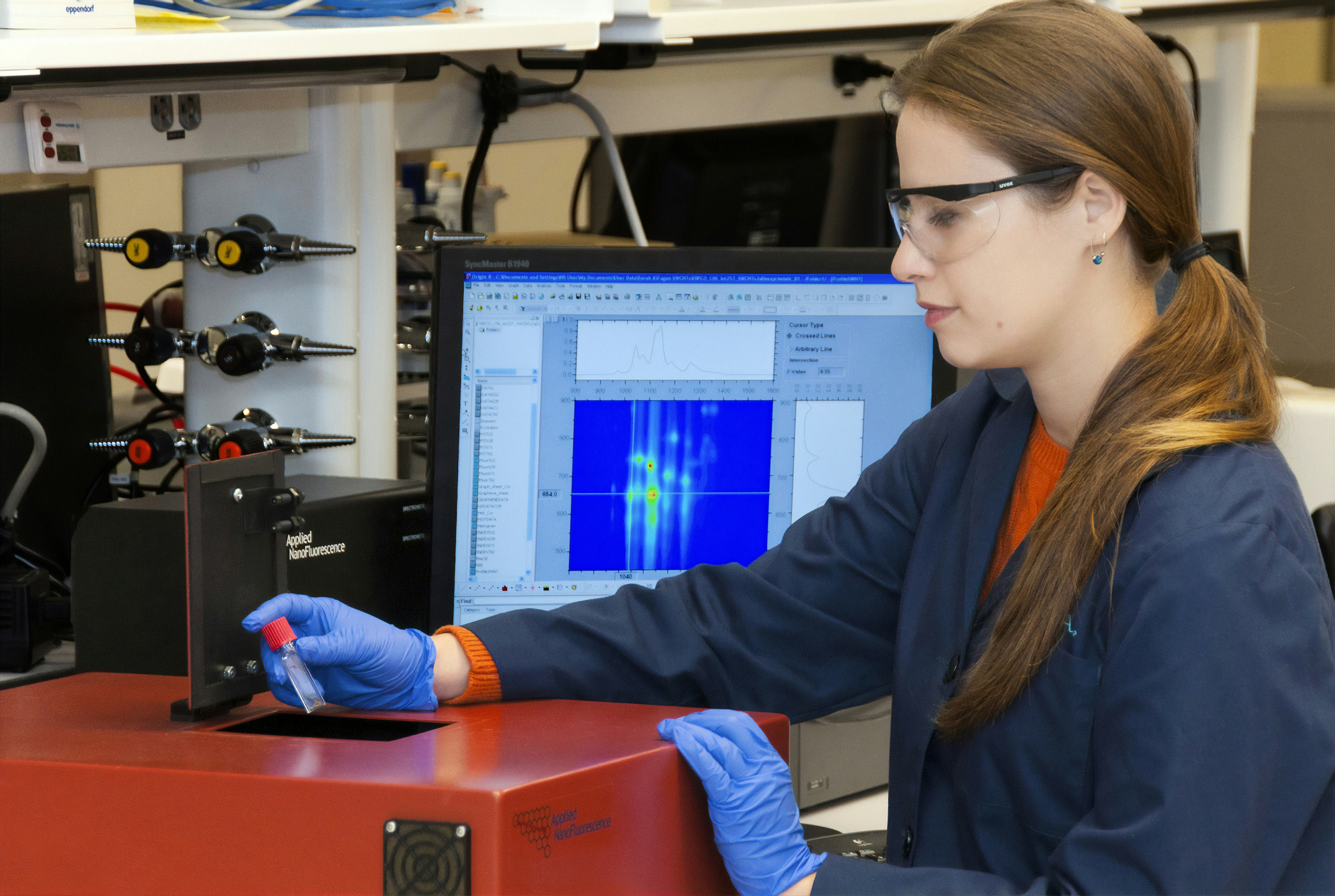
Personal protective equipment is a fundamental and mandatory requirement in laboratory settings. It includes items such as gloves, lab coats, goggles, and face shields, which serve as barriers to exposure to chemical, biological, or physical agents. The correct usage of PPE significantly mitigates the risk of injury and contamination, thereby ensuring a safer working environment. Training personnel on the proper selection and use of PPE is essential for maximizing its effectiveness.
In addition to PPE, well-defined emergency protocols are vital for promptly addressing incidents that may arise in laboratories. Emergency protocols typically include procedures for spills, chemical exposures, fires, and medical emergencies. Each laboratory should equip its staff with knowledge on how to execute these protocols efficiently, thereby minimizing risk during unexpected situations. Regular drills and updates to emergency plans can enhance preparedness and response times.
Safety training is another integral component of standard laboratory safety protocols. It serves to educate staff on operational hazards, proper equipment handling, and the importance of reporting unsafe conditions. Frequent training sessions and refreshers can help embed a culture of safety within the laboratory. By fostering an environment where safety is prioritized, laboratories can reduce the likelihood of incidents, ensuring that researchers can focus on their work with confidence.
Most Neglected Safety Measures
In the realm of frontier laboratories, safety is often relegated to a secondary concern in the pursuit of innovation and discovery. Several safety measures tend to be overlooked, significantly increasing the risk of accidents and injuries. One of the primary areas of neglect is the provision of adequate training for laboratory personnel. Proper training programs are essential to ensure that employees understand the hazards associated with their work and the appropriate responses to potential emergencies. Without this training, even experienced lab workers may not be aware of new protocols or technologies, resulting in dangerous situations.
Another critical area commonly ignored is the lack of regular safety drills. Routine drills play a vital role in familiarizing lab personnel with emergency procedures and ensuring an efficient response in the event of an incident. Neglecting these drills can lead to confusion and chaos during an actual emergency, potentially exacerbating the extent of injuries and damages.
Furthermore, inadequate personal protective equipment (PPE) is an issue that persists in many frontier laboratories. Some laboratories may provide minimal or outdated PPE, leaving workers unprotected from hazardous substances and accidents. The consistent use of appropriate PPE, tailored to specific tasks, is crucial for minimizing exposure to harmful agents.
The design of laboratory spaces also contributes significantly to safety oversights. Poor lab design, including inadequate ventilation and poorly organized workspaces, can lead to accidents. Safety should be at the forefront when designing laboratory environments to facilitate safe navigation and workflow.
Lastly, the neglect of equipment maintenance can lead to severe hazards. Regular inspections and maintenance of laboratory equipment are necessary to ensure proper function and safety. Malfunctioning equipment poses a risk not only to individual employees but also to the lab environment as a whole. Addressing these overlooked measures is integral to fostering a culture of safety within frontier laboratories.
Impact of Neglected Safety Measures
Neglecting safety measures in frontier laboratories can lead to a variety of serious consequences. One of the most significant risks is the potential for accidents and injuries, which can arise from improper handling of hazardous materials or equipment. Laboratory personnel are often exposed to various chemical, biological, or physical hazards that require strict adherence to safety protocols. When these protocols are ignored or inadequately enforced, the likelihood of spills, explosions, or exposure increases dramatically, resulting in potential harm not only to individuals but also to the surrounding environment.
Additionally, the loss of research materials can be devastating. Many frontier laboratories operate with limited resources, and an accidental spill or contamination event could lead to the destruction of invaluable samples or data, wasting both time and funding. The economic implications extend beyond immediate losses; institutions may face expensive cleanup processes, additional training for personnel, and the daunting prospect of compensatory measures for affected employees.
Legal repercussions can also arise from the neglect of safety measures. Laboratories are subject to various regulatory guidelines and standards aimed at ensuring the safe use of materials. Failure to comply with these regulations may result in investigations, legal actions, and financial penalties, which can further strain the institution’s resources.
Moreover, the reputational damage that follows an incident can be extensive. Institutions may find themselves scrutinized by the public, funding bodies, and peer organizations. Trust is essential in the academic and research communities; a single incident can alter perceptions and impact future funding opportunities and collaborations. In this context, the need for rigorous safety protocols in frontier laboratories is not merely a regulatory requirement, but a fundamental component of operational integrity and public confidence.
Case Studies of Safety Failures
In the realm of scientific research, safety measures are paramount for protecting personnel and ensuring the integrity of laboratory results. However, numerous case studies reveal that neglecting these protocols can lead to disastrous outcomes. One prominent example occurred at a university research laboratory where the handling of hazardous materials was inadequately addressed. An explosion caused by improper storage of volatile substances resulted in injuries to several researchers and significant damage to the facility. This incident not only disrupted ongoing projects but also raised serious questions regarding the laboratory’s safety culture.
Another notable case involved a biotechnology firm that experienced a significant biological spill due to lack of compliance with established containment protocols. The lab team failed to utilize appropriate personal protective equipment (PPE) during a microorganism experimentation phase, leading to contamination of the surrounding environment. This incident highlighted the dangers posed when safety measures are overlooked, showcasing how a single lapse can have far-reaching consequences not only within the laboratory but also beyond its walls.
Additionally, a clinical research organization faced severe ramifications when their failure to perform regular safety audits led to a major incident involving chemical exposure to staff. The organization neglected to monitor and replace outdated equipment, which malfunctioned during an experiment. Consequently, several employees were exposed to hazardous chemicals, necessitating evacuation and medical intervention. This underscores the necessity of maintaining vigilance in safety protocols and illustrates the flawed assumption that past compliance equates to future safety.
These case studies epitomize the integral role of rigorous adherence to safety measures in laboratories. They serve as crucial reminders that neglecting safety protocols can result in dire consequences, prompting a call for immediate action to bolster safety awareness and practices in frontier laboratories.
Recommendations for Improving Lab Safety
In the ever-evolving landscape of frontier laboratories, ensuring robust safety measures is paramount. Enhancing laboratory safety requires a structured approach, beginning with regular safety audits. These audits should examine existing protocols and equipment, identify potential hazards, and assess compliance with established safety standards. By conducting these assessments periodically, laboratory managers can identify weaknesses and take corrective actions before incidents occur.
Moreover, enhanced training programs for all laboratory personnel are essential. Training should cover the proper use of equipment, emergency procedures, and the handling of hazardous materials. Continuous education ensures that staff are up-to-date on safety procedures and can respond effectively in emergencies. Incorporating hands-on training and simulations into these programs can significantly improve preparedness.
Effective communication about risks cannot be overlooked. Regular safety meetings should be held to discuss potential hazards and reinforce the importance of adhering to safety protocols. Additionally, implementing a reporting system that allows staff to voice concerns or suggest improvements can foster an environment where safety is prioritized. Ensuring that all personnel feel empowered to speak up about safety issues enhances collective awareness and vigilance.
Furthermore, investing in advanced safety technology is crucial for mitigating risks in the laboratory environment. This includes upgrading ventilation systems, procuring personal protective equipment (PPE), and utilizing innovative monitoring devices that can detect hazardous conditions before they escalate. By leveraging technology, laboratories can not only enhance safety but also create a culture of safety consciousness among the staff.
Implementing these recommendations can significantly improve the safety landscape within frontier laboratories, ultimately protecting researchers and ensuring the integrity of scientific work. A proactive approach to safety promotes a healthy and productive laboratory environment.
The Role of Leadership in Lab Safety
Leadership plays a pivotal role in establishing and maintaining a culture of safety within frontier laboratories. The potential hazards present in these high-stakes environments necessitate a proactive approach to safety management, which can only be effectively implemented through strong leadership. Leaders are responsible for setting the tone regarding safety protocols, and their commitment to creating a safe workplace can significantly influence the behavior of staff members.
A key function of leadership in lab safety is communication. Establishing clear, consistent messaging about the importance of safety practices is vital. Leaders must promote an open dialogue where staff feel comfortable discussing safety concerns and reporting incidents without fear of reprisal. Regular safety meetings and training sessions can reinforce safety standards and remind personnel of their responsibilities. This continuous engagement helps to cultivate a lab culture where safety is regarded as a shared value among all team members.
Moreover, leaders should actively participate in safety initiatives. By modeling safe behaviors and adhering to established safety protocols, they not only demonstrate their commitment but also inspire others to follow suit. Investing in training and education for staff also signifies the importance placed on safety. When leaders prioritize and facilitate access to resources — such as training seminars, safety audits, and emergency drills — they empower their teams to take ownership of safety responsibilities.
Additionally, recognizing and rewarding safe practices can further enhance a safety-focused culture. Encouraging staff to adhere to guidelines and celebrating compliance fosters an atmosphere where safety is not merely a requirement but an integral aspect of laboratory operations. By emphasizing the critical nature of safety in frontier laboratories, leaders can significantly reduce the likelihood of accidents and enhance overall lab performance.
Conclusion: A Collective Responsibility
In contemporary scientific research, particularly within the context of frontier laboratories, the importance of stringent safety measures cannot be overstated. The unique challenges and complexities that arise in these innovative environments necessitate a holistic approach to safety and risk management. It is not merely a matter of adhering to established protocols; rather, it involves a collective responsibility among all stakeholders—including researchers, administrators, and policy makers—to actively engage in continuous improvement of safety practices.
Considering the rapid advancements in science, especially in fields that explore unchartered territories, there is an increasing potential for risks associated with unknown variables. Neglected safety measures can lead to catastrophic consequences, not just for the researchers but also for the surrounding community and the environment. Therefore, it becomes imperative to foster an organizational culture that prioritizes safety, encourages communication regarding potential hazards, and mandates regular reviews of safety protocols.
Moreover, training and education must transform from periodic sessions to a core component of laboratory culture, ensuring that everyone is well-equipped to handle safety challenges. The incorporation of robust incentive structures, compliance monitoring, and transparent communication channels regarding safety issues further enhances the collective endeavor towards creating a secure research environment.
In light of these considerations, the time is ripe for a paradigm shift that places safety at the forefront of scientific inquiry in frontier laboratories. Only through a concerted effort will we be able to effectively address the neglect in safety measures and ultimately protect not just the individuals within the laboratories, but also the broader society impacted by their findings.