Introduction to Architectural Innovations
Architectural innovation plays a pivotal role in the evolution of the built environment, encapsulating advancements in design, materials, and technology. As the global population continues to rise, and urbanization accelerates, the demand for innovative architectural solutions becomes increasingly critical. This drive to innovate is not solely about aesthetics or functionality; it is intertwined with the essential need for sustainability and resilience in our ever-changing world.
Innovation in architecture can manifest through various facets, including the development of new building materials, the integration of smart technologies, and the adoption of novel design philosophies. For instance, as environmental concerns escalate, architects are adopting more sustainable materials that reduce carbon footprints and promote energy efficiency. Innovative materials, such as self-healing concrete and advanced composites, not only improve durability but also challenge conventional building practices.
Technology continues to redefine the boundaries of architectural design. Building Information Modeling (BIM) and parametric design processes offer unprecedented control over complex projects, enabling architects to visualize and adapt designs efficiently. Moreover, smart technologies, such as IoT sensors and automated systems, are reshaping how buildings interact with their occupants and environment, enhancing both comfort and operational efficiency.
Finally, the philosophical approach toward design is evolving as architects increasingly emphasize user experience and the social context of their projects. By focusing on the needs of inhabitants and the surrounding community, architectural innovation can result in spaces that foster interaction and well-being. In an era where the pressures on our urban environments are intensifying, embracing architectural innovation is not just beneficial; it is imperative for creating a sustainable future.
Current Role of Transformers in Architecture
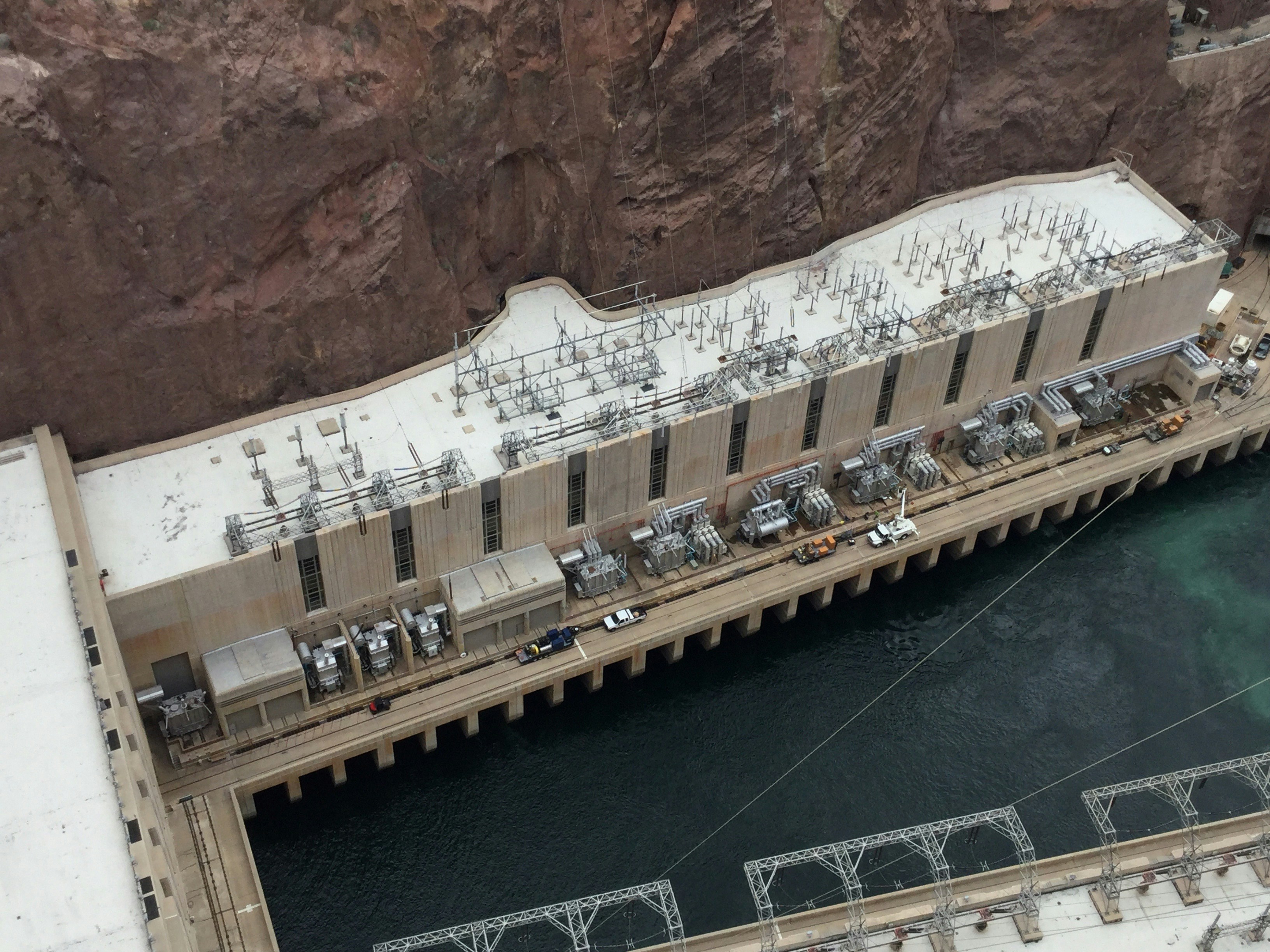
Transformers play a pivotal role in architectural design and infrastructure by serving as a crucial component in the management of electrical systems within buildings. Their primary function is to adjust voltage levels to ensure a safe and efficient distribution of electricity. This is especially important in architectural applications where varied voltage requirements exist depending on the specific use of space, including residential, commercial, and industrial settings. By converting high voltage electricity from power lines to lower, usable voltages, transformers help in preventing energy loss during transmission.
In modern architecture, transformers are embedded within the infrastructure to support the growing demand for electricity-driven systems, including lighting, HVAC, and smart technology applications. While this integration enables enhanced energy management, it also presents challenges. One significant concern is energy loss; transformers are not 100% efficient, with typical losses occurring during the conversion process. These losses can add up and contribute to overall energy inefficiency in building operations.
Maintenance issues further complicate the role of transformers in architectural settings. Over time, components can degrade, leading to failures or inefficiencies that pose risks to the continuous operation of electrical systems. Architects and engineers must thus consider accessibility for maintenance and potential upgrades in the design of buildings. Furthermore, the space requirements for housing transformers can sometimes conflict with aesthetic design considerations or limit usable floor space.
As the architectural industry moves toward sustainability, alternative solutions are being sought to address energy losses and maintenance challenges associated with transformers. This ongoing quest for improvement emphasizes the need to examine the role of transformers and explore innovative approaches to electrical management in architecture.
Emerging Technologies in Architecture
The architectural landscape is undergoing a significant transformation, fueled by emerging technologies that promise to replace traditional power systems such as transformers by 2030. These innovations encompass a variety of areas, notably renewable energy sources, smart grid systems, and advanced materials that improve energy efficiency.
Renewable energy technologies, such as solar panels and wind turbines, are gaining prominence within the architectural sector. Their integration into building designs reduces the need for transformers by enabling structures to generate their own energy. For instance, photovoltaic cells can be incorporated into facades, allowing buildings to harness solar energy directly, which minimizes the dependency on external electrical systems and decreases transmission losses typically associated with transformers.
Moreover, the advent of smart grid systems is facilitating more efficient energy distribution. These systems enhance real-time communication between energy producers and consumers, optimizing energy usage and reducing wastage. By employing advanced sensors and automated controls, smart grids can dynamically manage loads and integrate distributed energy resources, thereby reducing or negating the necessity for transformers in urban environments.
Advanced materials also play a crucial role in the reduction of energy consumption within architectural designs. Innovations in insulation techniques and energy-efficient materials can drastically cut down energy requirements for heating and cooling. Materials with phase-changing capabilities, for instance, can regulate indoor temperatures without extensive reliance on electrical heating or cooling systems, thereby lessening the overall electrical load.
Collectively, these emerging technologies represent a paradigm shift in the architectural sector. By emphasizing renewable sources, incorporating smart grid infrastructure, and utilizing advanced materials, the potential to eliminate the reliance on traditional transformers is becoming increasingly feasible, leading to a more sustainable and resilient built environment.
The Shift Towards Decentralized Energy Systems
The evolution of energy systems is increasingly gravitating towards decentralization, a paradigm shift that presents significant opportunities for innovation in building design and energy management. Decentralized energy systems, characterized by locally generated power and the integration of renewable sources, reduce reliance on traditional infrastructures such as large-scale transformer stations that have historically dictated energy distribution strategies.
At the forefront of this shift are microgrids, which are localized networks that can operate independently or in conjunction with the main power grid. Microgrids enhance energy resilience by minimizing transmission losses and accommodating a range of distributed energy resources (DERs), including solar panels, wind turbines, and energy storage systems. By incorporating these technologies, buildings can adjust their energy consumption in real-time, effectively balancing supply and demand while optimizing efficiency. This model also enables facilities to generate their own electricity, reducing dependence on fossil fuels and revitalizing community engagement in energy management.
The implications for building design are profound, as architects and engineers are challenged to create structures that not only conserve energy but also produce it. Incorporating renewable energy solutions, such as photovoltaic panels and energy storage systems, into architectural designs requires a fundamental rethinking of utility interactions. With residential and commercial buildings increasingly equipped with smart technologies, they can respond to grid demands, thereby ensuring affordability and minimizing environmental impact.
In the context of this transition, the role of conventional transformers is becoming less prominent, as decentralized energy systems utilize technological advancements to facilitate more efficient power distribution. Ultimately, the movement towards decentralized energy systems symbolizes a promising future for sustainable architecture, illuminating a path forward for energy independence and innovation that aligns with evolving environmental needs.
Sustainable Architectural Practices
Sustainable architectural practices are becoming increasingly essential as the world grapples with climate change and the need for energy efficiency. These methods focus on minimizing environmental impact while ensuring the structures meet the needs of their occupants. An integral aspect of this evolution is the potential reduction or elimination of transformer systems in favor of more sustainable alternatives. Through eco-friendly designs, architects are now prioritizing not just aesthetics but functionality that aligns with ecological considerations.
Passive building techniques play a significant role in sustainable architecture. By leveraging natural resources such as sunlight and wind, buildings are designed to maintain comfortable thermal conditions without relying heavily on mechanical systems. This approach reduces the overall energy demand, which consequently lessens the dependency on transformers that convert electricity for usage. Furthermore, by optimizing the building envelope, architects can minimize heat loss and gain, thus enhancing energy efficiency while naturally mitigating the need for extensive electrical infrastructure.
The implementation of regenerative energy systems is another critical component of sustainable architectural practices. Innovations such as solar panels and wind turbines are being integrated into structures, allowing them to produce renewable energy on-site. This shift is pivotal as it diminishes the reliance on external power systems and drastically reduces the energy consumption that typically necessitates transformers for conversion. Furthermore, advancements in battery storage technology offer the opportunity for buildings to store excess energy for later use, proving that the future of architecture can be both self-sufficient and environmentally responsible.
As we approach 2030, the intersection of sustainable practices and the elimination of transformers presents an exciting frontier for the architectural field, ensuring that future buildings contribute positively to both the environment and the community.
Case Studies of Transformer Alternatives
As the quest for more sustainable architectural designs continues to evolve, several innovative projects have successfully implemented alternatives to traditional transformers. One notable example is the Bullitt Center in Seattle, which integrates a sophisticated microgrid system. This project harnesses renewable energy produced on-site, relying primarily on solar panels. These panels not only help in reducing energy costs but also eliminate the need for bulky transformers, thus maintaining an aesthetically pleasing design while offering substantial environmental benefits.
Another significant case is the Bosco Verticale in Milan. This residential complex prominently features vertical gardens that contribute to energy efficiency through enhanced insulation. The buildings are equipped with advanced energy management systems that facilitate the direct use of energy generated from solar panels. By bypassing conventional transformers, the Bosco Verticale decreases energy loss and fosters a more sustainable urban living environment.
Additionally, The Edge, located in Amsterdam, showcases an innovative building management system that optimizes energy consumption through real-time data analytics. This project employs direct current (DC) microgrids, which allow for lower operational costs and enhanced energy efficiency. By utilizing advanced communication technologies, The Edge effectively reduces reliance on traditional transformers, ensuring that energy is consumed in the most efficient manner possible.
Each of these projects highlights a specific approach to overcoming the limitations associated with conventional transformer systems. They utilize cutting-edge technologies such as microgrids, advanced energy management systems, and renewable energy sources. In addition to reducing energy costs, these alternatives also promote environmental sustainability and contribute to a greener future. The success of these initiatives suggests that the architectural industry is gradually moving toward more innovative energy solutions that prioritize both efficiency and sustainability.
Challenges and Considerations
The transition from traditional transformers to innovative alternatives in architecture presents several challenges and considerations that must be addressed. One of the primary obstacles is the initial cost associated with the adoption of new technologies. While advancements like modular systems and decentralized power generation can offer significant long-term savings and efficiency, the upfront capital required for such technologies can be prohibitively high for many organizations. This leads to a critical examination of budget allocations and financial models that support sustainable practices without compromising project viability.
Another significant hurdle involves regulatory requirements, which can vary significantly from one region to another. Existing regulations may not adequately accommodate the new technologies being proposed, leading to delays and complications in project approvals. Organizations looking to implement alternative architectural solutions must navigate a complex landscape of compliance issues, which can be both time-consuming and resource-intensive. It becomes essential for stakeholders to engage with local regulatory bodies early in the process to ensure alignment and avoid setbacks.
Furthermore, the successful implementation of new architectural technologies demands a skilled labor force capable of managing these innovations efficiently. The current industry is facing a shortage of professionals trained in emerging technologies, which poses questions about workforce development and training. It is crucial for educational institutions, industry leaders, and governments to collaborate in creating programs that equip workers with the necessary skills for a future that increasingly relies on sophisticated architectural solutions. Providing the workforce with appropriate training not only addresses immediate labor shortages but also fosters a culture of continuous improvement and innovation.
Future Trends in Architecture and Energy Management
As we progress toward 2030, the landscape of architecture and energy management is poised for significant transformation. One of the most notable trends that is emerging involves the integration of smart technologies into architectural design. This integration is not merely a passing fad; it is reflective of a broader shift toward sustainable practices. Smart buildings will utilize sensors and automated systems to optimize energy consumption, consequently reducing overhead costs while enhancing occupant comfort.
Another important trend is the increased emphasis on green architecture. The construction industry is becoming increasingly aware of the environmental impact of traditional building practices. Consequently, architects are investing in sustainable materials that can lower carbon footprints and improve energy efficiency. For instance, the use of recycled materials and innovative insulation techniques is expected to become more prevalent as regulations evolve to encourage sustainable building.
Energy management systems that incorporate renewable energy sources are also anticipated to gain traction. With solar panels and wind turbines becoming more commonplace, buildings will increasingly be designed to generate their own energy. This not only contributes to sustainability goals but also fosters energy independence. Furthermore, architects will likely incorporate features that enable buildings to adapt to local climate conditions, ensuring resilience against extreme weather events fueled by climate change.
Collaboration between architects, engineers, and environmental scientists will play a crucial role as these professionals share knowledge and insights that drive innovation in both design and energy management. This interdisciplinary approach will lead to robust architectural practices that are not only aesthetically pleasing but also functionally adept at managing resources effectively.
Overall, the convergence of technology, environmental concerns, and collaborative efforts will redefine the future of architecture and energy management. By 2030, we can expect to witness a paradigm shift that promotes efficiency, sustainability, and resilience in the built environment.
Conclusion: Looking Ahead to 2030
As we conclude our exploration of architectural innovation in the context of energy distribution, it becomes clear that the future holds immense potential for advancements that could render traditional transformers obsolete. The urgency of addressing energy efficiency and sustainability has never been greater, and the architectural design community is poised to lead this transformation.
The key takeaway from our discussion is the diverse range of emerging technologies, such as decentralized energy systems, smart grids, and alternative energy generation methods. These innovations not only promise enhanced efficiency but also align with the global push towards a more sustainable future. By 2030, the integration of these advancements into architectural practices could play a pivotal role in how we harness and distribute energy, fundamentally altering existing paradigms.
Moreover, the architectural landscape will likely see a paradigm shift towards adaptive and resilient designs capable of responding to changing energy demands and environmental challenges. With the rise of technologies such as energy harvesting fabrics and biophilic designs, we may witness buildings that generate their own energy, use resources more effectively, and adapt to climatic changes in real-time.
It is imperative for architects, engineers, and policymakers to collaborate and envision a future where these innovations are not merely aspirations but practical realities. As we navigate this rapidly evolving technological landscape, the proactive adaptation of architectural strategies will be crucial. In considering what comes after transformers, we must remain vigilant and open-minded, embracing the opportunities that lie ahead as we move towards a sustainable architectural future.