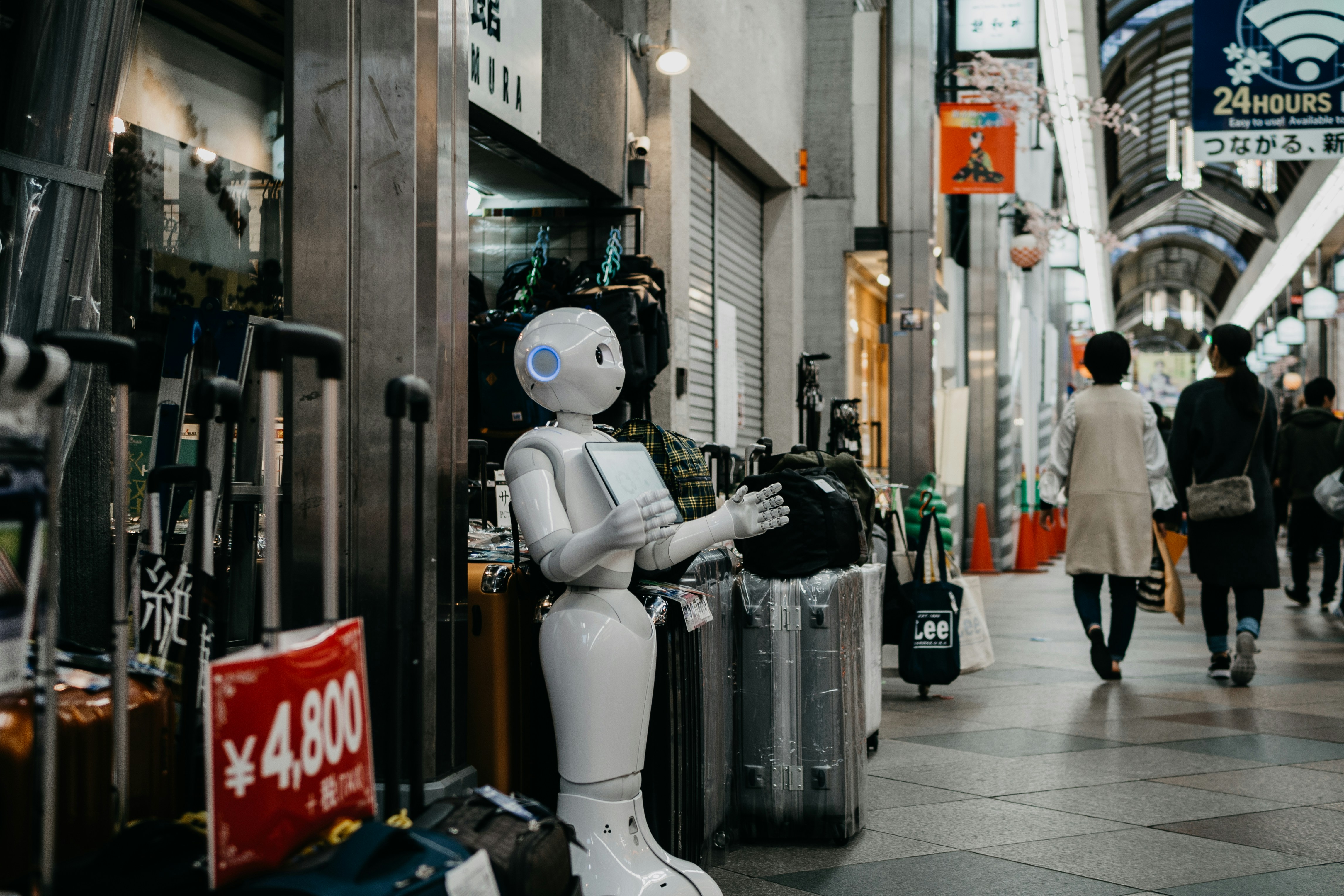
Introduction to Humanoid Robots
Humanoid robots are advanced machines designed to physically resemble human beings. They integrate a variety of sophisticated technologies, including artificial intelligence, machine learning, and robotics, enabling them to perform tasks that traditionally require human interaction. The design of these robots varies from simple mechanical structures to highly complex androids equipped with advanced sensory systems.
In the market today, humanoid robots can be categorized into several types based on their functionality. Some are designed specifically for research and development purposes, such as those found in laboratories or academic institutions. Others are tailored for commercial applications, such as customer service robots that assist in retail settings or kiosks in public spaces. Advanced humanoids, like ASIMO or Sophia, are capable of more intricate interactions, including recognizing faces, carrying on conversations, and even learning from their environment.
The capabilities of humanoid robots are continually evolving. Modern models can perform a range of tasks, from visually navigating complex spaces to executing precise motions like picking up objects and providing assistance to individuals with disabilities. The technology behind these robots encompasses not only robotics but also computer vision and speech recognition systems, which help them better understand and engage with their surroundings.
In urban environments, the potential applications for humanoid robots are substantial. They can operate in a variety of settings, from hospitals to shopping malls, providing services that enhance efficiency and accessibility. As cities like Patna continue to develop, the integration of humanoid robots into daily life could revolutionize how services are delivered, demonstrating their utility in running errands and assisting residents.
As urbanization accelerates in Patna, residents face numerous challenges that hinder daily life and productivity. Among these challenges are traffic congestion, safety concerns, and the time-consuming nature of errands. These conditions necessitate innovative approaches to streamline daily tasks for citizens, thereby enhancing overall quality of life. Humanoid robots designed for running errands could potentially serve as an effective solution to address these pressing needs.
Traffic congestion in Patna has become a significant issue, leading to increased travel times and frustration for residents. The influx of vehicles in a rapidly urbanizing environment clogs major roadways and complicates navigation. By deploying humanoid robots capable of efficiently traversing urban landscapes, the burden of traffic-related delays could be alleviated. These robots could manage tasks such as grocery shopping, package delivery, and even pharmacy visits, ensuring that residents spend less time in transit and more time on essential activities.
Another prevalent concern is the lack of personal safety, particularly in crowded areas. Residents often hesitate to travel alone or run errands, fearing theft or harassment. Humanoid robots equipped with advanced sensors and communication capabilities can act as reliable companions in public spaces, promoting safer environments for individuals, especially vulnerable populations such as the elderly or women. This robotic presence could enhance feelings of security while allowing individuals to pursue their errands without anxiety.
Moreover, the daily grind of chores consumes valuable time that residents could spend on more productive or pleasurable activities. A humanoid robot that can efficiently handle errands offers a practical solution, enabling individuals to reclaim this time. By integrating technology into everyday tasks, these robots can substantially improve how Patna’s residents manage their day-to-day activities, fostering a more efficient urban experience.
In summary, the introduction of humanoid robots for errand-running in Patna possesses the potential to address key urban challenges, enhance personal safety, and simplify time management for its residents.
Current State of Robotics in India
India’s robotics landscape has witnessed significant advancement over the past decade, driven by innovations in artificial intelligence, machine learning, and automation technologies. The integration of robotics into various sectors such as healthcare, agriculture, and manufacturing has not only enhanced productivity but has also addressed societal challenges, thereby showcasing the potential for humanoid robots in urban environments like Patna.
Various initiatives and projects are currently underway aimed at deploying robotics technology to improve daily life. For instance, the government has launched programs like the Digital India Initiative that emphasize the use of smart technologies, including robotics, in urban development. In academia, numerous research institutions are focusing on humanoid robotics, developing robots that can perform tasks traditionally handled by humans. These advancements range from social interaction models to physical assistance applications.
The public perception of robotics in India is also evolving. While there remains a level of skepticism about robots replacing human jobs, many people recognize the potential benefits of employing humanoid robots to undertake mundane or hazardous tasks. This evolving mindset encourages further investment in robotics research and application, demonstrating a growing acceptance of these technologies in everyday life.
Notable examples of robotics deployment include ASIMOV, a humanoid robot designed to assist the elderly, and robotic solutions in the agricultural sector that enhance efficiency in farming practices. Research and development continue to flourish, aiming to overcome existing challenges such as affordability and accessibility. As the robotics field evolves, the vision of humanoid robots running errands and assisting daily tasks in cities like Patna seems increasingly feasible.
Potential Errands for Humanoid Robots in Patna
Humanoid robots have the capability to streamline various errands in urban settings such as Patna, where the demand for efficiency is ever-increasing. One notable area where they can offer significant assistance is in delivery services. These robots can be programmed to transport packages or parcels from one location to another, thus relieving the pressure on local delivery personnel and addressing the growing e-commerce demands. By automating delivery tasks, businesses can enhance their operational efficiency while also reducing delivery times.
Another important errand that humanoid robots could efficiently manage is grocery shopping. Equipped with advanced navigation systems, these robots can traverse grocery stores, select items based on predefined shopping lists, and then return to customers’ homes. This could be especially advantageous for those with disabilities, elderly citizens, or individuals with busy schedules, adding a new level of convenience to grocery procurement.
Moreover, humanoid robots can potentially take on basic hospitality tasks. In restaurants or hotels, these robots can greet customers, take orders, and deliver food to the tables. This not only optimizes service time but also allows human staff to focus on more complex customer interactions, thus improving overall customer satisfaction. The implementation of such robotic solutions in these sectors can transform traditional workflows and enhance the quality of service.
In conclusion, the integration of humanoid robots into the daily errands of Patna can yield significant social benefits. Through improved efficiency in delivery services, grocery shopping, and hospitality tasks, these advanced machines can contribute to a more organized urban environment, positively impacting the lives of residents.
Technological Challenges and Limitations
The integration of humanoid robots into the bustling streets of Patna presents several notable technological challenges and limitations. One of the primary concerns is navigation in dense urban environments, where obstacles are abundant and space is often constrained. These robots must be equipped with advanced sensors and algorithms to effectively interpret their surroundings, detect pedestrians, cyclists, and vehicles, and navigate through diverse terrains such as uneven pavements and crowded marketplaces.
Moreover, the adaptability of humanoid robots is crucial in the face of unforeseen circumstances. The streets of Patna are dynamic, with frequent changes regarding road conditions, or sudden events like street festivals or construction works. Robots must possess the capability to learn from these changes and adjust their actions accordingly. This requires sophisticated artificial intelligence systems that can not only make real-time decisions but also generate accurate predictions of potential hazards.
Real-time data processing is another essential component for effective functionality. To successfully execute errands, humanoid robots need to continuously analyze incoming data from their environment. This includes interpreting visual information from cameras and understanding auditory signals from their surroundings. However, current technology struggles with fast and efficient processing of large volumes of data, which can hinder the robots’ performance, causing delays or even accidents. Thus, addressing the technological limitations in real-time data processing is vital for the safe operation of humanoid robots in Patna.
Overall, while advancements in robotics offer promising pathways for implementing humanoid robots in urban centers, overcoming these technological hurdles is imperative. To ensure that such innovations can truly enhance everyday tasks in Patna, ongoing research and development efforts must focus on improving navigation, adaptability, and data processing capabilities.
Public Acceptance and Ethical Considerations
The introduction of humanoid robots into the streets of Patna presents a unique set of challenges regarding public acceptance and ethical considerations. As society progresses towards greater reliance on artificial intelligence (AI) and robotic systems, understanding how these innovations are received by the public becomes paramount. Acceptance will largely depend on how well these humanoid robots are integrated into daily life and their perceived utility.
One primary concern about humanoid robots performing errands is job displacement. The fear that robots would take over tasks traditionally performed by human workers can lead to resistance among the workforce. While such machines can improve efficiency and potentially reduce operational costs, the displacement of jobs poses significant socio-economic dilemmas. Finding a balance between productivity enhancement and protecting the interests of human workers is crucial, and public discourse will likely shape policy decisions regarding this balance.
Another critical factor is the ethical implications surrounding privacy. As humanoid robots navigate public spaces, the capacity for data collection raises concerns about surveillance and the potential misuse of personal information. It is essential to establish guidelines that protect individual privacy while still allowing robots to function effectively in their designated roles. Moreover, the trust in robotic systems heavily influences public acceptance. If the community perceives these humanoid robots as safe, reliable, and beneficial, they are more likely to embrace their integration into everyday life.
In conclusion, fostering public acceptance of humanoid robots requires addressing ethical considerations, such as job displacement and privacy matters, alongside building trust in their capabilities. A proactive approach involving community engagement, transparency, and education can mitigate concerns and enhance acceptance of this technological progression in Patna.
Case Studies from Other Cities
Humanoid robots have already begun to transform urban environments across various cities around the world, showcasing both their potential and the challenges they face in navigating real-world applications. One notable example is Japan, where humanoid robots like Sophia and ASIMO have been employed in roles ranging from customer service to health care assistance. These robots have demonstrated an impressive ability to interact with humans, giving valuable insights into how such technology could be implemented in a city like Patna.
Another significant case can be observed in San Francisco, where robots such as Cherry and Robby have been tasked with delivering food and packages within urban settings. They operate in close proximity to pedestrians and cyclists, highlighting the importance of addressing safety and efficient navigation in busy streets. While these robotic delivery systems faced initial skepticism regarding reliability and safety, they managed to adapt through user feedback, leading to improved designs and functionalities. The San Francisco experience emphasizes the necessity of incorporating community input and having regulatory frameworks in place to mitigate any potential disruptions.
In contrast, the experience in Barcelona serves as a cautionary tale of the challenges that can arise when implementing robotic technology in public spaces. Here, humanoid robots designed for providing information and guiding tourists were met with mixed reactions. Technical glitches and issues with communication hindered their smooth operation, underscoring the significance of rigorous testing and iterative improvements before full deployment. Accordingly, this case reveals the critical need for pilot projects and thorough assessments in urban areas like Patna, aimed at ensuring that technology effectively serves its intended purpose.
These global case studies underscore the potential of humanoid robots in enhancing city life while simultaneously revealing the inherent challenges they face. The experiences from other cities can offer valuable lessons, guiding Patna in implementing humanoid robots appropriately and effectively in urban errands.
Government Policies and Regulations
In India, the rapidly evolving landscape of robotics technology, particularly in urban contexts like Patna, is shaped significantly by government policies and regulations. The integration of humanoid robots into daily life is not just a technical challenge; it is also a regulatory one. The Indian government has recognized the potential of robotics to enhance productivity, efficiency, and service delivery in cities, which has led to the establishment of an enabling environment.
Several initiatives demonstrate the Indian government’s commitment to fostering robotics development. For instance, the Department of Science and Technology launched programs aimed at promoting research and innovation in artificial intelligence and robotics. Such actions reflect a policy framework that supports the advancement of robotics in various sectors, including healthcare, education, and urban services. By providing funding and resources, these initiatives pave the way for humanoid robots to perform useful errands in city environments.
Moreover, urban planning regulations are evolving to accommodate robotic technologies. City planners in Patna are exploring guidelines that define the safe and effective deployment of robots in public spaces. This includes establishing parameters for how humanoid robots can interact with pedestrians and vehicles, ensuring safety and efficiency in their operations. These regulations can significantly reduce the barriers for businesses and entrepreneurs wishing to introduce robotic solutions into the local market.
Additionally, the Indian government is engaging in international collaboration to share best practices and leverage global advancements in robotics regulations. By learning from the experiences of other nations, India can adapt policies that not only facilitate the integration of humanoid robots in daily life but also ensure that such technologies are used responsibly. As these efforts continue, Patna could witness a transformation where humanoid robots become integral parts of urban daily activities, supported by coherent and forward-thinking policies.
Future Outlook: Humanoid Robots in Patna
The advent of humanoid robots is poised to transform the urban environment significantly, particularly in cities like Patna. As technology strides forward, we can expect humankind to witness enhanced capabilities of these robotic entities, potentially making them invaluable aids in daily life. These machines will not only execute errands but will also adapt to the cultural and social nuances of Patna, facilitating interactions and engagement with local citizens.
One critical advancement can be foreseen in the field of artificial intelligence (AI). As AI becomes more sophisticated, humanoid robots will gain improved understanding and responsiveness to human emotions and behaviors. Enhanced sensory and processing capabilities would enable these robots to navigate the bustling streets of Patna more effectively, performing tasks such as delivering groceries or assisting elders in transportation. Such developments would foster a sense of community, as humanoid robots might become familiar figures, recognized and trusted by the residents.
Moreover, the integration of robots into everyday life could yield profound societal changes. For instance, labor dynamics may shift as humanoid robots take on repetitive tasks, allowing humans to focus on more creative and strategic roles. Employment sectors might evolve, requiring workers to develop new skills to collaborate with robotic coworkers. As robotic presence becomes routine, public attitudes and perceptions will likely adapt, potentially leading to an increased acceptance of robotic contributions in urban settings.
In conclusion, the future of humanoid robots running errands in Patna appears promising, signifying a potential integration that values both human and robotic strengths. The journey towards harmonious coexistence will be shaped by technological progress and societal adaptation, hinting at a new era of communal life influenced by artificial intelligence and robotics.