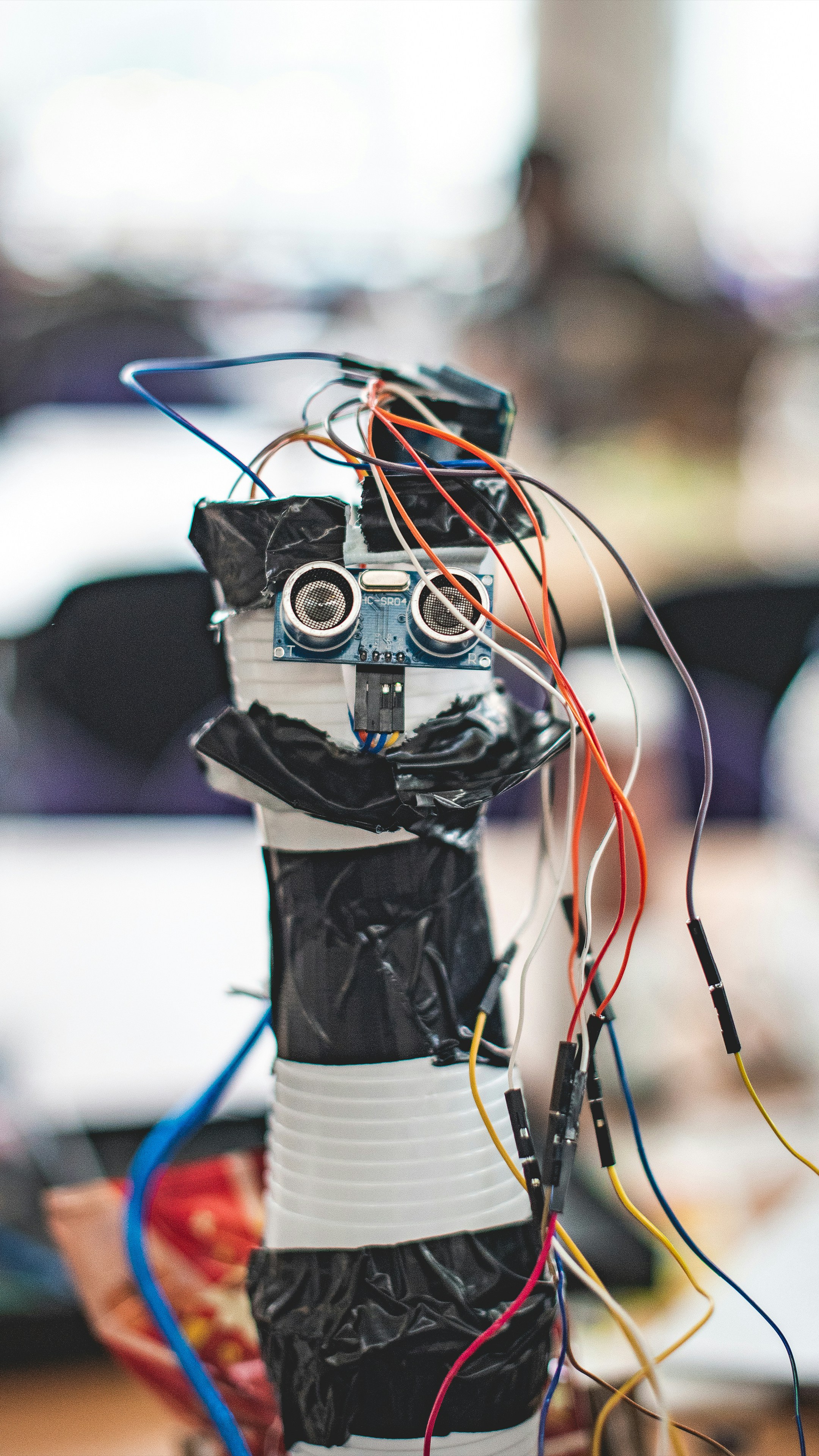
Introduction to Home Robotics
The emergence of home robotics in India marks a significant shift towards technological integration into daily life. Over the past few years, the Indian household has gradually embraced the idea of automation, leading to increased utilization of various types of home robots. These include robotic vacuum cleaners, lawn mowers, and companion robots, each catering to specific needs and enhancing the overall efficiency of home management.
Robotic vacuum cleaners have gained immense popularity among Indian consumers, particularly in urban settings where smaller living spaces often make manual cleaning cumbersome. These devices not only save time but also offer advanced features such as scheduling, remote control, and smart mapping capabilities, making them an appealing choice for busy professionals and families alike.
Lawn mowers are another significant addition to the home robotics arsenal. As maintenance of gardens becomes a requisite for home aesthetics, robotic lawn mowers provide an automated solution that ensures lawns are kept tidy with minimal human effort. This is especially relevant in metropolitan areas where landscape maintenance can be time-consuming and expensive.
On the other hand, companion robots are emerging as a means to alleviate loneliness and provide assistance to elderly individuals living alone. These robots can engage users in conversations, remind them of daily tasks, and even help with certain physical activities, thereby promoting the well-being of elderly family members.
The growing interest in automation and artificial intelligence within Indian households underscores a trend towards enhanced convenience and efficiency. As households become more interconnected through smart technologies, the integration of home robots aligns with the broader narrative of modernization and lifestyle improvement. With the right balance of innovation and safety standards, the continued rise of home robotics promises a transformative impact on how we manage our daily lives.
Importance of Safety Standards
The development and adoption of home robots in India have seen significant growth in recent years, creating a pressing need for established safety standards. Safety standards for home robots are crucial as they play a pivotal role in ensuring user protection. Individuals utilizing robotic technology in domestic spaces must be assured that these devices operate safely and do not pose any risks, such as causing injury or property damage.
One of the primary concerns surrounding home robots pertains to their mechanical and electrical functions. Without established safety regulations, there is a heightened risk of malfunctions, which could lead to electrical hazards, fires, or unintended mechanical failures. For example, defective wiring or improper assembly of components could result in significant dangers not just to the robot itself but also to the user and their family members. Therefore, adhering to stringent safety standards is essential in mitigating these potential hazards.
Moreover, compliance with established safety protocols not only protects users but also fosters consumer confidence. Homeowners are more likely to embrace robotic technology when they are assured that these devices meet recognized safety guidelines. This assurance can significantly influence purchasing decisions, thereby driving the market for home robotics in a positive direction. Furthermore, manufacturers must realize the importance of these standards, as they help build their reputation and compliance with regulatory bodies.
In conclusion, the integration of comprehensive safety standards for home robots in India is not an option but a necessity. By prioritizing user safety through regulated guidelines, manufacturers can prevent accidents and establish a trustworthy relationship with consumers, ensuring that technology enriches daily life without compromising safety.
Current Regulatory Landscape in India
The regulatory framework governing robotics and automation in India is a complex amalgamation of various laws and guidelines that aim to ensure safety, efficiency, and consumer protection. As the home robotics industry continues to grow, it becomes increasingly essential to understand the existing regulations that affect both the production and marketing of home robots. This understanding will facilitate compliance and promote consumer confidence.
One of the primary regulations impacting the production of home robots is the Bureau of Indian Standards (BIS) certification. This certification confirms that the electronic products comply with national safety standards. Specifically, these standards cover aspects such as electrical safety, electromagnetic compatibility, and performance requirements. Home robots that interact with electricity must adhere to these regulations to ensure that they do not pose a risk to consumers or property.
Additionally, the Consumer Protection Act, 2019, plays a crucial role in providing safeguards to consumers regarding robotic products. This law mandates that manufacturers must provide clear information about the functionality, features, and potential risks associated with their home robots. Furthermore, any malfunction or defect in a robot that leads to consumer harm can lead to liability issues for manufacturers.
Another significant aspect of the regulatory landscape is data protection and privacy laws. As many home robots collect and process personal data, compliance with the Information Technology Act, 2000, and the forthcoming Personal Data Protection Bill is critical. These laws ensure that consumer data is processed fairly and securely, establishing trust between manufacturers and users.
In summary, while the regulatory environment for home robots in India is evolving, it primarily drives the need for safety standards and consumer protection measures. Understanding these regulations is essential for stakeholders in the robotics sector to align their practices with national expectations and promote safety in the emerging home robotics market.
International Safety Standards for Robotics
As the use of robotic technology in various sectors continues to grow, the importance of adhering to international safety standards becomes paramount, particularly for home robots. Notably, the ISO 13482 and IEC 61508 standards play critical roles in enhancing the safety and reliability of robotic systems.
ISO 13482 specifically addresses the requirements for safety in personal care robots, which include home robots designed to assist individuals in their daily activities. This standard emphasizes the need for a comprehensive risk assessment to identify potential hazards associated with the use of robots. By providing guidelines on the design, construction, and operation of personal care robots, ISO 13482 helps manufacturers develop products that minimize risks while ensuring usability, thereby enhancing consumer trust.
On the other hand, IEC 61508 outlines functional safety standards applicable to electronic safety-related systems. This standard is vital for manufacturers of home robots, as it provides an overarching framework to ensure that robots can perform their intended functions safely. It covers various aspects of safety lifecycle management, from initial concept through design and implementation to decommissioning. Adhering to IEC 61508 enables developers to identify fail-safe mechanisms and develop robust systems capable of managing potential failures, thus ensuring a higher level of reliability.
Both ISO 13482 and IEC 61508 offer essential guidelines intended to enhance user safety in home robotics. By advocating for compliance with these internationally recognized standards, manufacturers not only help protect users but also contribute to establishing a safe ecosystem for the burgeoning field of household robotics. The integration of these safety measures poses a significant step towards fostering public acceptance and trust in robotic technology in India.
Proposed Safety Standards Specific to India
As the home robotics market continues to expand in India, the establishment of safety standards tailored to the unique needs and conditions of the Indian consumer is essential. The proposed safety standards should encompass various aspects such as usability, reliability, and security. Manufacturers will need to conform to these recommended practices to ensure that their products not only fulfill functional requirements but also prioritize user safety and satisfaction.
One of the primary components of the safety standards could involve robust quality control measures throughout the manufacturing process. This could include establishing protocols for regular inspections and audits of robotic components, ensuring that devices meet minimum performance criteria before reaching the consumer. Additionally, manufacturers should incorporate fail-safe mechanisms in the design of home robots, which can respond effectively during operational anomalies, thereby mitigating risks associated with unexpected malfunctions.
Testing processes should also be rigorously defined under the proposed standards. These tests must evaluate a robot’s performance under various real-world scenarios commonly found in Indian homes. By considering factors such as diverse living spaces, electrical infrastructure, and varying demographic needs, manufacturers can refine their products to ensure that they are universally safe and functional. It is crucial that these tests are conducted by certified laboratories that comply with international testing protocols to further uphold product integrity.
Lastly, compliance processes should be straightforward and transparent, allowing end-users to have easy access to information regarding safety certifications and adherence to the proposed standards. Encouraging consumers to recognize certified products will enhance the overall trust in home robotics, thus promoting greater adoption in the Indian market. This comprehensive approach to safety standards will cater to the evolving demands of Indian households while fostering innovation within the robotics sector.
Consumer Awareness and Education
As the presence of home robots increases in Indian households, fostering consumer awareness regarding their safety features becomes paramount. Home robots, while offering convenience and efficiency, also pose certain risks that need to be understood by potential users. It is essential for consumers to be informed not only about the functionality of these devices but also about their safety protocols and maintenance requirements.
To effectively educate consumers, manufacturers can implement several initiatives. One effective approach could be to create comprehensive user manuals that detail the safety features of each robot. These manuals should clearly outline operational guidelines, emergency procedures, and maintenance tips to ensure safe usage. Workshops and demonstrations could also be organized to provide hands-on experiences, allowing consumers to learn how to operate these machines safely and efficiently.
Additionally, leveraging digital platforms can help in disseminating information. Social media campaigns, informative videos, and webinars can be utilized to reach a wider audience. Engaging content that addresses common concerns related to home robots, such as potential risks and troubleshooting methods, can empower users to make informed decisions.
Moreover, collaboration with safety organizations and regulatory bodies may establish a uniform standard of education regarding safety. This could include certification badges for products that meet specific safety criteria, signaling to consumers that these devices adhere to established safety standards.
Ultimately, educating consumers will not only enhance the safe operation of home robots but also build trust in the technology. As individuals become more aware of the features and potential hazards associated with home robots, they will be better equipped to utilize them in a way that maximizes benefits while minimizing risks.
Case Studies of Safety Incidents
As home robots become increasingly prevalent globally, the necessity for stringent safety standards has come to the forefront. Several incidents have underscored the potential hazards associated with these devices. A notable case occurred in 2018, when a household robot vacuum cleaner accidentally ignited a fire in a home in California. The incident was attributed to an issue with the device’s battery, which overheated while docked for charging. Fortunately, the homeowner was able to extinguish the fire before it spread, but the incident highlighted the risks posed by battery malfunctions in household robotics.
Another significant safety incident involved a robotic lawnmower in the United Kingdom. In 2019, it was reported that the mower malfunctioned and caused damage to nearby property. The device became uncontrollable due to a software glitch, raising concerns about the robustness of the technology and the implications of improper software updates. This incident demonstrated how software issues can lead to erratic behavior in autonomous devices. In response, manufacturers reviewed their software testing protocols to mitigate similar occurrences in the future.
Moreover, in 2021, there was a report of a delivery robot in a public area in San Francisco that collided with a pedestrian, causing minor injuries. This incident sparked discussions about the need for operational regulations for delivery robots, especially concerning pedestrian safety in urban environments. The local authorities proposed stricter guidelines to ensure that such robots adhere to basic safety protocols, thereby preventing accidents.
These case studies emphasize the potential risks associated with home robots and highlight the urgent necessity for improved safety standards. Each incident provides valuable lessons that can guide policy-makers and manufacturers in developing regulations and features that prioritize user safety in the ever-evolving landscape of robotics.
The Future of Safety Standards in Home Robotics
The landscape of home robotics is rapidly evolving, influenced by advancements in technology and an increasing reliance on automated systems for daily tasks. As we envision the future, it is imperative to address the safety standards that govern these devices. With innovations such as artificial intelligence (AI), machine learning, and advanced sensor technology, the potential for improving safety in home environments is significant yet complex.
New technologies are driving the need for robust safety frameworks that anticipate possible risks associated with home robots. For instance, AI systems can enhance the ability of robots to navigate environments, avoiding obstacles and recognizing human presence. However, this reliance on AI also necessitates guidelines to ensure that these systems operate without unintended consequences. Standards must encompass not just operational safety but also data protection, ensuring that personal information is managed securely and ethically.
Moreover, collaborative robotics, or cobots, which work alongside humans in domestic settings, highlight the necessity for ergonomics and user-centric design to minimize injury risk. As these technologies mature, integrating feedback from users will become crucial to inform regulatory developments, making standards more adaptable and relevant.
In India, the establishment of safety standards for home robots will require collaboration between manufacturers, regulatory bodies, and stakeholders in technology development. Following global best practices will also be essential, allowing for the harmonization of standards that can be universally applicable while considering local nuances. As we progress into the future, a key focus will be on building frameworks that not only adapt to emerging technologies but also foster innovation while safeguarding users.
Conclusion and Call to Action
In conclusion, the urgent need for robust safety standards for home robots in India cannot be overstated. As the technological landscape evolves, the increasing integration of robotics into our daily lives necessitates a proactive approach to safety regulations. We have discussed various aspects, including the potential risks associated with home robots, the importance of international safety benchmarks, and the role of stakeholders in implementing these standards.
Manufacturers must take the lead in adopting comprehensive safety measures during the design and production phases of home robots. This entails not only complying with existing regulations but also actively participating in the development of new guidelines that address unique challenges posed by these devices. By investing in research and development focused on safety, manufacturers can enhance consumer trust and foster greater adoption of robotic technologies.
Consumers also play a vital role in the push for safety standards. By demanding transparency from manufacturers regarding safety measures and holding them accountable for any lapses, consumers can drive the industry toward prioritizing safety. It is imperative that consumers educate themselves about the features and safety certifications associated with home robots to make informed purchasing decisions.
Moreover, policymakers must be proactive in establishing a regulatory framework that effectively addresses the complexities of home robot safety. This includes collaborating with technical experts, industry leaders, and consumer representatives to create guidelines that are both practical and enforceable. By doing so, they can ensure that the proliferation of home robots leads to safer environments for households across India.
In summary, the collective efforts of manufacturers, consumers, and policymakers are crucial in fostering a safer technological environment as home robots become more prevalent in Indian homes. It is essential to embrace this opportunity to establish and adhere to safety standards that protect users while allowing the benefits of cutting-edge technology to flourish.