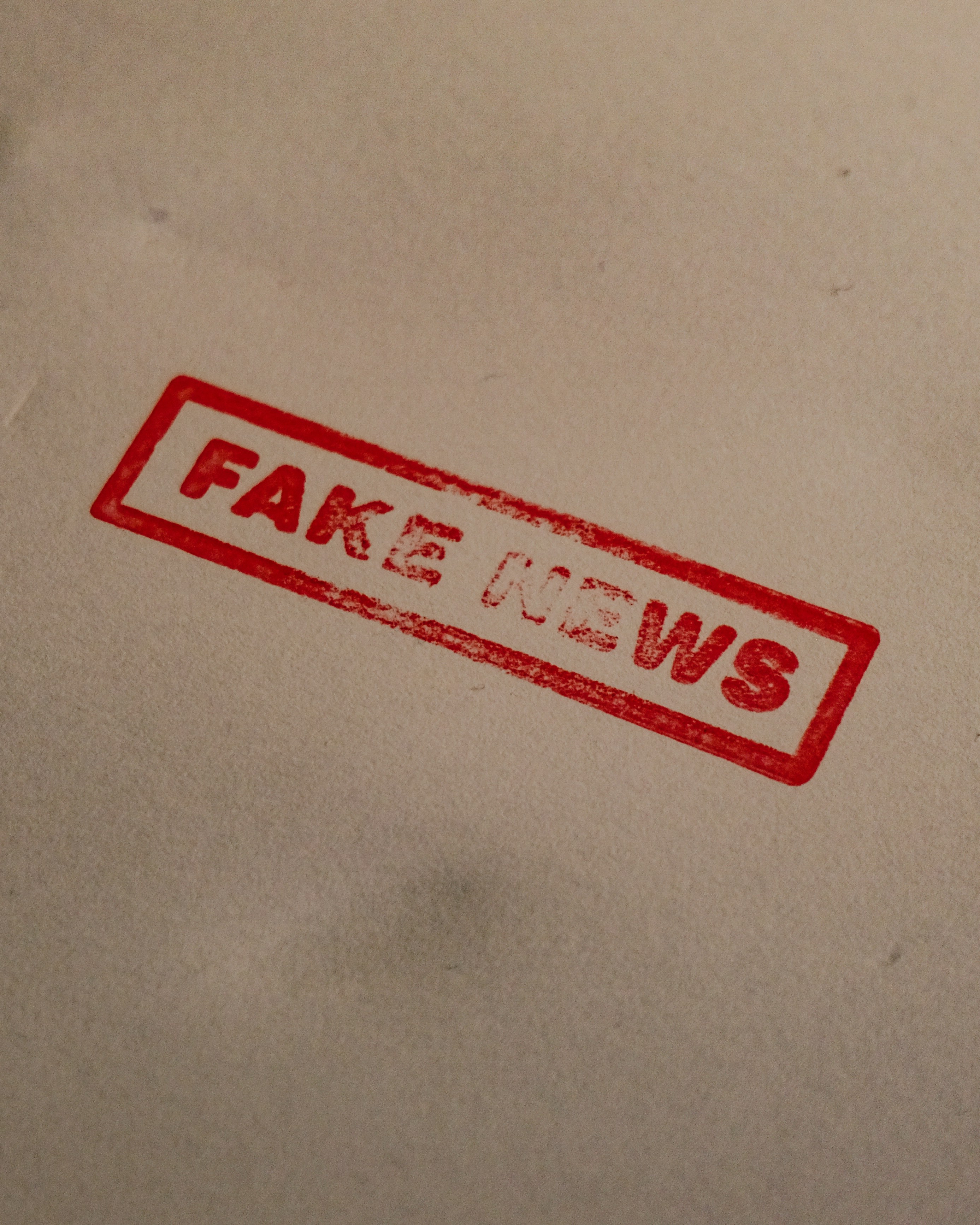
Introduction to Dystopian Futures
Dystopian futures represent a concerning narrative where the convergence of advanced technology and rampant misinformation poses serious threats to societal structures and democratic values. In recent years, the rapid development of artificial intelligence (AI) has ushered in a new era, where powerful tools like deepfake technology can create hyper-realistic videos and audio recordings that mimic real people with alarming precision. This technological advancement, while fascinating, has ushered in complexities that challenge the very fabric of truth and trust in public discourse.
As the world becomes increasingly digitized, the risk of manipulation through digital means grows. Misinformation can proliferate faster than it can be fact-checked, leading to a misinformed electorate and undermining fair political processes. This scenario is exemplified by the political landscape during the Bihar elections in 2030, where deepfake technology plays a pivotal role. Voters may find themselves inundated with altered media that can distort candidates’ statements, influence opinions, and sway electoral outcomes.
The implications of such technologies extend beyond mere political strategy; they pose existential questions about the integrity of democracy itself. In instances where voters cannot distinguish between authentic and counterfeit content, political discourse devolves into chaos. This reality raises red flags regarding the responsibility of technology companies, governments, and civil organizations to implement rigorous standards and preventive measures against the misuse of deepfakes in electoral politics.
As we approach the examination of the events surrounding the Bihar elections in 2030, it is imperative to understand the potential consequences of living in a society where the line between reality and fabrication is increasingly blurred. The exploration of this dystopian future will highlight the necessary strategies that can be employed to safeguard democratic integrity against the impending challenges posed by deepfake technology.
Understanding Deepfakes: The Technology Behind It
Deepfakes are a form of synthetic media created using artificial intelligence (AI) techniques that manipulate audio and video to create realistic yet fabricated representations of individuals. The term ‘deepfake’ is derived from deep learning, a subset of machine learning that employs neural networks to analyze and replicate patterns in vast data sets. As such, this technology has enabled the creation of remarkable digital forgeries that can convincingly imitate a person’s likeness and voice.
The underlying mechanism of deepfake technology primarily relies on generative adversarial networks (GANs), where two AI models—the generator and the discriminator—work in tandem. The generator creates fake media while the discriminator assesses its authenticity by comparing it against real media. This iterative process continues until the generator produces deepfakes that are indistinguishable from genuine content. This advancement in technology has resulted in a significant increase in the quality and realism of deepfake media over recent years.
Moreover, tools and software to create deepfakes have become increasingly accessible, allowing individuals and groups with minimal technical expertise to produce sophisticated manipulations. Platforms such as popular online applications facilitate the transformation of video and audio content, making it simpler for users to fabricate believable scenarios. The ramifications of this democratization of deepfake creation are far-reaching, posing challenges to the integrity of information and the authenticity of media.
As the capabilities of deepfakes evolve, so do the potential risks. In settings such as elections, where accurate information is paramount, the risk of misinformation is heightened. The potential for deepfakes to distort reality raises ethical and legal concerns, necessitating the development of strategies to mitigate their impact. Understanding the foundational technology behind deepfakes is crucial in addressing their repercussions in various spheres, particularly in the political landscape.
The Political Landscape of Bihar in 2030
By 2030, the political landscape of Bihar has transformed significantly, shaped by evolving dynamics and technological advancements that affect both governance and electoral strategies. This era sees a complex combination of established political parties, emerging local movements, and a rising presence of independent candidates driven by public demand for transparency and accountability. Key players include the Janata Dal (United), the Bharatiya Janata Party, and regional parties that have redefined their strategies to resonate with voters.
The 2030 elections are particularly noteworthy as they symbolize a crucial intersection of technology and politics, notably through the increasing utilization of deepfake technology. These synthetic media presentations allow political entities to create realistic but fabricated audio and video content, which can potentially manipulate public perception and influence the electoral process. This unsettling innovation raises critical questions about the ethical implications in political campaigns, as deepfakes can be weaponized to undermine opponents or mislead voters.
Socio-political issues such as caste representation, economic inequality, and corruption remain at the forefront of electoral discourse. As these traditional issues persist, the introduction of deepfake technology complicates voter trust and further polarizes the political environment. Voter engagement strategies must adapt to this new reality, focusing not only on issues of policy but also on combating misinformation and maintaining the integrity of democratic processes.
Moreover, the effect of deepfakes on public opinion is profound. As misinformation spreads, it becomes increasingly challenging for voters to discern fact from fiction, necessitating innovative approaches to media literacy and political education. Acknowledging this pressing challenge is essential for political leaders and strategists who wish to uphold democratic values and facilitate informed voting in the face of deepfake disruptions.
Case Studies: Deepfakes in the 2030 Bihar Elections
The 2030 Bihar Elections witnessed significant disruptions attributed to the emergence of deepfake technology, which transformed the political landscape in unprecedented ways. One notable instance involved a fabricated video featuring a leading candidate allegedly making inflammatory remarks about a minority community. This deepfake rapidly circulated across social media platforms, sparking outrage and mobilizing protests against the candidate. In turn, this had a profound negative impact on the candidate’s image, disrupting their campaign efforts significantly.
Another hypothetical scenario involved a deepfake audio clip that purportedly showcased a candidate accepting bribes from local business owners. This misinformation led to immediate calls for an investigation, which diverted attention from the candidate’s actual policy proposals. In the heated atmosphere of an election period, the audio clip’s virality overshadowed credible evidence, challenging the integrity of the electoral process.
The deployment of deepfakes during the Bihar Elections not only impacted the individuals directly involved but also created a wider sense of distrust among voters. Reports indicated that many voters felt confused about candidates’ genuine stances and qualifications. Misinformation proliferated, leading many constituents to make decisions based on fabricated evidence rather than facts. Political campaigners exploited this terrain to magnify uncertainties, ultimately swaying voter sentiment in unpredictable directions.
As a result of these deepfake incidents, electoral outcomes were significantly influenced, showcasing the urgent necessity for an established framework to identify and counteract fake media. The need for comprehensive digital literacy programs emerged as a priority, aimed at educating voters on recognizing manipulated content. These case studies underscore the profound implications of deepfakes, emphasizing their capacity to disrupt the electoral integrity and the need for effective preventive strategies.
The Impact of Deepfakes on Voter Trust and Engagement
The emergence of deepfake technology presents significant challenges to the integrity of electoral processes, especially in the context of voter trust and civic engagement. With the ability to convincingly manipulate audio and visual content, deepfakes can profoundly alter how information is shared and perceived during election periods. In Bihar, as in many parts of the world, the advent of such technologically advanced misinformation strategies can undermine public confidence in the electoral process.
One of the principal ramifications of deepfake technology is the potential erosion of voter trust. Misinformation generated through deepfakes can distort political narratives, creating a landscape where voters struggle to discern fact from fiction. This confusion not only diminishes the credibility of candidates but also instills a general mistrust in the electoral system itself. When voters encounter manipulated content aimed at discrediting candidates or misleading the public, their willingness to engage in the political process may wane, leading to lower voter turnout—an outcome that could skew election results.
Additionally, deepfakes can exacerbate civic disengagement by fostering a sense of apathy among the electorate. When voters are bombarded with deceptive representations of political figures, they may feel overwhelmed and disillusioned, perceiving participation as futile. The psychological effects of repeated exposure to such tactics can lead individuals to retreat from political discourse altogether, further isolating them from engaging with civic responsibilities. This disengagement not only negatively impacts democracy but can also result in a vicious cycle, where misinformation becomes increasingly rampant as uninformed voters make decisions based on manipulated content.
Ultimately, the ramifications of deepfakes on voter trust and engagement are profound, with the potential to disrupt the democratic process in Bihar and similar contexts. Understanding these impacts is crucial for developing effective strategies to counteract misinformation and restore public confidence in the electoral system.
Legal and Ethical Challenges Posed by Deepfakes
The emergence of deepfake technology has ushered in a multitude of legal and ethical challenges, particularly in the context of political elections like those in Bihar. Currently, the legal landscape surrounding deepfake technology is somewhat murky. Many nations lack comprehensive laws specifically addressing these digital manipulations, leading to jurisdictional gaps. Existing laws, such as those related to defamation, copyright infringement, and election integrity, can occasionally apply to deepfakes, but they often fall short in addressing the unique characteristics of this technology.
In India, as in other countries, there is an ongoing debate regarding the adequacy of current regulations to combat the potential havoc wreaked by deepfakes. The Information Technology Act and other frameworks have yet to fully encapsulate the nuances of deepfake technology. This lack of specificity complicates efforts to hold creators and disseminators of malicious deepfakes accountable, further underlining the need for refined legal approaches.
Ethically, the responsibility of technology platforms to manage misinformation is paramount. Social media companies are often on the front lines, significantly influencing public opinion, especially during election periods. They face the dilemma of balancing the right to freedom of expression with the need to protect the electorate from harmful misinformation spread through deepfakes. This presents an ethical obligation to implement robust content moderation policies, educate users about the potential pitfalls of deepfakes, and invest in technologies that can effectively detect and counteract these distortions.
Furthermore, the implications for freedom of expression remain a sensitive issue. Striking a balance between curbing malicious deepfake content while preserving individuals’ rights to share their views is a formidable task. It necessitates a collaborative effort among policymakers, technology companies, and civil society to establish a framework that addresses these challenges without stifling freedom. As we advance towards a more technologically complex future, the legal and ethical considerations surrounding deepfakes will require ongoing dialogue, adaptation, and vigilance.
Preventive Measures Against Deepfake Abuse
As deepfake technology continues to evolve, it is essential to implement a robust framework comprising various strategies and technologies to combat its potential misuse during elections. One of the primary preventive measures involves enhancing technological solutions that accurately detect deepfakes. Advances in artificial intelligence (AI) can lead to the development of sophisticated algorithms capable of identifying manipulated media. By establishing cyber-forensics teams equipped with these tools, election monitoring organizations can significantly reduce the spread of disinformation.
Moreover, collaborations between technology companies and public institutions could facilitate the creation of databases containing verified authentic media. These repositories would serve as references to help individuals and organizations discern genuine content from fraudulent deepfakes, thus fostering a more trustworthy information environment.
In addition to technological interventions, societal awareness campaigns play a crucial role in mitigating the impact of deepfakes. Educating the public about the existence and implications of deepfake technology should begin at an early age, ideally integrated into school curricula. Workshops, seminars, and webinars can also be organized to inform citizens about the tactics employed in creating and disseminating deepfakes, therefore enabling them to critically evaluate information before accepting it as truth.
Furthermore, enhancing media literacy among various demographics, particularly vulnerable populations, is vital. By equipping users with the skills to scrutinize online content, media literacy initiatives can empower individuals to resist manipulation. Encouraging responsible media consumption habits and fostering skepticism towards unverified information are key components of these initiatives.
In conclusion, a multi-faceted approach that combines technological advancements with educational initiatives holds promise for effectively countering deepfake abuse in electoral contexts, ensuring that the integrity of democratic processes is upheld.
As deepfake technology becomes increasingly sophisticated, various nations are confronted with the unique challenges it presents, particularly in the realm of politics and elections. Countries such as the United States, Australia, and those in the European Union (EU) have begun to implement measures aimed at combating the detrimental effects of deepfakes on democratic processes. These international responses offer valuable insights for regions like Bihar, where the integrity of elections is paramount.
The United States, for instance, has taken proactive steps by incorporating legislation to regulate the dissemination of misleading manipulated media. In 2018, California enacted a law that prohibits the use of deepfake technology to defraud, harm, or intimidate individuals, including during election cycles. Furthermore, the federal government has enhanced its funding for research on detecting and mitigating deepfakes, displaying a commitment to preserving electoral integrity.
Across the Pacific, Australia has also recognized the threat posed by deepfakes and has introduced reforms emphasizing transparency in political advertising. The Australian government established guidelines that require platforms to label deepfake content explicitly, allowing voters to discern the authenticity of information. This approach not only encourages accountability among content creators but also empowers citizens to make informed decisions during elections.
Within the EU, a comprehensive set of regulations is being drafted to address disinformation, including deepfakes, under the Digital Services Act. The EU’s emphasis on cooperation among member states highlights the importance of a collective effort to tackle the spread of manipulated media, ensuring that national security and democratic participation remain safeguarded.
These global responses underscore the need for proactive measures in Bihar’s electoral landscape. By examining and potentially adopting these international policies, Bihar could bolster its defenses against the manipulation of information, thus promoting transparency and trust during elections. Through effective regulatory frameworks and enhanced public awareness, states can fortify their democratic processes against the emerging threats posed by deepfake technology.
Conclusion: The Path Forward for Bihar’s Politics
As we navigate the complexities posed by deepfake technology, it is crucial to reflect on its implications for the integrity of electoral processes in Bihar. Throughout this discourse, we have illuminated the potential disruption deepfakes present during elections—particularly in how misleading information can sway voter perceptions and undermine the democratic process. Bihar’s political landscape faces challenges that require urgent attention and strategic interventions to ensure fairness in elections.
It is evident that collaborative efforts are integral to addressing the complexities of deepfake disinformation. The government of Bihar must prioritize legal frameworks to combat the rise of deepfakes, aiming for regulations that encourage transparency and accountability in political advertising. Simultaneously, technology companies have a pivotal role in developing advanced detection tools that can identify deepfake content and curtail its dissemination on social media platforms. Such proactive measures could protect the electoral integrity of Bihar and uphold public trust in democratic proceedings.
Moreover, civil society organizations must engage in public awareness campaigns that educate voters about deepfake technology and its potential implications for informed decision-making. By fostering a politically conscious electorate, citizens can better discern between authentic political communication and deceptive content. This educational approach not only safeguards democracy but also empowers individuals to actively participate in the political discourse.
In conclusion, safeguarding Bihar’s elections from the disruptive forces of deepfake technology necessitates a collective endeavor across various stakeholders. By implementing comprehensive strategies that unite the government, technology industry, and civil society, Bihar can navigate this challenging landscape and uphold the principles of democratic integrity for future elections.